Wednesday, July 29, 2026

Exploring Hidden Caves and Natural Wonders Near Chiang Dao Cave

Exploring Hidden Caves and Natural Wonders Near Chiang Dao Cave

Discover lesser-known caves and trekking routes around Chiang Dao for a unique and tranquil adventure in Chiang Mai

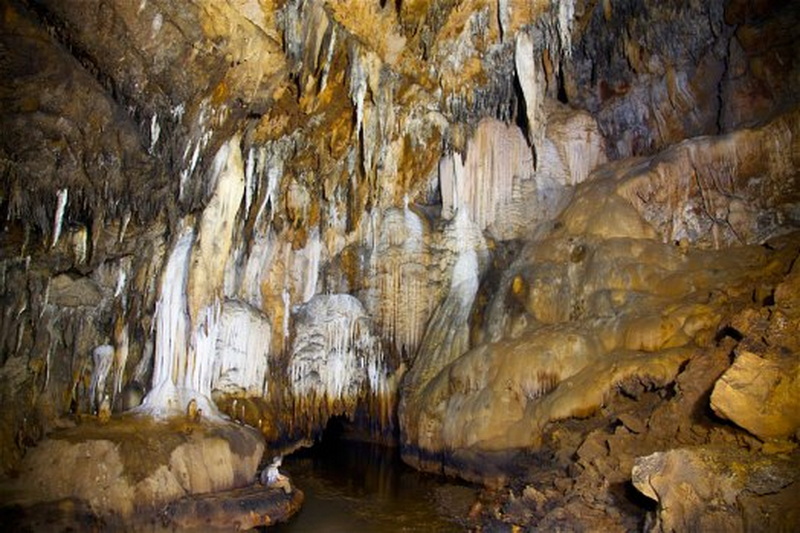
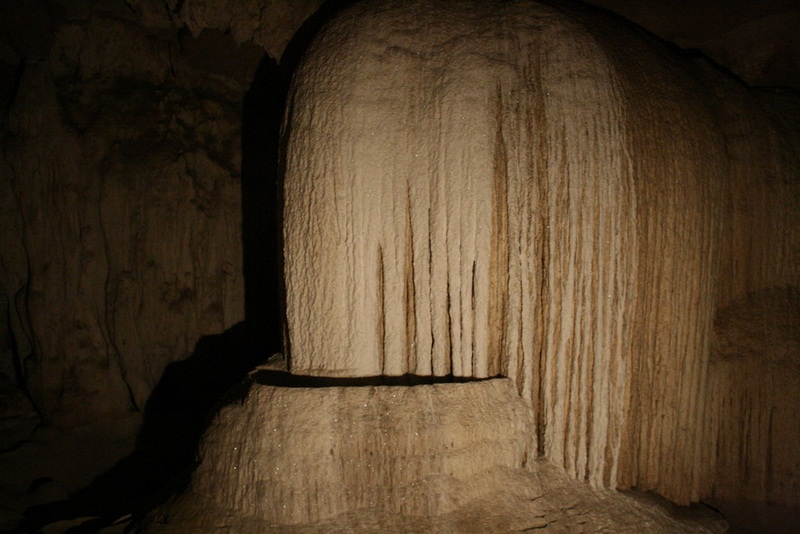
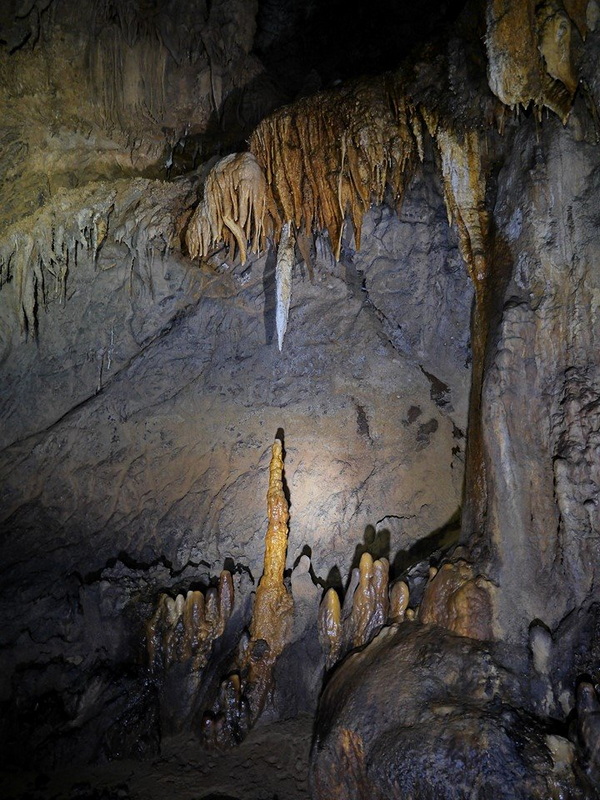
Close-up of stalactites and stalagmites inside a limestone cave with mineral textures at Chiang Dao Cave.

Nestled in the mountains of northern Thailand, Chiang Dao Cave is a remarkable natural attraction that draws travelers seeking both spiritual reflection and geological wonder. Beyond the well-known chambers of this limestone cave system lies a network of hidden caves and pristine natural sites that few visitors explore. This guide invites curious travelers to venture off the beaten path and uncover the quieter, less crowded caves around Chiang Dao, revealing a world shaped by millennia of natural forces. While Chiang Dao Cave itself offers captivating stalactites, stalagmites, and sacred temples, the surrounding region is rich with other hidden caves and trekking opportunities that highlight the rugged beauty of Chiang Mai’s mountainous landscape. These attractions provide a peaceful respite for nature lovers and trekkers alike, emphasizing respectful exploration of both natural wonders and culturally significant sites. Whether you are a solo traveler seeking calm discovery or an avid trekker eager to explore remote terrain, this overview of hidden caves and nearby trekking landmarks offers a deeper appreciation of Chiang Dao’s enchanting environment.

Unveiling Hidden Caves in Chiang Mai’s Limestone Landscape

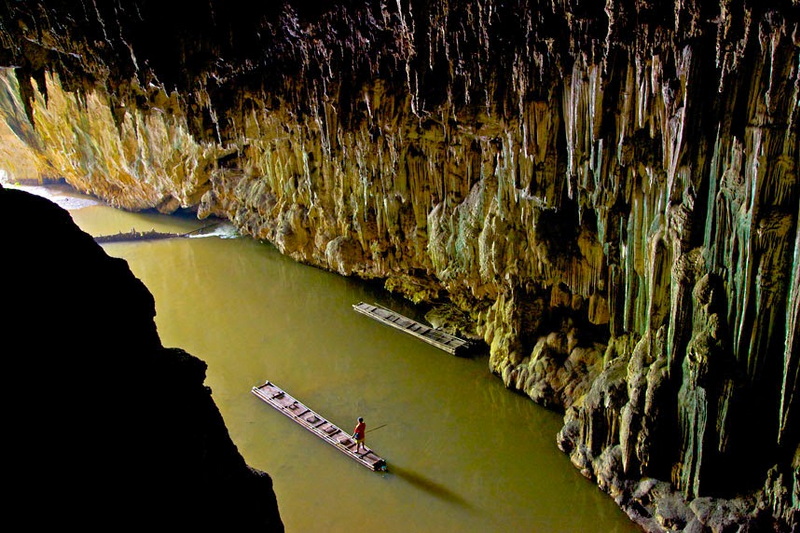
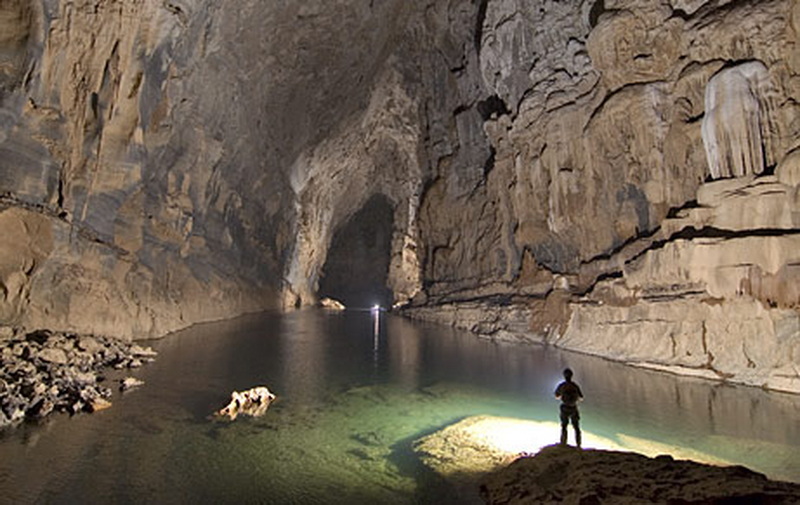
The Chiang Dao region is renowned not only for the iconic Chiang Dao Cave but also for numerous lesser-known caves that weave through the limestone mountains. These hidden caves often escape mainstream tourism, offering tranquil and intimate encounters with nature’s subterranean artistry. Many of these caves feature delicate formations and quiet chambers that demand respectful and careful exploration. Travelers researching Chiang Dao Cave Tour can use these details when planning the trip. Travelers researching Hidden Caves Chiang Mai can use these details when planning the trip.

One such cave system near Chiang Dao presents a quieter alternative to the main cave’s bustling temple areas. Visitors can experience the serene atmosphere of these caves, where natural light filters softly through openings, revealing intricate mineral deposits and ancient rock formations. The presence of local spiritual practices in some caves underscores their cultural significance, reminding explorers to approach with reverence.

Four black statues with yellow cloths seated in front of floral wall design at Chiang Dao Cave.

Exploring these hidden caves requires preparation and awareness of safety, as some passages may be narrow or uneven. Guided tours focusing on these lesser-known caves can enrich the experience by providing geological insights and cultural context, while also ensuring visitor safety and environmental preservation. As such, these hidden caves constitute a significant part of the wider cave attractions in Chiang Mai, inviting deeper discovery beyond the popular sites.

Natural Attractions Surrounding Chiang Dao Cave

Beyond the caves themselves, the Chiang Dao area is framed by stunning natural landmarks that enhance the visitor experience. Towering limestone peaks, dense forests, and meandering streams create a landscape rich in biodiversity and scenic beauty. These features complement the cave explorations and invite travelers to extend their visit with outdoor activities.

Among the notable attractions is the Doi Luang Chiang Dao, the third highest peak in Thailand. This majestic mountain is a favorite for trekkers and nature enthusiasts, offering panoramic views and a chance to encounter unique flora and fauna. Its proximity to Chiang Dao Cave makes it an ideal addition to any exploration itinerary.

Group of black bats hanging from a rocky cave ceiling at Chiang Dao Cave.

Another highlight is the Ban Yang Pu Toh trekking route, which winds through traditional villages and verdant forests. This trail offers an immersive cultural and ecological experience, showcasing rural life alongside natural scenery. The trekking path often leads to hidden cave entrances and quiet natural spots, perfect for travelers seeking solitude and discovery away from crowded tourist hubs.

Trekking Routes and Responsible Exploration Tips

Trekking in the Chiang Dao region provides an excellent opportunity to connect with nature and explore hidden caves in their broader environmental context. Trails vary in difficulty and length, catering to both casual hikers and seasoned trekkers. Many routes pass by cave entrances, mountain viewpoints, and local communities, enriching the journey with diverse experiences.

Interior of a cave shrine with statues and carved decorations on rocky walls at Chiang Dao Cave.

When venturing into caves or trekking remote paths, it is essential to respect the spiritual significance of certain sites, especially cave temples where local worship practices continue. Visitors should avoid disturbing any religious artifacts or rituals and maintain a quiet, contemplative demeanor.

Environmental mindfulness is equally important. Travelers are encouraged to minimize their impact by sticking to established paths, carrying out all waste, and avoiding damage to delicate cave formations. Using local guides supports community livelihoods and ensures adherence to ethical exploration practices. By approaching these hidden caves and trekking landmarks responsibly, visitors help preserve the natural and cultural heritage of Chiang Dao for future generations.

Nearby Attractions

Ban Yang Pu Toh trekking

Person standing on a large twisted tree branch in a foggy forest at Ban Yang Pu Toh trekking.

Ban Yang Pu Toh trekking offers an immersive journey through lush forests and traditional villages near Chiang Dao. The trail is favored for its scenic beauty and cultural richness, providing glimpses of rural life alongside opportunities to discover hidden caves and natural springs. This trekking route is a peaceful alternative for travelers seeking quiet exploration away from crowded tourist routes.

Doi Luang Chiang Dao

Dirt trail with fallen tree blocking path in lush greenery at Doi Luang Chiang Dao.

Doi Luang Chiang Dao, standing as the third highest peak in Thailand, dominates the landscape around Chiang Dao. It attracts trekkers eager to challenge themselves with its rugged terrain and rewarding summit views. The mountain’s ecological diversity and striking limestone formations complement the cave explorations, making it a must-visit landmark for nature lovers and adventure seekers alike.

A Last Look at the Journey

Chiang Dao Cave and its surrounding landscapes offer travelers a unique window into northern Thailand’s natural and cultural richness. By stepping beyond the main cave into hidden caves and trekking routes, visitors can uncover serene environments shaped by geological time and human reverence. These less-visited sites invite a slower, more thoughtful pace of exploration that honors both nature’s beauty and local traditions. Embracing responsible travel practices ensures that the delicate ecosystems and spiritual sites remain protected, allowing future adventurers to experience the same sense of wonder and calm. Whether drawn by the allure of hidden caves or the challenge of mountain trails, those who venture near Chiang Dao Cave will find a rewarding blend of discovery, tranquility, and connection to the land.

Sunday, July 26, 2026

Hiking and Private Tours at Doi Luang Chiang Dao with a Doi Chiang Dao Hike Focus

Doi Luang Chiang Dao Trekking Overview and Nearby Attractions

Discover trekking options at Doi Luang Chiang Dao, insights on private tour searches, and natural highlights for first-time visitors.

Nestled in the northern reaches of Thailand, Doi Luang Chiang Dao rises dramatically above the surrounding landscape, drawing travelers with its untamed beauty and sense of adventure. For many, this mountain is one of Chiang Mai province’s most compelling natural destinations—a place where misty mornings, dense forests, and rocky limestone peaks come together to create an unforgettable trekking experience. If you are a first-time international visitor eager to explore the outdoors in Thailand, Doi Luang Chiang Dao offers a welcoming entry point to the region’s celebrated hiking culture. Trekking here is about more than just reaching the summit; it’s also a chance to immerse yourself in the rhythms of northern Thailand’s forests, encounter unique flora, and experience the calm that comes from venturing off the beaten path. As you plan your journey, you may notice a variety of phrases such as 'Chiang Mai Trekking,' 'Doi Luang Chiang Dao trek,' and 'private tours in Chiang Mai'—each reflecting the diverse ways travelers approach this destination. Whether you’re seeking a guided group hike, a private day trip, or simply want to understand what makes this mountain special, knowing your options helps build confidence before you set out. This article provides a practical overview of trekking and hiking at Doi Luang Chiang Dao, introduces the language of private tours, and highlights two nearby attractions—Chiang Dao Cave and Ban Yang Pu Toh trekking—that can round out your visit. The goal is to give you a clear, friendly starting point for planning, so you can make the most of your time in one of northern Thailand’s most remarkable natural areas.

A picturesque view of mountains with pink flowering trees at Doi Luang Chiang Dao.

Doi Luang Chiang Dao: A Natural Landmark for Trekkers

Doi Luang Chiang Dao is the third-highest peak in Thailand, standing at 2,225 meters above sea level. Its distinctive limestone ridges and rugged terrain have made it a favorite among hikers and nature lovers. The mountain is part of the Doi Chiang Dao Forest Park and the larger Chiang Dao Wildlife Sanctuary—a protected area with significant ecological value. For those new to the region, the landscape is both dramatic and accessible, offering a sense of wilderness without requiring advanced mountaineering skills.

Sunset over a grassy hill at Doi Luang Chiang Dao.

The mountain’s appeal lies in its combination of challenge and approachability. Trails wind through bamboo forests, mossy undergrowth, and open ridgelines, revealing sweeping views of the surrounding valleys. During the dry season, clear skies often reward trekkers with panoramic vistas, while the rainy months paint the forests in lush greens. Seasonal wildflowers and the unique limestone ecosystem add to the sense of discovery, making every visit a little different.

Even for visitors without extensive hiking experience, Doi Luang Chiang Dao is a destination that encourages exploration and connection with nature. The trails can be physically demanding, but the reward is a feeling of accomplishment and a deeper appreciation for the region’s natural heritage.

Understanding Trekking and Hiking Options

When planning a visit, you’ll encounter a variety of trekking and hiking experiences tailored to different interests and fitness levels. Some travelers opt for a straightforward hike along established trails, while others seek out multi-day adventures that include overnight stays in basic campsites. The most well-known route is the ascent to the summit itself, which typically requires a full day of hiking each way and is often structured as a two-day, one-night journey.

A view of lush green mountains at Doi Luang Chiang Dao.

Hiking at Doi Luang Chiang Dao is generally considered moderate to challenging, depending on the chosen route and current trail conditions. The elevation gain is significant, and some sections are steep or rocky. However, the main trails are well-trodden and benefit from the stewardship of local guides and park authorities. The trekking season usually runs from November through March, when weather is cooler and trails are less slippery.

For those who prefer a more relaxed pace, there are also shorter walks and nature trails around the base of the mountain. These routes provide a taste of the area’s biodiversity without the commitment of a summit trek. Whichever option you choose, it’s important to prepare for changing weather, bring adequate water and sun protection, and respect the park’s conservation guidelines.

The Role of Private Tours and Search Language

As interest in responsible travel grows, many visitors look for ways to customize their experience. This is where phrases like 'Chiang Mai Private Tour' come into play. While browsing for trekking options, you’ll notice that private tour search language is common, reflecting a demand for personalized, flexible itineraries. Private tours can offer advantages such as tailored pacing, opportunities for deeper interpretation from guides, and the ability to focus on particular interests—be it photography, birdwatching, or simply enjoying a quieter journey.

Mountain view with a wooden sign, showcasing the peaks of Doi Luang Chiang Dao.

It’s important to note that the presence of private tour phrasing in search results does not guarantee availability or imply any specific operator. Instead, it highlights the range of approaches travelers use to explore Doi Luang Chiang Dao. Some visitors join group treks organized by local agencies, while others arrange private guides or self-guided hikes. Regardless of your choice, the emphasis remains on respecting the protected status of the area and minimizing your impact on the environment.

Preparing for a Hike at Doi Luang Chiang Dao

Embarking on a hike at Doi Luang Chiang Dao is an opportunity to step into one of Thailand’s most celebrated mountain landscapes. Preparation is key—both for your safety and to ensure a positive experience. Start by checking the latest information on park access, as entry to certain trails may be limited during the rainy season or for conservation reasons. Packing light but efficiently is recommended; bring sturdy footwear, layered clothing, and essential supplies such as water, snacks, and a flashlight.

Guided treks are popular for first-time visitors, as local guides offer valuable insight into the area’s ecology and help navigate the sometimes-challenging terrain. Even on a guided hike, basic fitness and comfort with uneven ground will help you enjoy the journey. Remember to follow Leave No Trace principles and to be considerate of other hikers and the natural environment. If you are looking for a memorable adventure, the Doi Chiang Dao Hike is often mentioned as a must-try experience for those wanting to challenge themselves and witness the region’s breathtaking scenery.

Extending Your Adventure: Complementary Experiences

While the main draw is undoubtedly the trek itself, Doi Luang Chiang Dao’s location makes it easy to combine hiking with other nature-based activities. The surrounding area is dotted with limestone caves, forest reserves, and hot springs, offering a well-rounded itinerary for those with extra time. Many travelers find that exploring these nearby attractions adds depth and variety to their trip, transforming a single trek into a more immersive journey through northern Thailand’s natural wonders.

The mountain’s proximity to Chiang Mai city—roughly 70 kilometers away—means that it can be reached as part of a longer adventure or even a well-organized day trip. This flexibility appeals to visitors who wish to balance active exploration with comfort or who have limited time in the region. Whether you stay overnight or visit for a day, the diversity of experiences makes Doi Luang Chiang Dao a highlight for both seasoned trekkers and newcomers alike.

Nearby Attractions

Chiang Dao Cave

Just a short distance from the mountain, Chiang Dao Cave is one of the area’s most intriguing natural sites. The cave system extends several kilometers into the limestone hills, featuring spacious chambers, stalactites, and mysterious rock formations. Guided tours typically cover the well-lit sections, allowing visitors to appreciate the geological history and cool, echoing depths. For many, a visit to Chiang Dao Cave offers a welcome contrast to the open vistas of the mountain, providing a glimpse into the region’s underground wonders.

Stalactites illuminated by headlamps inside Chiang Dao Cave.

Ban Yang Pu Toh trekking

For those interested in expanding their trekking experience, Ban Yang Pu Toh trekking offers additional trails through lush forest landscapes. This area is known for its quieter paths and opportunities to observe the local flora up close. The routes here are generally less crowded than the main summit trail and can be tailored to different fitness levels, making them a suitable option for both beginners and more experienced hikers. Exploring Ban Yang Pu Toh is a way to deepen your connection with the natural side of Chiang Dao while enjoying a peaceful, scenic walk.

Forested hills under a clear blue sky at Ban Yang Pu Toh trekking.

Why This Place Stays With You

Trekking at Doi Luang Chiang Dao is as much about self-discovery as it is about exploring a remarkable landscape. For first-time visitors, understanding the variety of trekking options and the context of private tours can make planning less daunting and more exciting. By preparing thoughtfully and considering nearby attractions like Chiang Dao Cave and Ban Yang Pu Toh trekking, you set yourself up for a journey that is both rewarding and memorable. As you step onto the trails, you’ll find that the mountain’s beauty, the warmth of the local environment, and the spirit of adventure combine to create an experience that inspires confidence—both in travel and in yourself.