Exploring Pang Hi Village Hidden Villages and Private Car Services with Coffee Farm Tours
Discover off-the-beaten-path villages near Chiang Mai with coffee farm tours and convenient private car and driver options
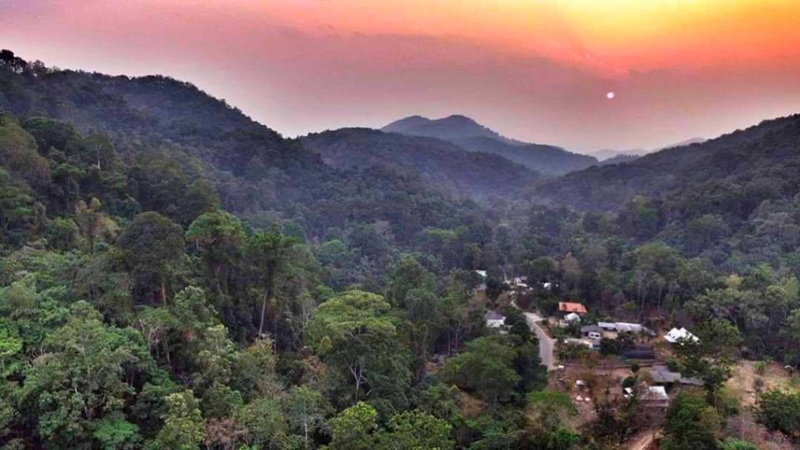
Nestled in the scenic Doi Saket District, Pang Hi Village offers travelers a unique glimpse into the hidden villages near Chiang Mai that remain untouched by mass tourism. This tranquil community embodies authentic rural Thai life, surrounded by lush landscapes and traditional ways that have been preserved through generations. For those seeking an off-the-beaten-path experience, exploring Pang Hi Village and its neighboring settlements provides an enriching cultural journey far from the usual tourist trails. Accompanying this exploration are nearby coffee farm tours that showcase Chiang Mai’s growing reputation for quality coffee production. Visitors can learn about the cultivation and processing of coffee beans while enjoying the serene mountain atmosphere. To make the most of this remote region, private car and driver services in Chiang Mai offer a practical and flexible way to navigate the winding roads and scattered villages, ensuring a comfortable and personalized travel experience. This combination of hidden village discovery, engaging coffee farm visits, and reliable private transport creates an ideal itinerary for independent travelers eager to experience the authentic charm and natural beauty of northern Thailand. In this guide, we will explore the unique appeal of Pang Hi Village, highlight the coffee farm tours available nearby, and provide practical advice for arranging private car and driver services to enhance your journey.
Discovering Hidden Villages Near Chiang Mai
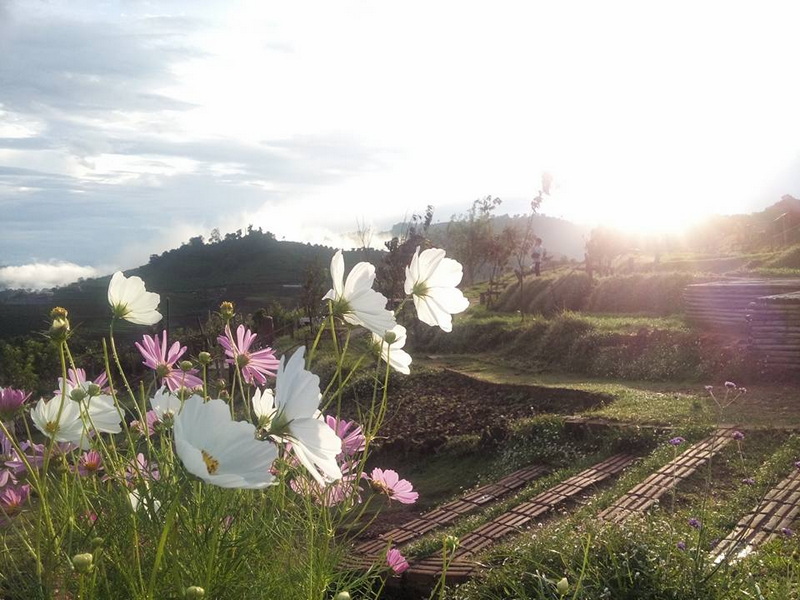
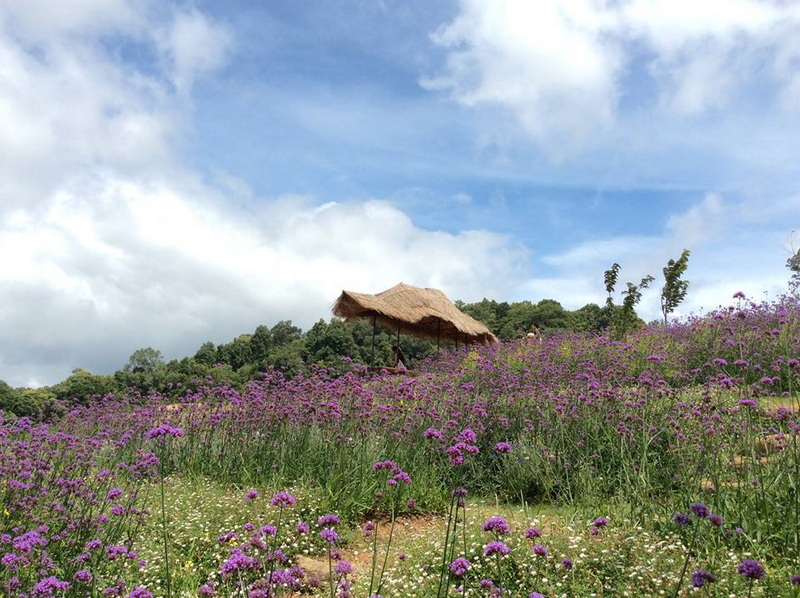
Pang Hi Village is one of the lesser-known gems in the Doi Saket District, offering visitors a chance to experience village life that remains deeply rooted in tradition. Unlike more commercialized destinations, this village retains a quiet, authentic atmosphere where local customs and crafts are still practiced by the residents. Wandering through Pang Hi and its neighboring villages reveals wooden homes, rice paddies, and intricate weaving techniques that have been passed down through generations. Travelers researching Coffee Farm Tour Chiangmai can use these details when planning the trip. Travelers researching Private Car And Driver Chiang Mai can use these details when planning the trip.
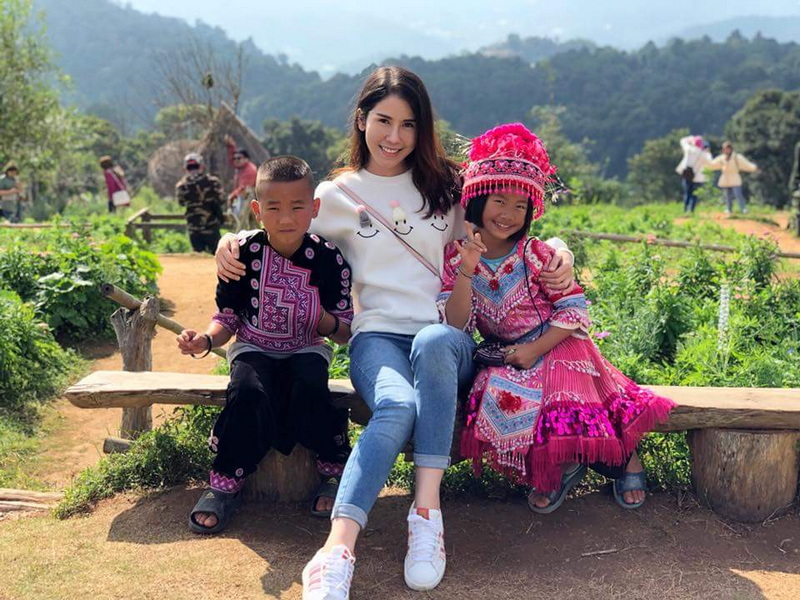
The appeal of these hidden villages lies in their preservation of rural culture, untouched by rapid urbanization. Travelers can observe daily routines such as farming, cooking, and traditional ceremonies, gaining insight into the local way of life. These villages are ideal for those who appreciate slow travel and cultural immersion, away from crowded tourist hotspots.
Exploring the region on your own can be challenging due to limited public transport and the dispersed nature of the villages. This is where private car and driver services become invaluable, providing not only convenience but also local knowledge that enhances the experience. Drivers familiar with the area can suggest authentic stops and ensure smooth travel on narrow mountain roads.
Experiencing Coffee Farm Tours Chiangmai
The hills around Pang Hi Village are home to several coffee farms that welcome visitors interested in learning about the region’s specialty coffee production. These coffee farm tours offer an educational glimpse into the cultivation, harvesting, and processing methods used by local farmers. Many farms focus on sustainable and organic practices, contributing to the growing reputation of Chiang Mai coffee on the global stage.
During a typical tour, guests can walk through coffee plantations, observe the ripening cherries, and participate in demonstrations of drying and roasting techniques. Some farms also provide tasting sessions, allowing visitors to savor freshly brewed coffee made from beans grown on-site. This hands-on approach deepens appreciation for the craftsmanship behind each cup.
Coffee farm tours near Pang Hi Village complement the cultural experience of the hidden villages, blending nature, agriculture, and local livelihoods. These tours are usually accessible by private transport, as farm locations tend to be scattered and off the main roads. Booking a coffee farm tour combined with private car and driver services ensures a seamless day trip with personalized timing and comfort.
Advantages of Private Car And Driver Chiang Mai for Village Exploration
Traveling to hidden villages near Chiang Mai like Pang Hi Village requires reliable transportation due to limited public transit options and challenging road conditions. Hiring a private car and driver is the most practical solution, offering flexibility to tailor your itinerary according to your interests and pace. This mode of travel also enhances safety and convenience, especially on rural mountain roads that can be narrow or steep.
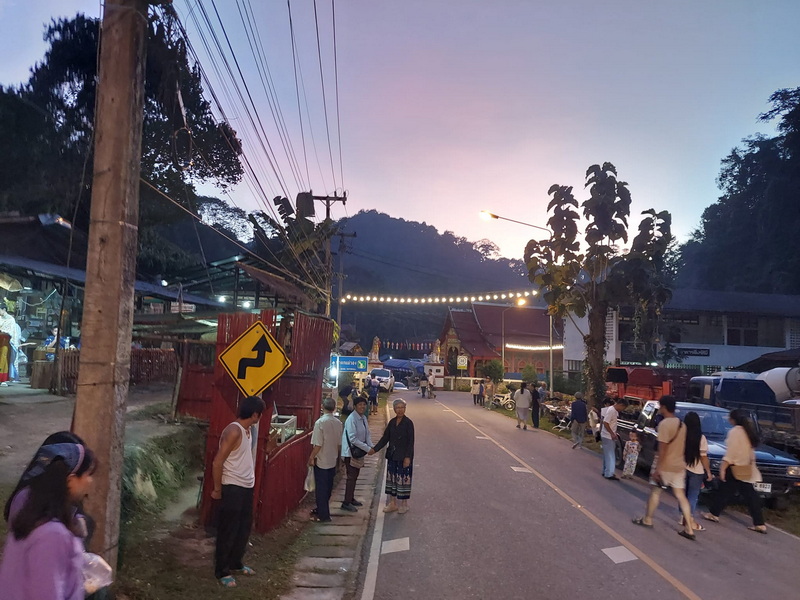
Private drivers often bring valuable local insights, suggesting lesser-known sites, authentic eateries, and cultural experiences that might not be easily discovered otherwise. They can also help overcome language barriers, facilitating smoother communication with villagers and tour operators. This personalized service transforms a simple trip into a richer, more informed adventure.
Moreover, private car services allow travelers to combine visits to multiple attractions in one day, such as pairing a morning coffee farm tour with an afternoon village walk. This efficiency is especially beneficial for independent travelers who prefer a well-organized yet flexible schedule without the constraints of group tours or public transport timetables.
Practical Tips for Arranging Private Car And Driver Services
When planning your visit to Pang Hi Village and surrounding hidden villages, arranging private car and driver services in advance is highly recommended. This ensures availability and allows you to communicate your specific itinerary and preferences clearly. Many local providers offer half-day or full-day options tailored to village exploration and coffee farm tours.
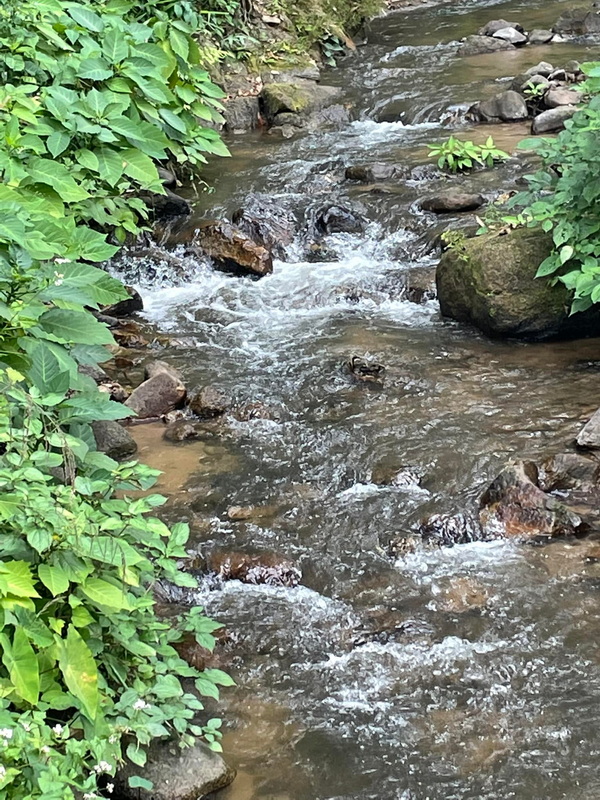
It is advisable to choose companies or drivers with good reputations and positive reviews, focusing on those who demonstrate knowledge of the Doi Saket area. Confirming details such as vehicle type, driver language skills, and flexibility for stops can enhance your overall experience.
While exact pricing can vary, clarifying costs upfront and understanding what is included—such as fuel, tolls, or waiting time—helps avoid misunderstandings. Some providers also offer combined packages that include guided coffee farm tours or other attractions, which can be convenient for travelers seeking a comprehensive day trip.
Finally, communicate your interests and any mobility considerations to ensure the driver can plan routes that suit your needs, including visits to nearby attractions or scenic viewpoints.
Nearby Attractions
Kingkong Smile Zipline
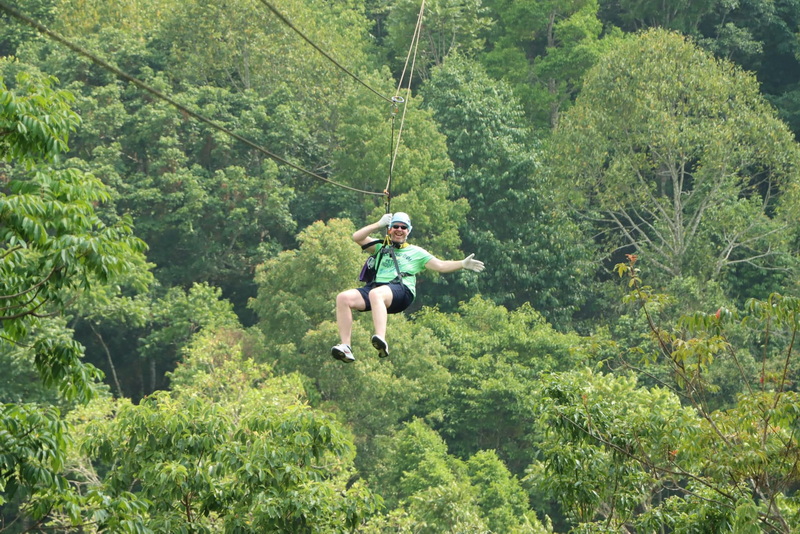
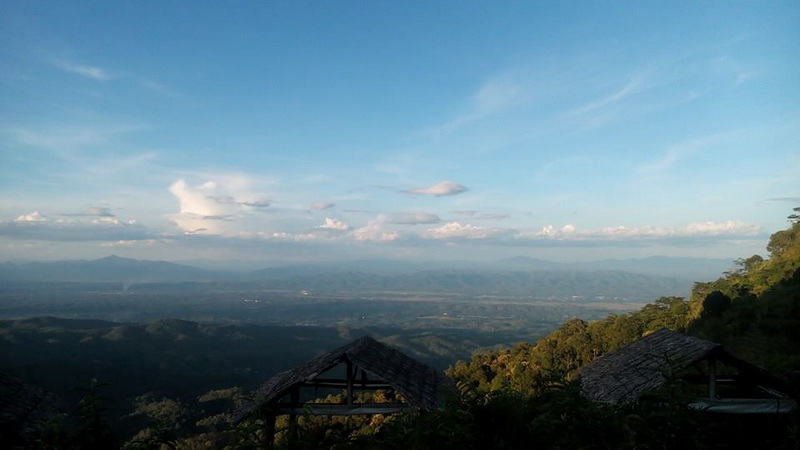
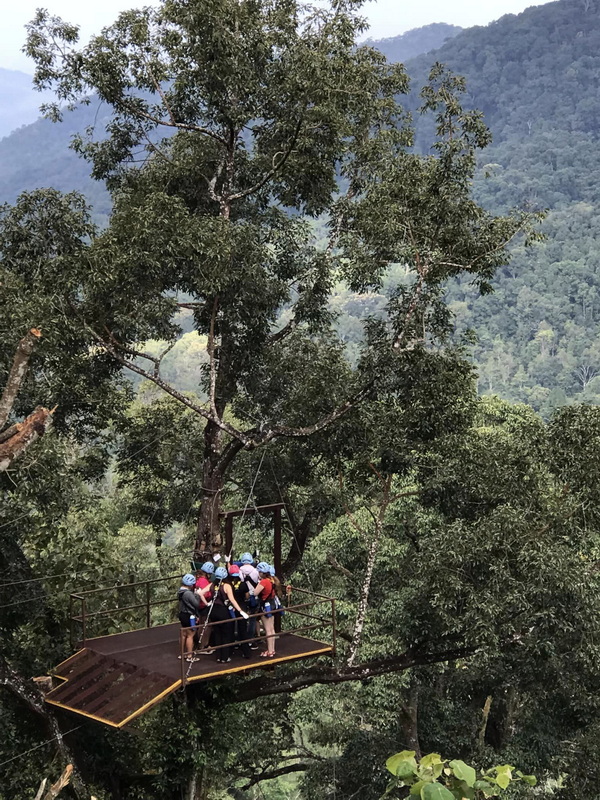
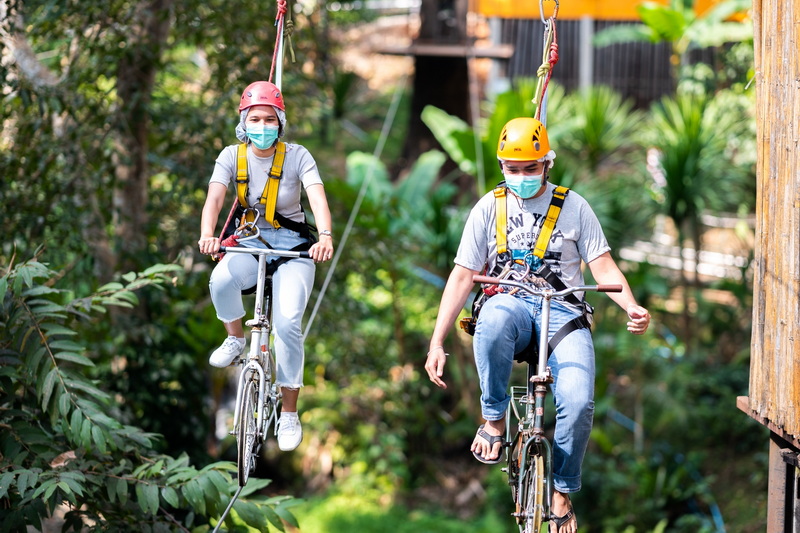
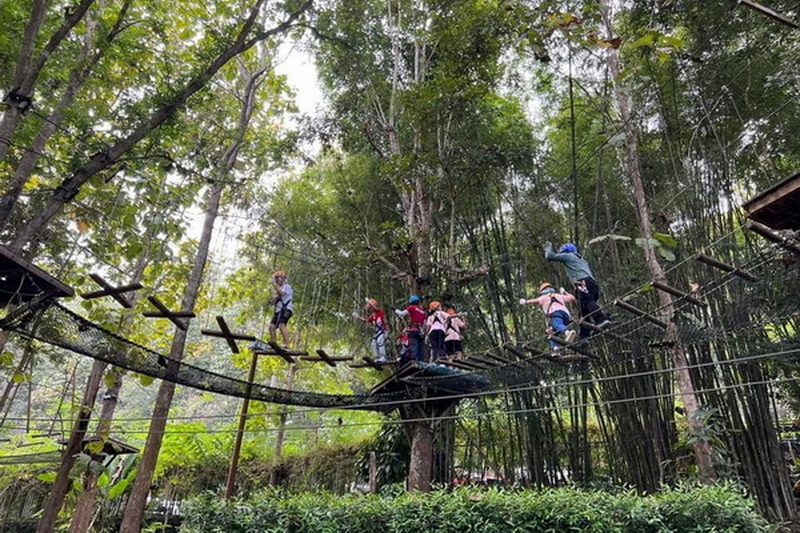
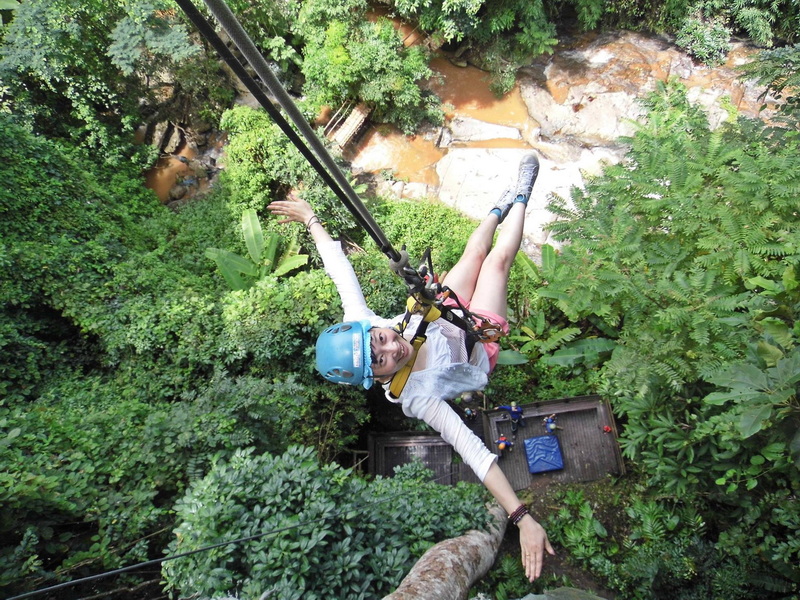
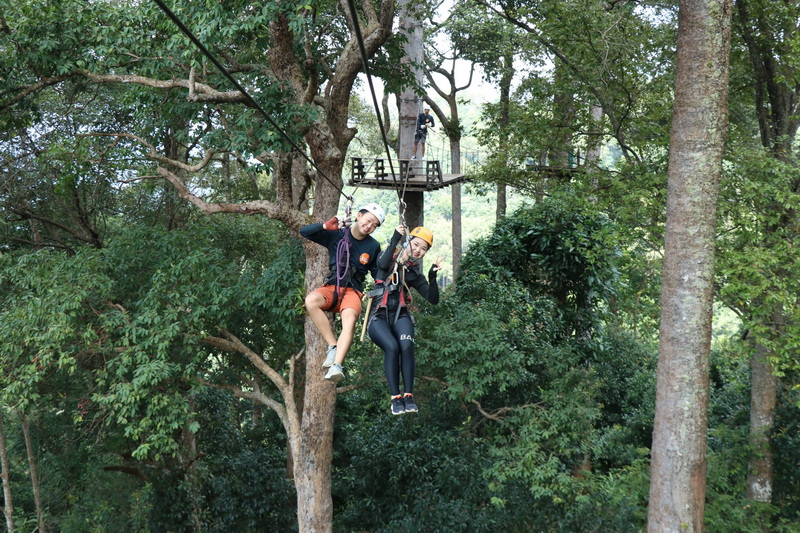
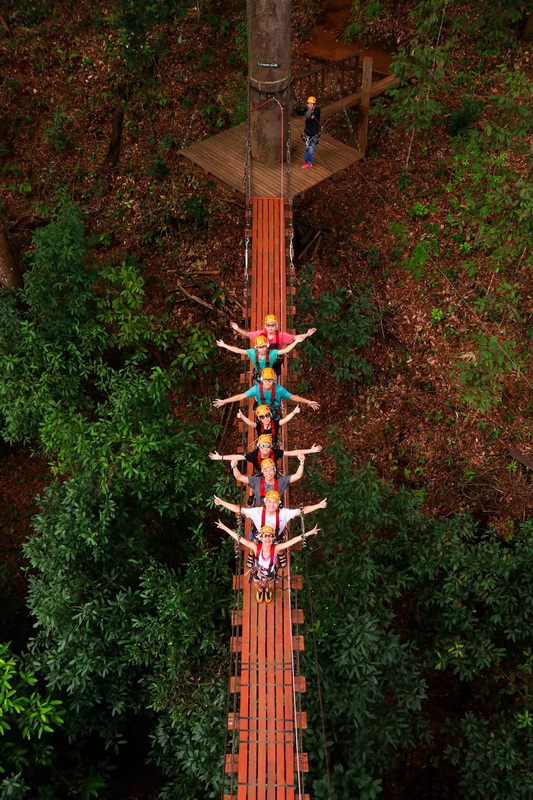
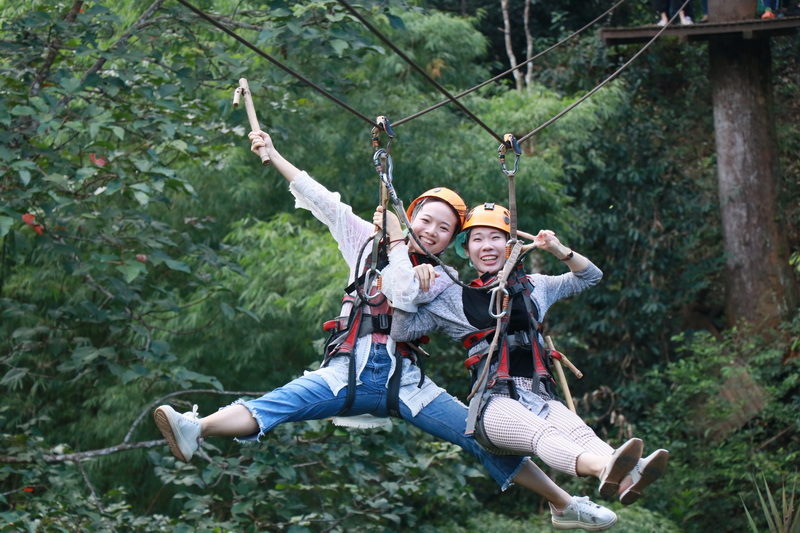
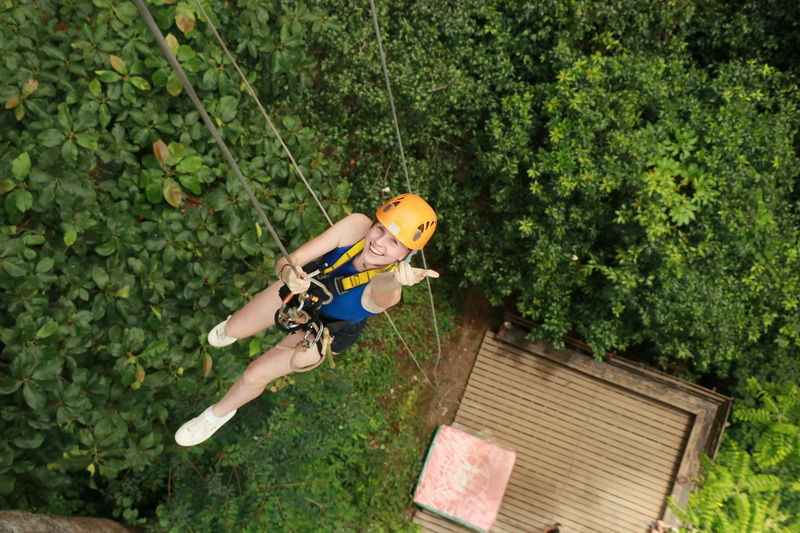
Kingkong Smile Zipline is an adventurous attraction near Pang Hi Village that offers thrilling canopy tours through lush jungle landscapes. Visitors can experience the exhilaration of ziplining over treetops while enjoying panoramic views of the surrounding mountains. This attraction combines excitement with nature immersion, making it a popular complement to cultural visits in the area.
For travelers focused on hidden villages and coffee farm tours, Kingkong Smile Zipline provides a contrasting experience of active outdoor recreation. It is accessible by private car, allowing easy integration into a day’s itinerary for those seeking variety in their exploration of Doi Saket District.
Mae Kampong Village
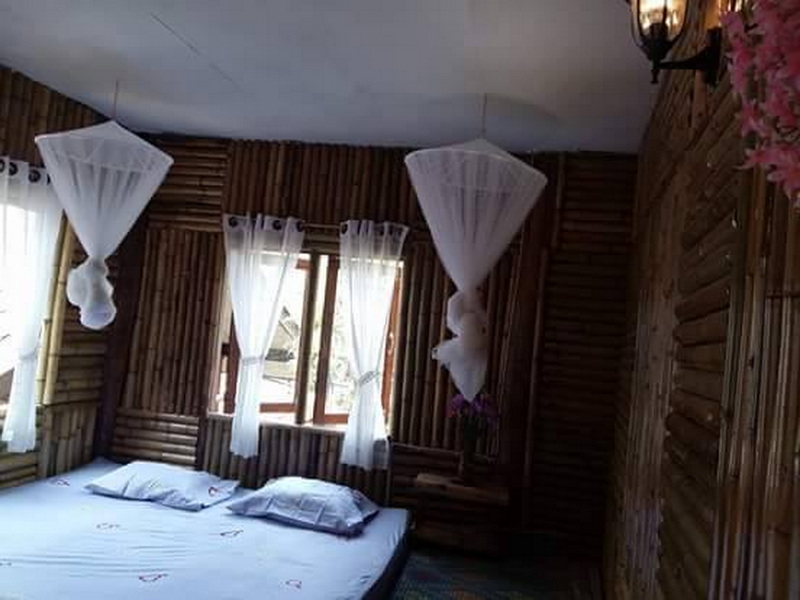
Mae Kampong Village, located near Pang Hi Village, is another charming mountain village known for its cool climate, traditional wooden houses, and welcoming community. The village offers a peaceful retreat with opportunities to explore local tea and coffee plantations, waterfalls, and walking trails.
Visitors to Mae Kampong can enjoy cultural experiences similar to those found in Pang Hi, including local crafts and homestays. Its proximity makes it an excellent addition to a private car and driver itinerary, allowing travelers to visit multiple hidden villages in one trip while savoring the natural beauty and tranquility of northern Thailand.
Why This Place Stays With You
Exploring Pang Hi Village and the hidden villages near Chiang Mai offers an enriching experience for travelers seeking authenticity and tranquility away from crowded tourist spots. Combining village visits with engaging coffee farm tours adds depth to this cultural journey, while private car and driver services provide the flexibility and comfort needed to navigate the region’s rural roads with ease. Thoughtful planning and local knowledge can transform your trip into a seamless adventure, opening doors to the genuine heart of northern Thailand’s mountain communities.

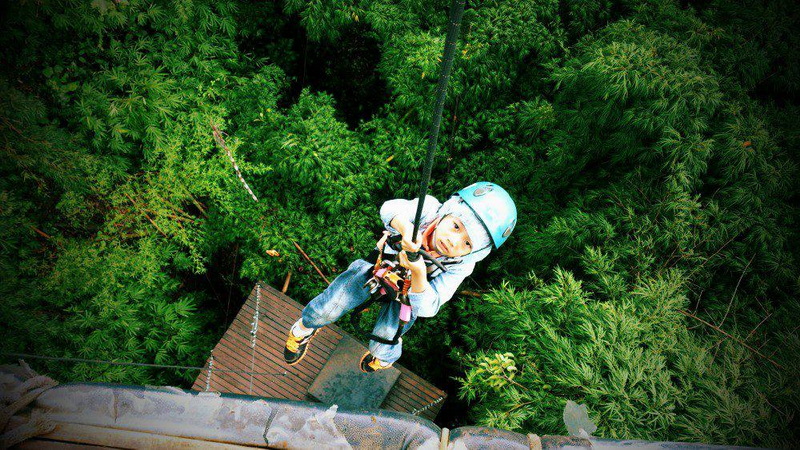
.jpg "Tree Platform Adventure at Pong Yang Zipline")