Monday, November 2, 2026

Wat Chalermprakiat A Practical Guide to a Remarkable Lampang Temple

Wat Chalermprakiat A Practical Guide to a Remarkable Lampang Temple

Plan a culturally respectful Lampang excursion while fitting one of Northern Thailand’s distinctive temples into a Chiang Mai holiday
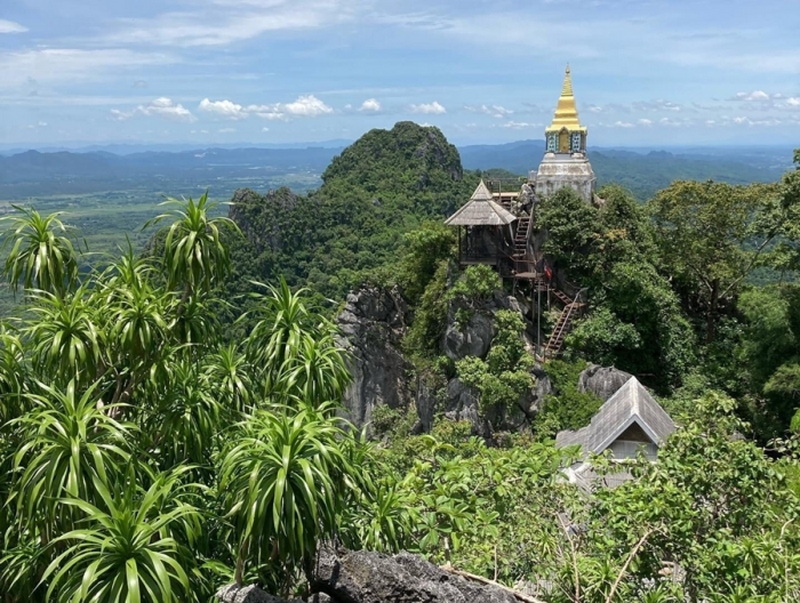
Travel photograph selected for Wat Chalermprakiat destination guide.

Wat Chalermprakiat, formally known as Wat Chaloem Phra Kiat Phrachomklao Rachanusorn, is a temple complex in Chae Hom District, Lampang. It is widely recognized for its white chedis positioned across high limestone outcrops, creating a striking relationship between religious architecture and the surrounding mountain landscape. The setting is memorable, but a visit is best understood as more than a scenic stop: it is also an opportunity to approach a living place of worship with patience and respect. For travelers comparing the Best Temples In Northern Thailand, this destination offers a different experience from the large, urban temples of Chiang Mai. Its appeal comes from the combination of a hilltop religious site, a rural journey, and the visual rhythm of small structures spread above the forested terrain. Because Lampang is separate from Chiang Mai, the temple deserves to be considered as part of a broader route rather than treated as a quick city attraction. A Chiang Mai Vacation Package may provide a convenient starting point for exploring the region, but travelers should examine what transport and free time are actually included before committing to a plan. This guide uses a budget-conscious perspective to explain how to think about the temple, what to expect from the visit, and how Horse Carriage in Lampang and Chae Son National Park can complement the same northern itinerary.

Why This Temple Stands Out in Northern Thailand

Wat Chaloem Phra Kiat is notable for the way its religious buildings occupy a dramatic mountain setting. The complex is associated with a forested limestone landscape, while the elevated chedis are arranged on rocky summits above the main temple area. From suitable viewpoints, the white structures appear to continue along the ridgeline, giving the site a distinctive profile without relying on elaborate urban ornament.

The formal name, Wat Chaloem Phra Kiat Phrachomklao Rachanusorn, reflects a royal commemorative connection. The temple was developed in honor of King Mongkut, also known as Rama IV, and its name refers to the commemoration of his royal legacy. Visitors do not need to memorize every historical detail to appreciate the place, but understanding that the site has commemorative and religious meaning helps frame the visit beyond photography.

The landscape should not overshadow the temple’s spiritual function. Monks, worshippers, and local visitors may use the grounds for prayer, offerings, or quiet reflection. A respectful traveler keeps voices moderate, follows signs and staff guidance, dresses appropriately, and asks permission before photographing people. Shoes may need to be removed in designated buildings, and visitors should avoid climbing, touching religious objects, or treating worship as a performance.

Building the Excursion Around Time and Energy

The first planning question is not simply how to reach Wat Chaloemprakiat Lampang, but how much of the day can be devoted to the journey. The temple is in Chae Hom District, outside Lampang’s central area, so an itinerary that begins in Chiang Mai requires realistic consideration of road time, traffic, meal breaks, and the return journey. A traveler who tries to combine too many distant stops may spend more time in transit than experiencing the places themselves.

A practical approach is to place the temple within a Lampang-focused day or an overnight route, depending on the wider holiday plan. Confirm current access arrangements, transportation between the lower area and the upper temple zone, walking requirements, and any visitor guidance before setting out. Such details can change, and official or local sources are more reliable than assuming that an older travel post reflects current conditions.
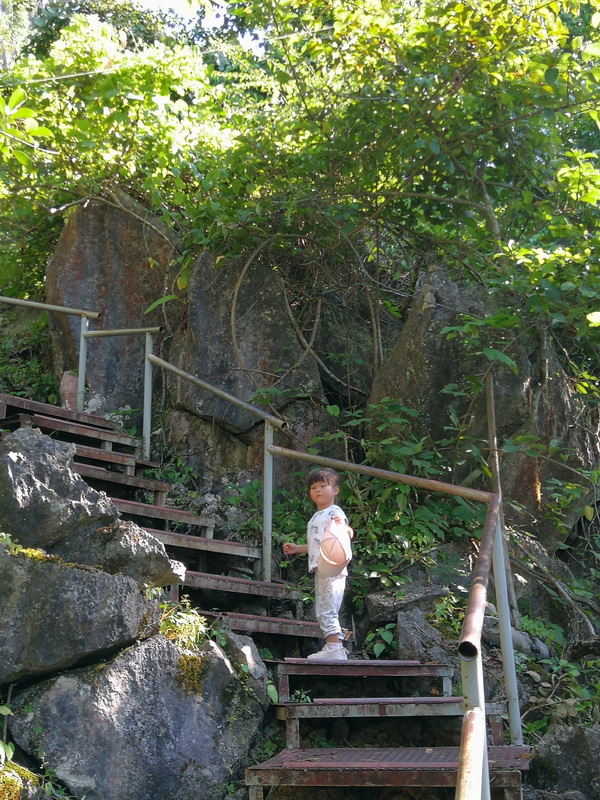
Travel photograph selected for Wat Chalermprakiat destination guide, Wat Chalermprakiat main article view 2 2

For travelers comparing a Chiang Mai Vacation Package with independent arrangements, the important comparison is the balance of convenience and flexibility. A package may simplify transport planning and connect the temple with other regional experiences. Independent travelers may prefer control over departure times and stop duration, but should account for transfers, navigation, and the possibility that public transport connections are limited in rural areas. The right choice depends on group size, mobility, comfort with changing plans, and the value placed on unhurried travel.

Budget planning also benefits from separating fixed costs from optional spending. Transport, entrance-related costs if applicable, meals, and local transfers should be considered before adding souvenirs or extra activities. Exact prices and operating arrangements should be checked close to the travel date rather than assumed. Carrying water, sun protection, modest clothing, and footwear suitable for uneven paths can prevent small inconveniences from becoming unnecessary expenses.

What to Notice Once You Arrive

The visit has several layers. At the lower temple area, travelers can pause to observe the architectural details and the relationship between the buildings and the surrounding vegetation. The ascent toward the elevated structures is part of the experience, although the amount of walking and the physical effort required may vary according to the access system in operation. Visitors with mobility concerns should seek current local advice before assuming that every viewpoint will be accessible.

At higher viewpoints, the visual emphasis shifts from individual buildings to the wider terrain. Forested slopes, exposed rock, and distant valleys help explain why the temple has become associated with a mountain panorama. Early or late light can change the appearance of the landscape, but travelers should not let the search for a perfect photograph interfere with other visitors’ worship or with safety rules near steep ground.

Photography is appropriate in many outdoor areas when conducted thoughtfully. It is better to frame architecture and landscape than to photograph worshippers during private acts of devotion. In interior spaces, look for signs indicating whether cameras are allowed. Avoid flash where it may disturb people or damage sensitive objects, and do not use drones unless all relevant permissions have been secured. These simple choices allow visitors to document the journey without reducing the temple to a backdrop.

The name appears in several forms in travel searches, including Chaloem Phra Kiat Temple, Chaloemprakiat Temple, and Chaloem Phra Kiat Temple Lampang. Recognizing these variations can make route research easier, especially when comparing maps, local references, and package descriptions. However, travelers should verify that a listing refers to the temple in Chae Hom District rather than another place with a similar name.
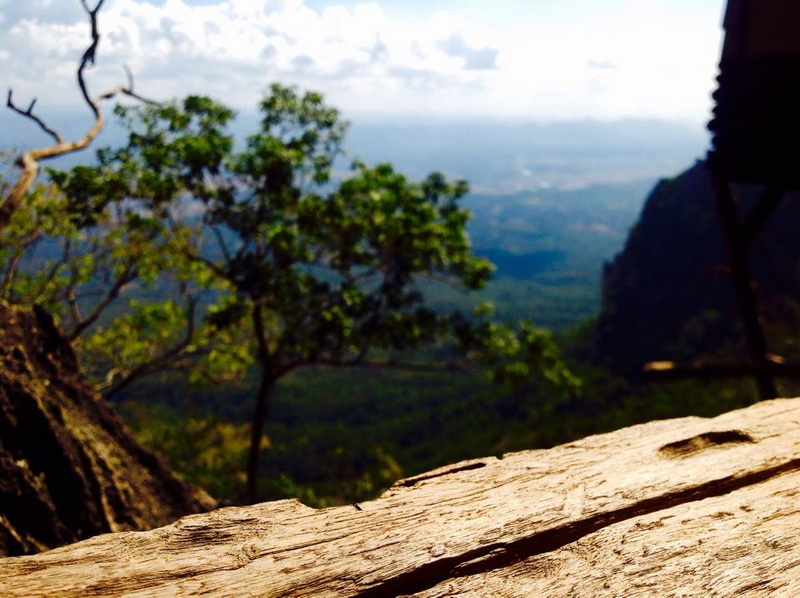
Travel photograph selected for Wat Chalermprakiat destination guide, Wat Chalermprakiat main article view 3 2

Pairing Heritage With a Broader Lampang Route

A temple visit can be more rewarding when it is given context within Lampang rather than treated as an isolated viewpoint. The province is associated with older urban neighborhoods, traditional craft traditions, and a slower travel rhythm than Thailand’s largest tourism centers. Combining a sacred site with a cultural or nature-based stop encourages a more balanced itinerary and reduces pressure to rush through the temple grounds.
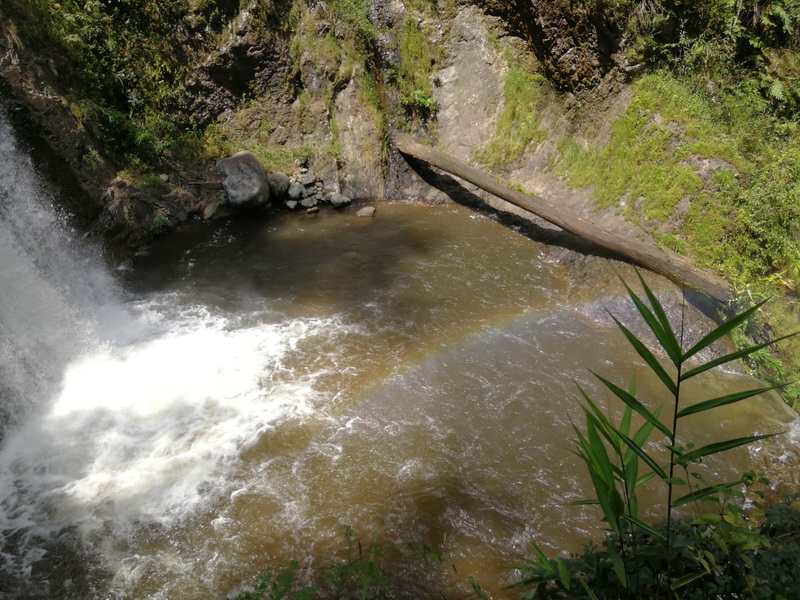
Travel photograph selected for Lampang destination guide.

Travelers should nevertheless distinguish between a nearby attraction and a convenient attraction. Distances in northern Thailand can look modest on a map while roads, weather, and transfer arrangements affect the actual day. Before adding another stop, check whether its location fits the route and whether enough time remains for rest. A simple plan with two meaningful experiences may be more comfortable than a crowded list of destinations.

For travelers using a Chiang Mai-based holiday as their regional framework, Lampang can function as a separate excursion or as one stage in a wider northern journey. Package descriptions should be read carefully for wording about travel time, entrance arrangements, meals, and time spent at each location. If those details are unclear, ask before booking. This is particularly useful for visitors who want cultural depth rather than a brief photo stop.

Small Choices That Improve the Visit

Responsible travel at Wat Chaloem Phra Kiat begins with recognizing that the temple is a functioning religious site. Wear clothing that covers shoulders and knees where appropriate, remove hats or shoes when requested, and keep public behavior calm. Do not block paths for photographs, enter restricted areas, or leave offerings without understanding local practice. If a ceremony is taking place, observe from an unobtrusive position and follow the behavior of worshippers or temple staff.

The terrain also calls for practical caution. Sun, heat, uneven surfaces, and stairs can affect energy levels, while rain may make paths slippery. Comfortable footwear, drinking water, sun protection, and a modest pace are useful preparations. Travelers should avoid assuming that every facility or transport service operates exactly as it did on a previous visit. Checking current conditions locally is part of responsible planning.

A thoughtful budget includes time as well as money. Allowing flexibility can make it easier to pause, learn, and respond to weather or access changes. It also supports local businesses when travelers choose meals, transport, or small purchases from local providers without treating the community as a staged attraction. The goal is not to maximize the number of stops, but to leave with a clearer understanding of the temple and its regional setting.

Nearby Attractions

Horse Carriage in Lampang
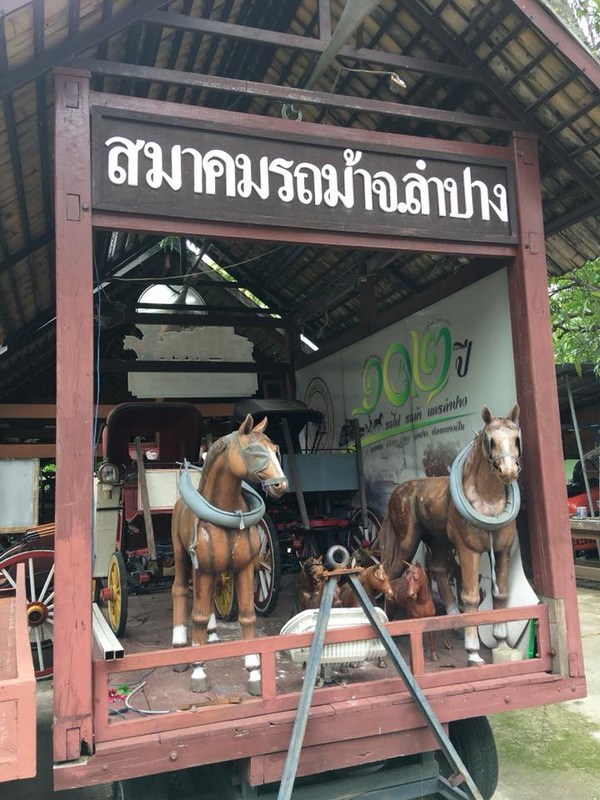
Travel photograph selected for Horse Carriage in Lampang destination guide.

Horse Carriage in Lampang is closely associated with the city’s traditional public image and offers a slower way to view selected urban areas. A ride can complement the mountain setting of Wat Chaloem Phra Kiat by shifting attention from rural religious architecture to Lampang’s streets, buildings, and everyday atmosphere. Travelers should confirm current routes, availability, welfare standards, and pricing locally, since services and operating conditions can change.

The experience is best approached as a local transport tradition rather than a guaranteed sightseeing circuit. Be considerate when stopping for photographs, follow the driver’s instructions, and avoid pressuring animals or operators for unsafe behavior. If adding the ride to a temple excursion, allow enough time for transfers and rest instead of assuming that every activity can fit into one tightly timed day.

Chae Son National Park
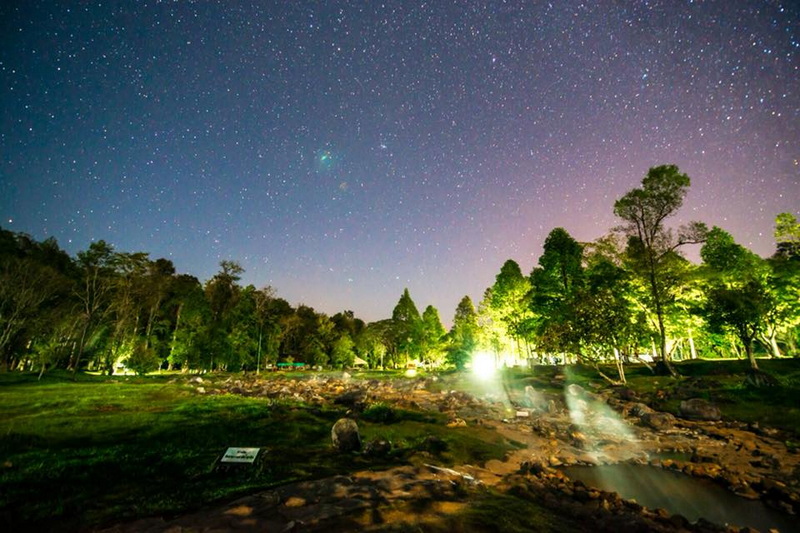
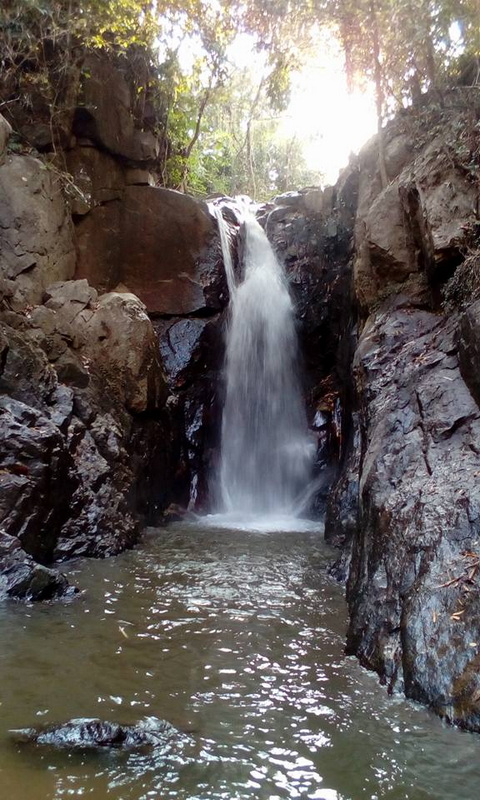
Travel photograph selected for Chae Son National Park destination guide.

Chae Son National Park provides a nature-focused counterpart to the cultural character of Wat Chaloem Phra Kiat. The park is known for forest scenery, streams, waterfalls, and geothermal features, although the experience can vary with weather, seasonal conditions, and current local guidance. Its appeal lies in spending time outdoors and observing the landscape at a measured pace rather than rushing between viewpoints.

Because both the temple and the park are connected with the broader Chae Hom and Lampang region, some travelers may consider them in the same multi-stop plan. Check road conditions, available facilities, walking distances, and any park notices before departure. Give particular attention to heat, rain, and slippery ground, and follow rules concerning waste, water features, wildlife, and restricted areas. A respectful nature visit strengthens the cultural itinerary without competing with the temple’s purpose.

Why This Place Stays With You

Wat Chalermprakiat rewards travelers who plan for context rather than speed. Its formal name, Wat Chaloem Phra Kiat Phrachomklao Rachanusorn, points to commemorative history, while its mountain setting explains its visual appeal. Build the visit around realistic travel time, respectful conduct, and current local information. Pairing it with Horse Carriage in Lampang or Chae Son National Park can broaden the day, provided the route remains manageable. Whether arranged independently or through a Chiang Mai Vacation Package, the most meaningful itinerary leaves room to notice the landscape, honor the sacred setting, and travel at a considerate pace.

Sunday, November 1, 2026

Singha Park Thailand One Day Planning Guide for Chiang Rai

Singha Park Thailand One Day Planning Guide for Chiang Rai

A practical route for landscapes, local context, nearby temples, and a manageable Chiang Rai day visit

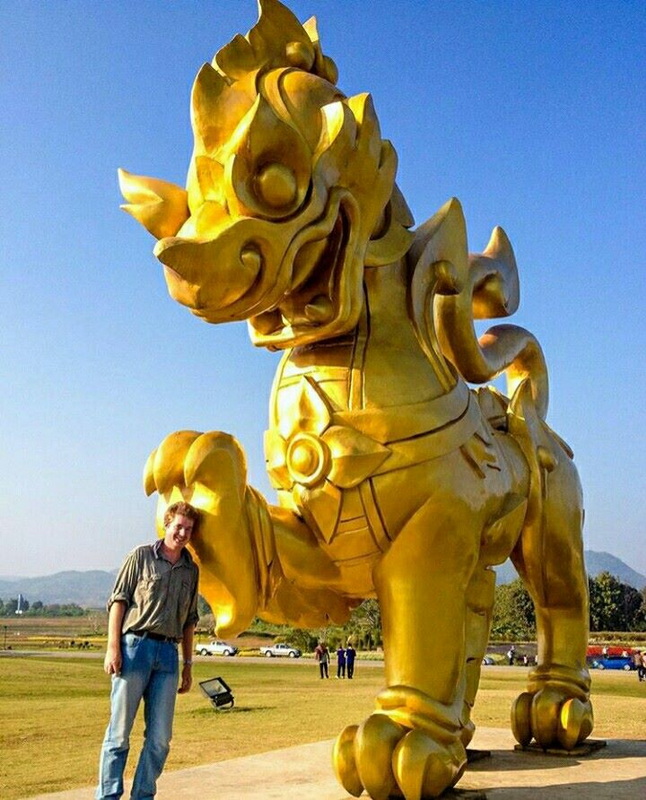
Travel photograph selected for Singha Park destination guide.

Singha Park is a useful stop for travelers who want to see a greener, more open side of Chiang Rai. Located in Mueang Chiang Rai District, the large agricultural and recreational area is experienced less like a compact monument and more like a landscape to explore at a relaxed pace. Tea-growing areas, cultivated fields, broad views, and seasonal displays shape the visit, while the scale of the grounds means that planning how to move between points is worthwhile. For a first-time visitor, the main question is not simply whether to Visit Singha Park, but how to fit it into a realistic day. A morning or afternoon here can work well alongside a temple or nature stop, although each addition increases travel time. This guide uses a planning-first approach to explain what to expect, how to organize a One Day Tour Chiang Rai itinerary, and which practical details deserve attention before departure. The aim is a useful Chiang Rai Thailand Visitor Guide rather than a promise of a fixed experience. Opening arrangements, seasonal scenery, activities, and transport options can change, so visitors should confirm current information through official sources or their chosen transport provider before setting out.

What a Visit to Singha Park Feels Like

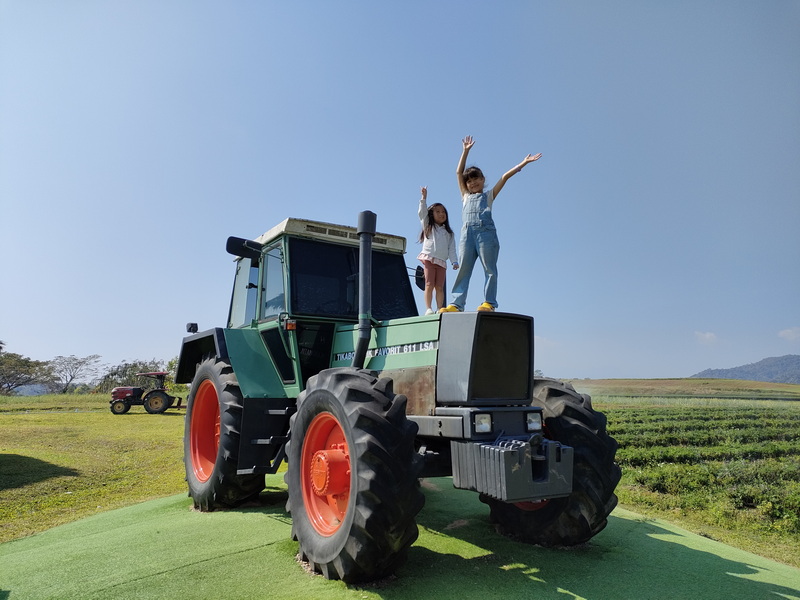
Singha Park Chiang Rai is an agricultural landscape as much as a sightseeing location. Visitors may encounter tea plantations, lawns, planted areas, small water features, and views across the surrounding countryside. The setting encourages looking outward and moving between different parts of the property rather than concentrating on one enclosed building. Depending on the season, the colors and appearance of the fields may vary, so the visual experience is connected to farming cycles and weather. Travelers researching Singha Park Thailand can use these details when planning the trip.

The park is associated with agro-tourism, which gives the visit a different character from a conventional city attraction. Tea cultivation and other agricultural features provide a chance to notice how land is managed for both production and public access. Travelers should treat cultivated areas as working spaces: remain on marked routes, avoid picking plants, and follow instructions around farm areas. This respectful approach helps protect local practices and keeps the visit comfortable for workers and other guests.

Because the grounds are extensive, comfortable footwear, sun protection, drinking water, and a little flexibility are sensible. Some travelers may prefer a brief scenic visit, while others may spend longer photographing the landscape or exploring available visitor areas. Outdoor conditions can be warm, and rain can alter the ease of moving around. A slower pace is usually more practical than trying to cover every visible point.

Building a One Day Tour Chiang Rai Itinerary

A useful One Day Tour Chiang Rai plan begins by choosing one main focus. If Singha Park is the priority, allow enough time to experience the landscape without treating it as a rushed photo stop. Starting earlier can leave more room for outdoor movement and for a second attraction later in the day, but the right departure time depends on where the journey begins and what transport is available.

Travel photograph selected for Chiang Rai Tour Packages destination guide.

Travelers coming from Chiang Mai should be especially realistic about distance. A Chiang Mai to Chiang Rai day trip can involve several hours on the road in total, depending on traffic, route, and stops. Singha Park may be included in a broader Chiang Rai day trip from Chiang Mai, but adding too many attractions can turn the itinerary into a sequence of brief visits. A plan with one principal stop and one carefully chosen complement is often easier to enjoy than a crowded list.

Before departure, check the exact meeting point, road conditions, current opening information, and whether transport includes movement within large attraction grounds. Independent visitors should also consider how they will return to their accommodation after the last stop. Those using a Chiang Rai tour should ask whether the schedule allows meaningful time at Singha Park or only a short scheduled pause. Clear expectations are more valuable than selecting an itinerary based only on the number of places listed.

Travel photograph selected for Singha Park destination guide, Singha Park main article view 2 2

A simple structure might place Singha Park in the morning, followed by lunch and a nearby cultural or natural attraction, or reverse the order according to the day’s route. Keep an allowance for traffic and weather, particularly during periods of heavy rain. If the landscape is the main reason for visiting, avoid filling every spare minute with travel. The agricultural setting is best appreciated when the schedule leaves room to pause.

Transport, Timing, and Visitor Comfort

There is no single best way to reach Singha Park for every traveler. A private vehicle or hired driver can make it easier to combine the park with other stops, while an organized excursion may reduce the need to navigate unfamiliar roads. Travelers arranging their own transport should confirm the return plan in advance rather than assuming that a convenient ride will be available at any time. Those joining a group should ask about pickup areas, the length of the stop, and whether the itinerary changes seasonally.

The park’s outdoor character makes timing important. Midday light can be strong, and walking between open areas may feel more demanding than expected. Lightweight clothing, a hat, sunscreen, and water can improve comfort. Rain protection is also useful during wetter months. Visitors with mobility limitations or young children should ask current staff about accessible routes and transport arrangements because conditions may differ between areas of the grounds.

Photography is a natural part of the experience, but it should not override safety or respect for agricultural work. Stay away from restricted fields, do not block paths, and seek permission before photographing workers at close range. If animals or farm operations are visible, observe quietly and avoid feeding or touching them unless clearly permitted. Responsible behavior matters in a place where tourism and cultivation share the same environment.

Food and drink planning should be handled according to current visitor facilities rather than assumptions. Checking what is open on the intended date helps prevent unnecessary detours. It is also sensible to carry reusable water containers where practical and dispose of waste properly. Small decisions such as these reduce pressure on the landscape and make the visit more considerate.

Pairing the Park with the Wider Chiang Rai Area

Singha Park can serve as one part of a wider Chiang Rai route, but the best pairing depends on the traveler’s interest. A nature-oriented plan may combine the open agricultural scenery with time in a forested or riverside environment. A culture-focused plan may choose a major temple or museum instead. The important planning principle is geographic and practical balance: select a companion stop that can be reached without making the day feel like continuous transit.

Travel photograph selected for Singha Park destination guide, Singha Park main article view 3 2

For travelers using a Chiang Rai Thailand Visitor Guide to plan independently, mapping the order of stops before departure is helpful. Roads, traffic, meal breaks, and photo pauses all take time. It is also worth remembering that attraction names can appear in different English spellings, so checking the location on a current map prevents confusion. Keep the day adaptable rather than relying on an exact minute-by-minute schedule.

The surrounding province has a strong connection between landscape, farming, religion, and local communities. Visitors can appreciate that connection without treating rural life as a backdrop created solely for tourism. Buying from legitimate local vendors, following site rules, and learning a little about the area’s agricultural context are modest ways to travel more responsibly. A thoughtful itinerary leaves space to notice these relationships rather than moving quickly from one landmark to another.

A Final Planning Checklist

Before leaving, confirm the park’s current visitor information, weather conditions, transport arrangements, and the time available for each stop. Decide whether the visit is mainly for scenery, agriculture, photography, or a combination of these. That choice will help determine how long to stay and whether a second attraction belongs in the same day.

Pack for an outdoor setting: comfortable shoes, sun protection, water, rainwear when appropriate, and any medication needed during a long road journey. Keep cashless and cash payment expectations in mind only after checking current local arrangements, and do not rely on unverified assumptions about facilities. If traveling with children or older companions, build in rest periods and avoid an itinerary that requires constant walking.

Most importantly, let conditions guide the pace. A cloudy afternoon, a wet path, or a delayed road journey may mean reducing the number of stops. Singha Park Chiangrai can still be worthwhile when approached as a landscape visit rather than a checklist item. Planning with time, weather, and local working spaces in mind gives first-time visitors a clearer and more comfortable experience.

Nearby Attractions

Wat Rong Khun

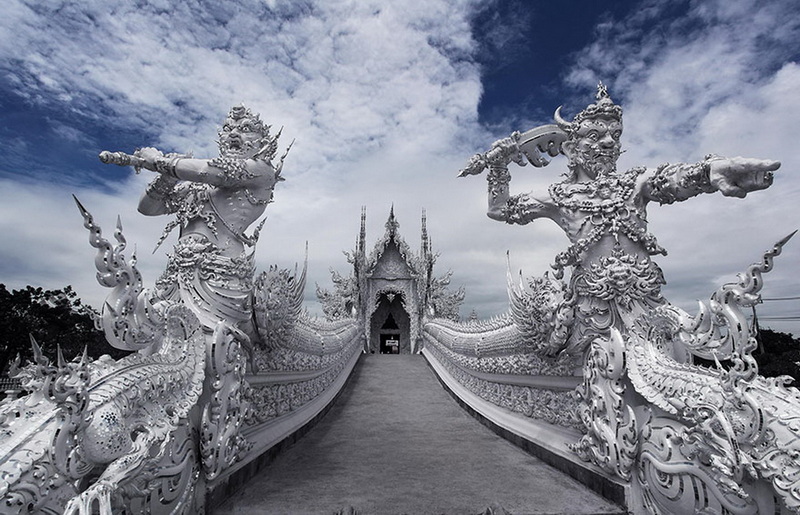
Travel photograph selected for Wat Rong Khun destination guide.

Wat Rong Khun, often called the White Temple, is a contemporary Buddhist temple complex known for its white exterior, detailed ornamentation, and symbolic visual elements. Its artistic presentation differs from the agricultural setting of Singha Park, making it a contrasting cultural stop on a Chiang Rai itinerary. Visitors should dress respectfully, follow photography rules, and remember that the complex remains a religious place as well as a major sightseeing destination.

Because the temple and park require travel between separate locations, check the route and allow time for traffic and a proper visit rather than treating Wat Rong Khun as an automatic quick stop. A calm schedule also gives travelers time to observe the artwork and surroundings without obstructing worshippers or other visitors.

Lam Nam Kok National Park

Travel photograph selected for Lam Nam Kok National Park destination guide.

Lam Nam Kok National Park represents a different side of Chiang Rai Province, with forested landscapes and natural areas associated with the Kok River region. Conditions can vary across the park, and outdoor activities may depend on weather, local guidance, and current site arrangements. Travelers should confirm which areas are accessible before building a detailed route around the national park.

The park can complement Singha Park for visitors interested in comparing cultivated scenery with a more natural environment. Carry water, follow marked routes and local instructions, and avoid disturbing plants or wildlife. Do not assume that every trail or facility is suitable for every ability level; responsible planning is especially important in outdoor areas where conditions can change.

Why This Place Stays With You

Singha Park works well in a Chiang Rai itinerary when visitors allow time for its scale, outdoor conditions, and agricultural character. Use it as the day’s main landscape experience, then add only a nearby stop that fits the route and your interests. Check current information before departure, prepare for sun or rain, and treat cultivated areas and local working spaces with care. With those simple decisions, a visit becomes more than a fast photo stop: it offers a grounded way to experience the countryside around Chiang Rai while keeping the day practical and flexible.