Singha Park Thailand One Day Planning Guide for Chiang Rai
A practical route for landscapes, local context, nearby temples, and a manageable Chiang Rai day visit
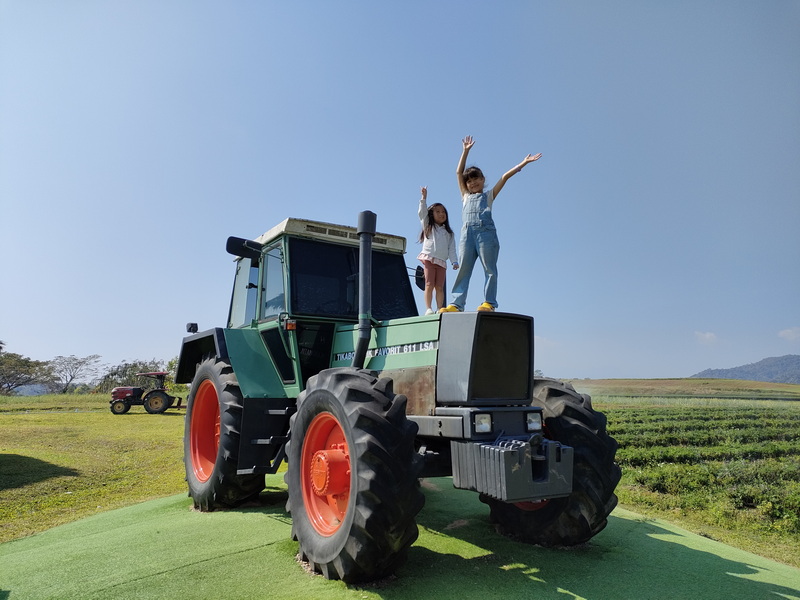
Singha Park is a useful stop for travelers who want to see a greener, more open side of Chiang Rai. Located in Mueang Chiang Rai District, the large agricultural and recreational area is experienced less like a compact monument and more like a landscape to explore at a relaxed pace. Tea-growing areas, cultivated fields, broad views, and seasonal displays shape the visit, while the scale of the grounds means that planning how to move between points is worthwhile. For a first-time visitor, the main question is not simply whether to Visit Singha Park, but how to fit it into a realistic day. A morning or afternoon here can work well alongside a temple or nature stop, although each addition increases travel time. This guide uses a planning-first approach to explain what to expect, how to organize a One Day Tour Chiang Rai itinerary, and which practical details deserve attention before departure. The aim is a useful Chiang Rai Thailand Visitor Guide rather than a promise of a fixed experience. Opening arrangements, seasonal scenery, activities, and transport options can change, so visitors should confirm current information through official sources or their chosen transport provider before setting out.
What a Visit to Singha Park Feels Like
Singha Park Chiang Rai is an agricultural landscape as much as a sightseeing location. Visitors may encounter tea plantations, lawns, planted areas, small water features, and views across the surrounding countryside. The setting encourages looking outward and moving between different parts of the property rather than concentrating on one enclosed building. Depending on the season, the colors and appearance of the fields may vary, so the visual experience is connected to farming cycles and weather. Travelers researching Singha Park Thailand can use these details when planning the trip.
The park is associated with agro-tourism, which gives the visit a different character from a conventional city attraction. Tea cultivation and other agricultural features provide a chance to notice how land is managed for both production and public access. Travelers should treat cultivated areas as working spaces: remain on marked routes, avoid picking plants, and follow instructions around farm areas. This respectful approach helps protect local practices and keeps the visit comfortable for workers and other guests.
Because the grounds are extensive, comfortable footwear, sun protection, drinking water, and a little flexibility are sensible. Some travelers may prefer a brief scenic visit, while others may spend longer photographing the landscape or exploring available visitor areas. Outdoor conditions can be warm, and rain can alter the ease of moving around. A slower pace is usually more practical than trying to cover every visible point.
Building a One Day Tour Chiang Rai Itinerary
A useful One Day Tour Chiang Rai plan begins by choosing one main focus. If Singha Park is the priority, allow enough time to experience the landscape without treating it as a rushed photo stop. Starting earlier can leave more room for outdoor movement and for a second attraction later in the day, but the right departure time depends on where the journey begins and what transport is available.

Travelers coming from Chiang Mai should be especially realistic about distance. A Chiang Mai to Chiang Rai day trip can involve several hours on the road in total, depending on traffic, route, and stops. Singha Park may be included in a broader Chiang Rai day trip from Chiang Mai, but adding too many attractions can turn the itinerary into a sequence of brief visits. A plan with one principal stop and one carefully chosen complement is often easier to enjoy than a crowded list.
Before departure, check the exact meeting point, road conditions, current opening information, and whether transport includes movement within large attraction grounds. Independent visitors should also consider how they will return to their accommodation after the last stop. Those using a Chiang Rai tour should ask whether the schedule allows meaningful time at Singha Park or only a short scheduled pause. Clear expectations are more valuable than selecting an itinerary based only on the number of places listed.

A simple structure might place Singha Park in the morning, followed by lunch and a nearby cultural or natural attraction, or reverse the order according to the day’s route. Keep an allowance for traffic and weather, particularly during periods of heavy rain. If the landscape is the main reason for visiting, avoid filling every spare minute with travel. The agricultural setting is best appreciated when the schedule leaves room to pause.
Transport, Timing, and Visitor Comfort
There is no single best way to reach Singha Park for every traveler. A private vehicle or hired driver can make it easier to combine the park with other stops, while an organized excursion may reduce the need to navigate unfamiliar roads. Travelers arranging their own transport should confirm the return plan in advance rather than assuming that a convenient ride will be available at any time. Those joining a group should ask about pickup areas, the length of the stop, and whether the itinerary changes seasonally.
The park’s outdoor character makes timing important. Midday light can be strong, and walking between open areas may feel more demanding than expected. Lightweight clothing, a hat, sunscreen, and water can improve comfort. Rain protection is also useful during wetter months. Visitors with mobility limitations or young children should ask current staff about accessible routes and transport arrangements because conditions may differ between areas of the grounds.
Photography is a natural part of the experience, but it should not override safety or respect for agricultural work. Stay away from restricted fields, do not block paths, and seek permission before photographing workers at close range. If animals or farm operations are visible, observe quietly and avoid feeding or touching them unless clearly permitted. Responsible behavior matters in a place where tourism and cultivation share the same environment.
Food and drink planning should be handled according to current visitor facilities rather than assumptions. Checking what is open on the intended date helps prevent unnecessary detours. It is also sensible to carry reusable water containers where practical and dispose of waste properly. Small decisions such as these reduce pressure on the landscape and make the visit more considerate.
Pairing the Park with the Wider Chiang Rai Area
Singha Park can serve as one part of a wider Chiang Rai route, but the best pairing depends on the traveler’s interest. A nature-oriented plan may combine the open agricultural scenery with time in a forested or riverside environment. A culture-focused plan may choose a major temple or museum instead. The important planning principle is geographic and practical balance: select a companion stop that can be reached without making the day feel like continuous transit.
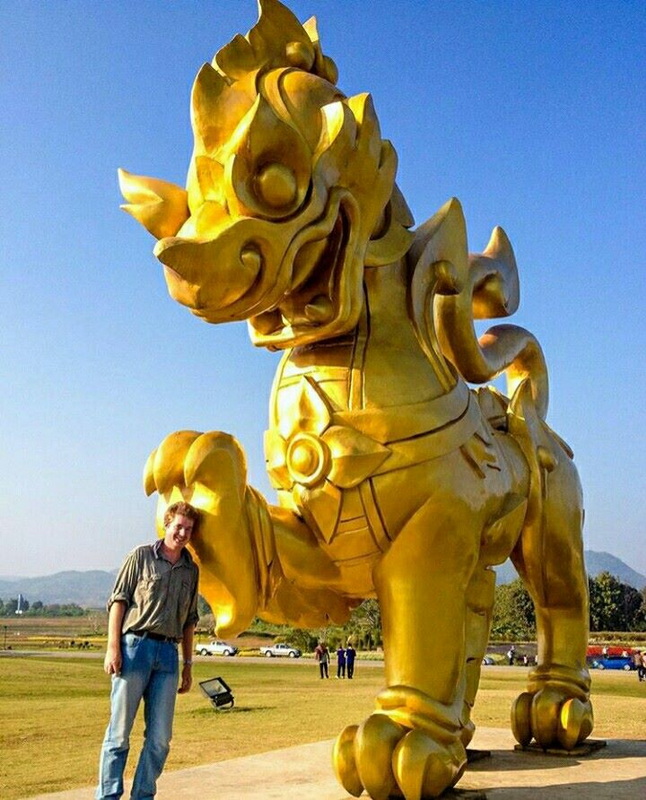
For travelers using a Chiang Rai Thailand Visitor Guide to plan independently, mapping the order of stops before departure is helpful. Roads, traffic, meal breaks, and photo pauses all take time. It is also worth remembering that attraction names can appear in different English spellings, so checking the location on a current map prevents confusion. Keep the day adaptable rather than relying on an exact minute-by-minute schedule.
The surrounding province has a strong connection between landscape, farming, religion, and local communities. Visitors can appreciate that connection without treating rural life as a backdrop created solely for tourism. Buying from legitimate local vendors, following site rules, and learning a little about the area’s agricultural context are modest ways to travel more responsibly. A thoughtful itinerary leaves space to notice these relationships rather than moving quickly from one landmark to another.
A Final Planning Checklist
Before leaving, confirm the park’s current visitor information, weather conditions, transport arrangements, and the time available for each stop. Decide whether the visit is mainly for scenery, agriculture, photography, or a combination of these. That choice will help determine how long to stay and whether a second attraction belongs in the same day.
Pack for an outdoor setting: comfortable shoes, sun protection, water, rainwear when appropriate, and any medication needed during a long road journey. Keep cashless and cash payment expectations in mind only after checking current local arrangements, and do not rely on unverified assumptions about facilities. If traveling with children or older companions, build in rest periods and avoid an itinerary that requires constant walking.
Most importantly, let conditions guide the pace. A cloudy afternoon, a wet path, or a delayed road journey may mean reducing the number of stops. Singha Park Chiangrai can still be worthwhile when approached as a landscape visit rather than a checklist item. Planning with time, weather, and local working spaces in mind gives first-time visitors a clearer and more comfortable experience.
Nearby Attractions
Wat Rong Khun
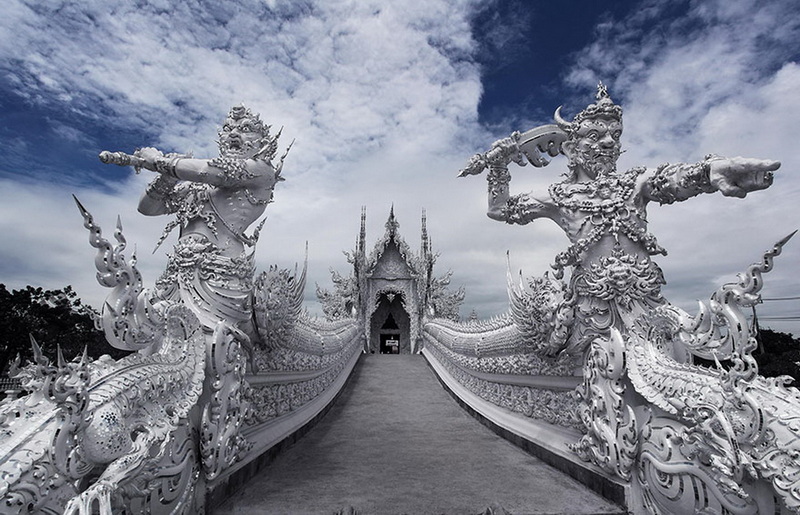
Wat Rong Khun, often called the White Temple, is a contemporary Buddhist temple complex known for its white exterior, detailed ornamentation, and symbolic visual elements. Its artistic presentation differs from the agricultural setting of Singha Park, making it a contrasting cultural stop on a Chiang Rai itinerary. Visitors should dress respectfully, follow photography rules, and remember that the complex remains a religious place as well as a major sightseeing destination.
Because the temple and park require travel between separate locations, check the route and allow time for traffic and a proper visit rather than treating Wat Rong Khun as an automatic quick stop. A calm schedule also gives travelers time to observe the artwork and surroundings without obstructing worshippers or other visitors.
Lam Nam Kok National Park
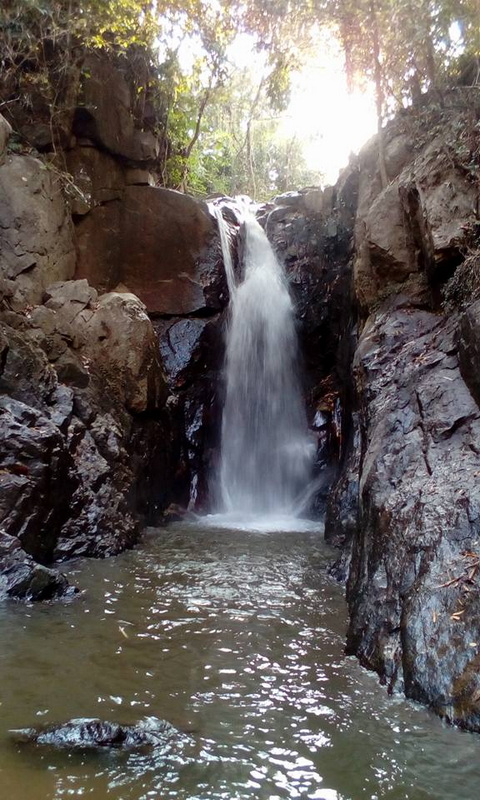
Lam Nam Kok National Park represents a different side of Chiang Rai Province, with forested landscapes and natural areas associated with the Kok River region. Conditions can vary across the park, and outdoor activities may depend on weather, local guidance, and current site arrangements. Travelers should confirm which areas are accessible before building a detailed route around the national park.
The park can complement Singha Park for visitors interested in comparing cultivated scenery with a more natural environment. Carry water, follow marked routes and local instructions, and avoid disturbing plants or wildlife. Do not assume that every trail or facility is suitable for every ability level; responsible planning is especially important in outdoor areas where conditions can change.
Why This Place Stays With You
Singha Park works well in a Chiang Rai itinerary when visitors allow time for its scale, outdoor conditions, and agricultural character. Use it as the day’s main landscape experience, then add only a nearby stop that fits the route and your interests. Check current information before departure, prepare for sun or rain, and treat cultivated areas and local working spaces with care. With those simple decisions, a visit becomes more than a fast photo stop: it offers a grounded way to experience the countryside around Chiang Rai while keeping the day practical and flexible.
