Wednesday, July 29, 2026

Exploring Hidden Caves and Natural Wonders Near Chiang Dao Cave

Exploring Hidden Caves and Natural Wonders Near Chiang Dao Cave

Discover lesser-known caves and trekking routes around Chiang Dao for a unique and tranquil adventure in Chiang Mai

Close-up of stalactites and stalagmites inside a limestone cave with mineral textures at Chiang Dao Cave.

Nestled in the mountains of northern Thailand, Chiang Dao Cave is a remarkable natural attraction that draws travelers seeking both spiritual reflection and geological wonder. Beyond the well-known chambers of this limestone cave system lies a network of hidden caves and pristine natural sites that few visitors explore. This guide invites curious travelers to venture off the beaten path and uncover the quieter, less crowded caves around Chiang Dao, revealing a world shaped by millennia of natural forces. While Chiang Dao Cave itself offers captivating stalactites, stalagmites, and sacred temples, the surrounding region is rich with other hidden caves and trekking opportunities that highlight the rugged beauty of Chiang Mai’s mountainous landscape. These attractions provide a peaceful respite for nature lovers and trekkers alike, emphasizing respectful exploration of both natural wonders and culturally significant sites. Whether you are a solo traveler seeking calm discovery or an avid trekker eager to explore remote terrain, this overview of hidden caves and nearby trekking landmarks offers a deeper appreciation of Chiang Dao’s enchanting environment.

Unveiling Hidden Caves in Chiang Mai’s Limestone Landscape

The Chiang Dao region is renowned not only for the iconic Chiang Dao Cave but also for numerous lesser-known caves that weave through the limestone mountains. These hidden caves often escape mainstream tourism, offering tranquil and intimate encounters with nature’s subterranean artistry. Many of these caves feature delicate formations and quiet chambers that demand respectful and careful exploration. Travelers researching Chiang Dao Cave Tour can use these details when planning the trip. Travelers researching Hidden Caves Chiang Mai can use these details when planning the trip.

One such cave system near Chiang Dao presents a quieter alternative to the main cave’s bustling temple areas. Visitors can experience the serene atmosphere of these caves, where natural light filters softly through openings, revealing intricate mineral deposits and ancient rock formations. The presence of local spiritual practices in some caves underscores their cultural significance, reminding explorers to approach with reverence.

Four black statues with yellow cloths seated in front of floral wall design at Chiang Dao Cave.

Exploring these hidden caves requires preparation and awareness of safety, as some passages may be narrow or uneven. Guided tours focusing on these lesser-known caves can enrich the experience by providing geological insights and cultural context, while also ensuring visitor safety and environmental preservation. As such, these hidden caves constitute a significant part of the wider cave attractions in Chiang Mai, inviting deeper discovery beyond the popular sites.

Natural Attractions Surrounding Chiang Dao Cave

Beyond the caves themselves, the Chiang Dao area is framed by stunning natural landmarks that enhance the visitor experience. Towering limestone peaks, dense forests, and meandering streams create a landscape rich in biodiversity and scenic beauty. These features complement the cave explorations and invite travelers to extend their visit with outdoor activities.

Among the notable attractions is the Doi Luang Chiang Dao, the third highest peak in Thailand. This majestic mountain is a favorite for trekkers and nature enthusiasts, offering panoramic views and a chance to encounter unique flora and fauna. Its proximity to Chiang Dao Cave makes it an ideal addition to any exploration itinerary.

Group of black bats hanging from a rocky cave ceiling at Chiang Dao Cave.

Another highlight is the Ban Yang Pu Toh trekking route, which winds through traditional villages and verdant forests. This trail offers an immersive cultural and ecological experience, showcasing rural life alongside natural scenery. The trekking path often leads to hidden cave entrances and quiet natural spots, perfect for travelers seeking solitude and discovery away from crowded tourist hubs.

Trekking Routes and Responsible Exploration Tips

Trekking in the Chiang Dao region provides an excellent opportunity to connect with nature and explore hidden caves in their broader environmental context. Trails vary in difficulty and length, catering to both casual hikers and seasoned trekkers. Many routes pass by cave entrances, mountain viewpoints, and local communities, enriching the journey with diverse experiences.

Interior of a cave shrine with statues and carved decorations on rocky walls at Chiang Dao Cave.

When venturing into caves or trekking remote paths, it is essential to respect the spiritual significance of certain sites, especially cave temples where local worship practices continue. Visitors should avoid disturbing any religious artifacts or rituals and maintain a quiet, contemplative demeanor.

Environmental mindfulness is equally important. Travelers are encouraged to minimize their impact by sticking to established paths, carrying out all waste, and avoiding damage to delicate cave formations. Using local guides supports community livelihoods and ensures adherence to ethical exploration practices. By approaching these hidden caves and trekking landmarks responsibly, visitors help preserve the natural and cultural heritage of Chiang Dao for future generations.

Nearby Attractions

Ban Yang Pu Toh trekking

Person standing on a large twisted tree branch in a foggy forest at Ban Yang Pu Toh trekking.

Ban Yang Pu Toh trekking offers an immersive journey through lush forests and traditional villages near Chiang Dao. The trail is favored for its scenic beauty and cultural richness, providing glimpses of rural life alongside opportunities to discover hidden caves and natural springs. This trekking route is a peaceful alternative for travelers seeking quiet exploration away from crowded tourist routes.

Doi Luang Chiang Dao

Dirt trail with fallen tree blocking path in lush greenery at Doi Luang Chiang Dao.

Doi Luang Chiang Dao, standing as the third highest peak in Thailand, dominates the landscape around Chiang Dao. It attracts trekkers eager to challenge themselves with its rugged terrain and rewarding summit views. The mountain’s ecological diversity and striking limestone formations complement the cave explorations, making it a must-visit landmark for nature lovers and adventure seekers alike.

A Last Look at the Journey

Chiang Dao Cave and its surrounding landscapes offer travelers a unique window into northern Thailand’s natural and cultural richness. By stepping beyond the main cave into hidden caves and trekking routes, visitors can uncover serene environments shaped by geological time and human reverence. These less-visited sites invite a slower, more thoughtful pace of exploration that honors both nature’s beauty and local traditions. Embracing responsible travel practices ensures that the delicate ecosystems and spiritual sites remain protected, allowing future adventurers to experience the same sense of wonder and calm. Whether drawn by the allure of hidden caves or the challenge of mountain trails, those who venture near Chiang Dao Cave will find a rewarding blend of discovery, tranquility, and connection to the land.

Sunday, July 26, 2026

Hiking and Private Tours at Doi Luang Chiang Dao with a Doi Chiang Dao Hike Focus

Doi Luang Chiang Dao Trekking Overview and Nearby Attractions

Discover trekking options at Doi Luang Chiang Dao, insights on private tour searches, and natural highlights for first-time visitors.

Nestled in the northern reaches of Thailand, Doi Luang Chiang Dao rises dramatically above the surrounding landscape, drawing travelers with its untamed beauty and sense of adventure. For many, this mountain is one of Chiang Mai province’s most compelling natural destinations—a place where misty mornings, dense forests, and rocky limestone peaks come together to create an unforgettable trekking experience. If you are a first-time international visitor eager to explore the outdoors in Thailand, Doi Luang Chiang Dao offers a welcoming entry point to the region’s celebrated hiking culture. Trekking here is about more than just reaching the summit; it’s also a chance to immerse yourself in the rhythms of northern Thailand’s forests, encounter unique flora, and experience the calm that comes from venturing off the beaten path. As you plan your journey, you may notice a variety of phrases such as 'Chiang Mai Trekking,' 'Doi Luang Chiang Dao trek,' and 'private tours in Chiang Mai'—each reflecting the diverse ways travelers approach this destination. Whether you’re seeking a guided group hike, a private day trip, or simply want to understand what makes this mountain special, knowing your options helps build confidence before you set out. This article provides a practical overview of trekking and hiking at Doi Luang Chiang Dao, introduces the language of private tours, and highlights two nearby attractions—Chiang Dao Cave and Ban Yang Pu Toh trekking—that can round out your visit. The goal is to give you a clear, friendly starting point for planning, so you can make the most of your time in one of northern Thailand’s most remarkable natural areas.

A picturesque view of mountains with pink flowering trees at Doi Luang Chiang Dao.

Doi Luang Chiang Dao: A Natural Landmark for Trekkers

Doi Luang Chiang Dao is the third-highest peak in Thailand, standing at 2,225 meters above sea level. Its distinctive limestone ridges and rugged terrain have made it a favorite among hikers and nature lovers. The mountain is part of the Doi Chiang Dao Forest Park and the larger Chiang Dao Wildlife Sanctuary—a protected area with significant ecological value. For those new to the region, the landscape is both dramatic and accessible, offering a sense of wilderness without requiring advanced mountaineering skills.

Sunset over a grassy hill at Doi Luang Chiang Dao.

The mountain’s appeal lies in its combination of challenge and approachability. Trails wind through bamboo forests, mossy undergrowth, and open ridgelines, revealing sweeping views of the surrounding valleys. During the dry season, clear skies often reward trekkers with panoramic vistas, while the rainy months paint the forests in lush greens. Seasonal wildflowers and the unique limestone ecosystem add to the sense of discovery, making every visit a little different.

Even for visitors without extensive hiking experience, Doi Luang Chiang Dao is a destination that encourages exploration and connection with nature. The trails can be physically demanding, but the reward is a feeling of accomplishment and a deeper appreciation for the region’s natural heritage.

Understanding Trekking and Hiking Options

When planning a visit, you’ll encounter a variety of trekking and hiking experiences tailored to different interests and fitness levels. Some travelers opt for a straightforward hike along established trails, while others seek out multi-day adventures that include overnight stays in basic campsites. The most well-known route is the ascent to the summit itself, which typically requires a full day of hiking each way and is often structured as a two-day, one-night journey.

A view of lush green mountains at Doi Luang Chiang Dao.

Hiking at Doi Luang Chiang Dao is generally considered moderate to challenging, depending on the chosen route and current trail conditions. The elevation gain is significant, and some sections are steep or rocky. However, the main trails are well-trodden and benefit from the stewardship of local guides and park authorities. The trekking season usually runs from November through March, when weather is cooler and trails are less slippery.

For those who prefer a more relaxed pace, there are also shorter walks and nature trails around the base of the mountain. These routes provide a taste of the area’s biodiversity without the commitment of a summit trek. Whichever option you choose, it’s important to prepare for changing weather, bring adequate water and sun protection, and respect the park’s conservation guidelines.

The Role of Private Tours and Search Language

As interest in responsible travel grows, many visitors look for ways to customize their experience. This is where phrases like 'Chiang Mai Private Tour' come into play. While browsing for trekking options, you’ll notice that private tour search language is common, reflecting a demand for personalized, flexible itineraries. Private tours can offer advantages such as tailored pacing, opportunities for deeper interpretation from guides, and the ability to focus on particular interests—be it photography, birdwatching, or simply enjoying a quieter journey.

Mountain view with a wooden sign, showcasing the peaks of Doi Luang Chiang Dao.

It’s important to note that the presence of private tour phrasing in search results does not guarantee availability or imply any specific operator. Instead, it highlights the range of approaches travelers use to explore Doi Luang Chiang Dao. Some visitors join group treks organized by local agencies, while others arrange private guides or self-guided hikes. Regardless of your choice, the emphasis remains on respecting the protected status of the area and minimizing your impact on the environment.

Preparing for a Hike at Doi Luang Chiang Dao

Embarking on a hike at Doi Luang Chiang Dao is an opportunity to step into one of Thailand’s most celebrated mountain landscapes. Preparation is key—both for your safety and to ensure a positive experience. Start by checking the latest information on park access, as entry to certain trails may be limited during the rainy season or for conservation reasons. Packing light but efficiently is recommended; bring sturdy footwear, layered clothing, and essential supplies such as water, snacks, and a flashlight.

Guided treks are popular for first-time visitors, as local guides offer valuable insight into the area’s ecology and help navigate the sometimes-challenging terrain. Even on a guided hike, basic fitness and comfort with uneven ground will help you enjoy the journey. Remember to follow Leave No Trace principles and to be considerate of other hikers and the natural environment. If you are looking for a memorable adventure, the Doi Chiang Dao Hike is often mentioned as a must-try experience for those wanting to challenge themselves and witness the region’s breathtaking scenery.

Extending Your Adventure: Complementary Experiences

While the main draw is undoubtedly the trek itself, Doi Luang Chiang Dao’s location makes it easy to combine hiking with other nature-based activities. The surrounding area is dotted with limestone caves, forest reserves, and hot springs, offering a well-rounded itinerary for those with extra time. Many travelers find that exploring these nearby attractions adds depth and variety to their trip, transforming a single trek into a more immersive journey through northern Thailand’s natural wonders.

The mountain’s proximity to Chiang Mai city—roughly 70 kilometers away—means that it can be reached as part of a longer adventure or even a well-organized day trip. This flexibility appeals to visitors who wish to balance active exploration with comfort or who have limited time in the region. Whether you stay overnight or visit for a day, the diversity of experiences makes Doi Luang Chiang Dao a highlight for both seasoned trekkers and newcomers alike.

Nearby Attractions

Chiang Dao Cave

Just a short distance from the mountain, Chiang Dao Cave is one of the area’s most intriguing natural sites. The cave system extends several kilometers into the limestone hills, featuring spacious chambers, stalactites, and mysterious rock formations. Guided tours typically cover the well-lit sections, allowing visitors to appreciate the geological history and cool, echoing depths. For many, a visit to Chiang Dao Cave offers a welcome contrast to the open vistas of the mountain, providing a glimpse into the region’s underground wonders.

Stalactites illuminated by headlamps inside Chiang Dao Cave.

Ban Yang Pu Toh trekking

For those interested in expanding their trekking experience, Ban Yang Pu Toh trekking offers additional trails through lush forest landscapes. This area is known for its quieter paths and opportunities to observe the local flora up close. The routes here are generally less crowded than the main summit trail and can be tailored to different fitness levels, making them a suitable option for both beginners and more experienced hikers. Exploring Ban Yang Pu Toh is a way to deepen your connection with the natural side of Chiang Dao while enjoying a peaceful, scenic walk.

Forested hills under a clear blue sky at Ban Yang Pu Toh trekking.

Why This Place Stays With You

Trekking at Doi Luang Chiang Dao is as much about self-discovery as it is about exploring a remarkable landscape. For first-time visitors, understanding the variety of trekking options and the context of private tours can make planning less daunting and more exciting. By preparing thoughtfully and considering nearby attractions like Chiang Dao Cave and Ban Yang Pu Toh trekking, you set yourself up for a journey that is both rewarding and memorable. As you step onto the trails, you’ll find that the mountain’s beauty, the warmth of the local environment, and the spirit of adventure combine to create an experience that inspires confidence—both in travel and in yourself.

Thursday, February 13, 2025

Pang Ung Discover Thailand’s Most Beautiful Misty Lake

Pang Ung Why Everyone Is Talking About This Hidden Gem in Mae Hong Son

pang ung, pang oung, pang oong, pang ung mae hong son, pang oung mae hong son, pang oong mae hong son

Let’s dive into why Pang Ung is the ultimate nature escape and why you absolutely need to experience it for yourself!

A Place Straight Out of a Dream

Hey there, fellow traveler! Have you ever stumbled upon a place so breathtaking that you can hardly believe it exists? That’s exactly what Pang Ung is—Thailand’s own little slice of heaven. Tucked away in the Mae Hong Son Province, this dreamy spot is often called the "Switzerland of Thailand"—and for good reason! Imagine waking up to mist rolling over a glassy lake, surrounded by towering pine trees, and breathing in the fresh, crisp mountain air. Sounds perfect, right?

What Makes Pang Ung So Special?

So, what’s all the hype about? Well, let me paint a picture for you. The highlight here is the misty mornings, where the lake looks like something out of a fairytale. As you take in the view, you’ll notice black and white swans gliding effortlessly across the water—these elegant birds were a gift from Her Majesty Queen Sirikit, making them even more special.

pang ung, pang oung, pang oong, pang ung mae hong son, pang oung mae hong son, pang oong mae hong son

The Ultimate Chill Experience: Bamboo Rafting

Now, if you’re looking for a truly peaceful experience, you HAVE to try bamboo rafting. Picture this: floating across the lake while surrounded by the morning mist, with nothing but the gentle ripples of the water and birds singing in the background. It’s easily one of the most serene things you’ll ever do. Trust me, you don’t want to skip this!

pang ung, pang oung, pang oong, pang ung mae hong son, pang oung mae hong son, pang oong mae hong son

Stay the Night: Camping or Cozy Homestays?

Thinking of staying overnight? Good choice! You can camp by the lake for just 225 THB per night, with an additional 30 THB fee per person for camping space. If tents aren’t your thing, don’t worry—there are plenty of homestays in the area that range from 500–1,500 THB per night. You’ll get to experience warm local hospitality and even try some authentic Shan-style food (which, by the way, is absolutely delicious).

pang ung, pang oung, pang oong, pang ung mae hong son, pang oung mae hong son, pang oong mae hong son

Sleeping Under the Stars

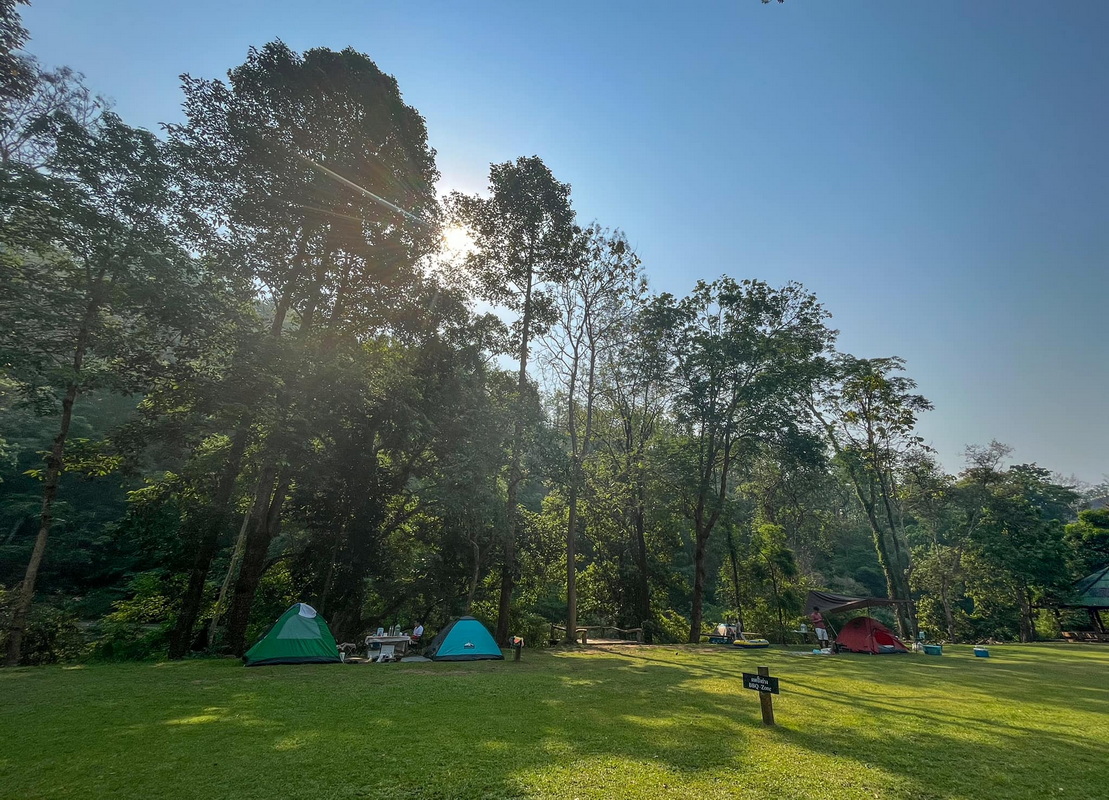
Camping at Pang Oung is an experience like no other. Imagine lying under a sky full of twinkling stars, listening to the peaceful sounds of nature. As the night passes, the temperature drops, wrapping you in a cool, refreshing atmosphere. Then, as dawn approaches, you wake up to a breathtaking sea of mist gently rolling over the lake. It’s a scene so magical, you’ll never want to leave.

pang ung, pang oung, pang oong, pang ung mae hong son, pang oung mae hong son, pang oong mae hong son

Local Life and Delicious Eats

Speaking of food, you can’t visit Pang Oung without indulging in some Shan noodles or a hot cup of Ban Rak Thai tea. These flavors are unique to the region and will warm you up perfectly in the cool mountain air. Plus, the locals here are some of the friendliest people you’ll meet—they love sharing their culture and stories with visitors.

Best Time to Visit? Plan Your Trip Right!

The magic of Pang Ung truly comes alive from November to February. That’s when the temperatures drop, the mist thickens, and the whole place feels even more magical. If you visit in December, you might even catch the Shan New Year Festival, which is a lively celebration full of music, dance, and traditional performances.

pang ung, pang oung, pang oong, pang ung mae hong son, pang oung mae hong son, pang oong mae hong son

Hiking the Phan Nam Yot Trail

For adventure seekers, Pang Ung offers the Phan Nam Yot trekking trail, a perfect way to experience the lush surroundings. This scenic hiking route follows the lake’s edge before leading up to Phan Nam Yot, a viewpoint offering breathtaking panoramas of the reservoir and surrounding hills. The trek is moderate but rewarding, making it an excellent choice for nature lovers looking for a bit of adventure.

Ban Rak Thai

Nearby Gems You Can’t Miss

If you’re making the trip, don’t forget to explore nearby spots like Ban Rak Thai, a Yunnanese village known for its tea plantations, and Namtok Pha Suea - Tham Pla National Park, where you can chase waterfalls and soak in stunning natural beauty.

Namtok Pha Suea

Getting to Pang Ung

The best way to reach Pang Ung is by private vehicle. It’s about two hours from Muang Mae Hong Son, but trust me, the drive is worth it. If you’re on a Mae Hong Son Tour Package, you can add Pang Ung to your itinerary and make it an unforgettable stop along the way.

Time to Pack Your Bags!

So, what are you waiting for? Whether you’re looking for peace and quiet, breathtaking views, or a taste of local culture, Pang Ung has it all. Grab your camera, pack some warm clothes, and get ready for a trip you won’t forget!

Wednesday, February 5, 2025

Su Tong Pae Bridge A Scenic Bamboo Walkway in Mae Hong Son

Su Tong Pae Bridge A Bamboo Walkway Through the Heart of Mae Hong Son

su tong pae bridge, su tong pae bamboo bridge, su tong pae, sutongpae bridge, sutongpae bamboo bridge

Step into a world where faith meets nature, and a simple bamboo bridge becomes a symbol of tradition, spirituality, and breathtaking scenery.

A Hidden Gem in Mae Hong Son

Tucked away in the serene countryside of Mae Hong Son province, Su Tong Pae Bridge stretches elegantly across vast rice paddies, connecting the village of Ban Kung Mai Sak to Wat Tham Poo Sa Ma. Measuring 500 meters in length, this breathtaking bamboo bridge is believed to be the longest of its kind in Thailand.

More than just a crossing, Su Tong Pae Bridge carries the prayers, beliefs, and daily lives of the locals. The name itself, meaning “successful prayer” in the Tai Yai language, is deeply tied to the region’s Buddhist traditions. Walking along its bamboo path, one can feel the profound connection between nature, faith, and the simplicity of rural life.

su tong pae bridge, su tong pae bamboo bridge, su tong pae, sutongpae bridge, sutongpae bamboo bridge

An Architectural Masterpiece of Simplicity

Built in 2012, the bridge was constructed using bamboo planks and teak wood pillars, all sourced from the surrounding area. The materials were generously donated by the villagers, while the land beneath the bridge was offered by local plantation owners. With a budget of 800,000+ Baht, the project was completed in just two months and 12 days, a testament to the dedication and community spirit of the people.

Despite its humble materials, the bridge stands strong, allowing both monks on their morning alms rounds and villagers to cross with ease. The 2-meter-wide walkway is elevated just above the rice fields, offering a peaceful view of the agricultural landscape below.

su tong pae bridge, su tong pae bamboo bridge, su tong pae, sutongpae bridge, sutongpae bamboo bridge

A Living Landscape Changing with the Seasons

The beauty of Su Tong Pae Bridge is not just in its construction but in its surroundings, which transform throughout the year.

🌾 October – November: The rice fields below are lush and green, creating a dreamlike contrast with the golden hue of the bridge.
🌾 December – January: The fields turn into a sea of gold as farmers begin the harvest, an awe-inspiring sight under the soft winter sun.
🌾 February – June: The dry season reveals the bridge’s foundations, showcasing the craftsmanship behind its construction.

Walking across the bridge, you can hear the distant sounds of farmers tending to their fields, birds calling from the trees, and the occasional soft rustling of the bamboo beneath your feet—a symphony of nature and life in perfect harmony.

su tong pae bridge, su tong pae bamboo bridge, su tong pae, sutongpae bridge, sutongpae bamboo bridge

The Morning Alms-Giving Ceremony

One of the most magical experiences at Sutongpae Bridge is the morning alms-giving ceremony. At 6:30 AM, as the first light of day glows over the mountains, a line of monks dressed in saffron robes silently walks across the bridge, carrying their alms bowls. Villagers and visitors kneel in reverence, offering food, flowers, and incense—a practice deeply rooted in Buddhist tradition.

The serene atmosphere, coupled with the mist rising from the fields, creates a scene that feels almost otherworldly. It’s a moment of quiet reflection, a chance to witness an ancient tradition that continues to thrive in the heart of Mae Hong Son.

More to Explore Nearby

While Su Tong Pae Bridge is an attraction in itself, the surrounding area offers even more to discover:

ban rak thai

Ban Rak Thai – A charming Yunnanese village where you can sip authentic Chinese tea while enjoying a view of the misty mountain lake.
Namtok Pha Suea – Tham Pla National Park – A peaceful retreat featuring a stunning waterfall and a sacred cave filled with giant fish.

How to Reach Su Tong Pae Bridge

From Muang Mae Hong Son, take Highway 1095 toward Pang Mapha. Drive for 10 kilometers, then turn left at Kung Mai Sak village and continue for 1.5 kilometers to reach the bridge. Parking is available near the entrance, and a short walk leads you to this picturesque site.

Sunday, February 2, 2025

Ban Rak Thai A Visual Journey Through Thailand’s Hidden Yunnanese Village

Ban Rak Thai A Visual Journey Through a Hidden Yunnanese Village

A village like no other—let’s explore Ban Rak Thai in Mae Hong Son Thailand, where history, culture, and nature come together in a picturesque mountain escape.

1. The Misty Lake A Scene Straight Out of a Fairytale

ban rak thai, baan rak thai, ban rak thai village, rak thai village, baan rak thai village, ban rak thai maehongson, rak thai village maehongson

One of the most magical sights in Ban Rak Thai is the serene lake that serves as the heart of the village. Early in the morning, a thick mist blankets the water, creating a dreamlike atmosphere where the reflections of red lanterns, wooden houses, and green mountains merge into a mesmerizing scene.

Best Time for Photos:

  • 6:00 AM – 8:00 AM – The golden sunrise bathes the entire village in soft light, creating an ethereal glow over the mist-covered lake.
  • After 19:00 – As night falls, the lantern-lit houses reflect beautifully on the still water, creating a perfect nighttime landscape shot.

2. Traditional Yunnanese Architecture A Glimpse Into the Past

ban rak thai, baan rak thai, ban rak thai village, rak thai village, baan rak thai village, ban rak thai maehongson, rak thai village maehongson

Ban Rak Thai’s architecture is a living testament to its Yunnanese heritage. The village is filled with traditional Chinese-style houses, many of which are made from earth-toned mud bricks. These structures help regulate temperature, keeping interiors cool in the summer and warm in the winter.

  • The curved rooftops and wooden balconies reflect classic Chinese design.
  • Many homes and shops display red banners with Chinese characters, adding to the authentic feel of a Yunnanese village.
  • Small tea houses line the streets, offering visitors a taste of freshly brewed Oolong tea while enjoying mountain views.

Walking through the village streets, you’ll feel as if you’ve stepped into a different time and place—a hidden corner of China preserved in Thailand.

3. Ban Din War Museum The Untold Stories of a Lost Army

ban rak thai, baan rak thai, ban rak thai village, rak thai village, baan rak thai village, ban rak thai maehongson, rak thai village maehongson

While Ban Rak Thai is known for its natural beauty, it also holds a deep and complex history. The Ban Din War Museum offers a window into the past, telling the story of the Kuomintang (KMT) soldiers who settled here after fleeing China in 1949.

Inside the museum, you’ll find:

  • Black-and-white photos of KMT soldiers in their early days in Thailand.
  • Old military equipment, uniforms, and weapons from the era.
  • Handwritten letters and Chinese documents detailing their struggles and survival.

Each item in the museum carries a story, offering a powerful reminder of the sacrifices and perseverance of Ban Rak Thai’s early settlers.

4. The Tea Plantations Rolling Green Hills and the Art of Tea Making

ban rak thai, baan rak thai, ban rak thai village, rak thai village, baan rak thai village, ban rak thai maehongson, rak thai village maehongson

Ban Rak Thai is one of Thailand’s top tea-growing regions, thanks to its cool mountain climate and rich soil. The terraced tea fields, stretching across the hills, create a breathtaking sight, especially when the early morning fog lingers over the landscape.

What to Experience at the Tea Plantations:

  • Walk through the lush green rows of tea bushes, taking in the refreshing mountain air.
  • Watch skilled tea farmers carefully picking fresh tea leaves.
  • Join a traditional tea-tasting session, sampling Oolong, green, and black teas produced locally.

For visitors, this is more than just a scenic stop—it’s a chance to learn about the centuries-old Yunnanese tea culture that defines Ban Rak Thai.

5. Yunnanese Cuisine A Feast for the Eyes and the Palate

ban rak thai, baan rak thai, ban rak thai village, rak thai village, baan rak thai village, ban rak thai maehongson, rak thai village maehongson

Ban Rak Thai is a paradise for food lovers, offering dishes that blend Chinese and Thai flavors into something truly special.

Must-Try Dishes:

  • Stewed pork leg with mantou buns – Slow-braised pork served with soft, fluffy steamed buns.
  • Yunnan hotpot – A comforting, hearty soup perfect for the cool mountain air.
  • Tea-infused dishes – Some meals incorporate the village’s famous tea, adding a unique and aromatic touch.

Many of these dishes are prepared using traditional methods, passed down through generations, making every meal in Ban Rak Thai a taste of history and culture.

6. Unique Places to Stay Tea-Themed Lodges and Lakeside Retreats

ban rak thai, baan rak thai, ban rak thai village, rak thai village, baan rak thai village, ban rak thai maehongson, rak thai village maehongson

Unlike regular hotels, Ban Rak Thai offers accommodations that immerse you in the village’s natural beauty and cultural heritage.

Best Places to Stay:

  • Lee Wine Rak Thai Resort – Famous for its clay-built cottages overlooking the tea fields and lake.
  • Valley House – A peaceful lodge with panoramic views of the mountains and surrounding tea plantations.
  • Nongnuch Resort – A small, family-run retreat with personalized service and a serene lakeside atmosphere.

Waking up in a cozy tea plantation resort, with morning mist drifting over the hills, is an experience unlike any other.

How to Get to Ban Rak Thai

Ban Rak Thai is located in Mhok Cham Pae District, Muang County, Mae Hong Son Province, approximately 44 kilometers from Mae Hong Son town. The most scenic way to reach the village is by car or motorbike, following Highway 1095 from Mae Hong Son. After passing Pha Suea Waterfall, continue straight along the winding mountain roads until you reach Ban Rak Thai. The drive takes about 1.5 hours, offering breathtaking views of forests, rolling hills, and misty valleys along the way.

Pha Suea Waterfall

For those without private transport, public songthaews (shared minibuses) run from Sai Yood Market in Mae Hong Son for about 70 Baht per person, though departures can be infrequent. Alternatively, many hotels and travel agencies in Chiang Mai and Mae Hong Son offer private transfers or guided package tours, which often include stops at Pang Ung, Ban Rak Thai, and other nearby attractions.

Thursday, January 16, 2025

1-Day Adventure Mae Ngad Dam and Buatong Sticky Waterfall

Explore Nature’s Best Mae Ngad Dam and Buatong Waterfall

mae ngad dam

Join us for a journey through water activities and the natural charm of Chiang Mai’s hidden gems.

There’s nothing quite like spending a day immersed in nature, especially in Chiang Mai, where hidden gems are waiting to be explored. My friend and I decided to break away from the city’s buzz and dive into a full-day adventure to Mae Ngad Dam and Buatong Sticky Waterfall. From water sports to climbing unique cascades, it turned out to be the perfect escape to rejuvenate our spirits.

mae ngad dam

First Stop: Morning at Mae Ngad Dam

We left Chiang Mai City at 8:00 AM, our private driver—arranged by a Chiang Mai tour agency—picked us up. The hour-long drive to Mae Ngad Dam was scenic, with views of rice fields, small villages, and rolling hills setting the mood for the day ahead.

When we arrived at the pier, a small boat was waiting to take us across the calm waters to a floating bamboo restaurant. The ride was serene, with gentle ripples reflecting the morning sunlight. As soon as we docked, we couldn’t wait to explore the activities the restaurant had to offer.

mae ngad dam

First, we grabbed kayaks and paddled out into the still reservoir, surrounded by towering hills and lush greenery. The peace of gliding across the water was only broken by our laughter and the occasional splash. After that, we tried our hand at fishing—something neither of us had done in years. It was a relaxing experience, even if we didn’t catch much!

Around 11:30 AM, a delicious Thai lunch was served on the bamboo deck. Dishes like stir-fried vegetables, freshly grilled fish, and spicy tom yum soup were the perfect way to refuel after the morning’s activities. We wrapped up the visit with a quick swim in the refreshing waters before heading back to the pier by boat.

buatong waterfall, bua tong waterfall, buatong sticky waterfall, bua tong sticky waterfall, sticky waterfall, sticky waterfall chiang mai

Afternoon: Adventure at Buatong Sticky Waterfall

By 2:00 PM, we were back in the car and on our way to Bua Tong Waterfall, just a 30-minute drive from Mae Ngad Dam. As soon as we arrived, the sound of cascading water and the lush greenery instantly put us at ease.

We set up our picnic under the shade of large trees at the first level of the waterfall. Families were enjoying their lunches nearby, and kids were splashing in the shallow pools. After a quick snack, it was time for the real adventure: climbing the “sticky” waterfall.

buatong waterfall, bua tong waterfall, buatong sticky waterfall, bua tong sticky waterfall, sticky waterfall, sticky waterfall chiang mai

Starting at the second level, we felt the magic of the sticky rocks. Thanks to the calcium carbonate deposits, the rocks were surprisingly grippy, making it easy to climb barefoot. It was exhilarating to ascend the cascading water, the cool streams rushing past our legs as we made our way up. The climb became steeper at the third level, surrounded by dense greenery and the sound of rushing water.

We spent some time just sitting on the rocks, letting the cool water flow around us—it was pure bliss.

buatong waterfall, bua tong waterfall, buatong sticky waterfall, bua tong sticky waterfall, sticky waterfall, sticky waterfall chiang mai

The Seven Colors Spring: A Serene Finale

Before leaving, we took a short walk to the nearby Seven Colors Spring. This magical pool shimmered in hues of blue and green under the afternoon sun. Though swimming isn’t allowed here, it was the perfect spot to reflect on the day’s adventures and snap a few photos.

buatong waterfall, bua tong waterfall, buatong sticky waterfall, bua tong sticky waterfall, sticky waterfall, sticky waterfall chiang mai

Back to Chiang Mai City

By 4:00 PM, it was time to head back to Chiang Mai. The drive was quiet, as we were both lost in thought, replaying the highlights of the day. We arrived back in the city by 5:30 PM, tired but happy, with memories of an unforgettable adventure.

How to Book This Tour

This seamless itinerary is made possible by a Chiang Mai tour agency, which arranges car rental with a driver and handles all activity reservations. From transportation to meal planning, everything is taken care of, so you can focus on enjoying your day.

Embark on a perfect day with this Chiang Mai tour package! Kayak, fish, and climb at Mae Ngad Dam and Buatong Sticky Waterfall—adventure awaits!

Wednesday, December 11, 2024

Night Bazaar Chiang Mai

Night Bazaar Chiang Mai A Visual Journey Through Its Vibrant Nights
chiang mai night bazaar, night bazaar chiang mai, night market chiang mai, chiang mai night market, chiang mai night, chiang mai at night, chiang mai nightlife, nightlife in chiang mai

Explore the beauty of Night Bazaar Chiang Mai through its vibrant stalls, delicious food, and cultural showcases.

If a picture is worth a thousand words, then the Night Bazaar Chiang Mai is worth a million. Every corner of this lively market on Chang Klan Road is a snapshot of Chiang Mai’s vibrant spirit. For anyone exploring what to do in Chiang Mai, the bazaar is a must-visit. Let me paint a picture of what makes this iconic market one of the most cherished night market Chiang Mai destinations.

A Visual Journey Through Night Bazaar Chiang Mai

chiang mai night bazaar, night bazaar chiang mai, night market chiang mai, chiang mai night market, chiang mai night, chiang mai at night, chiang mai nightlife, nightlife in chiang mai

Picture this: rows upon rows of stalls illuminated by glowing string lights, each showcasing a kaleidoscope of colors. From silk scarves in vibrant hues to silver jewelry that glints under the light, the Night Bazaar feels like walking into an artisan’s dream.

Artisans delicately carve wooden sculptures while nearby, painters bring landscapes of northern Thailand to life. These moments remind visitors that every product here has a story waiting to be discovered.

chiang mai night bazaar, night bazaar chiang mai, night market chiang mai, chiang mai night market, chiang mai night, chiang mai at night, chiang mai nightlife, nightlife in chiang mai

Close your eyes and imagine the aroma of sizzling skewers, sweet mango sticky rice, and the rich, spicy broth of khao soi. The food stalls are alive with activity, offering a feast for both the eyes and the taste buds.

Plates brimming with colorful papaya salad and skewers stacked high with smoky sai ua sausage create the perfect culinary photo-op. It’s a snapshot of Chiang Mai’s rich food culture captured in one bustling market.

chiang mai night bazaar, night bazaar chiang mai, night market chiang mai, chiang mai night market, chiang mai night, chiang mai at night, chiang mai nightlife, nightlife in chiang mai

The main stage is lit, and dancers adorned in intricate costumes begin to move gracefully to the rhythm of traditional Thai music. Nearby, street performers entertain crowds with modern guitar solos and fire-breathing acts that mesmerize onlookers.

For an adrenaline-pumping highlight, the Kalare Night Bazaar Boxing Stadium sets the scene for Muay Thai matches. The vibrant energy of the crowd and the intense matches are moments you’ll wish you had your camera ready for.

chiang mai night bazaar, night bazaar chiang mai, night market chiang mai, chiang mai night market, chiang mai night, chiang mai at night, chiang mai nightlife, nightlife in chiang mai

On Charoen Prathet Road, you’ll find a slice of the Middle East. Rows of stalls sell aromatic spices, fresh dates, and other exotic goods, creating a vivid tapestry of cultures. The Friday spice market is particularly stunning, with vibrant mounds of saffron, turmeric, and cardamom.

This section of the bazaar is a visual testament to Chiang Mai’s diversity and its ability to weave global influences into its cultural fabric.

chiang mai night bazaar, night bazaar chiang mai, night market chiang mai, chiang mai night market, chiang mai night, chiang mai at night, chiang mai nightlife, nightlife in chiang mai

How to Get There

The Night Bazaar Chiang Mai is easily accessible, ensuring you can capture its beauty without hassle:

  • On Foot: A short walk from the Old City makes it convenient for many travelers.
  • Local Transport: Tuk-tuks and songthaews add a bit of local flair to your journey.
  • Rideshare Services: Apps like Grab are perfect for those who prefer a more direct route.

Tips for Capturing Its Magic

  • Golden Hour Glow: Arrive as the sun sets to capture the transition from day to night.
  • Focus on Details: Zoom in on the intricate designs of crafts and the vibrant colors of food.
  • Embrace Motion: Use slow shutter speeds to capture the fluid movements of performers.

A Night You’ll Want to Relive

The Night Bazaar Chiangmai is a living photo album. Every stall, every dish, and every performance is a moment that tells a story. It’s a place where the visual and cultural come together to create memories you’ll treasure forever.

Let the colors, flavors, and energy of Night Bazaar Chiang Mai paint a vivid picture of the city’s charm.