Baan Huai Kung Travel Guide for Guided Trekking and Cultural Respect
A thoughtful route into Mae Hong Son’s mountain landscapes, village culture, and responsible encounters
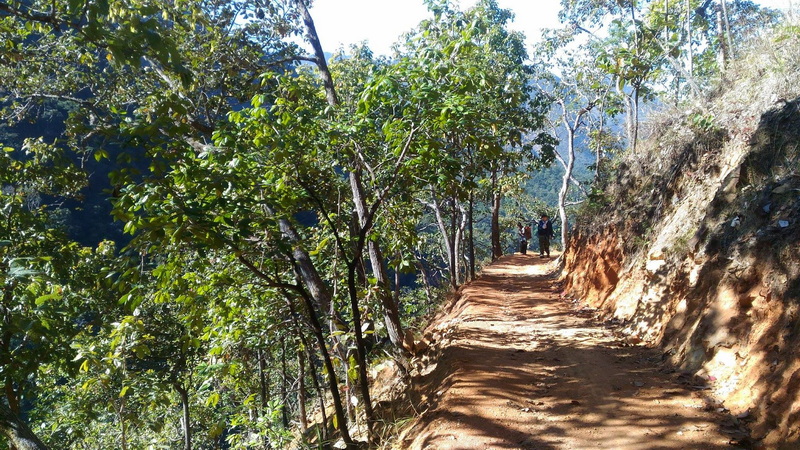
A journey toward Baan Huai Kung is best understood as more than a walk through forested hills. It is an opportunity to learn how landscape, livelihood, language, and community identity come together in Mae Hong Son. Travelers considering a visit should approach the area with curiosity, patience, and respect rather than expecting a staged cultural performance. This Karen And Karen Longneck Hill Tribe Travel Guide focuses on the role of local knowledge in exploring the region. Guided trekking can help visitors read the terrain, understand village customs, and travel more safely through remote environments, while also creating space for residents to decide how their community is represented. The experience is not defined only by viewpoints or photographs; its meaning develops through careful observation and considerate conversation. Around Ban Huai Kung Village, the most rewarding approach is activity-first: walk attentively, listen before asking questions, and allow cultural understanding to develop gradually. The nearby natural and religious sites add useful context, showing how the village belongs to a wider Mae Hong Son landscape shaped by forests, rivers, belief, and long-standing relationships between communities and their surroundings.
Why local guidance matters in Mae Hong Son
Guided Trekking Tours Mae Hong Son are valuable not simply because a local guide can lead the way. In mountainous country, guidance may connect the physical route with knowledge that is difficult to obtain from a map: which paths are used by residents, how weather changes the ground, where quiet behavior is important, and how the surrounding forest supports everyday life. A guide can also help visitors recognize that a village is a living home rather than an attraction arranged for viewing.
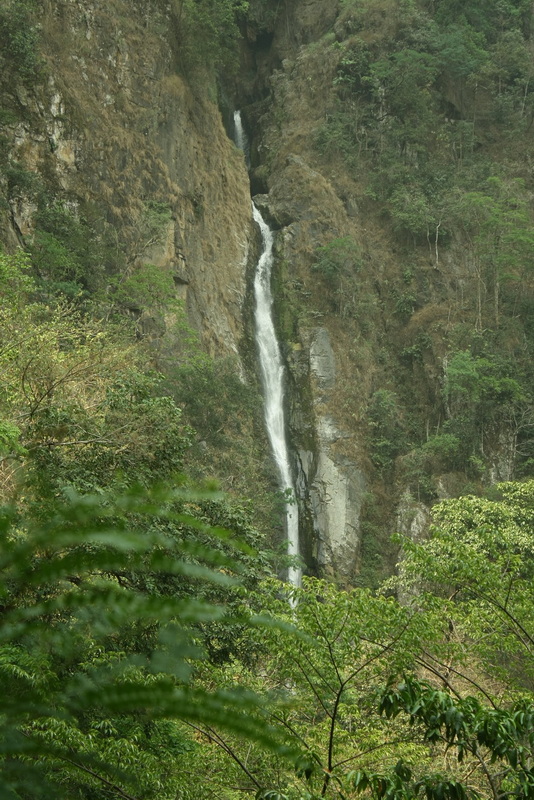
The Mae Hong Son landscape is marked by steep slopes, narrow valleys, streams, and thick vegetation. Walking conditions can vary with rainfall and seasonal change, so visitors should follow local advice and avoid assuming that a route is easy because it appears short on a map. Sensible preparation includes suitable footwear, water, sun and rain protection, and an attitude that accepts a slower pace. The most responsible itinerary is one that respects local conditions rather than chasing a fixed checklist.
A good guided experience should leave room for questions and interpretation without turning residents into exhibits. Travelers can ask about farming, architecture, textiles, food, forest plants, or local history when an appropriate conversation develops. They should also accept that some subjects, homes, ceremonies, and personal stories are private. The guide’s role is therefore cultural as well as practical: to help visitors notice boundaries and understand why consent matters.
Understanding Karen identity beyond a label
The word Karen describes diverse communities with different histories, languages, clothing traditions, religious practices, and experiences of migration. A respectful visitor should not assume that every Karen person shares one lifestyle or that every community uses the same cultural expressions. The term Karen Longneck is especially sensitive because it can reduce complex identities to a visible practice associated with neck rings. If the subject arises, it is better to use the names and descriptions preferred by the people being visited.
Neck rings, where worn, should never be treated as a curiosity detached from the person wearing them. Visitors should not touch them, ask intrusive questions, or frame an individual as an unusual sight. Photography requires clear consent, including when children are present. A polite refusal should be accepted immediately, and a camera should never replace a greeting or conversation. These small choices help shift the encounter from observation of bodies to recognition of people.
A thoughtful cultural visit also avoids romanticizing rural life. Village communities may maintain important traditions while adapting to education, technology, changing work, and regional movement. Clothing, food, housing, and language can express both continuity and change. Travelers who listen carefully may discover that cultural identity is active and evolving, not a frozen image from the past. This perspective makes a visit to Ban Huay Kung more meaningful and avoids turning heritage into a performance for outsiders.
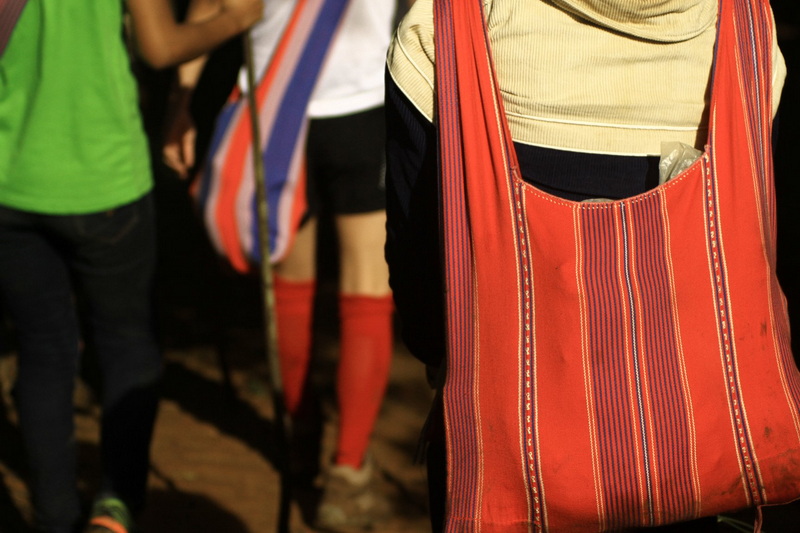
Moving through Ban Huai Kung Village with care
Ban Huai Kung Village should be approached as a community first. Walk quietly near homes, keep to paths indicated by local residents, and avoid entering buildings or farmland without invitation. A respectful traveler notices ordinary details such as gardens, cooking areas, children returning from school, and people working, but does not assume that ordinary life is automatically available for public documentation. Observation becomes ethical when it is balanced by restraint.
Conversation works best when it begins simply. A greeting, an introduction, and an open question can be more appropriate than immediately asking about sensitive history or requesting a photograph. Guides can help with language and context, but visitors should address residents directly when possible rather than speaking about them as though they are absent. Learning a few polite local expressions may be appreciated, although effort matters more than perfect pronunciation.
Visitors should also consider how their presence affects local resources and routines. Carrying reusable water containers, reducing packaging waste, and taking all rubbish away are practical habits in areas where disposal systems may be limited. Purchases, meals, or contributions should be made transparently and without bargaining aggressively over handmade work. When community rules or photography restrictions are explained, compliance is part of the visit, not an optional courtesy.
The strongest memory of Huay Kung Village may be a sequence of small observations rather than a dramatic encounter: the changing sound of the forest, a guide explaining a cultivated plant, or the way a path follows the contours of a hillside. Allowing these moments to remain unhurried supports a more balanced relationship between visitor and host. Cultural travel is not measured by how much access a traveler obtains, but by how responsibly that access is used.
What a guided walk can reveal
On a guided walk near Ban Huai Kung, the forest can be read as a working environment rather than a blank wilderness. A knowledgeable local companion may explain how people identify useful plants, manage cultivated areas, move between settlements, or respond to rain and changing trail conditions. Such explanations should be treated as shared knowledge, not as permission to collect plants, enter restricted areas, or copy practices without understanding their purpose.
The pace of a cultural trek should leave time for interpretation. Pausing beside a stream or ridge can reveal how water, elevation, and access influence settlement patterns. A guide may point out differences between managed land and denser forest, or describe how weather affects travel. These observations create a connection between geography and daily life, helping visitors understand why the route is significant beyond its scenic value.
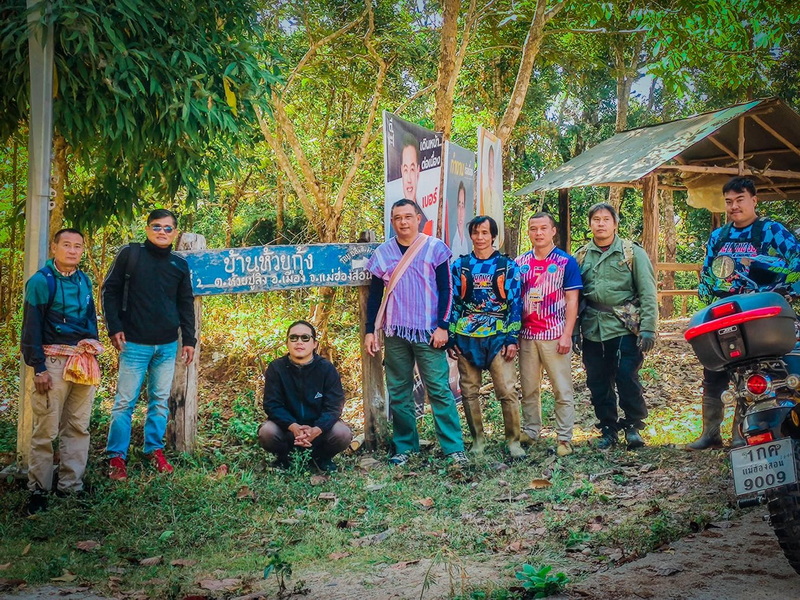
Travelers should avoid measuring the experience by difficulty alone. A demanding climb is not automatically more authentic, and a gentler route is not less valuable. The point of guided trekking is to move safely and attentively while learning from people familiar with the area. Fitness, weather, and local advice should determine how far someone walks. If conditions change, turning back is a sensible decision rather than a failed adventure.
Ethical trekking also includes what happens after the walk. Travelers can reflect on which stories were shared with permission, which assumptions they brought with them, and whether their photographs represent people fairly. When describing the visit to others, use accurate language and avoid presenting one household or one custom as representative of every Karen community. Responsible storytelling extends the respect shown on the trail.
Preparing for a respectful cultural route
Before traveling, research the general geography and cultural context of Mueang Mae Hong Son District without expecting online material to explain every local reality. Confirm current access guidance through appropriate local or official sources, since roads, weather, conservation rules, and community preferences can change. This article does not assume a particular tour, timetable, route, or village program; those details should be checked directly before departure.
Pack for comfort and low impact. Light layers, reliable walking shoes, rain protection, insect protection, personal medication, and a refillable bottle are useful in a humid mountain environment. Neutral, modest clothing is generally considerate when visiting homes or religious places. Keep voices low, ask before photographing people or property, and avoid drones or other equipment where permission has not been clearly given.
Most importantly, arrive with a learning mindset. The phrase Ban Huay Kung Village may appear in travel searches under several spellings, but the community itself is more important than the variation used in a guidebook. Names should be handled carefully, and residents should not be expected to perform an identity for visitors. When travelers combine practical preparation with humility, guided trekking becomes a way to encounter place and people with greater understanding.
Nearby Attractions
Salawin National Park
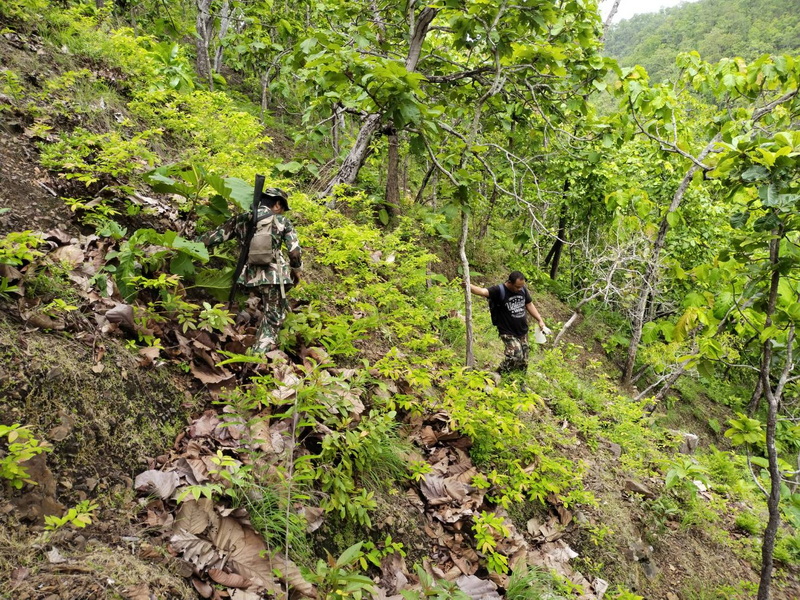
Salawin National Park places the cultural experience within a broader landscape of forested mountains and the Salween River region. Its natural setting helps explain why travel in this part of Mae Hong Son requires attention to terrain, weather, water, and conservation. The park is not merely a scenic extension of a village visit; it has its own ecological and management concerns, so visitors should follow current regulations and local guidance.
For a traveler coming from Ban Huai Kung, the park can provide a useful perspective on the relationship between communities and protected landscapes. Forests may support biodiversity, water systems, food gathering, and cultural memory at the same time. Observing quietly, staying on permitted routes, avoiding wildlife disturbance, and carrying out rubbish are simple ways to reduce impact. Check access conditions before planning the surrounding visit, since remote areas can be affected by seasonal conditions.
Wat Phra That Chom Thong
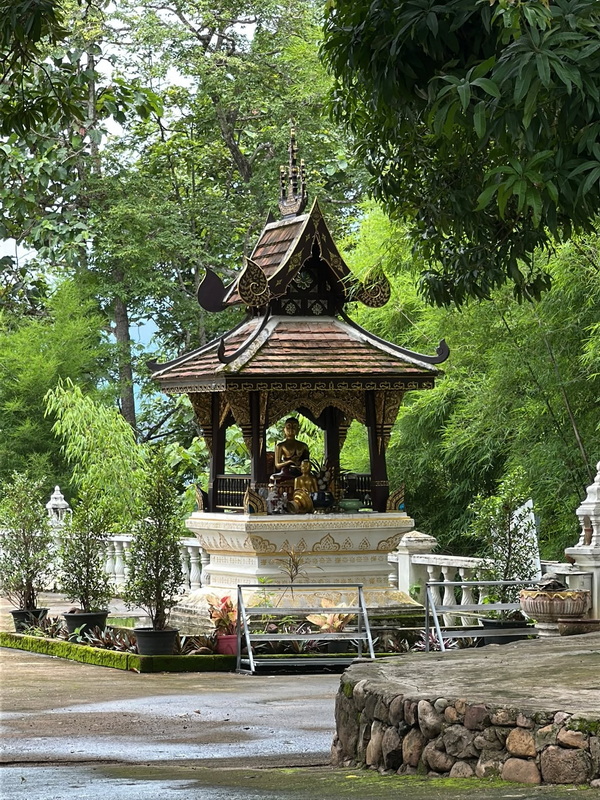
Wat Phra That Chom Thong adds a religious dimension to a journey around Mae Hong Son. As with any Buddhist temple, visitors should enter with calm behavior, modest clothing, and awareness that the site is used for worship rather than sightseeing alone. Shoes may need to be removed in designated areas, and photography should never interrupt prayer, ceremonies, or private devotional moments.
The temple also helps broaden the cultural picture around Ban Huai Kung. A hill community visit and a religious site are not separate snapshots of the region; together they show how travel in Mae Hong Son crosses landscapes, belief systems, and local histories. Visitors can take time to notice architectural details, offerings, and the atmosphere of the grounds without making assumptions about every symbol. Quiet observation and respectful questions are more appropriate than hurried photographing.
Why This Place Stays With You
A visit to Baan Huai Kung can become a thoughtful meeting between trail, village, and living culture when it is guided by consent and attention. The best approach is neither distant curiosity nor intrusive enthusiasm, but a willingness to listen, follow local direction, and accept limits. Guided trekking offers practical support while opening a deeper view of Mae Hong Son’s forests and communities. By treating Karen identity as diverse, residents as hosts rather than attractions, and nearby sites as meaningful places, travelers can leave with more than photographs: they can carry forward a more accurate and respectful understanding.

No comments:
Post a Comment