Pong Dueat Geyser and Budget Travel from Chiang Mai
A respectful guide to thermal bathing, nearby nature, and affordable Mae Hong Son travel planning
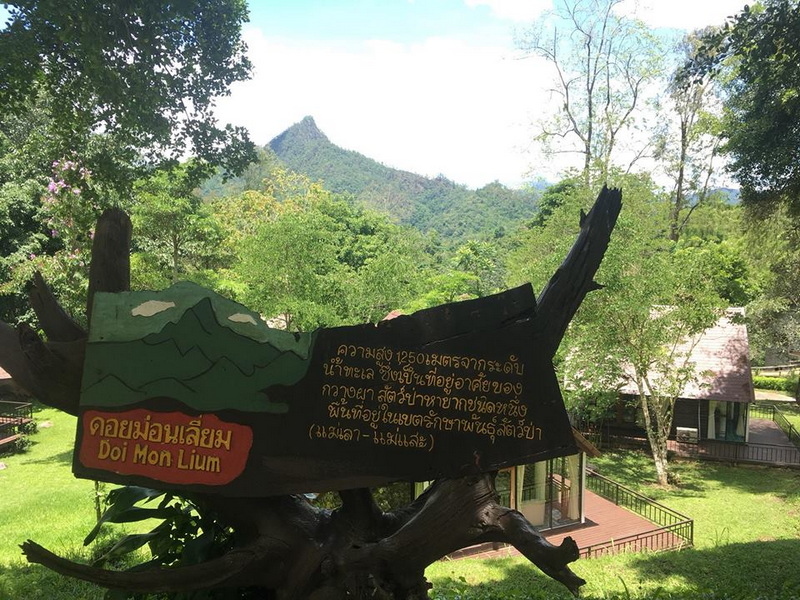
In the forested hills of Mae Taeng District, Chiang Mai, Pong Dueat Hot Spring offers a quieter alternative to the city’s temples, markets, and busy day-trip routes. Its most recognizable feature is the Pong Dueat Geyser, a natural thermal feature that sends hot water upward at intervals. Around it, visitors can find a warm landscape of mineral water, trees, walking paths, and bathing areas rather than a highly formalized resort atmosphere. The experience is sometimes described through the idea of an onsen because it combines warm-water bathing with a peaceful natural setting. However, this is not a Japanese onsen transplanted to Northern Thailand. It is a Thai hot-spring destination with its own environment, visitor customs, and protected-landscape context. Understanding that distinction helps travelers approach the site respectfully. This guide focuses on two practical questions: what makes the hot spring appealing for a culturally aware visitor, and how it can fit into a budget journey from Chiang Mai toward Mae Hong Son. It also places Kanta Elephant Sanctuary and Mok Fa Waterfall into the wider planning picture without promising fixed schedules, prices, or availability.
A Natural Thermal Stop in Mae Taeng
Pong Dueat Hot Spring is located in Mae Taeng District, north of Chiang Mai, in a rural landscape shaped by forest, hills, and streams. The setting is central to its character. Rather than viewing the spring only as a place to soak, visitors can observe how hot water emerges from the ground and contributes to a distinctive pocket of natural activity within the surrounding woodland.
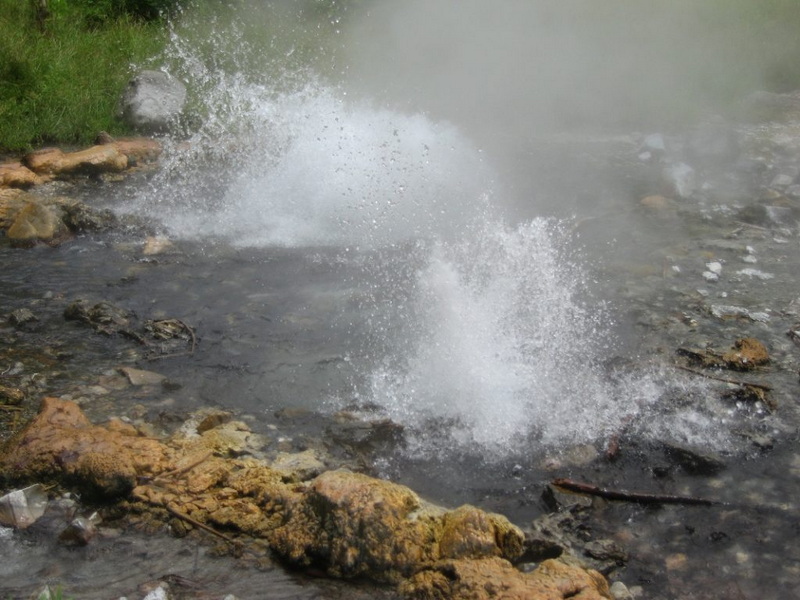
The Pong Dueat Geyser is the visual focus. Its intermittent bursts make the ground feel active and remind visitors that the spring is a geological feature, not simply a heated swimming facility. Steam, warm pools, mineral deposits, and the sound of moving water can all be part of the visit, depending on weather and local conditions. Visitors should remain behind any barriers and follow instructions around hot-water vents, since natural thermal areas can be dangerous even when the surrounding paths appear calm.
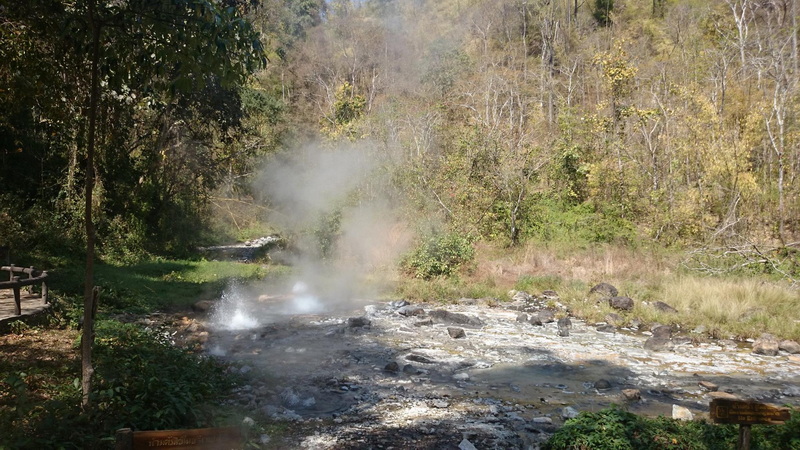
Bathing facilities, where open and maintained, provide a more controlled way to experience the warmth. Water temperatures and individual tolerance vary, so a short soak followed by a break is more sensible than treating the visit as an endurance activity. Modest clothing, a towel, drinking water, sun protection, and footwear suitable for damp paths are useful additions to a day-trip bag. Checking current access information before departure is also wise because conditions at natural attractions can change.
Nature and Ethical Travel Stops Along the Route
The spring does not need to stand alone on an itinerary. Two nearby options can add a different environmental or cultural dimension, provided the route is planned with realistic travel time and current local guidance.
Kanta Elephant Sanctuary
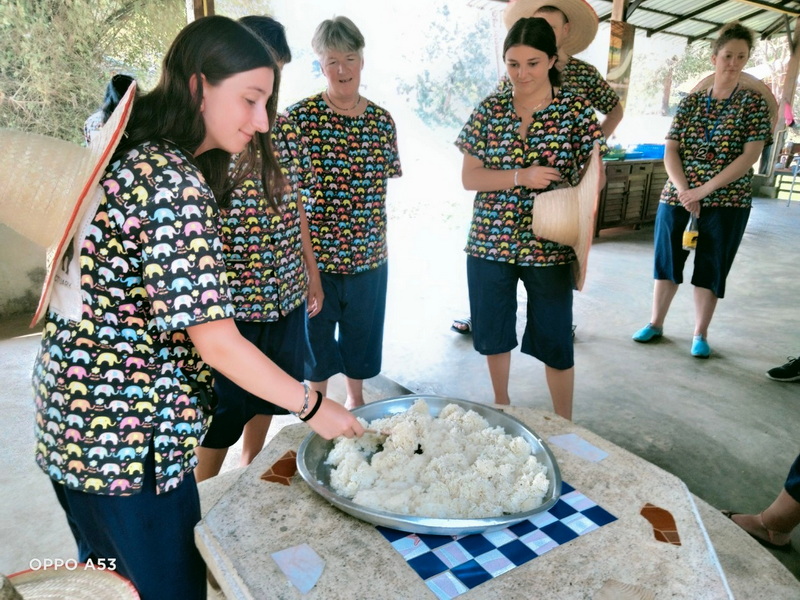
Kanta Elephant Sanctuary can complement a visit to the spring for travelers interested in learning about elephant care in a setting that emphasizes responsible interaction. Policies and activities can change, so visitors should review the sanctuary’s current approach and avoid expecting guaranteed animal behavior or a particular encounter. Ethical travel means following staff directions, keeping a respectful distance when requested, and choosing observation over forced performances or intrusive contact.
Because the sanctuary and hot spring serve different purposes, allow enough time for each rather than treating the elephant visit as a quick photograph stop. Confirm transport and visitor arrangements in advance, and ask whether the day’s program suits your interests and physical comfort.
Mok Fa Waterfall
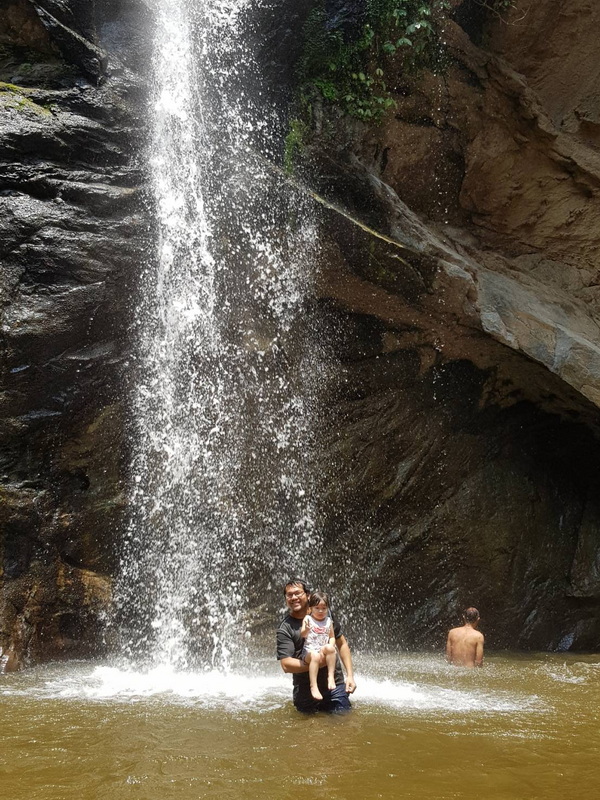
Mok Fa Waterfall adds a forest and freshwater perspective to a thermal-spring itinerary. Its appeal comes from the contrast between naturally heated water at Pong Dueat and the cool, flowing environment of a waterfall. Depending on weather and local conditions, paths may be wet or slippery, so shoes with dependable grip are more useful than casual sandals.
A visit should follow current access rules and caution around rocks, pools, and strong water flow. Swimming should never be assumed to be safe or permitted. Even when the waterfall is the day’s main scenic stop, leave time to walk at an unhurried pace and avoid damaging plants or leaving rubbish behind.
Understanding the Onsen-Style Experience
Searches for Hot Springs Onsen Chiang Mai often reflect a desire for quiet bathing, mineral-rich water, and a slower connection with nature. Pong Dueat can meet some of those expectations in a broad, onsen-style sense, especially when visitors use the bathing areas calmly and treat the landscape as part of the experience. The important point is to avoid assuming that every hot spring follows Japanese etiquette or design.
At a Thai spring, local operating rules take priority. Visitors should observe signs about where bathing is permitted, rinse or clean themselves according to the facility’s instructions, keep voices considerate, and avoid bringing food or unsuitable products into the water. Swimwear expectations may differ from one bathing area to another, so checking locally is more respectful than relying on assumptions from another country. Photography should also be handled carefully, particularly when other bathers are present.
The cultural value of the visit does not depend on presenting the spring as mysterious or exotic. A better approach is to notice the relationship between recreation, local land, and responsible use of a natural resource. Do not touch hot vents, collect mineral deposits, leave litter, or enter restricted areas for a closer photograph. These simple choices protect the site and make the experience more comfortable for residents and other visitors.
For travelers who prefer observation over bathing, the geyser and surrounding paths still provide a worthwhile stop. The spring can be appreciated as a natural thermal system, while a soak remains optional. This flexibility makes Pong Dueat Pa Pae Hot Spring suitable for mixed groups in which some people want to bathe and others would rather walk, take photographs from safe viewpoints, or rest in the forested setting.
Two Complementary Stops Before or After the Spring
A thermal visit becomes easier to place in a northern Thailand itinerary when it is considered alongside other attractions in the same broad region. Kanta Elephant Sanctuary and Mok Fa Waterfall offer different forms of engagement, so they can help travelers decide whether the day should emphasize wildlife ethics, forest scenery, or a simple pause at the hot spring.
These places should not be treated as interchangeable attractions or guaranteed additions to every route. Travel time, road conditions, opening arrangements, and personal energy all matter. A realistic plan leaves room for one substantial experience and one shorter stop rather than attempting to collect locations hurriedly. Visitors should confirm current visitor policies directly, especially for activities involving animals or access to natural areas.
Building an Affordable Mae Hong Son Journey
For travelers comparing Cheap Mae Hong Son Tours From Chiang Mai, Pong Dueat can be useful as a northern gateway experience rather than a destination that must be rushed in isolation. A budget route may combine shared transport, a simple day excursion, or a longer overland itinerary that continues toward Pai and Mae Hong Son. The best choice depends on whether the priority is low cost, flexible stopping time, or reduced responsibility for navigation.
Shared group tours are often attractive because transport and guiding duties are divided among several travelers. Their trade-off may be a less flexible pace, limited time at each stop, and a meeting point that is not close to every hotel. Independent travelers can compare these factors with the cost and effort of hiring a vehicle or arranging a private driver. Exact prices and inclusions change by season and provider, so a reliable comparison should look at what is included rather than trusting the word “budget” alone.
When reviewing a package, check whether entrance fees, meals, fuel, transfers, and guide services are included or separate. Ask how long the vehicle is expected to remain at Pong Dueat, whether the route includes other stops, and what happens if rain affects a waterfall or mountain road. For a multi-day Mae Hong Son journey, also consider luggage space, rest breaks, road comfort, and the amount of time spent on winding roads. A cheaper itinerary is not necessarily better if it leaves too little time for the places that motivated the trip.
Travelers who want to visit both the spring and Mae Hong Son should think of the route as a regional journey rather than a simple hop between two points. Road travel in the mountains can take longer than map distance suggests. Starting early may help with daylight and heat, but exact departure advice should come from the selected operator or driver. Flexible planning is particularly important during periods of heavy rain, when natural attractions and rural roads may have temporary restrictions.
A practical budget strategy is to choose one paid transport arrangement, carry snacks and water from Chiang Mai, and avoid adding activities solely because they appear nearby on a map. Spending less can also mean traveling responsibly: staying on paths, using refillable bottles where appropriate, respecting community spaces, and supporting legitimate local businesses. These choices reduce waste and make the journey more meaningful without requiring a luxury package.
How to Visit Pong Dueat Pa Pae Hot Spring Thoughtfully
A useful Pong Dueat Pa Pae Hot Spring Travel Guide should begin with expectations. This is a nature-based stop, so conditions may feel less predictable than those at a city attraction. Confirm current opening information, road access, bathing arrangements, and any national-park or local rules before setting out. Carry clothing that can get damp, but keep valuables protected and avoid assuming that every facility will be available on every visit.
Plan enough time to experience the site without standing directly beside hot-water features for too long. Walk slowly, read signs, and keep children close around thermal areas. Anyone with health concerns should seek medical advice about hot-water bathing and leave the water immediately if feeling dizzy or unwell. The aim is gentle enjoyment, not proving how long one can tolerate the heat.
The most considerate visitor leaves the spring as they found it, or better. Use designated waste bins, do not pour soaps or lotions into natural water, keep sound levels moderate, and ask before photographing people. If a local guide or facility worker gives instructions that differ from a general travel article, follow the local guidance. A respectful visit supports both environmental protection and a welcoming atmosphere for future visitors.
A Slower Way to Travel North
Pong Dueat is most rewarding when treated as more than a quick photograph beside a geyser. The thermal landscape invites careful observation, while the bathing areas offer a calm, optional pause within a forest setting. Combined thoughtfully with Mok Fa Waterfall, Kanta Elephant Sanctuary, or a wider Mae Hong Son route, it can fit a budget-conscious journey without reducing the region to a checklist. Check current conditions, respect local rules, and leave enough time for the road itself. That slower approach gives the visit room to feel connected to Northern Thailand’s natural character.
