Ku Chang Ku Ma Lamphun Visitor Guide for a Thoughtful Chiang Mai Holiday
A calm introduction to local history, respectful sightseeing, and easy cultural planning in Mueang Lamphun District
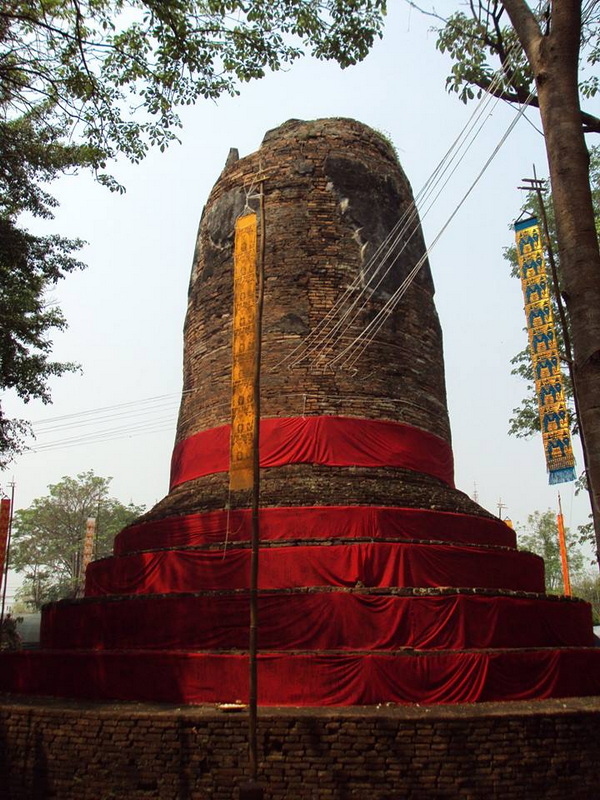
Ku Chang Ku Ma Lamphun offers a different way to experience northern Thailand. Rather than being a large entertainment attraction, it is a compact cultural landmark connected with local memory, religious tradition, and the long history of Lamphun. The site is associated with elephant and horse memorials, and its meaning is best understood through the stories and beliefs preserved by the local community. For a first-time visitor, the attraction works well as part of a wider day of heritage sightseeing. Lamphun lies close enough to Chiang Mai to be considered in regional holiday planning, yet it has a quieter atmosphere and a distinct historical identity. A Lamphun Thailand Visitor Guide can therefore be useful for travelers who want to combine an ancient city setting with the flexibility of a Chiang Mai Vacation Package. This guide focuses on how to approach Ku Chang Ku Ma, what kind of experience to expect, and how to place it alongside two nearby religious and cultural sites. The emphasis is on observation, courtesy, and sensible planning rather than a fixed itinerary. Local conditions can change, so visitors should confirm current access arrangements before setting out.
Understanding Ku Chang Ku Ma
The name Ku Chang Ku Ma refers to two memorial structures traditionally linked with an elephant and a horse. In local historical and religious tradition, the elephant is associated with the story of Queen Chama Devi, the founding ruler connected with the ancient kingdom of Hariphunchai, while the horse has its own place in the related tradition. The structures are commonly regarded as memorial monuments rather than ordinary decorative stupas, giving the site a solemn and symbolic character.
The precise details of the stories may be told in different ways, and travelers should treat them as part of Lamphun’s living cultural heritage rather than as a simple checklist of historical facts. The value of the visit comes from seeing how legend, regional history, Buddhism, and community remembrance meet in one small setting. It is an opportunity to pause and consider the importance of animals, rulers, loyalty, and protection in older northern Thai narratives.
Visitors should not expect a large museum or an attraction with extensive interpretation. Ku Chang Ku Ma Thailand is better suited to a short, attentive stop. Look closely at the form of the memorials, notice the surrounding religious atmosphere, and allow time to understand why local people continue to regard the place with respect. Photography may be appropriate in some areas, but it should never take priority over worshippers or ceremonies.
Planning a Visit from Chiang Mai
Mueang Lamphun District, Lamphun, is a practical destination for travelers exploring the wider Chiang Mai region. The two provinces are geographically close, but the experience changes as the urban environment gives way to a smaller historic center. Depending on the starting point, traffic, and transport choice, the journey may take a modest part of the day, so it is wise to leave room for delays and unplanned stops rather than relying on a tightly timed schedule.
Travelers comparing Chiang Mai tour products may see the phrase Chiang Mai Vacation Package used for plans that include cultural excursions beyond the city itself. That wording can be useful when discussing regional travel, but package contents differ considerably. Confirm whether transport, guiding, entrance arrangements, and time in Lamphun are actually included instead of assuming that every package offers the same experience. Independent visitors can also plan the stop as part of a broader day without needing a formal tour.
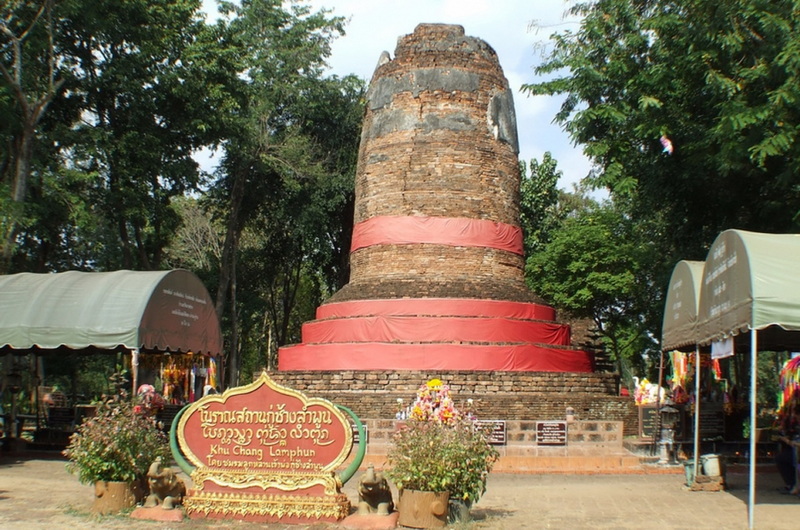
A practical Ku Chang Ku Ma Travel Guide approach is to check the expected weather, wear comfortable clothing, and carry drinking water for the journey. Light, respectful clothing is appropriate when visiting religious surroundings, particularly if the visit is combined with a temple. Comfortable footwear is helpful because a heritage-focused day may involve walking on uneven surfaces or moving between several sites. Visitors should also keep valuables secure and avoid blocking paths used by local worshippers.
How to Visit with Respect
Ku Chang Ku Ma is not simply a backdrop for travel photographs. Its religious and historical associations mean that a quiet, considerate manner is important. Speak softly, observe signs or local instructions, and give people space when they are praying, making offerings, or attending a community activity. If an area appears private or restricted, do not enter merely to obtain a closer view.
In Thailand, appropriate temple etiquette generally includes removing shoes where requested, dressing without excessive exposure, and avoiding casual behavior around sacred objects. Do not touch memorial structures, offerings, or religious items unless invited. When taking photographs, ask permission before photographing identifiable people, monks, ceremonies, or personal devotional acts. These simple habits help ensure that Visit Ku Chang Ku Ma is respectful rather than intrusive.
The site may be most rewarding for travelers who enjoy context more than spectacle. Read any available local information, listen carefully if a guide explains the tradition, and compare the memorial with the other historic places in Lamphun. The aim is not to decide whether one story is more important than another, but to understand how the city expresses its past through places that remain part of daily spiritual life.
Connecting the Landmark with Lamphun Heritage
A useful way to organize a Lamphun visit is to treat Ku Chang Ku Ma as one chapter in a larger heritage landscape. The city’s identity reaches back to Hariphunchai, and its temples and monuments show how older history continues alongside modern neighborhoods. This makes the area especially suitable for visitors who prefer a slower cultural outing to a schedule filled with unrelated attractions.
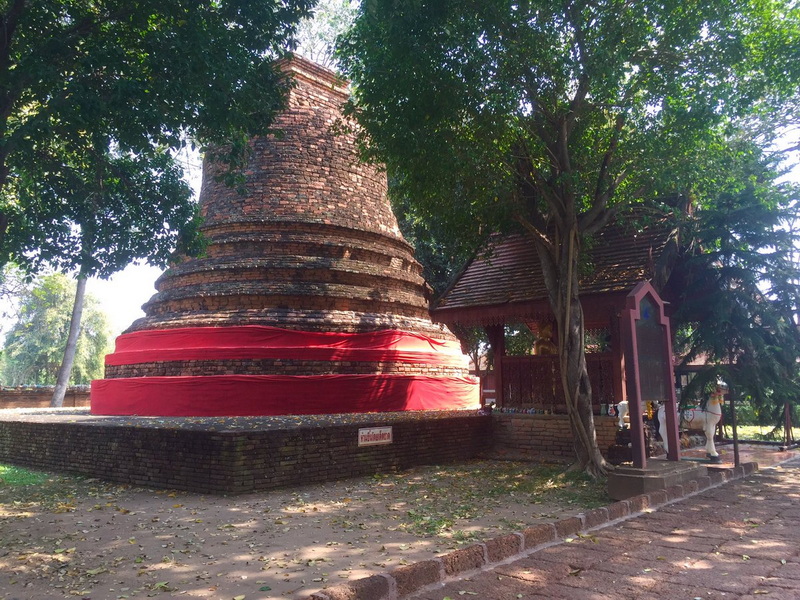
After seeing the memorials, travelers can continue to nearby religious sites, compare architectural details, and notice the differences between a small local landmark and a major temple complex. This kind of progression gives the day a natural rhythm: begin with a focused memorial visit, move through historic surroundings, and then take time for quiet observation at a temple. It also reduces the temptation to rush from one photograph to the next.
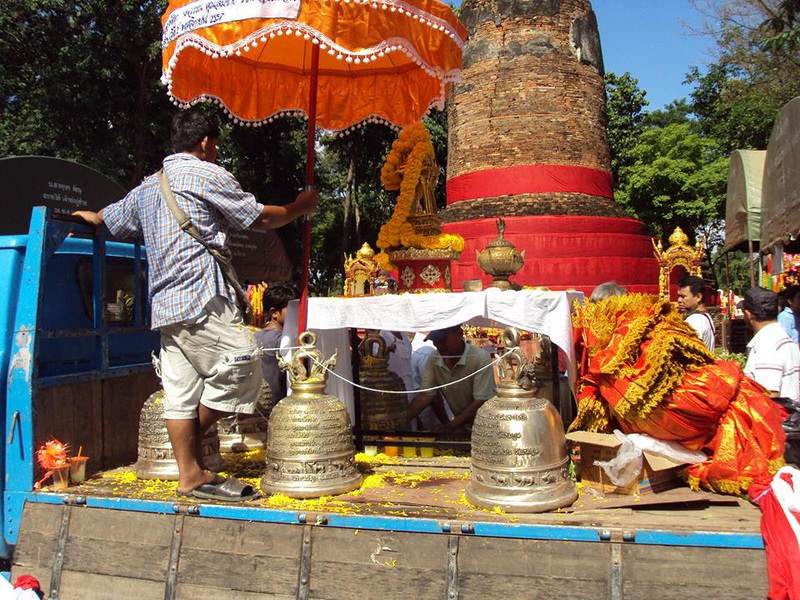
For readers using the phrase Lamphun Thailand Visitor Guide in their research, the main planning lesson is simple: allow the destination to remain flexible. Opening hours, ceremonies, road conditions, and local activity may affect the order of stops. A flexible plan is more comfortable and more respectful than treating every cultural site as a timed appointment. If traveling with a guide, ask about the meaning of the memorials and listen for local perspectives rather than requesting only a list of dates.
Small Details That Enrich the Experience
The most memorable part of Ku Chang Ku Ma may be its sense of scale. The attraction does not need to be extensive to be meaningful. Its compact form encourages visitors to look carefully at the arrangement of the memorials, the surrounding trees and buildings, and the ways local people use the space. These details can reveal more about the character of Lamphun than a quick visit focused only on a landmark photograph.
Notice how the site feels in relation to the surrounding city. Lamphun’s historic areas are not isolated museum pieces; they exist within a living community. Residents may be passing through, making offerings, maintaining the grounds, or carrying on ordinary activities nearby. Observing this relationship helps visitors understand that cultural heritage is not only something preserved for tourists. It is also part of local identity and practice.
A thoughtful visit can finish with a short personal reflection: what did the memorial communicate about loyalty, memory, or the relationship between people and animals? Questions like these make the stop more than a name on a travel list. They also help distinguish Kou Chang Kou Ma from more commercial attractions and make it a meaningful addition to a regional holiday.
Nearby Attractions
Wat San Pa Yang Luang
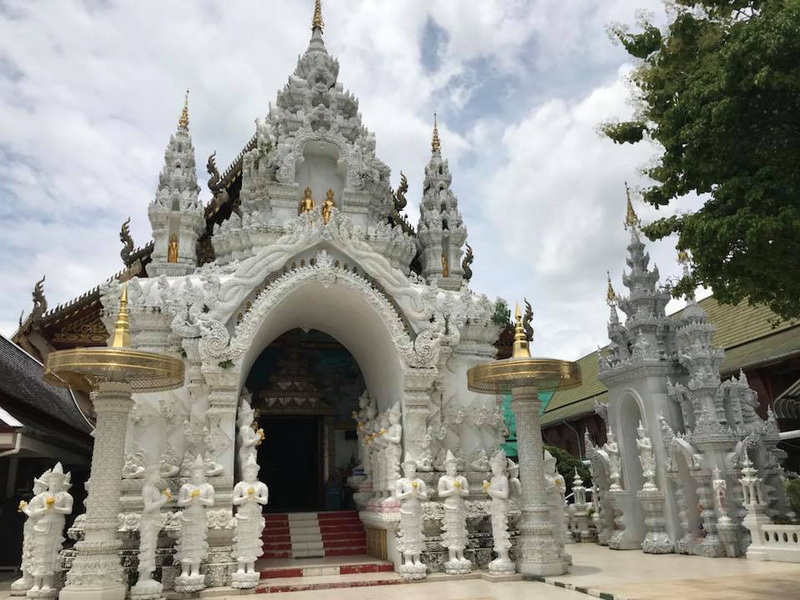
Wat San Pa Yang Luang is a nearby temple that can extend a visit into Lamphun’s broader religious and artistic setting. The temple is associated with northern Thai Buddhist traditions and is known as a place where visitors can observe Lanna architectural character and devotional spaces. As with any active temple, the atmosphere may vary according to worship, ceremonies, and local activity.
When visiting, walk calmly and follow signs or directions from temple staff. Take time to look at the details of the buildings without treating the grounds as a studio set. Its proximity to Ku Chang Ku Ma makes it convenient for travelers who want to connect a memorial landmark with a functioning religious site, but the two places should be appreciated on their own terms.
Wat Chamadevi
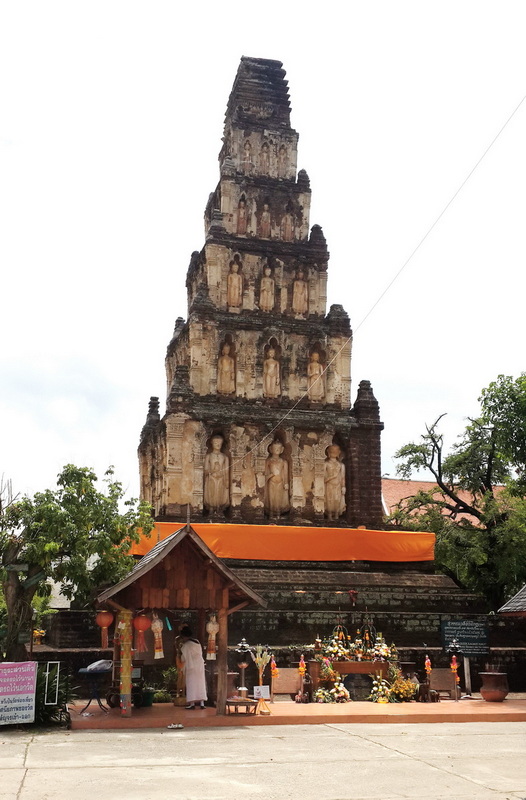
Wat Chamadevi is one of Lamphun’s most important historic temples and is strongly connected with the city’s Hariphunchai heritage. It is especially recognized for its distinctive ancient stupa, often discussed in relation to the early history of the region. The temple provides useful context for understanding why Lamphun has such a strong historical identity and why stories connected with Queen Chama Devi remain significant.
Visitors should approach the temple as a sacred place as well as a heritage site. Dress respectfully, observe worshippers, and follow any instructions about footwear or photography. Including Wat Chamadevi after Ku Chang Ku Ma can give a Chiang Mai Vacation Package or independent day trip greater historical depth, while still leaving room for an unhurried experience.
Why This Place Stays With You
Ku Chang Ku Ma offers a quiet entry point into Lamphun’s history, where memorial tradition and living religious culture meet. Its value is not measured by size or by the number of activities available, but by the attention it invites from visitors. Combine the stop with Wat San Pa Yang Luang and Wat Chamadevi, plan flexibly from Chiang Mai, and approach each sacred space with courtesy. For travelers seeking a less hurried regional experience, this small landmark can add depth to a northern Thailand holiday.

No comments:
Post a Comment