Land Split Budget Planning and Key Mae Hong Son Sights
A practical guide to affordable touring, local visits, and easy Pai highlights
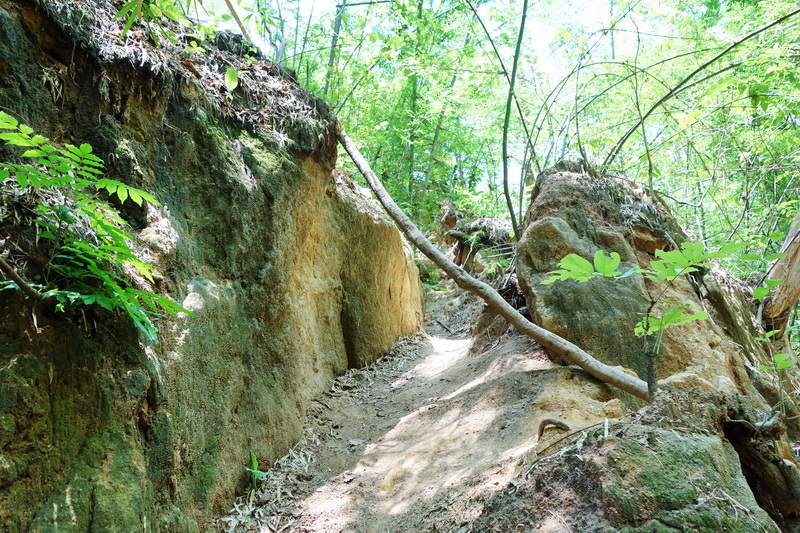
Land Split Pai is a small but memorable stop in the countryside outside Pai, where a dramatic opening in cultivated land has become an unusual visitor attraction. It is not a conventional monument or large-scale park. Instead, the interest comes from seeing a striking geological feature within a working rural setting and understanding how a local family turned an unexpected change in the landscape into a place of welcome. For travelers watching their spending, the attraction works best as part of a wider Pai itinerary rather than as a destination requiring a full day by itself. A shared excursion, a self-planned route, or a Chiang Mai local tour may make it easier to combine the site with other stops. The key is to compare what is included, allow time for the winding mountain journey, and avoid assuming that every advertised itinerary operates in the same way. This guide focuses on practical choices: what makes the Land Split distinctive, how budget tours from Chiang Mai can be assessed, and how to connect the visit with two complementary experiences, Kho Ku So Bamboo Bridge and Pai Walking Street. The aim is a confident, respectful plan rather than an expensive or overpacked schedule.
Why Land Split Pai Is Worth a Short Stop
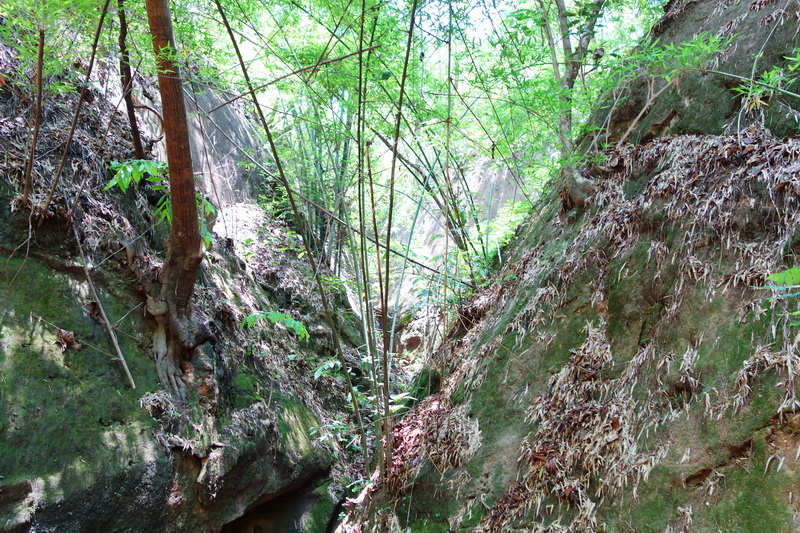
The Land Split is a visible fissure dividing a section of farmland near Pai in Mae Hong Son Province. Accounts commonly associate its formation with seismic activity and later changes in the ground, although visitors do not need to treat the site as a technical geological study to appreciate it. The contrast is what makes the place memorable: a natural opening appears within land that is otherwise connected with cultivation and everyday rural work.
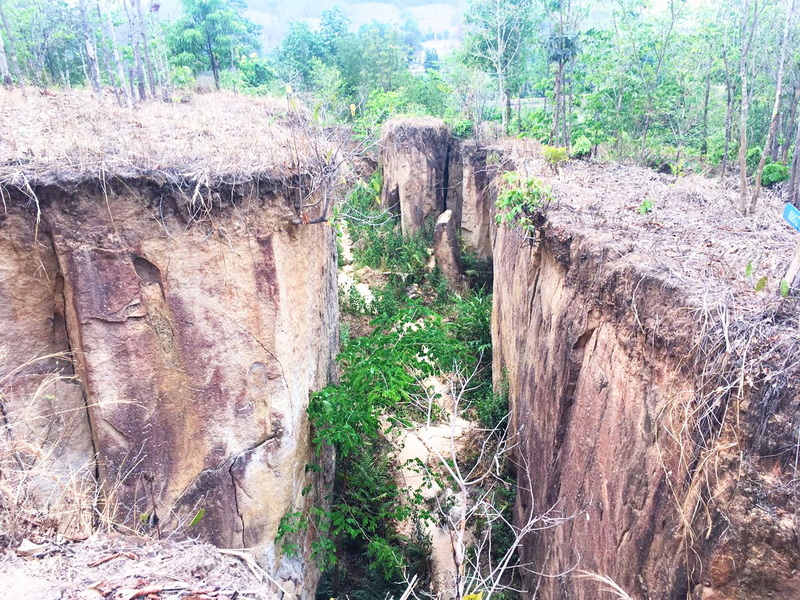
A visit is therefore different from viewing a waterfall or a panoramic mountain lookout. The setting gives travelers a chance to observe how a local landscape has been adapted for visitors without losing its agricultural character. Depending on conditions and what is open when you arrive, the experience may include locally prepared refreshments or produce, but these should be regarded as part of the community setting rather than guaranteed inclusions.
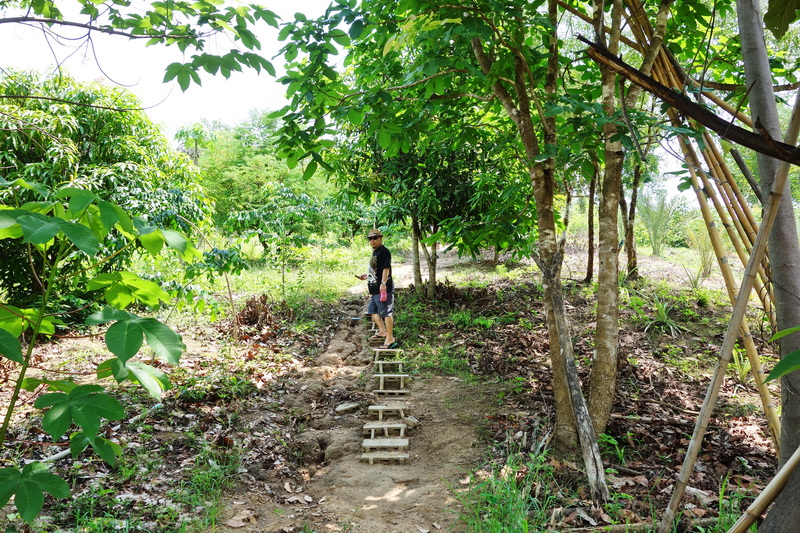
Keep expectations realistic. Land Split Thailand is a modest attraction, and the ground can be uneven, exposed, or affected by rain. Comfortable shoes, sun protection, water, and a little patience are more useful than elaborate equipment. Stay on indicated paths, avoid climbing unstable edges, and follow local guidance about where visitors may walk or take photographs. Respect for the land is particularly important because this is not simply a staged photo backdrop.
Build a More Balanced Pai Day
The Land Split makes sense as one part of a broader, low-cost day rather than an isolated excursion. These two nearby experiences add different settings and help spread the pace between countryside sightseeing and Pai’s community life.
Kho Ku So Bamboo Bridge
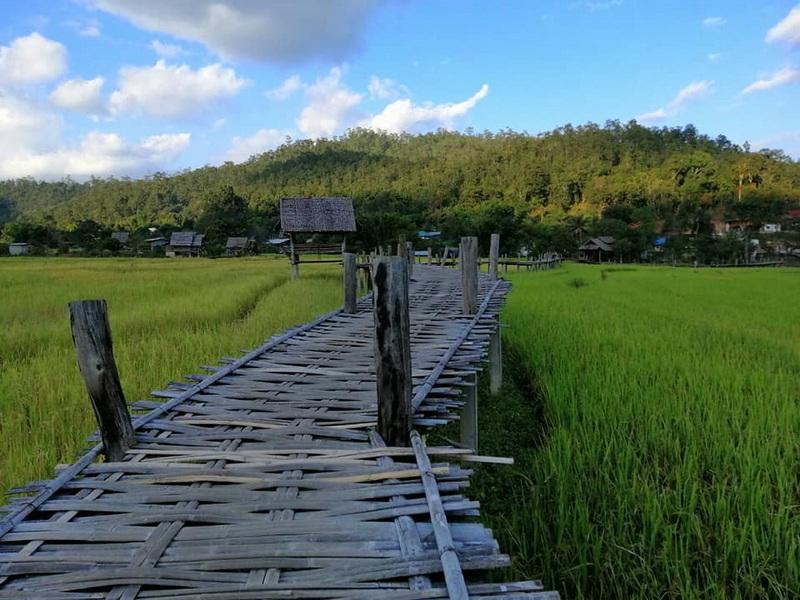
Kho Ku So Bamboo Bridge offers a contrasting rural experience and can complement a visit to Land Split. The elevated bamboo walkway crosses fields and connects with a local temple area, creating an easy-to-understand example of community-linked tourism and agricultural scenery. Its appeal is less about a single dramatic feature and more about the relationship between the path, the surrounding landscape, and the people who maintain and use the area.
Conditions underfoot may vary, particularly during wet weather, so visitors should walk carefully and follow any local directions. Treat the bridge and nearby religious spaces respectfully, dress appropriately for temple surroundings, and avoid blocking the path for photographs. Including this stop can give a budget itinerary a broader perspective without requiring an expensive activity.
Pai Walking Street
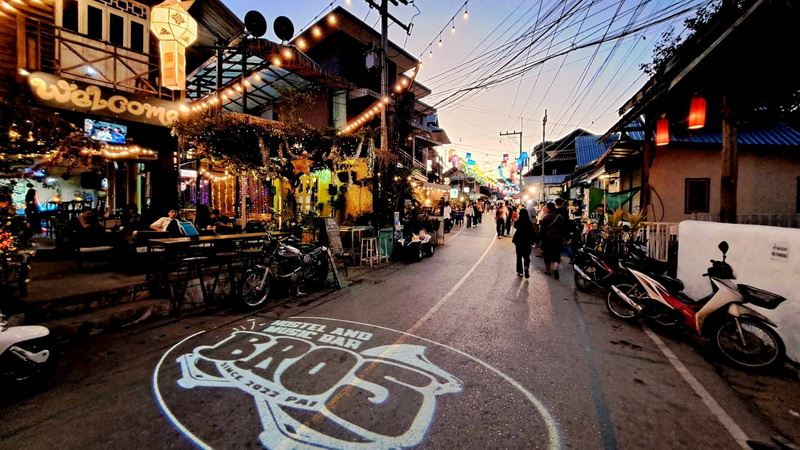
Pai Walking Street provides a natural evening contrast to the quiet agricultural setting of Land Split. The central market area is associated with food stalls, small shops, and locally made goods, although the exact mix and operating pattern can change. It is a useful place to experience Pai’s social energy after a day outside and to choose food or souvenirs according to your own budget.
Crowds can make the street feel busier than the countryside, so keep personal belongings secure and be considerate when stopping in narrow areas. Rather than treating the market as a checklist, allow time to browse, compare prices, and support vendors thoughtfully. A Land Split visit in the daytime followed by Pai Walking Street later can create a varied itinerary without requiring another major attraction.
Choosing an Affordable Route from Chiang Mai
The distance between Chiang Mai and Pai means that a tour covering Mae Hong Son attractions involves more than just paying for admission to individual sights. Time on the road, the number of stops, vehicle arrangements, group size, and the amount of guiding can all influence value. A low headline price may not be the best choice if it leaves little time at the places you actually want to see or adds many optional costs during the day.
When comparing Cheap Mae Hong Son Tours From Chiang Mai, read the itinerary language carefully. Look for whether the route includes Pai, whether Land Split in Pai is a possible stop or a confirmed part of the plan, and whether meals, entrance charges, or local guide services are treated separately. Exact schedules and availability can change, so travelers should confirm current details directly with the provider before committing.
Shared group tours are often considered by budget travelers because the cost of a vehicle and guide may be spread among several participants. Their trade-off is a less flexible pace and less control over how long to spend at a rural attraction. A private arrangement can offer more control but may cost more overall. For some visitors, an independent stay in Pai combined with selected local excursions is a more economical approach than attempting to cover the entire region from Chiang Mai in one demanding outing.
A Chiang Mai local tour provider can be useful for comparing these choices, explaining road conditions, and identifying which stops fit together geographically. The agency’s role should be viewed as planning support, not as a guarantee that every attraction will be open or every route will suit every traveler. Ask clear questions about walking requirements, departure and return expectations, group size, and what happens if weather affects the itinerary.
Two Complementary Stops for a Pai Itinerary
Land Split is most rewarding when placed within a sequence of varied experiences. A countryside visit can be followed by a cultural or community-oriented stop, giving the day more balance than visiting several viewpoints in succession. The two locations below suit different parts of a Pai plan and can help travelers decide whether to build a route around a tour or arrange separate visits.
Making the Most of Mae Hong Son’s Affordable Sights
The phrase Mae Hong Son Top Attractions covers a wide area, from natural features and rural viewpoints to historic communities and markets. That geographic spread is why travelers should distinguish between a short Pai-focused outing and a broader journey through Mae Hong Son Province. Land Split belongs naturally to a Pai-area plan; it should not automatically be presented as a quick add-on to every Mae Hong Son sightseeing route.
Budget planning begins with priorities. Choose one or two major experiences, then leave space for meals, rest, and unexpected delays. The mountain roads can make a map look deceptively simple, and a schedule with too many distant stops may reduce the actual time spent at each place. If you are sensitive to winding roads, ask a tour provider about the route and consider whether a slower, staged itinerary would be more comfortable.
Travelers can also reduce costs by checking which activities genuinely require a tour. A guide may be valuable for a multi-stop route, language support, or transport coordination, while a compact Pai itinerary may be manageable with local advice and advance planning. This is especially relevant for independent visitors who prefer to spend longer at a community attraction rather than follow a fixed timetable.
Responsible behavior keeps the experience worthwhile. Do not remove rocks, plants, or farm materials from the Land Split site, and avoid entering areas that appear to be private or actively cultivated. Ask before photographing people, homes, or working spaces. Small choices such as carrying rubbish out, using water thoughtfully, and purchasing only what you can use help ensure that visitor activity remains respectful and useful to the local community.
A Simple Checklist Before You Visit
Before booking, decide whether you want a single organized day, an overnight base in Pai, or a longer Mae Hong Son route. These options serve different travel styles and budgets. A day trip from Chiang Mai may be convenient but busy, while staying in Pai can make rural attractions feel less rushed even if accommodation and additional transport need to be considered separately.
Confirm the basics in writing or through the provider’s latest information: the meeting point, estimated driving time, walking conditions, inclusions, cancellation terms, and whether the Land Split is definitely on the route. Avoid relying on old social media posts for current opening information. Weather, road conditions, agricultural activity, and local decisions can affect the visitor experience.
Pack lightly but sensibly. Closed shoes with good grip, a reusable water bottle, sun protection, and insect protection are practical for an outdoor stop. A small amount of cash may be useful in rural settings, although payment arrangements can vary. Do not assume that facilities, shade, or accessibility features will be available in the same way as at a major commercial attraction.
Finally, judge value by the quality of the day rather than the number of locations listed. A budget itinerary that includes enough time to understand the landscape, enjoy a nearby community, and return safely is generally more rewarding than one that promises an unrealistic collection of stops. That approach also leaves room for Pai’s slower atmosphere, which is an important part of the destination’s appeal.
A Practical Way to Visit Land Split
A visit to Land Split Pai does not need an elaborate budget or an overloaded schedule. Compare tour inclusions carefully, decide whether a shared route or a Pai-based plan better suits your priorities, and leave room for changing road and weather conditions. Pairing the rural fissure with Kho Ku So Bamboo Bridge and Pai Walking Street creates a fuller view of the area while keeping the day varied. With sensible footwear, respectful behavior, and realistic expectations, this distinctive Mae Hong Son stop can fit comfortably into an affordable northern Thailand itinerary.

No comments:
Post a Comment