Family Days Out Along Old Rubber Tree Road
A gentle planning guide for families exploring Saraphi, Lamphun, and nearby cultural landmarks
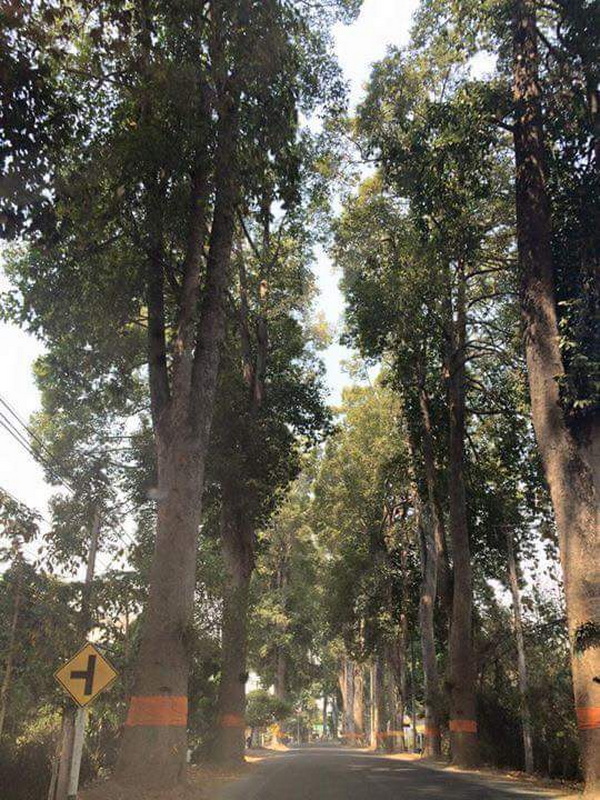
Family travel around Chiang Mai does not have to mean filling every hour with large attractions. A quieter outing can combine an atmospheric road, open views, local heritage, and short cultural visits that allow children to stay curious without becoming overwhelmed. Old Rubber Tree Road, extending through Saraphi District toward Mueang Lamphun District, offers that kind of setting. The route is best understood as a scenic journey rather than a single ticketed attraction. Mature roadside trees create a distinctive visual character, while the surrounding communities and historic sites provide opportunities to talk with children about northern Thailand’s landscape, religion, and settlement history. Families can choose a brief visit or build a broader day of sightseeing around it. This guide focuses on planning and suitability rather than fixed packages or schedules. Conditions, opening arrangements, and the comfort of each stop can vary, so families should check current details before setting out and keep the pace flexible.
Why the road works well for a slower family outing
The appeal of the road lies in its atmosphere. Instead of asking children to concentrate on a long sequence of formal exhibits, families can observe a changing landscape from one stop to the next. The tree-lined route offers a visual break from busier urban areas and creates a natural starting point for conversations about plants, farming communities, roads, and the relationship between towns in Chiang Mai and Lamphun.
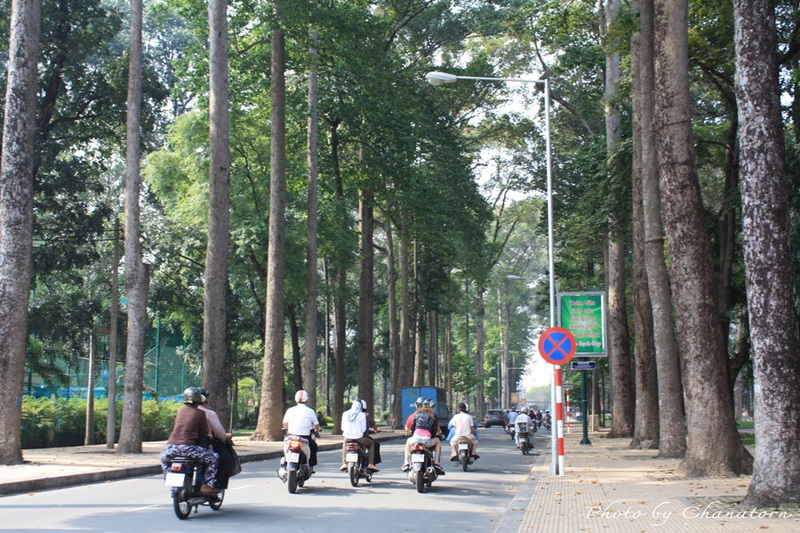
For parents, this kind of outing makes it easier to adjust the day. A family may pause for photographs, continue toward a temple, or return earlier if younger children need rest. It is sensible to treat the road as a sightseeing corridor rather than assume that every section has dedicated visitor facilities. Staying attentive to traffic, local homes, and other road users is part of being a considerate visitor.
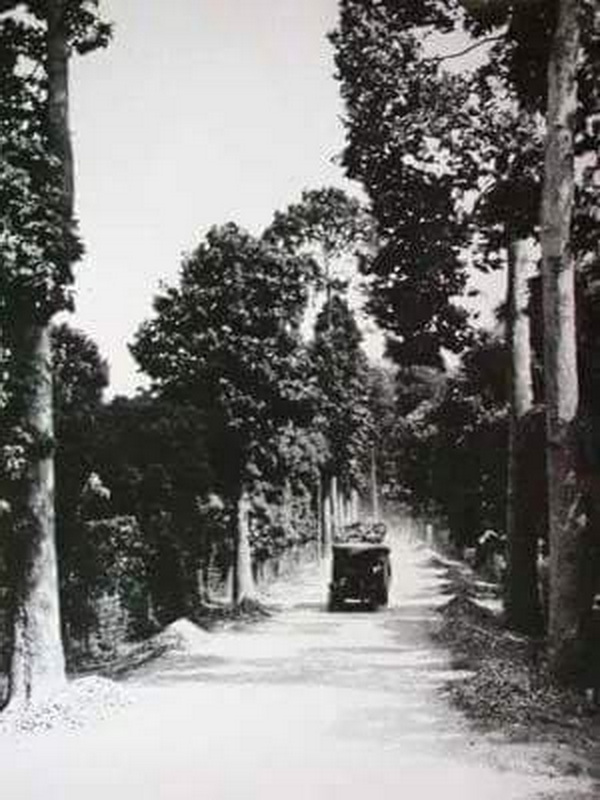
Families searching for Chiang Mai Family Friendly Attractions may appreciate the mix of low-pressure observation and cultural learning. The experience does not depend on intense physical activity or a long explanation at every stop. Children can look for differences in tree shapes, notice changes in the built environment, and ask questions about why historic communities developed along important routes.
Heritage stops that suit a curious family
Once the family has enjoyed the road’s slower rhythm, two heritage areas can add context without changing the outing into a crowded checklist. They work best as selected stops, with enough time for children to look, ask questions, and rest.
Wiang Kum kam
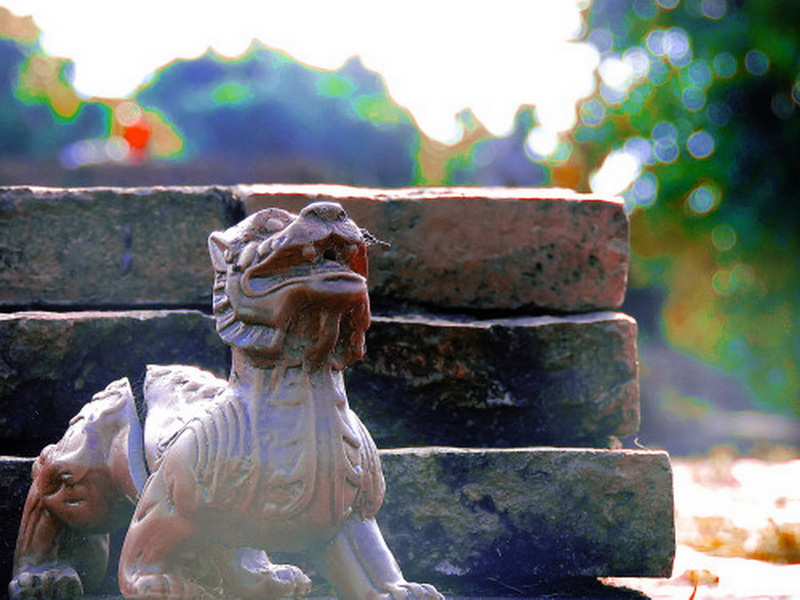
Wiang Kum Kam adds historical depth to a family visit because its remains are connected with the development of the Lanna region. The area includes archaeological and religious sites rather than one single building, so it can be approached as a story about an earlier settlement. Children may enjoy looking for differences in architectural materials and forms, while adults can provide a simple explanation of how cities change over time.
Keep the visit flexible and respectful. Some children may be most interested in visual details, while others may need a short break between sites. Families should check current access information and choose a route that matches their group’s energy, weather tolerance, and interest in history.
Wat Phra Yuen
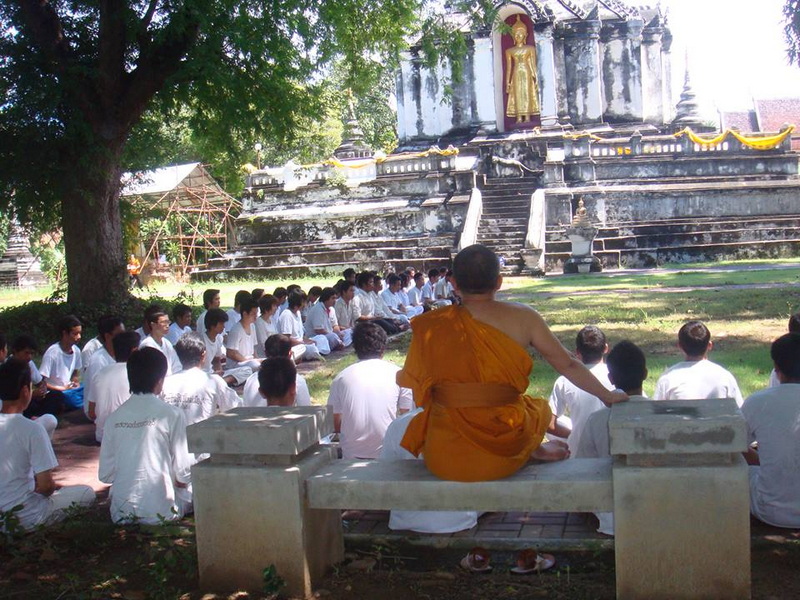
Wat Phra Yuen in Lamphun offers another opportunity to introduce children to northern Thai religious architecture and local heritage. A temple visit can be meaningful without requiring extensive background knowledge: parents can point out the arrangement of the grounds, observe decorative elements, and explain that worshippers continue to value these places today.
As at any temple, modest clothing and considerate behavior are important. Families should follow signs and local guidance, avoid disturbing religious activities, and be careful with photography. The visit is most suitable when children are given a clear purpose, such as observing architectural details or quietly making a mental note of something they find interesting, rather than being expected to remain passive for a long period.
Two nearby heritage stops to add with care
The road becomes more rewarding when paired with one or two nearby cultural places rather than treated as an isolated photo stop. Wiang Kum Kam and Wat Phra Yuen offer different ways to introduce children to northern history and religious architecture. Choosing fewer places can help the family remain engaged and leave enough time for observation instead of rushing between locations.
At each religious or historic site, adults can prepare children with simple guidance: dress respectfully, speak quietly where appropriate, avoid climbing on structures, and ask before photographing people. These habits are useful beyond this particular outing. They also help children understand that temples and heritage areas are living or respected places, not simply backdrops for pictures.
A flexible plan is especially useful for families with young children. One child may enjoy details in old brickwork or decorative forms, while another may respond more to trees, open space, or the journey itself. There is no need to make every stop educational in a formal way; short explanations followed by quiet looking can be enough.
Wiang Kum Kam for stories about an earlier city
Wiang Kum Kam is a valuable companion to a visit along the tree-lined road because it gives families a chance to connect landscape with history. The former settlement is associated with the early Lanna period and includes archaeological remains and temple sites spread across a wider area. Rather than presenting it as one compact monument, parents can describe it as a historic urban landscape whose surviving places help reveal how communities once lived and worshipped.
For children, the site can become a simple discovery exercise. They might notice the difference between weathered brick structures and newer religious buildings, compare decorative details, or sketch a feature that catches their attention. Older children may be interested in how flooding, rivers, settlement patterns, and political history can influence the life of a city. The explanation should remain age-appropriate and avoid turning the visit into a lecture.
Because the historic area includes separate points of interest, families should confirm the current layout and practical arrangements before visiting. Comfortable clothing, sun protection, drinking water, and planned breaks are sensible considerations in northern Thailand’s warm conditions. A Tour in Chiangmai that includes heritage interpretation can be helpful for families who prefer context, but parents should check whether the pace and content suit their children before booking any experience.
How to plan a comfortable Saraphi and Lamphun day
Begin by deciding what the family wants from the outing. If the goal is simply to enjoy scenery, allow time for a relaxed drive and a small number of pauses. If the children are interested in history, choose one cultural landmark for a longer visit and use the road as the connecting experience. Trying to cover every possible point can make a peaceful route feel tiring.
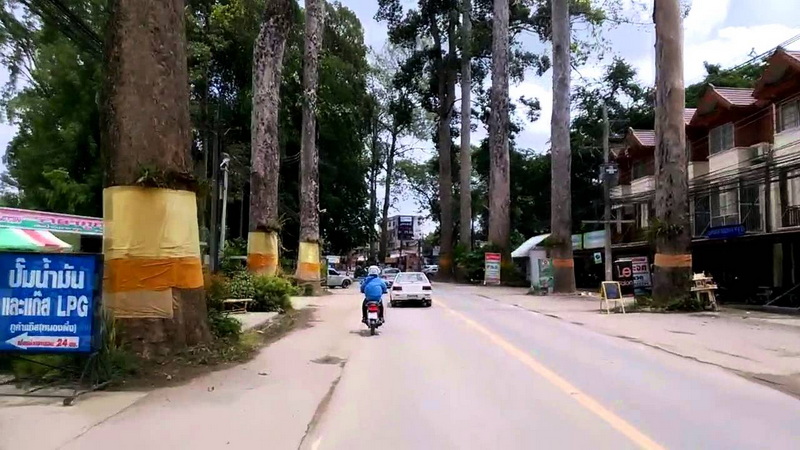
The phrase Saraphi Old Rubber Tree Road is useful when discussing the Chiang Mai side of the route, while Rubber Tree Road Chiang Mai-Lamphun describes its broader regional identity. Whichever wording appears on maps or local references, families should confirm the exact meeting point and route before leaving. Road conditions, local activity, and navigation information may change, and a map label does not necessarily indicate a formal attraction entrance.
A family day is usually easier when adults prepare for small practical needs. Carry water and simple snacks where appropriate, protect children from strong sun, and bring clothing suitable for respectful temple visits. Allow children to walk only where it is clearly appropriate, and keep them close near roads, waterways, uneven surfaces, or heritage structures. These are general planning precautions rather than claims about conditions at every location.
Families may also consider a locally guided tour if they value storytelling and do not want to manage every navigation decision. When comparing a Tour in Chiangmai, ask what type of visit is offered, how much walking is expected, whether children are included comfortably, and whether the guide explains local culture in a respectful way. Avoid choosing solely because an itinerary lists many stops; a slower, well-explained visit can be more memorable for young travelers.
The most rewarding approach is to leave room for ordinary moments. A child noticing the repeating line of trees, asking why a temple is positioned where it is, or comparing the quiet road with central Chiang Mai may be taking in more than a rushed checklist allows. Families can finish with a shared meal or return to town without needing to label the day a success by the number of attractions completed.
A flexible route for shared discovery
Old Rubber Tree Road is well suited to families who prefer a calm day shaped by scenery, conversation, and selected cultural visits. The road itself offers a distinctive sense of place, while Wiang Kum Kam and Wat Phra Yuen can help connect that landscape with northern Thailand’s history and living traditions. Plan lightly, confirm current details, respect local communities, and allow children to set some of the pace. That combination can turn a simple journey between Saraphi and Lamphun into a thoughtful family memory.
