Major Sights and Guided Trekking from Ban Pha Mon Village
A thoughtful base for exploring mountain landscapes, community life, caves, and guided routes in northern Thailand
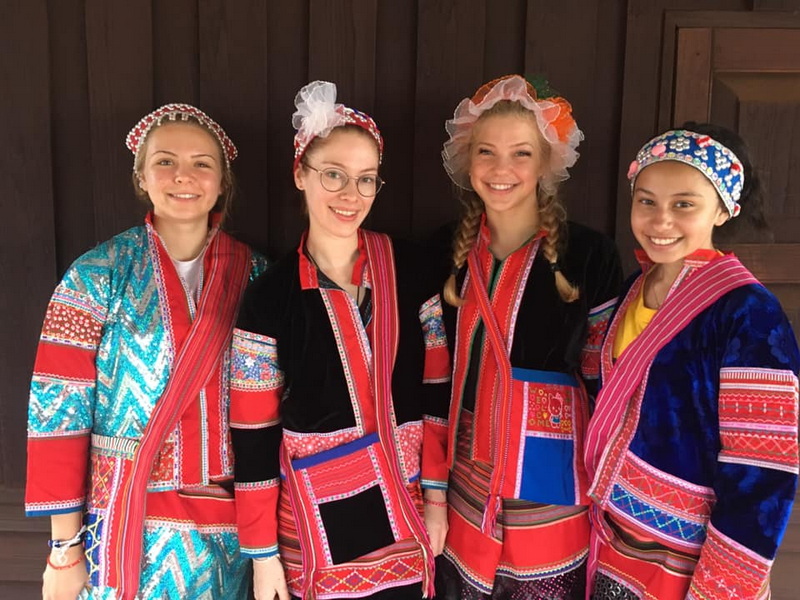
In Pang Mapha District, Mae Hong Son, Ban Pha Mon Village provides a useful starting point for travelers who want to combine mountain scenery with informed local guidance. The village is associated with several names, including Ban Phamon and Ban Huai Pha Mon, so visitors may encounter different spellings while researching the area. More important than the name variation is the setting: a rural community within a region known for forested hills, karst landscapes, caves, and culturally diverse villages. This article focuses on how guided trekking can connect Ban Pha Mon with the wider attractions of Mae Hong Son. A trek here is not simply a walk between viewpoints. Depending on the route and local arrangements, it may offer opportunities to observe farming landscapes, forest conditions, village surroundings, and the practical knowledge needed to move through uneven terrain respectfully. The nearby Tham Lod Cave and Ban Muang Pam add contrasting experiences, allowing a trip to include both geological interest and community-based exploration. Conditions and services can change, and routes should be discussed with local guides before departure. The most reliable approach is to treat Ban Pha Mon as a cultural and landscape base rather than as a fixed tour package, then shape the visit around current local advice, personal ability, weather, and community expectations.
A regional setting shaped by mountains and limestone
Mae Hong Son is a province of mountain roads, forested ridges, valleys, and communities whose daily life is closely connected with the surrounding landscape. In Pang Mapha, limestone formations and cave systems add another layer to the scenery. This combination makes the district appealing to travelers who prefer gradual discovery over a short list of urban landmarks. A route may pass through agricultural land before entering woodland, while a separate excursion may focus on a cave, a village viewpoint, or a cultural setting.
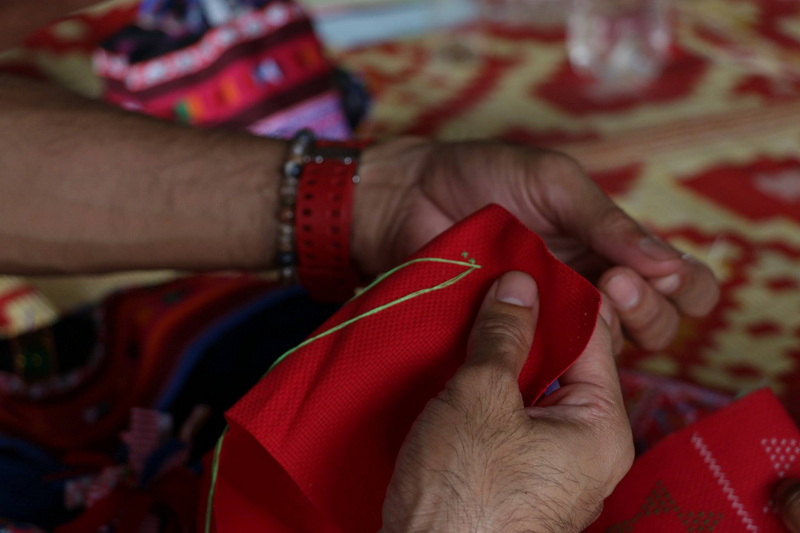
The phrase Mae Hong Son Top Attractions can suggest a simple checklist, but the province is better understood as a collection of experiences with different levels of physical and cultural engagement. Caves reveal the region's geology, while villages provide insight into settlement patterns, farming, food traditions, and community life. Trekking helps connect these elements because it follows the shape of the terrain rather than separating every sight into an isolated stop.
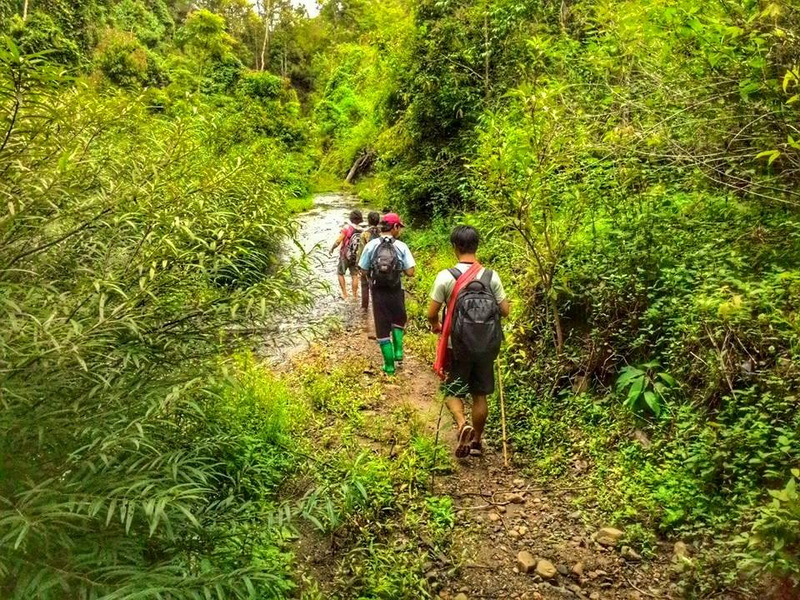
Ban Pha Mon is particularly suitable for travelers who want a quieter point of reference for exploring the Pang Mapha area. Its value lies in its relationship with nearby trails and communities, not in exaggerated claims about a single spectacular feature. Visitors should allow space for pauses, changing conditions, and explanations from people who know the local environment. That slower rhythm can make the surrounding attractions more meaningful.
Two complementary experiences near the village
Trekking from Ban Pha Mon becomes more rewarding when paired with nearby places that reveal different sides of the Pang Mapha landscape. These two stops move the journey from forest paths to underground geology and community context.
Tham Lod Cave
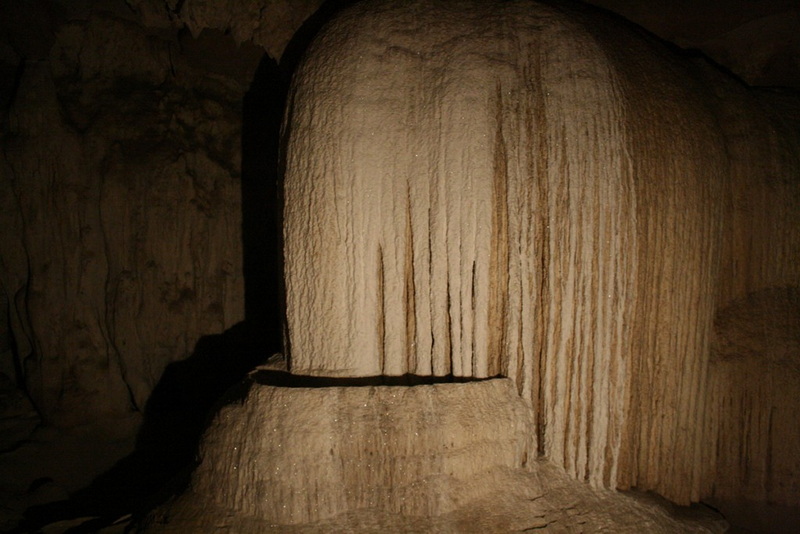
Tham Lod Cave is one of the best-known natural attractions in the Pang Mapha area and provides a strong contrast to a forest trek. The cave system is associated with limestone geology and underground passages shaped by water over long periods. Its scale and darkness create a different kind of landscape from the open hills around Ban Pha Mon, encouraging visitors to think about the processes beneath the surface as well as the scenery above it.
A visit should be approached as a guided cave experience rather than an independent scramble through an unfamiliar underground environment. Uneven ground, low light, and damp surfaces require attention, and local guidance helps visitors move carefully while respecting the cave's physical and cultural setting. The attraction can complement a village-based itinerary, especially for travelers who want to combine walking outdoors with an introduction to the region's geology.
Ban Muang Pam
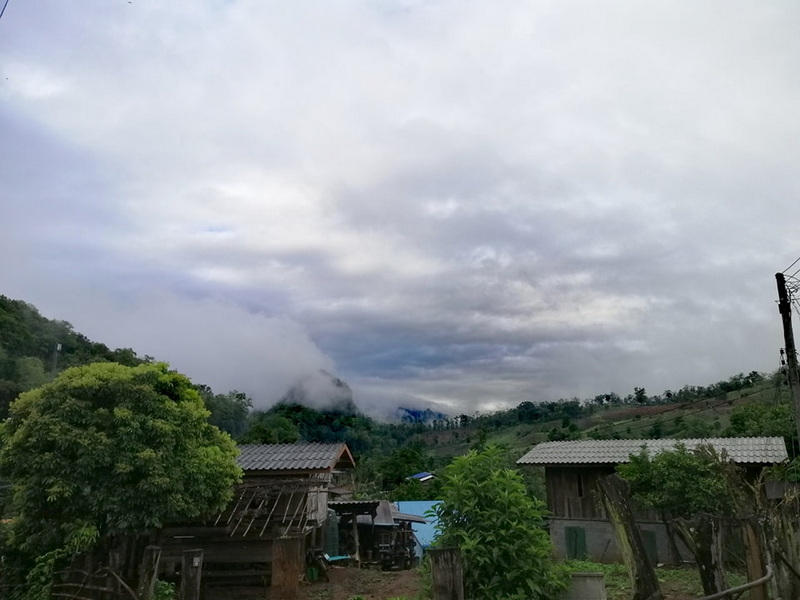
Ban Muang Pam offers another way to understand the human landscape around Pang Mapha. Like other rural communities in the region, it should be approached with sensitivity and without assuming that a visitor's brief impression represents the whole identity of the village. The interest is in seeing how settlement, work, landscape, and local traditions relate to one another, ideally through information shared by residents or a guide.
Including Ban Muang Pam after time in Ban Pha Mon can broaden a traveler's perspective on northern mountain communities. The two places should not be treated as interchangeable attractions or as scenery arranged for tourists. Instead, travelers can pay attention to differences in setting and daily activity while keeping a respectful distance from private life. A calm visit, modest photography, and willingness to follow local guidance help preserve the quality of the encounter.
Understanding Ban Pha Mon Village as a trekking base
Ban Pha Mon Village is best understood as a community setting within the wider Pang Mapha landscape, rather than simply as a starting marker on a map. The village surroundings can help trekkers notice how homes, cultivated areas, forest edges, and mountain routes fit together. Depending on local guidance and current conditions, a walk may connect these everyday landscapes with broader trails, but visitors should avoid assuming that every path is public or available for independent use.
Names such as Ban Pha Mon, Ban Phamon, and Ban Huai Pha Mon may appear in maps or travel discussions. These variations can make research confusing, so confirming the intended place with a local contact is sensible. A respectful visit also means keeping noise low, asking before taking photographs, and treating homes, farms, and community spaces as lived environments rather than attractions arranged for observation.
What guided trekking can add to the journey
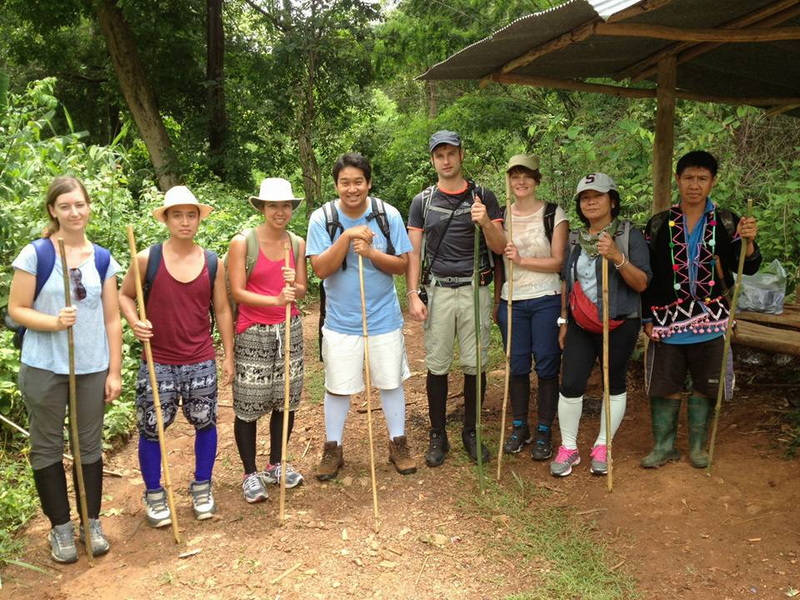
Guided Trekking Tours Mae Hong Son can vary considerably in length, difficulty, and emphasis. Some experiences are primarily nature walks through forest and hillside terrain, while others connect village areas with caves, agricultural spaces, or longer rural routes. The exact options available from Ban Pha Mon should be confirmed locally because weather, trail conditions, community schedules, and guide availability may affect the route. It is better to choose a suitable experience after discussing these factors than to select a route only because its name sounds adventurous.
A local guide can contribute practical knowledge that is difficult to obtain from a map alone. They may explain how a trail relates to nearby settlements, identify changes in vegetation, point out cultivated areas, or describe the way seasonal weather affects the ground. This guidance is also useful for judging steep sections, slippery surfaces, stream crossings, and rest points. Such information supports confidence without turning the landscape into a performance or promising wildlife encounters.
Before booking, travelers should ask clear questions about walking duration, terrain, expected pace, group size, language support, food arrangements if relevant, and what equipment is appropriate. They should also mention health concerns, previous trekking experience, and any mobility limitations. A responsible operator or community contact should be able to explain the plan in understandable terms. When details are uncertain, visitors should regard that as a reason to clarify rather than assume.
Respect is part of the trekking experience. Walkers should follow the guide's advice about private land, homes, farms, religious places, and photography. Ask before photographing residents, children, ceremonies, or domestic activities, and avoid treating traditional clothing or cultural difference as a spectacle. Purchasing local products when appropriate and listening to community explanations can support a more balanced exchange, but visitors should not expect residents to perform culture for them.
Choosing a thoughtful route from Ban Pha Mon
Ban Pha Mon Village works best as a starting point for attentive exploration rather than a promise of a standardized adventure. Guided trekking can bring together mountain ecology, village surroundings, and local knowledge, while Tham Lod Cave and Ban Muang Pam add geological and cultural depth. Confirm current conditions with local contacts, choose a route that matches your ability, and approach community spaces with consent and patience. With those considerations in place, a journey through Pang Mapha can feel both adventurous and responsible.
