Monday, August 3, 2026

Discover Chiang Mai Markets with Unseen Attractions and Evening Activities

Discover Chiang Mai Markets with Unseen Attractions and Evening Activities

Explore lesser-known market treasures and vibrant evening scenes in Chiang Mai Province
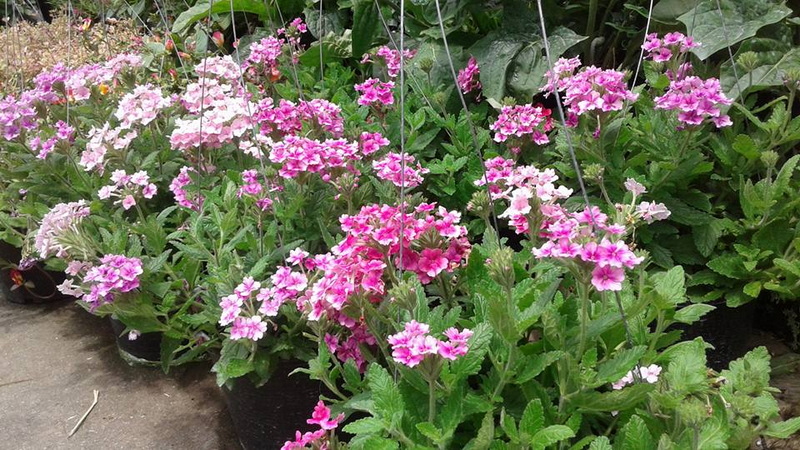
Pink and white flowers in pots with greenery in the background at Chiang Mai Markets.

Chiang Mai Markets offer more than the well-trodden paths of bustling stalls and popular souvenirs. Beyond the familiar tourist hubs lie hidden gems where local culture thrives in quieter, more authentic settings. These unseen attractions in Chiang Mai reveal a side of the city’s market life rarely experienced by casual visitors. Evening activities at these markets transform the atmosphere, blending the aromas of street food with lively local interactions under soft lighting. For travelers seeking to immerse themselves in Chiang Mai Province’s rich cultural fabric, exploring these lesser-known markets after dusk presents a unique opportunity to witness everyday life and vibrant night scenes away from the crowds. This guide highlights where to find these hidden markets, what makes them distinct, and how to enjoy them respectfully, making your evening explorations some of the most memorable things to do in Chiang Mai evening hours.

Unveiling the Hidden Markets of Chiang Mai

While Chiang Mai is famed for its Night Bazaar and Warorot Market, several lesser-known markets offer travelers a more intimate glimpse into local life. These markets often escape the typical tourist itinerary, providing a quieter yet culturally rich shopping experience. Scattered throughout Chiang Mai Province, they cater primarily to residents, preserving traditions and vendor-customer relationships that have evolved over decades.

One such market is the Muang Mai Market, a sprawling daytime venue with a strong local customer base. Unlike tourist-heavy markets, Muang Mai offers a diverse range of fresh produce, local handicrafts, and everyday essentials. Its authentic vibe is complemented by vendors who welcome visitors with genuine warmth, eager to share stories behind their goods.

Another hidden gem is the Ton Payom Market, known for its fresh ingredients and regional specialties. This market is not only a place for shopping but also a cultural hub where locals gather, creating an atmosphere that feels more like a community event than a commercial space. Exploring these unseen attractions in Chiang Mai allows visitors to connect with the province’s living traditions beyond the usual tourist experience.

Close-up of vibrant pink, red, yellow, and pink flowers with green leaves at Chiang Mai Markets.

Distinctive Features of Chiang Mai’s Lesser-Known Markets

What sets these hidden markets apart is their strong emphasis on local products and cultural authenticity. Unlike the more commercialized markets, they often showcase handmade goods crafted by artisans from surrounding villages. Textiles dyed with natural colors, intricately woven baskets, and ceramics shaped by local potters reflect the creativity and heritage of the region.

Food stalls at these markets serve traditional Northern Thai dishes rarely found in tourist areas. Items such as khao soi (coconut curry noodle soup) and sai ua (spicy herbal sausage) are prepared with recipes passed down through generations. The markets’ food vendors often engage visitors with stories about their cooking methods, making the culinary experience both delicious and educational.

Another unique aspect is the market layout and timing. Many of these markets operate during early mornings or late afternoons, aligning with local shopping habits and climate considerations. Their smaller scale encourages leisurely browsing and meaningful interactions with vendors, contrasting the hurried pace of larger tourist markets.
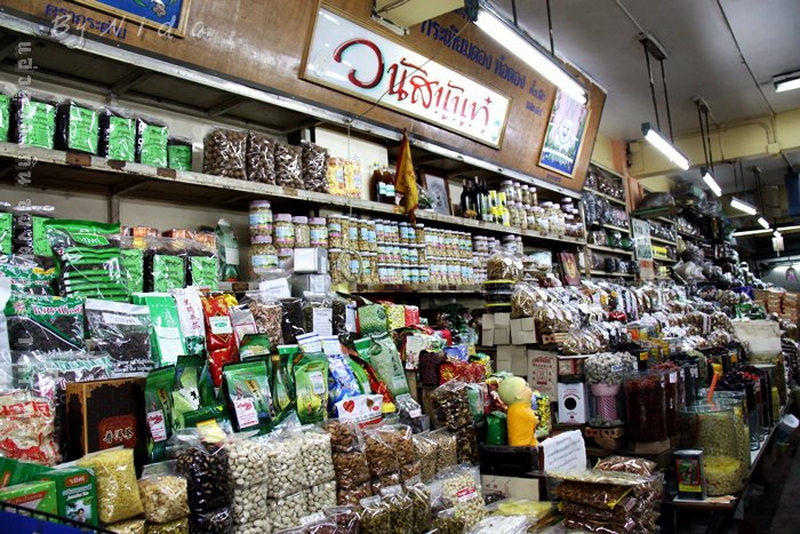
Interior of a shop with dried foods and packaged products on shelves at Chiang Mai Markets.

Evening Activities and Atmosphere in Chiang Mai Markets

As daylight fades, some of these hidden markets transform into lively evening spots where locals and visitors mingle. The combination of soft lantern light, sizzling street food, and casual entertainment creates an inviting ambiance unique to Chiang Mai Province. Evening markets like the Saturday Walking Street in less touristy neighborhoods offer a blend of arts, crafts, and street performances that celebrate the city’s creative spirit.

Nighttime is also when food stalls come alive with an array of street delicacies tempting passersby. The vibrant smells of grilled meats, fresh herbs, and sweet desserts fill the air, inviting exploration. Visitors can sample small plates from multiple vendors, turning dinner into a social and sensory adventure.

Beyond food, evening markets often feature local musicians or traditional dance performances, providing cultural enrichment alongside shopping. This integration of entertainment and commerce reflects the markets’ role as community gathering places rather than mere retail centers. Engaging with this evening culture offers travelers a deeper appreciation of Chiang Mai’s social rhythms and festive traditions.
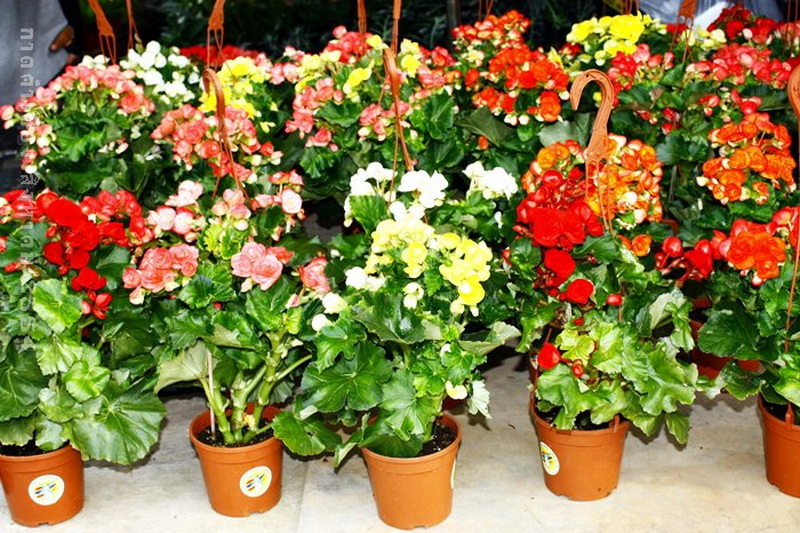
Colorful flowering plants with green leaves in terracotta pots on display at Chiang Mai Markets.

Tips for Respectful and Rewarding Market Exploration

To fully enjoy these unseen attractions in Chiang Mai, it’s important to approach visits with cultural sensitivity and respect. Vendors are community members whose livelihoods depend on these markets, so interactions should be courteous and mindful. Learning a few basic Thai phrases or greetings can foster goodwill and enrich conversations.

Visiting during off-peak hours can enhance the experience by reducing crowd pressure and allowing more personal exchanges. Early evenings are often ideal, combining the vibrant market atmosphere with cooler temperatures. Carrying cash in small denominations is advisable, as many vendors do not accept cards or large bills.

Photographing vendors or their goods should always be done with permission to respect privacy and dignity. Taking time to observe the market’s rhythms and listening to vendor stories offers a more meaningful connection than hurried shopping. Lastly, supporting local artisans by purchasing handmade items helps sustain traditional crafts and the cultural fabric of Chiang Mai Province.

Why This Place Stays With You

Exploring the unseen markets of Chiang Mai reveals a vibrant tapestry of local culture, craftsmanship, and community spirit often overlooked by conventional travel routes. These markets offer a welcome respite from crowded tourist hubs, inviting visitors to engage with authentic daily life and unique evening activities. By approaching these experiences with curiosity and respect, travelers can enrich their understanding of Chiang Mai Province and create lasting memories that go beyond typical sightseeing. Whether savoring a rare Northern Thai dish or chatting with artisans under lantern light, the hidden markets beckon as a rewarding journey into the heart of this remarkable city.

Sunday, August 2, 2026

Khantoke Dinner with Restaurant Packages and Cultural Attractions in Chiang Mai

Khantoke Dinner with Restaurant Packages and Cultural Attractions in Chiang Mai

Discover the perfect blend of traditional Lanna cuisine and cultural experiences with Khantoke dinner packages and evening activities in Chiang Mai

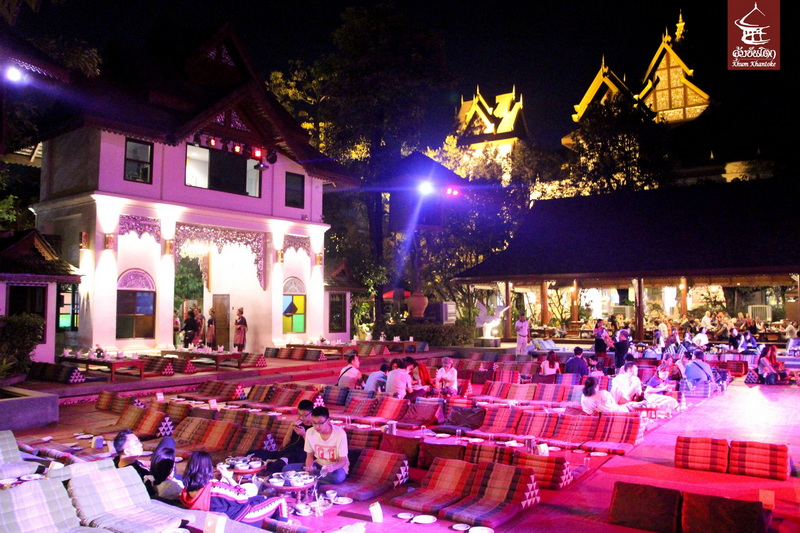
Night scene of outdoor dining with cushions, lights, and traditional Thai architecture in background at Khantoke Dinner.

In the heart of Northern Thailand, Chiang Mai offers a unique cultural dining experience known as the Khantoke Dinner. This traditional Lanna meal is more than just food; it is a celebration of the region’s heritage, served in an intimate, communal setting that invites travelers to engage with local customs and flavors. Many Chiang Mai restaurants and dinner tour packages now include Khantoke dinners, combining authentic cuisine with immersive cultural attractions to enhance the visitor experience. Exploring Chiang Mai’s cultural attractions alongside a Khantoke dinner provides a deeper understanding of the city’s rich history and vibrant traditions. Evening activities in Chiang Mai complement this cultural dining experience, creating opportunities for travelers to enjoy performances, art, and local nightlife after their meal. This guide highlights how to combine restaurant packages featuring Khantoke dinner with cultural sightseeing and evening entertainment, offering practical insights for those seeking an enriching and memorable visit to Chiang Mai. Whether you are a culture-focused traveler or a practical trip planner, engaging with Khantoke dinners and related cultural attractions opens a window into the Lanna way of life. This experience is ideal for those who want to savor local tastes while also immersing themselves in the artistic and historical fabric of Chiang Mai during the evening hours.

An Overview of Khantoke Dinner and Restaurant Packages

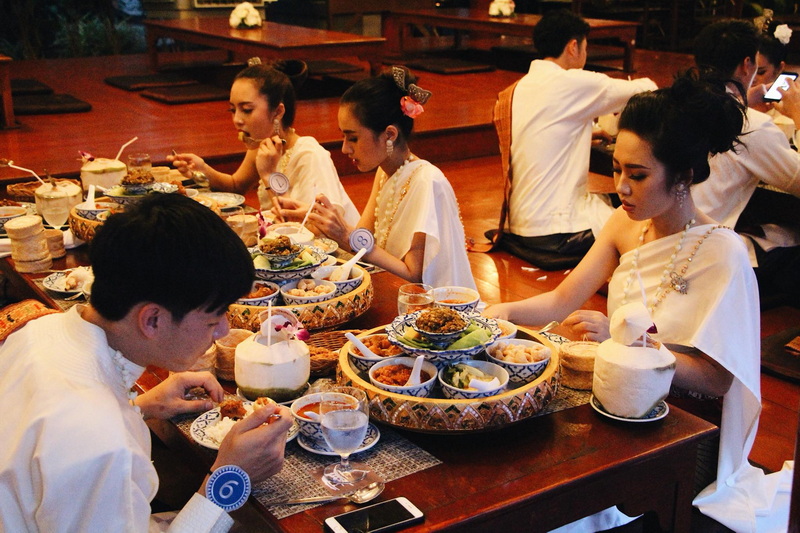
Khantoke dinner is a traditional northern Thai dining experience centered around a low, round wooden table called a 'khantoke.' Guests sit on the floor or cushions while enjoying a variety of small dishes that showcase the flavors and ingredients of Lanna cuisine. These dishes typically include sticky rice, grilled meats, spicy salads, and rich curries, all presented with an emphasis on balance and harmony in taste. Travelers researching Chiang Mai Cultural Attractions can use these details when planning the trip. Travelers researching Things To Do In Chiang Mai Evening can use these details when planning the trip.

Many Chiang Mai restaurants have embraced the Khantoke dinner as part of their offerings, often packaging it within broader dinner tour experiences. These packages may include transportation, cultural performances, and guided explanations of the dishes and customs involved. Choosing a restaurant package not only guarantees an authentic meal but also provides context about the cultural significance of each dish and the traditions behind the communal dining style.

Beyond the meal itself, these packages often feature live traditional music, dance performances, and storytelling that reflect the heritage of the Lanna Kingdom. This combination of dining and cultural entertainment makes Khantoke dinners a favored choice among travelers looking for a comprehensive cultural immersion in Chiang Mai’s culinary scene.

Exploring Chiang Mai Cultural Attractions Alongside Khantoke Dining

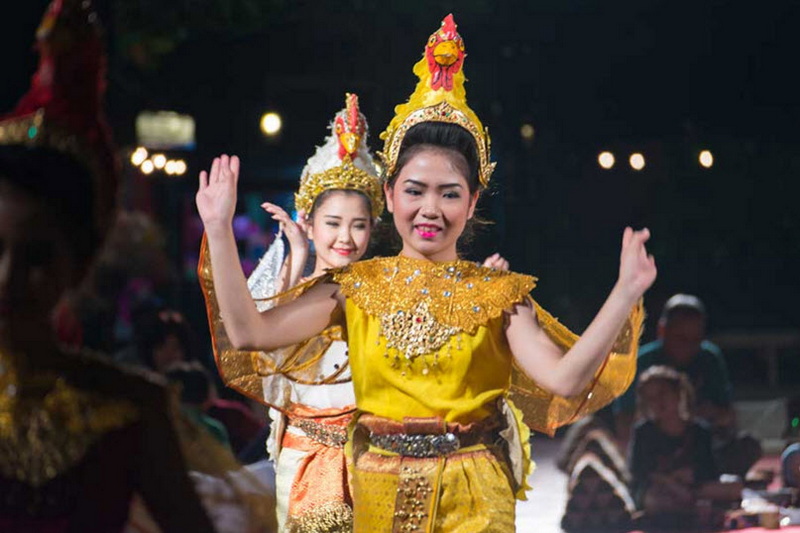
Thai Tradition Dance at Old Chiangmai Cultural Center

Chiang Mai is rich with cultural attractions that complement the Khantoke dining experience perfectly. Visitors can explore ancient temples, traditional craft villages, and museums that showcase the history and artistry of the region before or after their meal. These attractions provide valuable insights into the Lanna culture that Khantoke dinner celebrates.

Many cultural attractions in Chiang Mai emphasize the preservation and presentation of Lanna heritage, including the art of weaving, silverwork, and traditional dance. Pairing a Khantoke dinner with visits to these sites enhances the understanding of the cultural context behind the meal and its associated customs.

Tour packages often integrate visits to cultural landmarks with the Khantoke dinner, allowing travelers to experience a full day or evening of cultural engagement. This approach offers a practical way to combine sightseeing with dining, ensuring that visitors can appreciate both the flavors and the stories that define Northern Thailand’s identity.

Women in traditional costumes dancing at night with ornate headpieces at Khantoke Dinner.

Evening Activities to Complement Khantoke Dinner and Sightseeing

Chiang Mai’s vibrant evening scene offers a variety of activities that pair well with Khantoke dinners and cultural sightseeing. After enjoying a traditional meal, travelers can attend night markets, watch cultural performances, or take part in evening tours that highlight the city’s illuminated temples and lively streets.

Night food tours are particularly popular for those who want to explore local tastes beyond the Khantoke experience. These tours often include stops at street vendors and small eateries, providing a broader perspective on Chiang Mai’s culinary diversity and bustling nighttime atmosphere.

For those interested in cultural entertainment, many venues host traditional dance and music shows that continue the themes introduced during the Khantoke dinner. These performances offer additional layers of cultural appreciation and create memorable nighttime experiences that blend food, art, and local traditions.

Combining these evening activities with a Khantoke dinner and cultural sightseeing offers a well-rounded itinerary that engages all the senses and enriches the traveler’s connection to Chiang Mai’s heritage.

Tips for Combining Khantoke Dining with Cultural Sightseeing in Chiang Mai

To make the most of your Khantoke dinner experience alongside cultural sightseeing, it is helpful to plan your day carefully. Booking restaurant packages in advance ensures availability and often includes transportation, which can simplify logistics and maximize your time for exploration.

Consider scheduling your Khantoke dinner after visiting key cultural attractions to allow for a relaxed evening meal that celebrates the day’s experiences. Many tour operators offer combined packages that include visits to temples or craft villages followed by a Khantoke dinner with performances.

People enjoying a traditional meal with multiple dishes on a wooden table indoors at Khantoke Dinner.

Be mindful of the cultural significance of the Khantoke dinner. Dressing modestly and showing respect for local customs enhance the authenticity and enjoyment of the experience. Engaging with the performances and asking questions about the traditions can deepen your appreciation and create meaningful interactions with hosts and performers.

If you plan to include evening activities such as night markets or cultural shows, check the timing carefully to ensure a smooth transition from dinner to entertainment. This approach helps create a seamless cultural journey through Chiang Mai’s evening offerings.

Summary and Recommendations for Experiencing Khantoke Dinner in Chiang Mai

Khantoke dinner remains one of the most authentic ways to experience the culture and cuisine of Northern Thailand. When combined with Chiang Mai restaurant packages and cultural attractions, it offers travelers an immersive and educational evening.

Selecting a well-reviewed restaurant package that includes cultural performances and guided explanations can enhance your understanding and enjoyment of the meal. Pairing this with visits to Chiang Mai’s cultural sites and evening activities creates a comprehensive itinerary that respects and celebrates Lanna heritage.

Whether you are a first-time visitor or a returning traveler, planning your Khantoke dinner alongside cultural sightseeing and evening entertainment ensures a rich and memorable experience. This combination highlights the best of Chiang Mai’s culinary traditions and vibrant cultural life after dark.

Why This Place Stays With You

A Khantoke dinner in Chiang Mai is more than a meal—it is a gateway to understanding the region’s cultural soul. By choosing restaurant packages that integrate traditional dining with cultural attractions and evening activities, travelers gain a holistic experience that enriches their visit. This approach not only satisfies the palate but also nurtures curiosity and respect for Northern Thailand’s living heritage. Embracing these combined experiences offers a rewarding way to explore Chiang Mai’s unique blend of cuisine, history, and nighttime vibrancy.

Saturday, August 1, 2026

Exploring Chiang Mai Street Food Night Markets with Food Tours and Night Activities

Exploring Chiang Mai Street Food Night Markets with Food Tours and Night Activities

Discover vibrant street food experiences alongside top evening activities in Chiang Mai’s lively night markets

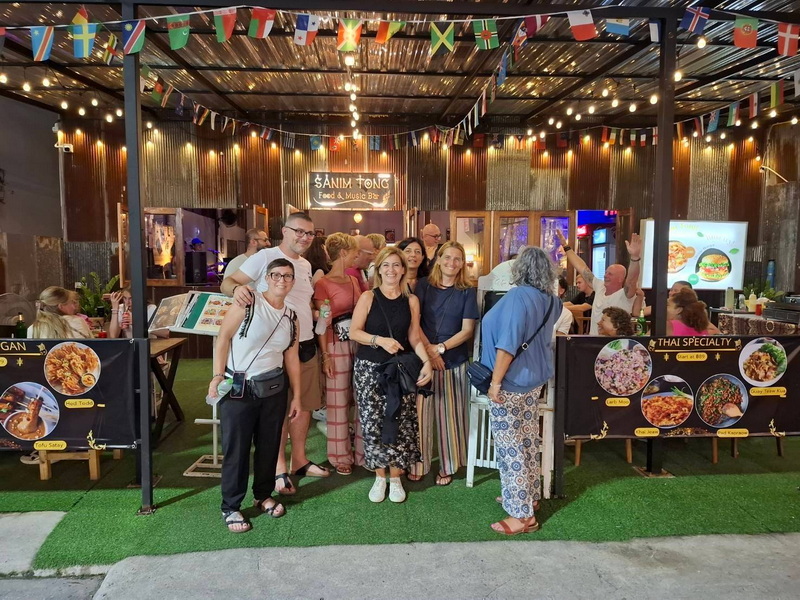
People gathered outside a food and music bar decorated with flags and string lights at Chiang Mai Street Food Night Markets.

Chiang Mai’s street food night markets are a dazzling showcase of flavors, aromas, and local culture that come alive as the sun sets. For food enthusiasts and active evening visitors alike, these markets offer a unique blend of authentic culinary delights and bustling nighttime energy. Exploring Chiang Mai Street Food Night Markets is not just about tasting delicious dishes; it’s an immersion into the local way of life, where vendors serve up everything from grilled meats and spicy salads to sweet desserts and refreshing drinks. Beyond the food stalls, Chiang Mai offers a rich array of night activities that complement the street food experience. Whether you join a guided Chiang Mai Food Tour to sample the best bites or venture out on your own to discover hidden gems, the city’s night markets are a hub for entertainment, socializing, and cultural discovery. This article highlights how combining food tours with the top things to do in Chiang Mai at night creates an unforgettable evening filled with flavor and fun.

A Flavorful Introduction to Chiang Mai Street Food Night Markets

Chiang Mai’s night markets are renowned across Thailand for their vibrant atmosphere and incredible street food variety. As twilight descends, dozens of market stalls light up, each offering an array of regional specialties and inventive snacks. From the classic khao soi, a creamy coconut curry noodle soup, to sai ua, the fragrant Northern Thai sausage, the markets showcase the rich culinary heritage of the Lanna culture.

Visitors can find an impressive diversity of dishes that cater to all tastes, including vegetarian and halal options, reflecting Chiang Mai’s welcoming and multicultural spirit. The markets are also places of lively social interaction, where locals and tourists mingle, sharing tables and stories over plates of freshly prepared food.

The best night markets in Chiang Mai, such as the famous Sunday Walking Street and the bustling Warorot Market, offer more than just food — they are vibrant centers of local life, with artisans, musicians, and performers adding layers of sensory enjoyment to your visit.

Immersive Chiang Mai Food Tours: Guided Culinary Adventures

For those eager to dive deeper into Chiang Mai’s culinary scene, Chiang Mai Food Tours provide a structured and insightful way to explore the street food night markets. These tours typically guide small groups through a curated selection of stalls, introducing participants to signature dishes and lesser-known local treats.

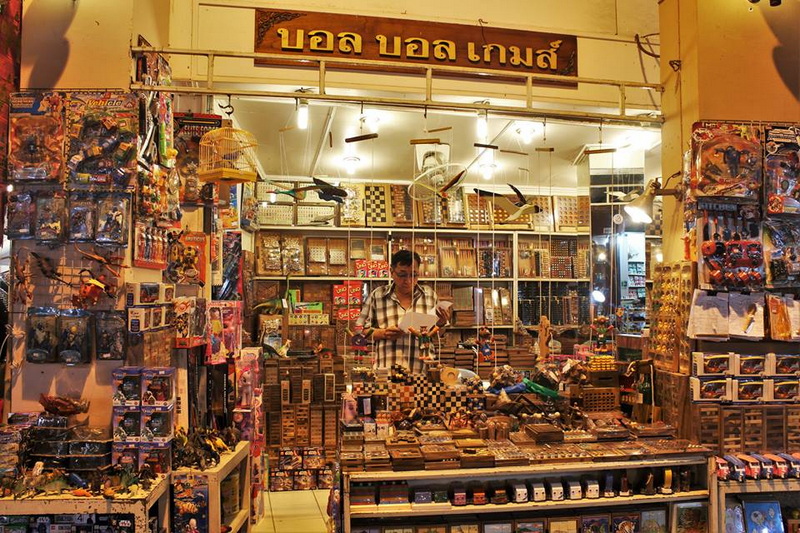
Shopkeeper browsing toys and stationery in a busy toy shop display at Chiang Mai Street Food Night Markets.

A typical food tour includes tastings of grilled meats, spicy papaya salad, steamed dumplings, and sweet sticky rice desserts, paired with refreshing herbal drinks. Knowledgeable guides share stories about the origins of each dish, cooking methods, and cultural significance, enriching the tasting experience.

Many tours also highlight halal food options, ensuring inclusivity for all visitors. These tours are ideal for food enthusiasts who want a comprehensive overview without the guesswork, and they perfectly complement other top things to do in Chiang Mai, especially for first-time visitors eager to experience authentic local flavors safely and thoroughly.

Top Things To Do In Chiang Mai After Dark Beyond Food

While the street food is the star attraction, Chiang Mai’s night markets are surrounded by a variety of activities that keep the evening lively and engaging. After sampling your fill, you can enjoy traditional music performances, watch street artists at work, or browse stalls filled with handicrafts and souvenirs.

For those interested in cultural immersion, some markets offer interactive experiences such as lantern releasing or local dance demonstrations that provide a glimpse into Northern Thai traditions. Additionally, casual strolls through the illuminated old city streets reveal charming cafes, bars, and live music venues where you can relax and soak up the night’s ambiance.

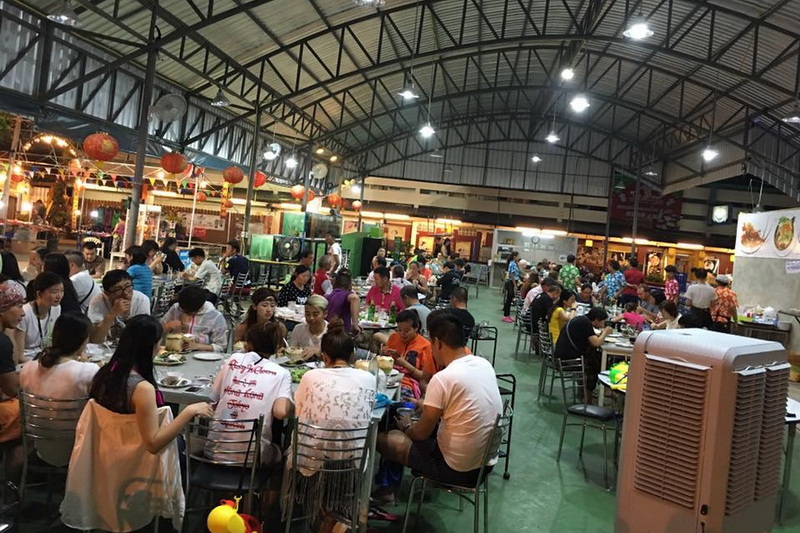
Indoor market dining area with many people eating and food stalls in the background at Chiang Mai Street Food Night Markets.

Night activities in Chiang Mai also include visiting nearby temples that are beautifully lit at night, offering a peaceful contrast to the bustling markets. These options make the evening a well-rounded experience that blends food, entertainment, and cultural exploration.

Tips for Enjoying Chiang Mai Street Food Night Markets Safely and Respectfully

Experiencing Chiang Mai’s street food night markets is a sensory delight, but it’s important to approach with respect and awareness. Always observe local customs, such as polite greetings and patient queuing, to honor the vendors and fellow visitors.

When sampling street food, choose stalls that appear busy and clean, as this is often a sign of freshness and quality. If you have dietary restrictions, including halal preferences, many markets have clearly labeled stalls or dedicated vendors who can accommodate you without fuss.

Remember to carry small bills for easy transactions and be mindful of waste by using provided bins or carrying your own reusable containers when possible. Engaging with vendors in a friendly manner enhances the experience and supports the vibrant local economy behind these night markets.

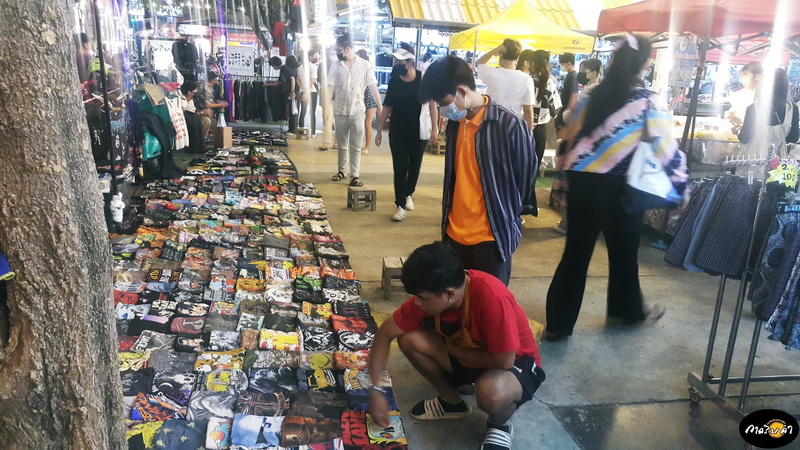
Shoppers browsing fabric and clothing stalls at an indoor market at Chiang Mai Street Food Night Markets.

Combining Food Tours with Night Activities for a Memorable Chiang Mai Evening

The true magic of Chiang Mai’s night markets unfolds when you combine a street food tour with exploration of the city’s night activities. Starting your evening with a guided food tour ensures you taste the best dishes without missing hidden favorites. Following that, you can venture into the lively market streets to shop for handcrafted souvenirs or enjoy cultural performances.

This blend of flavors and entertainment creates a dynamic night out that appeals to both food enthusiasts and those seeking engaging nighttime experiences. Whether you prefer a relaxed pace or a more energetic adventure, Chiang Mai’s night markets provide a customizable evening filled with discovery and delight.

Such evenings leave visitors with lasting memories of the city’s warmth, hospitality, and culinary richness, encouraging return visits and deeper exploration of Northern Thailand’s cultural landscape.

A Last Look at the Journey

Chiang Mai Street Food Night Markets offer more than just meals; they provide a vibrant gateway into the heart of the city’s culture and nightlife. By embracing both the culinary delights and the diverse night activities available, visitors can craft an evening that is as rich in experiences as it is in flavors. Whether joining a food tour or wandering independently, the markets invite you to taste, explore, and celebrate the lively spirit that makes Chiang Mai a must-visit destination for night owls and food lovers alike.

Things To Do In Chiang Mai Evening with Food Tours and Street Markets

Things To Do In Chiang Mai Evening with Food Tours and Street Markets

Explore Chiang Mai’s vibrant evening food tours, top activities, and bustling street food markets for an unforgettable night.

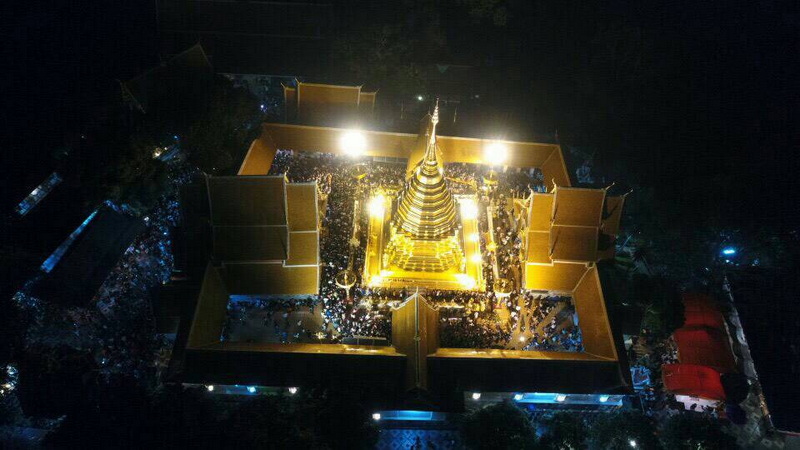
Aerial view of a golden stupa illuminated at night within a square structure at Things To Do In Chiang Mai Evening.

Chiang Mai offers a rich tapestry of evening experiences that blend flavorful culinary adventures with cultural and social activities. As the sun sets, the city transforms into a lively hub where food lovers and curious travelers can explore an array of night food tours, vibrant street markets, and engaging nighttime attractions. Whether you are a first-time visitor or returning traveler, the evening in Chiang Mai promises a diverse palette of tastes and sights. Focusing on Chiang Mai Food Tours, the city’s evening offerings provide a practical and immersive way to experience local cuisine and culture. These tours often combine traditional dishes with storytelling and visits to famous night markets, giving travelers a balanced taste of the city’s heritage and modern pulse. Alongside these tours, the best street food markets in Chiang Mai offer an authentic and bustling atmosphere where you can sample everything from spicy northern Thai specialties to sweet desserts. This guide highlights the top things to do in Chiang Mai during the evening, emphasizing a blend of culinary exploration, cultural context, and practical planning. It aims to help you create an exciting and manageable itinerary that respects local customs and enriches your nighttime experience in this captivating city.

Discover Chiang Mai Food Tours for Evening Culinary Adventures

One of the most engaging ways to spend your evening in Chiang Mai is by joining a food tour that focuses on the city’s unique culinary heritage. These guided tours typically take you through a variety of local eateries, from humble street stalls to well-known restaurants, allowing you to sample dishes that reflect the region’s flavors and traditions.

Chiang Mai Food Tours often include stops at specialty vendors offering northern Thai favorites such as khao soi, a fragrant coconut curry noodle soup, and sai ua, a spicy herbal sausage. Many tours also incorporate cultural elements, providing insight into the ingredients, cooking techniques, and the significance of certain dishes within Lanna culture.

Evening food tours are designed to be practical for travelers, often starting around sunset and lasting a few hours, making them ideal for those who want to experience the city’s nighttime energy without rushing. These tours also offer opportunities to meet local chefs or vendors, adding a personal touch to your culinary exploration.

For those interested in a more immersive experience, some food tours combine dining with cultural performances or visits to traditional markets, creating a well-rounded evening activity that goes beyond just tasting food.

Man and woman enjoying drinks at a boat bar on water at night at Things To Do In Chiang Mai Evening.

Top Things To Do In Chiang Mai During the Evening

Beyond food tours, Chiang Mai’s evening scene offers a range of activities that showcase the city’s charm after dark. One popular option is to explore the Old City, where illuminated temples and historic architecture create a serene backdrop for nighttime strolls.

Visitors can also enjoy cultural performances that highlight northern Thai music and dance, often combined with dinner packages that provide a traditional Lanna dining experience. These shows offer a respectful window into local customs without turning the culture into spectacle.

For a more relaxed evening, many travelers choose to visit rooftop bars or cafes that provide panoramic views of the city’s skyline. These venues often serve local craft beers or cocktails made with native ingredients, complementing the culinary theme of your night out.

Another top activity is joining an evening tour that blends sightseeing with food stops, allowing you to see some of Chiang Mai’s must-visit places illuminated at night while sampling local snacks and drinks. This combination is especially convenient for first-time visitors seeking a balanced itinerary.

Experience the Best Street Food Markets In Chiang Mai

Chiang Mai’s street food markets are a cornerstone of its nightlife and a must-visit for any traveler interested in authentic local flavors. These markets come alive after sunset, offering a diverse range of dishes that cater to all tastes and dietary preferences.

People enjoying nightlife with colorful lights and decorations in a nightclub at Things To Do In Chiang Mai Evening.

Among the most famous is the Night Bazaar, where vendors line the streets selling everything from grilled meats and fresh fruit to traditional sweets and savory snacks. The lively atmosphere here makes it an excellent place to mingle with locals and fellow travelers alike.

Other notable markets include the Saturday and Sunday Walking Streets, which not only feature food stalls but also handicrafts, art, and live performances. These markets provide a cultural immersion that extends beyond food, showcasing Chiang Mai’s vibrant community spirit.

When exploring these markets, it’s practical to try small portions from multiple vendors, allowing you to taste a wide variety of dishes. Popular specialties to look out for include mango sticky rice, spicy papaya salad, and freshly made roti pancakes.

Respect for local vendors and customs is important when visiting these markets. Being mindful of waste, asking before photographing, and supporting vendors ethically contribute to a positive and sustainable experience.

Couple enjoying dinner by the water with city lights and fountains in background at Things To Do In Chiang Mai Evening.

Combining Evening Food Tours with Nighttime Activities

To make the most of your evening in Chiang Mai, consider combining food tours with other nighttime activities. For example, starting with a guided food tour can give you a structured introduction to local flavors, followed by a visit to a street food market where you can explore on your own at a more leisurely pace.

Alternatively, pairing a cultural dinner show with a post-performance stroll through the Old City or a market can create a well-rounded evening that blends entertainment, dining, and sightseeing. This approach allows you to experience multiple facets of Chiang Mai’s nightlife without feeling overwhelmed.

For travelers interested in shopping alongside culinary exploration, some evening tours include stops at markets known for unique souvenirs and handcrafted goods, providing a chance to take home a piece of local culture.

Planning your evening with a focus on timing and location can enhance your experience. Many food tours and markets are centrally located, making it easy to walk or take short tuk-tuk rides between activities. This practical approach helps maximize your time and enjoyment.

A Last Look at the Journey

Chiang Mai’s evening offerings are a vibrant mix of culinary delights, cultural experiences, and lively markets that invite travelers to engage deeply with the city’s heritage and modern life. By focusing on Chiang Mai Food Tours, top things to do in the evening, and the best street food markets, visitors can craft an itinerary that is both exciting and respectful to local traditions. Whether savoring a bowl of khao soi on a guided tour or wandering through bustling night markets, the city’s evening charm promises memorable moments for every traveler seeking authentic experiences.

Friday, July 31, 2026

Private Trekking Tours Context in Northern Thailand Featuring Pha Daeng National Park

Private Trekking Tours Context in Northern Thailand Featuring Pha Daeng National Park

Exploring private trekking options and top northern parks in Chiang Mai Province with insights on Pha Daeng National Park and Doi Luang Chiang Dao

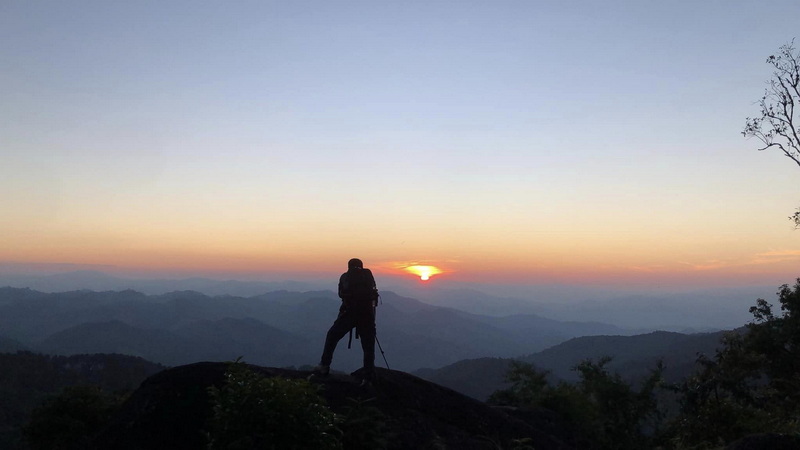
Person silhouetted against a sunset over distant mountain ranges at Pha Daeng National Park.

Northern Thailand offers some of the most captivating trekking experiences in Southeast Asia, with its rich natural landscapes and diverse cultural heritage. Among the many options available, private trekking tours in Chiang Mai Province stand out as a way to explore this region intimately and flexibly. These tours provide personalized itineraries, allowing travelers to experience the area’s natural beauty and cultural depth at their own pace. One of the highlights of trekking in northern Thailand is Pha Daeng National Park, a stunning protected area located in Chiang Dao Chiang Mai. This park, along with nearby Doi Luang Chiang Dao, forms part of the top national parks in the north of Thailand, offering a range of trekking routes through dense forests, limestone mountains, and hill tribe villages. Understanding the context of private trekking tours here helps travelers prepare better and appreciate the unique features of these natural reserves. This article provides a focused overview of private trekking tours around Pha Daeng National Park, emphasizing practical considerations, park highlights, and the broader trekking context within northern Thailand’s national parks. It aims to guide travelers who seek a deeper, more tailored trekking experience in this remarkable region.

Understanding Private Trekking Tours in Chiang Mai Province

Private trekking tours offer a personalized alternative to group tours, allowing travelers to customize their trekking routes, pace, and experiences according to their preferences and fitness levels. In Chiang Mai Province, private trekking tours have become increasingly popular among travelers who want a more intimate connection with nature and local cultures without the constraints of fixed schedules and large groups. Travelers researching Private Trekking Tours Chiang Mai can use these details when planning the trip.

These tours typically involve a dedicated guide who provides expert knowledge of the terrain, flora, fauna, and cultural sites encountered along the way. The flexibility of private trekking also means that travelers can explore less-visited trails, interact respectfully with hill tribe communities, and enjoy a more immersive experience in the northern Thai wilderness.

When considering a private trekking tour, it’s important to assess factors such as physical preparedness, desired length of trek, and interests in cultural versus natural exploration. Many trekking routes in Chiang Mai Province can range from moderate day hikes to multi-day expeditions, and private tours accommodate both beginners and experienced trekkers by tailoring the challenge level accordingly.

Exploring Pha Daeng National Park's Trekking Highlights

Hikers walking on a forest trail surrounded by green trees and plants at Pha Daeng National Park.

Pha Daeng National Park is one of the top national parks in the north of Thailand, renowned for its scenic mountain landscapes, rich biodiversity, and tranquil trekking paths. Situated near Chiang Dao Chiang Mai, the park encompasses a variety of ecosystems including evergreen forests, limestone hills, and river valleys that support diverse wildlife and plant species.

Trekking within Pha Daeng National Park offers visitors the chance to encounter pristine nature, with trails leading through dense jungle and past waterfalls, caves, and viewpoints that reveal sweeping vistas of the surrounding mountains. The park’s relatively low visitor density compared to more famous parks makes it an excellent choice for travelers seeking solitude and a connection to nature.

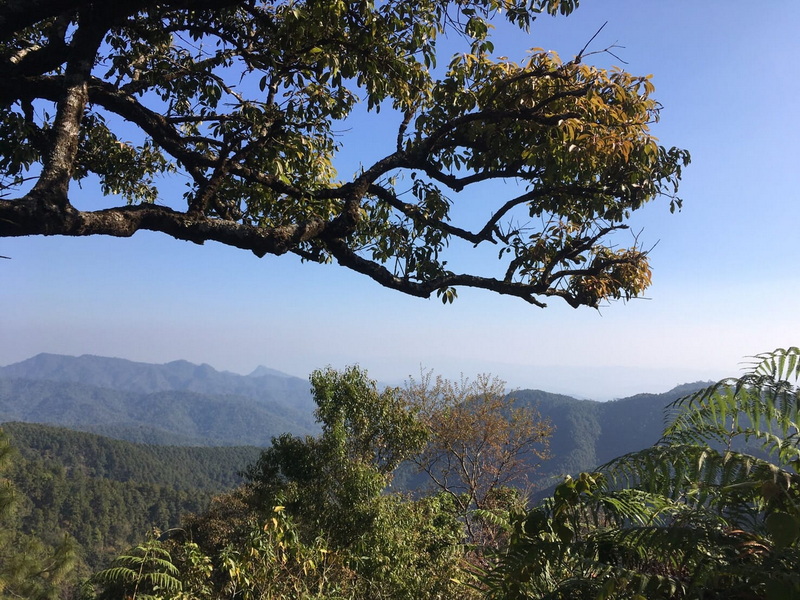
Scenic mountain view with trees and blue sky in the foreground at Pha Daeng National Park.

In addition to natural features, the park lies within a region inhabited by hill tribe communities whose cultures add a unique dimension to trekking experiences. Respectful visits to these villages allow trekkers to learn about traditional ways of life while supporting local economies in an ethical manner.

The terrain in Pha Daeng varies from gentle forest walks to more challenging uphill climbs, making it suitable for a broad range of trekking abilities. Private trekking tours often include expert guidance to navigate these routes safely and to provide insights into the park’s ecological and cultural significance.

Doi Luang Chiang Dao and Its Role in Northern Trekking

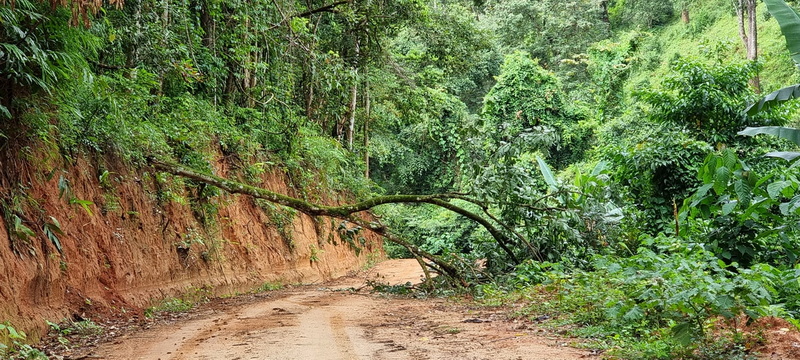
Dirt trail with fallen tree across the path in a lush forest setting at Doi Luang Chiang Dao.

Close to Pha Daeng National Park, Doi Luang Chiang Dao is another prominent natural landmark and a popular trekking destination in northern Thailand. As the third highest peak in the country, it attracts trekkers who are looking for a more demanding climb combined with spectacular natural beauty.

The mountain and its surrounding reserve protect a wide array of flora and fauna, including rare bird species and unique plants. Treks here often involve early morning starts to reach the summit by sunrise, rewarding trekkers with breathtaking panoramic views across the Chiang Mai Province.

While Doi Luang Chiang Dao demands a higher fitness level than many trails in Pha Daeng, private trekking tours can adapt the itinerary to include acclimatization stops and cultural visits, allowing trekkers to balance physical challenge with cultural enrichment.

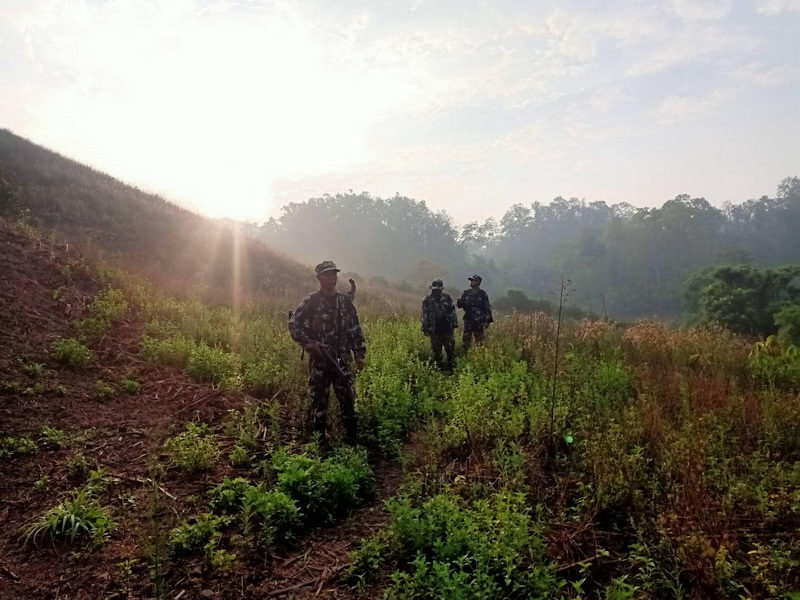
Three soldiers in camouflage uniforms walking on a grassy hillside with trees and sunlight at Pha Daeng National Park.

Together, Pha Daeng National Park and Doi Luang Chiang Dao represent key components of the northern Thailand trekking landscape. They offer complementary experiences: Pha Daeng for serene forest treks and cultural immersion, and Doi Luang Chiang Dao for mountain adventure and natural spectacle.

Preparing for Private Trekking Tours in Northern Thailand

Preparation is essential for a safe and enjoyable private trekking experience in northern Thailand. Travelers should consider physical conditioning, appropriate gear, and knowledge of the environment before embarking on their journey.

Lightweight, breathable clothing suitable for tropical mountain climates is recommended, along with sturdy trekking shoes that provide good traction on uneven terrain. Since weather in the region can be unpredictable, packing rain protection and layered clothing is advisable.

Hydration and nutrition also play a crucial role during trekking. Carrying sufficient water and energy-rich snacks can help maintain stamina throughout the trek. Additionally, travelers should inform their guides of any medical concerns or allergies beforehand.

Understanding local customs and showing respect for hill tribe cultures encountered along the trails is important. Guides typically assist in facilitating respectful interactions, but travelers should also educate themselves on cultural sensitivities to avoid unintended offenses.

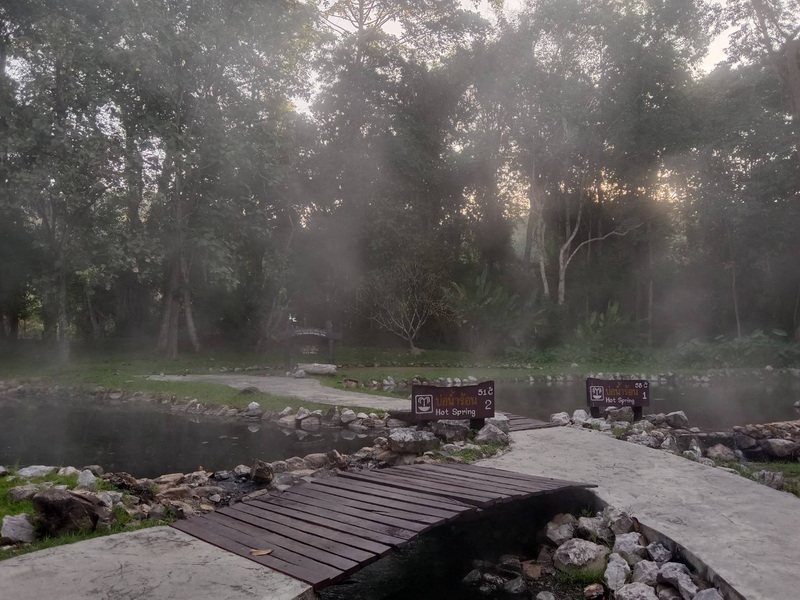
Steam rises from hot springs with trees and rocks around, signs in view at Pha Daeng National Park.

Finally, considering environmental impact is vital. Choosing private trekking tours that prioritize eco-friendly practices helps preserve the natural beauty and biodiversity of parks like Pha Daeng National Park for future visitors.

Positioning Pha Daeng National Park Among Northern Thailand’s Protected Areas

Northern Thailand is home to numerous national parks that protect its mountainous landscapes and rich biodiversity. Pha Daeng National Park is recognized among the top national parks in the north of Thailand, valued for its relatively untouched wilderness and cultural landscapes.

Compared to larger and more frequented parks such as Doi Inthanon or Doi Suthep-Pui, Pha Daeng offers a quieter, less commercialized trekking experience. This makes it a favored destination for travelers seeking authentic encounters with the region’s natural and cultural heritage.

The park’s proximity to other notable attractions, including Doi Luang Chiang Dao, enhances its appeal as part of a comprehensive trekking itinerary. Together, these parks contribute significantly to the conservation of northern Thailand’s ecological diversity and support sustainable tourism initiatives.

For travelers using a Chiang Mai Province Travel Guide, understanding the distinctions and complementary features of these parks is useful for planning trekking routes that match their interests and abilities.

Nearby Attractions

Doi Luang Chiang Dao

Doi Luang Chiang Dao is a majestic mountain peak renowned for its challenging trekking routes and rich biodiversity. Standing as the third highest mountain in Thailand, it offers trekkers rewarding views and encounters with rare wildlife.

The area surrounding Doi Luang Chiang Dao is protected as a wildlife sanctuary, preserving important habitats and supporting conservation efforts. Its rugged terrain and cooler climate create a distinct trekking environment compared to lower elevation parks.

Trekking here often involves guided climbs to the summit, where panoramic vistas of northern Thailand unfold. The cultural presence of local hill tribes adds depth to the trekking experience, providing insights into traditional lifestyles and regional history.

Pha Daeng National Park

Pha Daeng National Park is celebrated for its tranquil forests, limestone mountains, and diverse ecosystems. Located near Chiang Dao Chiang Mai, it serves as a key destination for trekkers seeking natural beauty and cultural encounters in northern Thailand.

The park’s trails meander through dense jungle, past waterfalls and caves, offering opportunities to observe wildlife and enjoy scenic vistas. Its relatively low visitor numbers contribute to a peaceful trekking atmosphere.

Visitors to Pha Daeng National Park can also experience the culture of indigenous hill tribes residing in the area. These communities maintain traditional practices and crafts, enriching the trekking experience with authentic cultural interactions.

A Last Look at the Journey

Private trekking tours in Chiang Mai Province present a thoughtful way to explore northern Thailand’s natural and cultural richness, particularly around Pha Daeng National Park and Doi Luang Chiang Dao. By choosing private tours, travelers gain flexibility and personalized guidance that enhance both safety and enjoyment. Understanding the features of these parks and preparing adequately ensures that trekkers can fully appreciate the stunning landscapes and respectful cultural exchanges that define this region. Whether seeking serene forest walks or challenging mountain climbs, private trekking in northern Thailand offers a rewarding adventure for those ready to immerse themselves thoughtfully in the environment and communities.

Thursday, July 30, 2026

Ban Yang Pu Toh Trekking and Village Attractions in Chiang Mai

Ban Yang Pu Toh Trekking and Village Attractions in Chiang Mai

Discover the rich trekking experiences and authentic village life near Ban Yang Pu Toh in Chiang Mai’s scenic Chiang Dao region

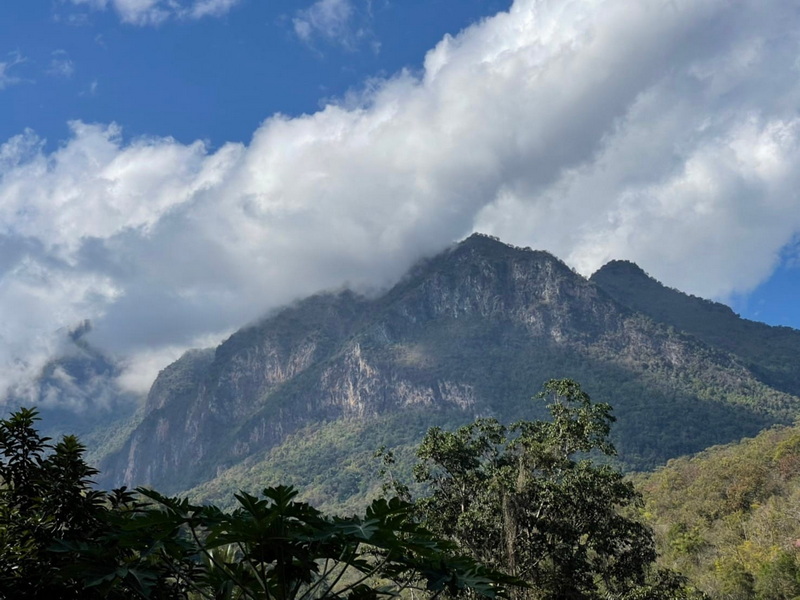
Majestic mountain peak covered with clouds and surrounded by greenery at Ban Yang Pu Toh.

Nestled in the verdant hills of Chiang Dao, Ban Yang Pu Toh offers a unique blend of trekking adventures and cultural immersion for travelers seeking both nature and heritage. This area is known for its lush jungle trails, traditional villages, and serene mountain landscapes that capture the essence of northern Thailand’s rural charm. Exploring Ban Yang Pu Toh trekking routes allows visitors to connect deeply with the environment, passing through dense forests, rivers, and local communities that maintain their customs and way of life. Beyond the trails, the village attractions in Chiang Mai around Ban Yang Pu Toh reveal authentic hill tribe culture and ecotourism opportunities. Travelers can witness traditional lifestyles, handicrafts, and community projects that highlight sustainable living in this mountainous region. The proximity of notable natural parks such as Doi Luang Chiang Dao and Pha Daeng National Park further enriches the experience, offering additional scenic landscapes and biodiversity to explore. Together, these elements create a harmonious travel experience that balances physical activity with cultural appreciation and natural beauty.

Exploring Ban Yang Pu Toh Trekking Routes

The trekking environment at Ban Yang Pu Toh is characterized by its rich biodiversity and varied terrain, making it an inviting destination for those interested in nature walks and jungle hikes. Trails often wind through dense tropical forests, bamboo groves, and alongside freshwater streams, offering a sensory immersion into the region’s natural world. The elevation changes are moderate, suitable for trekkers with some experience but accessible enough for most healthy travelers. Along the way, trekkers may encounter native flora and fauna unique to the Chiang Dao area, contributing to the ecological richness of the journey. Travelers researching Village Attractions Chiang Mai can use these details when planning the trip.

Several trekking routes start directly from the village or nearby points, allowing visitors to customize their hiking experience according to their interests and time availability. The paths are often guided by locals who share insights about the environment and the cultural significance of the land. This connection between trekking and local knowledge enriches the experience beyond physical activity, turning each step into an opportunity to learn about traditional land use, medicinal plants, and the rhythms of village life.

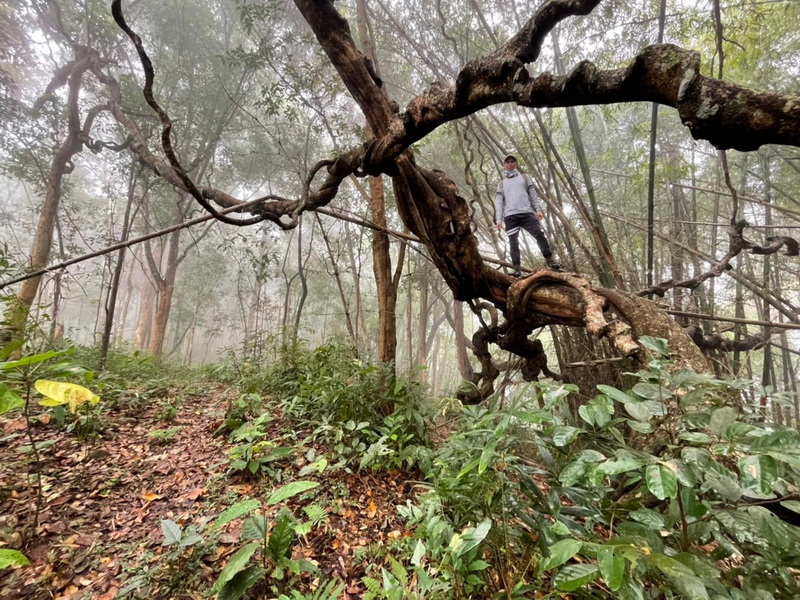
Person standing on a large twisted branch in a dense foggy forest at Ban Yang Pu Toh.

The combination of physical challenge and serene surroundings makes Ban Yang Pu Toh trekking a rewarding pursuit. It offers a quiet retreat from urban life and a chance to engage with the natural world in a way that supports conservation and community well-being.

Village Attractions in Chiang Mai Near Ban Yang Pu Toh

Village life around Ban Yang Pu Toh is steeped in tradition and offers travelers a glimpse into authentic northern Thai culture. The communities here belong mainly to hill tribes who have preserved their customs, crafts, and agricultural practices over generations. Visitors can observe weaving, basketry, and other artisanal activities that reflect the community’s heritage and resourcefulness.

Many villages in this region embrace ecotourism, inviting guests to participate in homestays or cultural exchanges that foster mutual respect and understanding. These experiences provide meaningful interactions with local families and a chance to observe daily routines, from rice farming to traditional cooking methods. Such engagements highlight the importance of ethical tourism, where visitors contribute positively without disrupting community life.

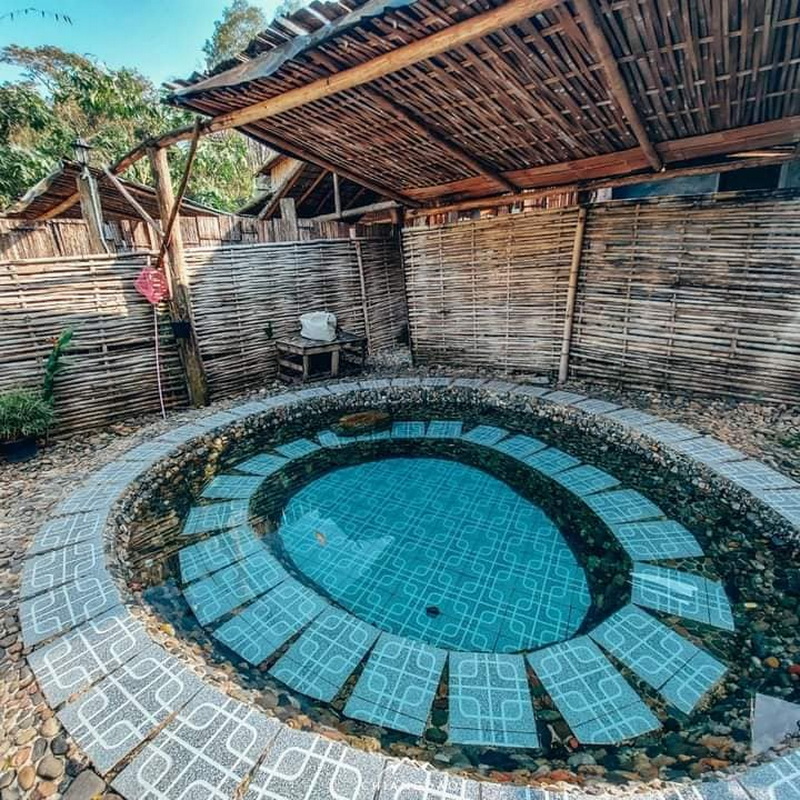
Small circular hot spring pool with tiled edges and bamboo fencing at Ban Yang Pu Toh.

In addition to crafts and daily life, the villages often host small local markets where fresh produce and handmade goods are sold. Exploring these markets gives insight into the local economy and the sustainable practices that support it. The village attractions in Chiang Mai near Ban Yang Pu Toh thus form a vital complement to trekking, offering cultural depth to the natural exploration.

General Attractions in Chiang Mai and Nearby Natural Parks

Chiang Mai province is renowned for its diverse attractions that appeal to a wide range of travelers. Beyond the trekking and village experiences at Ban Yang Pu Toh, visitors can explore historic temples, bustling markets, and vibrant city life. The contrast between urban and rural settings enriches the overall understanding of northern Thailand’s cultural landscape.

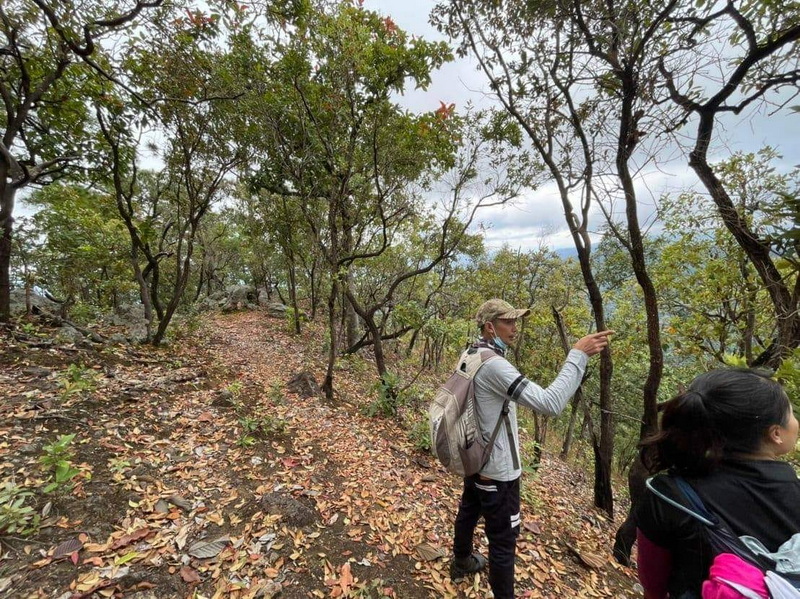
Two hikers walking through a forest trail with trees and fallen leaves at Ban Yang Pu Toh.

Nature enthusiasts will find particular appeal in the nearby protected areas. Doi Luang Chiang Dao, the third highest peak in Thailand, is a prominent natural landmark offering striking mountain vistas and opportunities for birdwatching and wildlife observation. The rugged terrain and serene environment make it a favored destination for hikers and nature photographers.

Pha Daeng National Park, another nearby attraction, features dense forests, waterfalls, and diverse ecosystems. It is a sanctuary for many rare plant and animal species and supports conservation efforts in the region. Visitors to these parks can enjoy well-maintained trails, scenic viewpoints, and the peaceful atmosphere that accompanies protected natural spaces. These parks complement the trekking and village attractions in Chiang Mai by providing broader context to the region’s ecological and cultural significance.

Nearby Attractions

Doi Luang Chiang Dao

Dirt trail with fallen tree in lush green forest setting at Doi Luang Chiang Dao.

Doi Luang Chiang Dao stands as a majestic peak reaching over 2,000 meters, offering one of the most breathtaking natural settings near Ban Yang Pu Toh. The mountain is part of a larger complex of limestone formations that create a dramatic landscape with caves and cliffs. It is home to diverse wildlife and is considered a sacred site by local communities.

Trekking routes around Doi Luang Chiang Dao vary in difficulty and length, attracting both casual hikers and seasoned mountaineers. The area is also important for birdwatching, hosting rare species that thrive in the forested environment. Its proximity to Ban Yang Pu Toh makes it a natural extension for travelers looking to extend their outdoor adventures.

Pha Daeng National Park

Person standing on a rock ledge capturing a sunset over layered mountain ranges at Pha Daeng National Park.

Pha Daeng National Park is recognized for its rich biodiversity and pristine forests. It encompasses a range of habitats from lowland tropical forest to mountainous terrain, supporting a variety of flora and fauna. The park is a peaceful retreat for nature lovers and provides opportunities for hiking, wildlife observation, and photography.

Visitors to Pha Daeng can explore trails leading to waterfalls and scenic viewpoints that overlook the valley below. The park’s conservation efforts help maintain the ecological balance and protect endangered species, making it an important destination for those interested in sustainable travel and environmental preservation near Ban Yang Pu Toh.

A Last Look at the Journey

Ban Yang Pu Toh offers a distinctive travel experience where trekking through lush landscapes and engaging with traditional village life intertwine seamlessly. The region’s natural beauty and cultural richness invite travelers to slow down, appreciate the environment, and respect the communities that call this area home. Nearby natural parks like Doi Luang Chiang Dao and Pha Daeng National Park further enhance the appeal, providing diverse opportunities to explore northern Thailand’s mountainous terrain and wildlife. Whether you seek the challenge of jungle trekking or the warmth of authentic village interactions, Ban Yang Pu Toh and its surroundings present a balanced and respectful way to discover Chiang Mai’s hidden treasures. This harmonious blend of nature and culture fosters a deeper understanding and lasting appreciation of the region’s heritage and environment, making it a memorable destination for thoughtful travelers.

Wednesday, July 29, 2026

Exploring Hidden Caves and Natural Wonders Near Chiang Dao Cave

Exploring Hidden Caves and Natural Wonders Near Chiang Dao Cave

Discover lesser-known caves and trekking routes around Chiang Dao for a unique and tranquil adventure in Chiang Mai

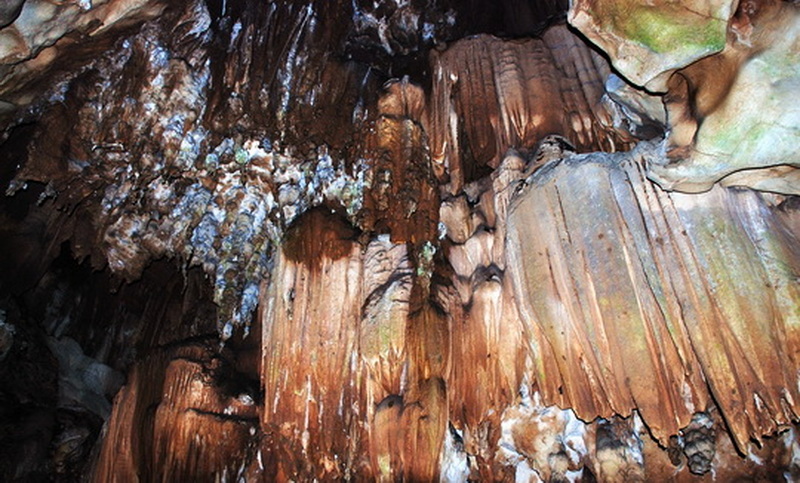
Close-up of stalactites and stalagmites inside a limestone cave with mineral textures at Chiang Dao Cave.

Nestled in the mountains of northern Thailand, Chiang Dao Cave is a remarkable natural attraction that draws travelers seeking both spiritual reflection and geological wonder. Beyond the well-known chambers of this limestone cave system lies a network of hidden caves and pristine natural sites that few visitors explore. This guide invites curious travelers to venture off the beaten path and uncover the quieter, less crowded caves around Chiang Dao, revealing a world shaped by millennia of natural forces. While Chiang Dao Cave itself offers captivating stalactites, stalagmites, and sacred temples, the surrounding region is rich with other hidden caves and trekking opportunities that highlight the rugged beauty of Chiang Mai’s mountainous landscape. These attractions provide a peaceful respite for nature lovers and trekkers alike, emphasizing respectful exploration of both natural wonders and culturally significant sites. Whether you are a solo traveler seeking calm discovery or an avid trekker eager to explore remote terrain, this overview of hidden caves and nearby trekking landmarks offers a deeper appreciation of Chiang Dao’s enchanting environment.

Unveiling Hidden Caves in Chiang Mai’s Limestone Landscape

The Chiang Dao region is renowned not only for the iconic Chiang Dao Cave but also for numerous lesser-known caves that weave through the limestone mountains. These hidden caves often escape mainstream tourism, offering tranquil and intimate encounters with nature’s subterranean artistry. Many of these caves feature delicate formations and quiet chambers that demand respectful and careful exploration. Travelers researching Chiang Dao Cave Tour can use these details when planning the trip. Travelers researching Hidden Caves Chiang Mai can use these details when planning the trip.

One such cave system near Chiang Dao presents a quieter alternative to the main cave’s bustling temple areas. Visitors can experience the serene atmosphere of these caves, where natural light filters softly through openings, revealing intricate mineral deposits and ancient rock formations. The presence of local spiritual practices in some caves underscores their cultural significance, reminding explorers to approach with reverence.

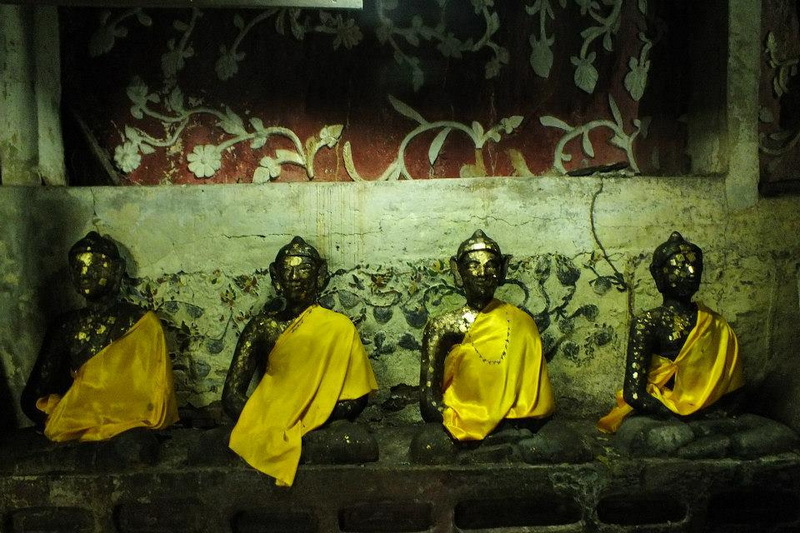
Four black statues with yellow cloths seated in front of floral wall design at Chiang Dao Cave.

Exploring these hidden caves requires preparation and awareness of safety, as some passages may be narrow or uneven. Guided tours focusing on these lesser-known caves can enrich the experience by providing geological insights and cultural context, while also ensuring visitor safety and environmental preservation. As such, these hidden caves constitute a significant part of the wider cave attractions in Chiang Mai, inviting deeper discovery beyond the popular sites.

Natural Attractions Surrounding Chiang Dao Cave

Beyond the caves themselves, the Chiang Dao area is framed by stunning natural landmarks that enhance the visitor experience. Towering limestone peaks, dense forests, and meandering streams create a landscape rich in biodiversity and scenic beauty. These features complement the cave explorations and invite travelers to extend their visit with outdoor activities.

Among the notable attractions is the Doi Luang Chiang Dao, the third highest peak in Thailand. This majestic mountain is a favorite for trekkers and nature enthusiasts, offering panoramic views and a chance to encounter unique flora and fauna. Its proximity to Chiang Dao Cave makes it an ideal addition to any exploration itinerary.

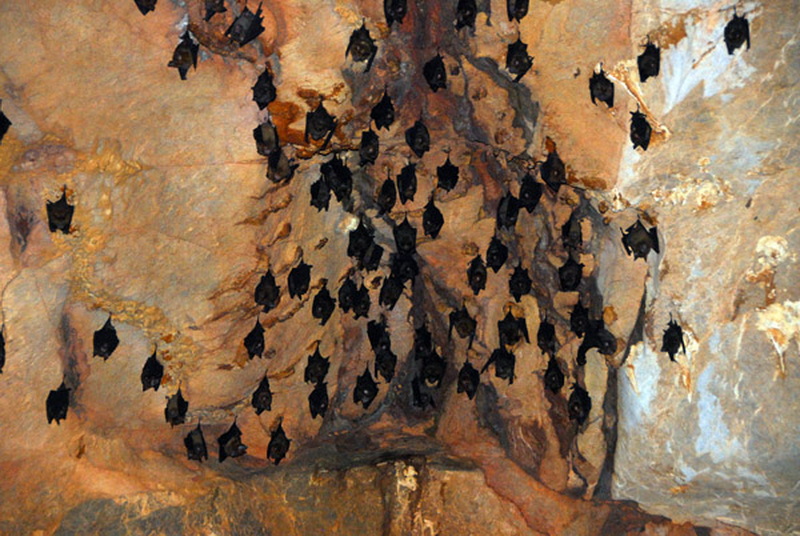
Group of black bats hanging from a rocky cave ceiling at Chiang Dao Cave.

Another highlight is the Ban Yang Pu Toh trekking route, which winds through traditional villages and verdant forests. This trail offers an immersive cultural and ecological experience, showcasing rural life alongside natural scenery. The trekking path often leads to hidden cave entrances and quiet natural spots, perfect for travelers seeking solitude and discovery away from crowded tourist hubs.

Trekking Routes and Responsible Exploration Tips

Trekking in the Chiang Dao region provides an excellent opportunity to connect with nature and explore hidden caves in their broader environmental context. Trails vary in difficulty and length, catering to both casual hikers and seasoned trekkers. Many routes pass by cave entrances, mountain viewpoints, and local communities, enriching the journey with diverse experiences.

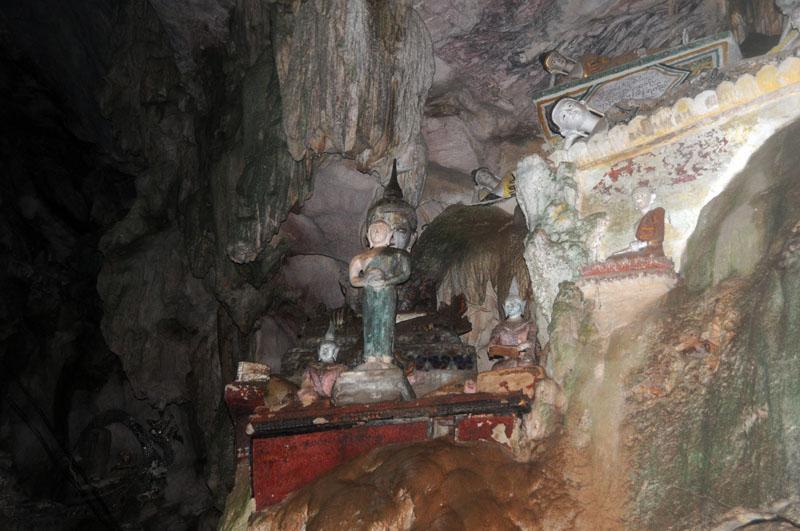
Interior of a cave shrine with statues and carved decorations on rocky walls at Chiang Dao Cave.

When venturing into caves or trekking remote paths, it is essential to respect the spiritual significance of certain sites, especially cave temples where local worship practices continue. Visitors should avoid disturbing any religious artifacts or rituals and maintain a quiet, contemplative demeanor.

Environmental mindfulness is equally important. Travelers are encouraged to minimize their impact by sticking to established paths, carrying out all waste, and avoiding damage to delicate cave formations. Using local guides supports community livelihoods and ensures adherence to ethical exploration practices. By approaching these hidden caves and trekking landmarks responsibly, visitors help preserve the natural and cultural heritage of Chiang Dao for future generations.

Nearby Attractions

Ban Yang Pu Toh trekking

Person standing on a large twisted tree branch in a foggy forest at Ban Yang Pu Toh trekking.

Ban Yang Pu Toh trekking offers an immersive journey through lush forests and traditional villages near Chiang Dao. The trail is favored for its scenic beauty and cultural richness, providing glimpses of rural life alongside opportunities to discover hidden caves and natural springs. This trekking route is a peaceful alternative for travelers seeking quiet exploration away from crowded tourist routes.

Doi Luang Chiang Dao

Dirt trail with fallen tree blocking path in lush greenery at Doi Luang Chiang Dao.

Doi Luang Chiang Dao, standing as the third highest peak in Thailand, dominates the landscape around Chiang Dao. It attracts trekkers eager to challenge themselves with its rugged terrain and rewarding summit views. The mountain’s ecological diversity and striking limestone formations complement the cave explorations, making it a must-visit landmark for nature lovers and adventure seekers alike.

A Last Look at the Journey

Chiang Dao Cave and its surrounding landscapes offer travelers a unique window into northern Thailand’s natural and cultural richness. By stepping beyond the main cave into hidden caves and trekking routes, visitors can uncover serene environments shaped by geological time and human reverence. These less-visited sites invite a slower, more thoughtful pace of exploration that honors both nature’s beauty and local traditions. Embracing responsible travel practices ensures that the delicate ecosystems and spiritual sites remain protected, allowing future adventurers to experience the same sense of wonder and calm. Whether drawn by the allure of hidden caves or the challenge of mountain trails, those who venture near Chiang Dao Cave will find a rewarding blend of discovery, tranquility, and connection to the land.