Patara Elephant Farm and the Gentle Rhythm of Eco-Adventure
A thoughtful guide to sanctuary visits, forest adventures, local craft traditions, and protected landscapes around Hang Dong
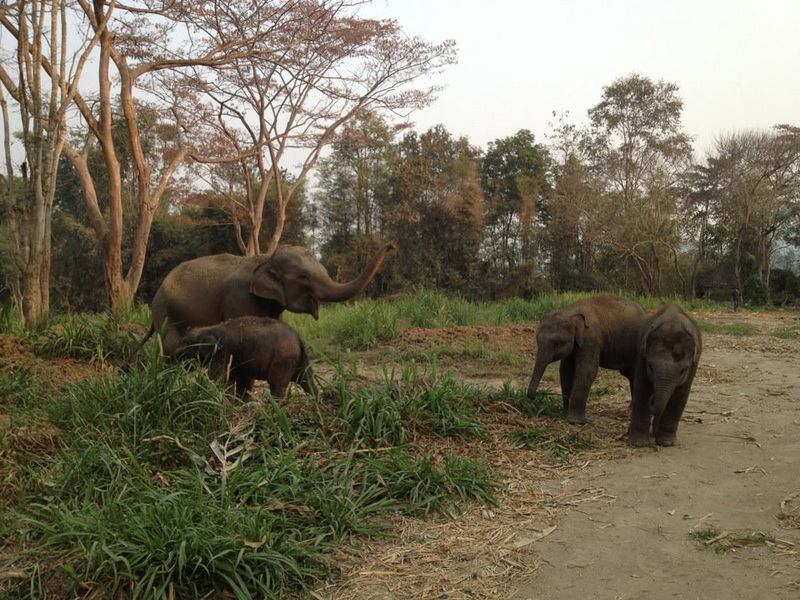
A visit to Patara Elephant Farm can be understood as more than a meeting with elephants. It offers a chance to consider how people, animals, landscapes, and local livelihoods are connected in Chiang Mai. For travelers who prefer a slower and more attentive experience, the surrounding Hang Dong area also creates opportunities to combine a sanctuary visit with nature, outdoor discovery, and cultural observation. A Chiang Mai Elephant Sanctuary Half Day experience may suit visitors who want an introduction to elephant care without filling an entire day with activity. The most meaningful part is not simply being close to a large animal, but learning to observe behavior, respect personal space, and understand why welfare should guide every interaction. From there, an eco-adventure can add a different perspective, leading attention toward forests, streams, village craft, and the responsibilities of protecting the region. This guide focuses on how these experiences can fit together thoughtfully. It does not treat adventure as a race from one attraction to another. Instead, it follows a regional flow: first the sanctuary environment, then outdoor activities, then the conversations and cultural places that help give the visit greater context.
Beginning with a Half-Day Sanctuary Perspective
Half-day sanctuary visits in Chiang Mai can be a useful choice for travelers who want depth without an overextended itinerary. A shorter visit encourages focus. Rather than trying to see every possible activity, visitors can pay attention to the daily needs of elephants, the ways handlers communicate with them, and the difference between respectful observation and entertainment built around control.
At an ethical elephant setting, the central questions are important: Are elephants given room to move? Are interactions shaped around their welfare? Does the experience encourage visitors to understand elephants as sentient animals rather than as props for photographs? These questions are more valuable than judging a place by the number of activities it offers. A no-riding approach, when practiced, can help keep attention on care, behavior, and conservation rather than performance.
The phrase Chiang Mai Elephant Sanctuary Half Day is therefore best viewed as a format, not a guarantee of identical experiences everywhere. Visitors should read current information carefully and choose programs that explain their welfare principles clearly. They should also be prepared to follow staff guidance, remain calm around the animals, and accept that elephants may not always behave according to a visitor’s expectations. That uncertainty is part of responsible wildlife tourism.
Adding Outdoor Discovery Without Losing the Quiet
Chiang Mai Eco Adventure Tours can complement a sanctuary visit by widening the focus from one species to the ecosystems that support many forms of life. Depending on the activity and setting, eco-adventure may involve gentle walking, landscape appreciation, nature-based learning, or other outdoor pursuits. The strongest experiences connect physical movement with awareness of the environment rather than treating nature as a backdrop for excitement alone.
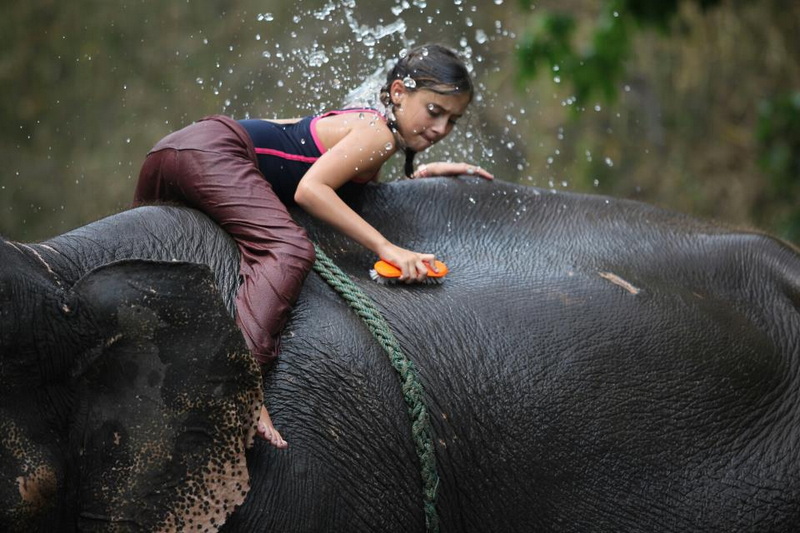
For a nature lover, the appeal may be simple: shaded paths, changing terrain, birdsong, and the sensation of leaving the city behind. For a more active traveler, outdoor exploration can provide energy after a quiet period of watching elephants. Both approaches can be compatible with responsible travel when visitors avoid disturbing wildlife, carry waste out of natural areas, and respect local guidance about sensitive places.
Adventure also benefits from a flexible attitude. Weather can affect trails and outdoor conditions, while natural areas do not operate like staged attractions. A responsible traveler accepts that a forest may be muddy, a view may be softened by clouds, or wildlife may remain unseen. The reward is not a guaranteed spectacle but a clearer understanding of how much patience the landscape requires.
What a Patara Elephant Conversation Can Add
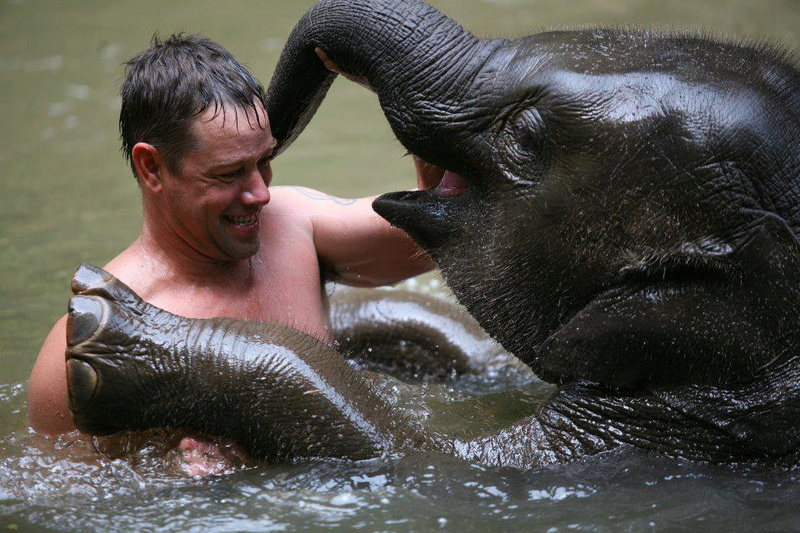
A Patara Elephant Conversation can make the visit more thoughtful by giving visitors space to ask how elephant care is approached and why certain forms of interaction are discouraged. Conversation matters because a sanctuary experience can otherwise remain visual and emotional: guests see an elephant, feel moved, and leave without understanding the wider responsibilities involved. Discussion can connect that feeling to practical questions about food, health, social needs, habitat, and human decisions.
The wording used around elephant training also deserves care. Patara Elephant Training may refer to communication and cooperative routines, but visitors should avoid assuming that every training method has the same purpose or welfare impact. In a responsible context, training should be discussed transparently, especially when it helps keep veterinary care, foot checks, or other necessary procedures safer. The important issue is whether the animal’s well-being remains the priority and whether coercion is avoided as far as possible.
Travelers reading Patara Elephant reviews may find differing opinions because people notice different aspects of a visit. One person may focus on the calm atmosphere, another on the educational value, and another on questions about tourism and animal care. Reviews can help identify recurring themes, but they should be balanced with clear welfare information and the visitor’s own ethical standards. A good conversation leaves room for questions rather than demanding unquestioning admiration.
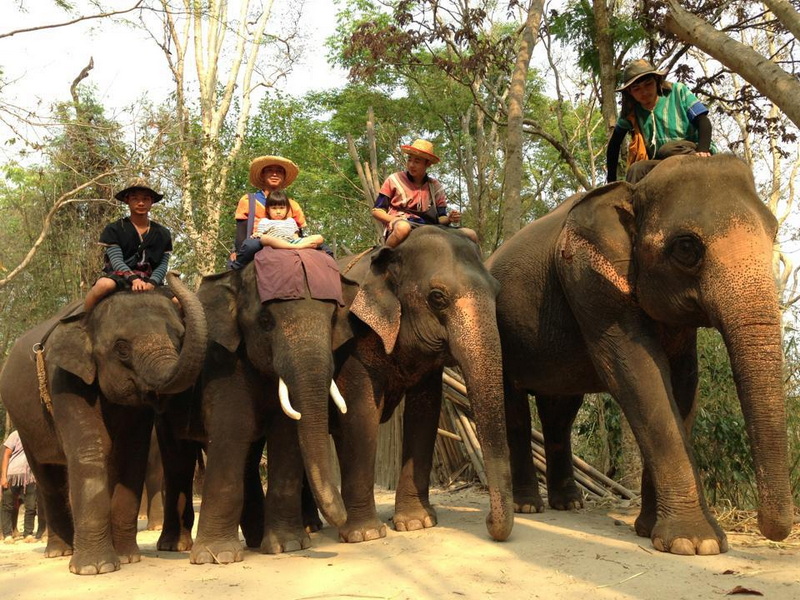
The broader Patara Elephant Chiang Mai Elephant Training Program At Patara Elephant Farm phrase is often searched by travelers trying to understand the educational side of the experience. The most useful interpretation is not a promise of a particular performance or outcome. It is an invitation to learn how human-elephant relationships are managed, what responsible care requires, and where the boundaries of visitor participation should remain.
Shaping a Day Around Attention and Respect
Combining a sanctuary visit with an eco-adventure works best when the day has breathing room. Elephants are not an activity to rush through before moving to the next attraction, and natural areas deserve more than a quick photograph. Allowing mental space between experiences helps visitors absorb what they have seen and reduces the temptation to measure the day by how many stops can be completed.
A useful personal plan begins with priorities. If the sanctuary visit is intended to support learning, read about elephant welfare before arriving and prepare questions that are respectful rather than intrusive. If outdoor exploration is the main interest, consider whether the chosen activity matches your fitness, comfort, and environmental values. Families can involve children by discussing quiet voices, safe distances, and why animals should not be pressured to interact.
Responsible choices continue beyond the attractions themselves. Travelers can favor local businesses that explain their conservation or community connections honestly, avoid disposable waste, and buy crafts because they value the work rather than because a product appears exotic. They can also remember that local residents, guides, artisans, and animal-care workers are people with expertise, not scenery in a visitor’s story.
Letting Craft and Forest Complete the Picture
The area around Hang Dong offers a useful reminder that environmental and cultural experiences do not exist in separate categories. Craft traditions depend on skills, materials, family knowledge, and markets. Forested landscapes depend on careful stewardship and respect for ecological limits. Visiting both kinds of place can help travelers see Chiang Mai as a living region rather than a collection of disconnected tourist stops.
At an artisan village, the most respectful approach is to observe how objects are made and to recognize the labor behind them. Ask permission before photographing people or workspaces, listen when makers explain their process, and avoid treating traditional skills as quaint displays from a distant past. Wood carving and other crafts may be part of contemporary livelihoods, adapting to changing tastes while retaining local knowledge.
A national park offers a different lesson. Its value is not limited to dramatic scenery; it may include watersheds, plant life, wildlife habitat, and places of importance to nearby communities. Visitors should follow conservation guidance, keep noise low, remain on appropriate paths, and take care not to remove natural materials. These small actions express the same principle that should guide elephant tourism: appreciation must not become pressure.
Together, sanctuary learning, outdoor activity, craft observation, and protected landscapes create a richer regional story. The connection is not that every experience is identical. It is that each asks visitors to pay attention to relationships: between people and animals, communities and resources, and travelers and the places they temporarily enter.
Nearby Attractions
Baan Tawai Wood Carving Village
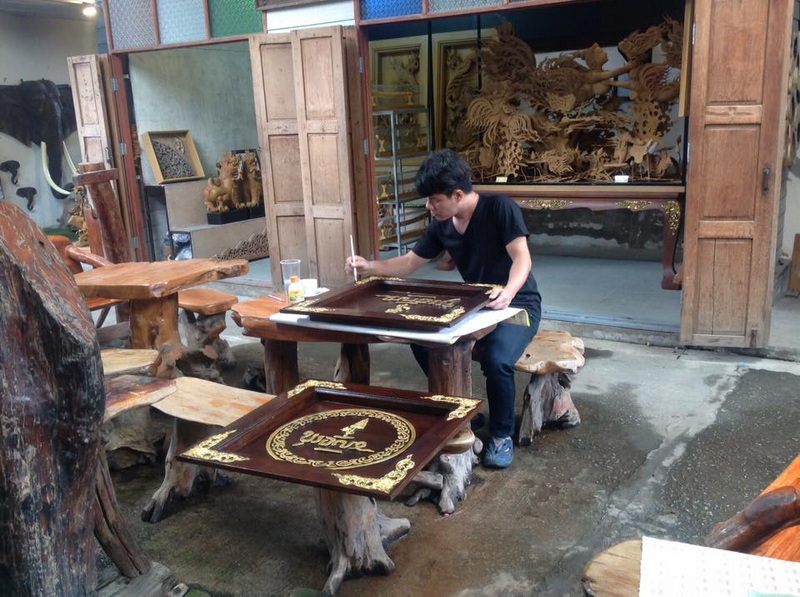
Baan Tawai Wood Carving Village can add a cultural dimension to a visit near Patara Elephant Farm. Its identity is associated with woodcraft and artisan production, offering travelers an opportunity to observe design traditions, materials, and the skill involved in shaping useful or decorative objects. The experience is more meaningful when visitors approach it as a living community of makers rather than as a backdrop for collecting souvenirs.
Take time to notice details such as carving marks, proportions, finishing techniques, and the way older motifs may appear in contemporary work. Respectful observation includes asking before taking photographs and remembering that not every person or workshop exists for public display. Purchasing decisions can also be thoughtful: choose pieces for their craftsmanship and personal meaning, and ask questions about materials when sustainability is important to you.
Ob Khan National Park
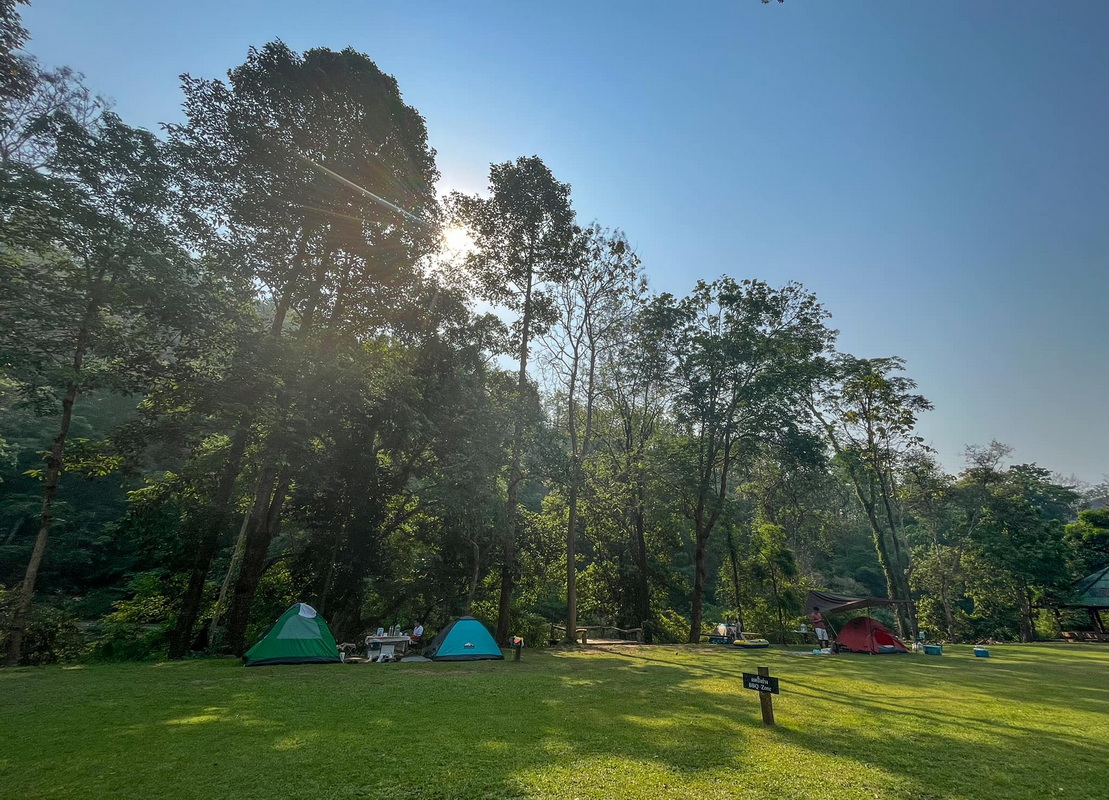
Ob Khan National Park brings the journey back to geology, woodland, and the patient forces that shape a landscape. Rocky formations, water, and vegetation create an environment where the experience depends on observation rather than guaranteed spectacle. Even a quiet period beside a natural feature can be rewarding when visitors notice textures, shade, sounds, and signs of seasonal change.
As with any protected natural area, visitors should follow current local guidance and avoid actions that place stress on the environment. Keep waste with you, stay considerate of other visitors, and do not disturb plants or wildlife for photographs. The park can complement an elephant-centered visit by showing that conservation is broader than one animal: it includes the habitats, water systems, and human communities that make the region resilient.
Why This Place Stays With You
A visit to Patara Elephant Farm can become more meaningful when it is paired with experiences that encourage patience and context. A half-day sanctuary encounter introduces questions about welfare and human responsibility; an eco-adventure reveals the value of living landscapes; a conversation adds understanding; and nearby craft and park visits connect nature with local culture. The result is not simply a fuller itinerary, but a more respectful way of seeing Chiang Mai. Travelers leave with fewer assumptions, better questions, and a deeper appreciation for the people, animals, and environments that shape Hang Dong.

No comments:
Post a Comment