Discovering Huai Kaew Waterfall Among the Most Famous Waterfalls in Chiang Mai
Explore the natural charm of Huay Kaew Waterfall and nearby cultural sites on your next tour in Chiangmai
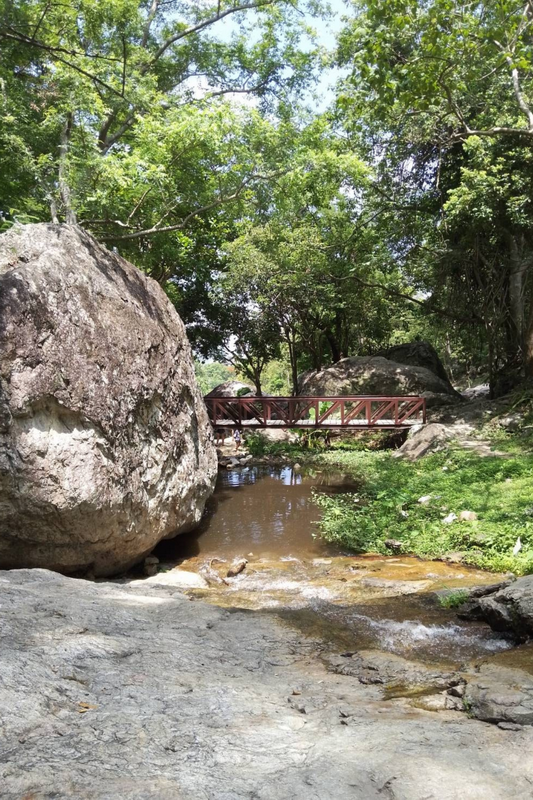
Nestled within the lush greenery of Mueang Chiang Mai District, Huay Kaew Waterfall stands out as one of the most famous waterfalls in Chiang Mai. Its accessibility and scenic beauty make it a favorite destination for travelers seeking a refreshing natural escape near the city. This waterfall offers a serene environment with cascading waters that invite visitors to pause and appreciate the tranquil atmosphere. Chiang Mai’s landscape is dotted with numerous waterfalls, each offering unique experiences. However, Huay Kaew Waterfall’s popularity is enhanced by its proximity to the city and its position within a network of well-known natural and cultural attractions. Visitors often combine their visit here with tours in Chiangmai that include nearby landmarks, allowing for a rich blend of nature and cultural exploration. For first-time visitors, understanding what makes Huay Kaew Waterfall special and how to plan a visit can enhance the overall trip experience. This guide focuses on the waterfall’s appeal, other notable waterfalls in the region, and nearby attractions such as Wat Phra That Doi Suthep and Doi Pui Hmong Village. Together, these sites present a well-rounded picture of the natural and cultural treasures that await in Chiang Mai.
The Natural Appeal of Huay Kaew Waterfall
Huay Kaew Waterfall is celebrated for its easy access and scenic setting within a forested park area just a short distance from downtown Chiang Mai. Visitors can enjoy the soothing sound of water cascading over rocks, surrounded by verdant trees and native plants that create a peaceful atmosphere. The waterfall itself is not the tallest in the region but offers a charming multi-tiered flow that is particularly picturesque during the rainy season when water levels rise.
The site is well-maintained with walking paths and resting areas that allow visitors to explore comfortably. This accessibility makes it suitable for travelers of all ages and physical abilities. The cooler microclimate created by the waterfall and surrounding foliage provides a welcome respite from the tropical heat, making it an ideal spot for a nature break during a busy day of sightseeing.
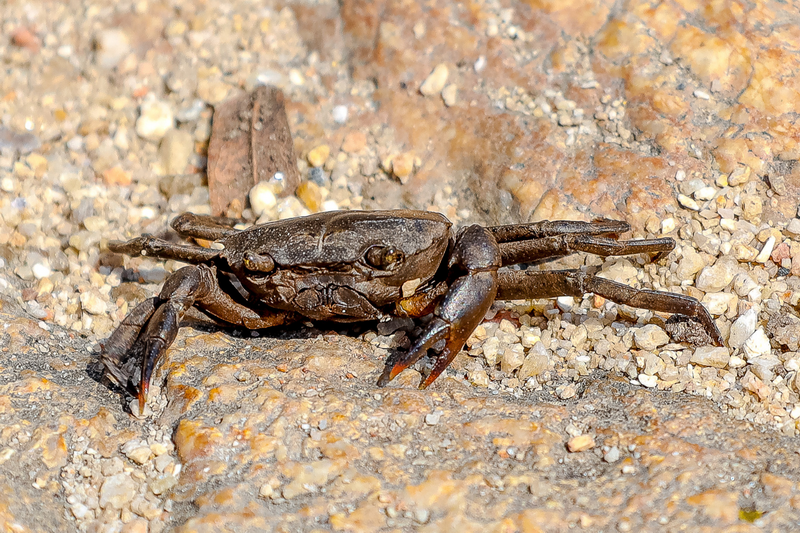
Ecologically, Huay Kaew Waterfall contributes to the local habitat by supporting diverse flora and fauna. Bird species and small mammals are often observed in the area, adding to the experience for nature enthusiasts. Visitors are encouraged to respect the environment by staying on designated trails and avoiding littering to preserve the waterfall’s natural beauty.
Exploring the Most Famous Waterfalls in Chiang Mai Beyond Huay Kaew
While Huay Kaew Waterfall is a popular choice due to its proximity and ease of visit, Chiang Mai is home to several other notable waterfalls that attract nature lovers and adventure seekers. Waterfalls such as Mae Sa, Bua Thong (Sticky Waterfall), and Mok Fa offer different experiences ranging from gentle cascades to more adventurous terrain.
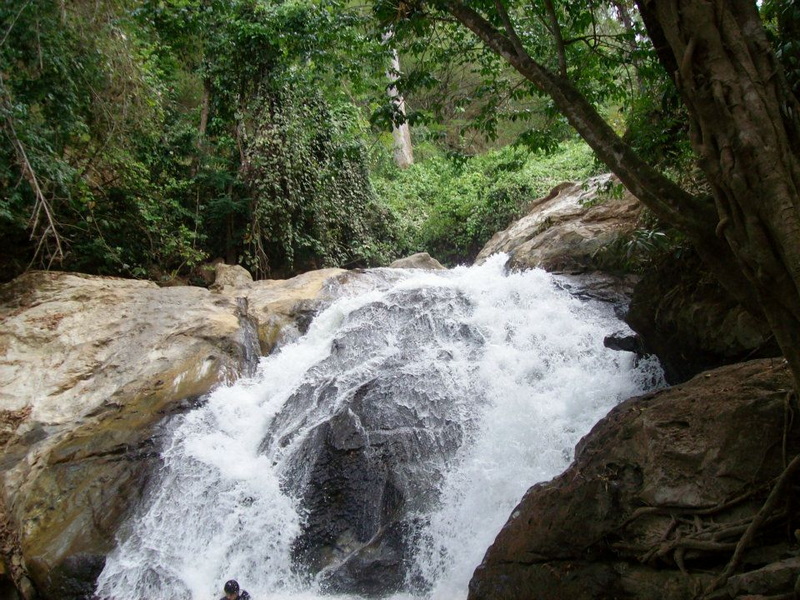
Mae Sa Waterfall, located within a larger park, features multiple tiers and is well-equipped with picnic areas and walking trails. It is a favorite among families and day-trippers. Bua Thong Waterfall, known for its unique limestone formations, allows visitors to climb up the rocks due to the non-slip surface, offering a fun and interactive experience.
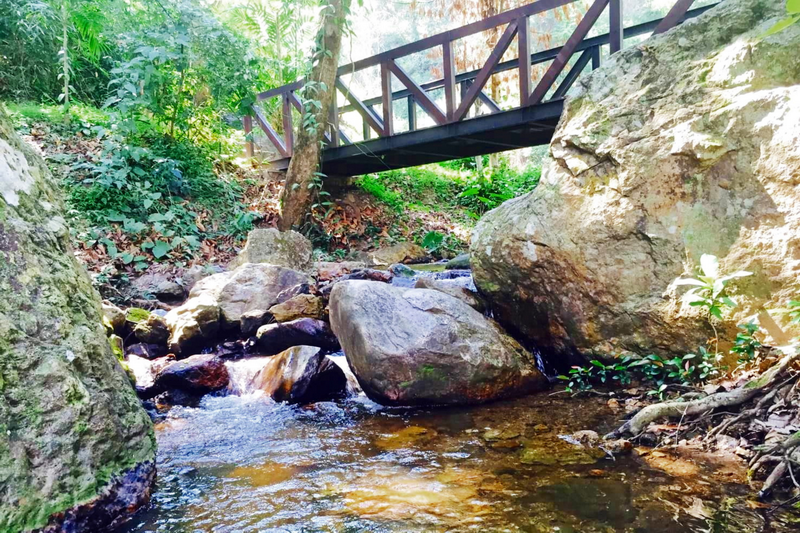
These waterfalls, along with Huay Kaew, form part of the diverse natural attractions that make Chiang Mai a compelling destination for waterfall tours. Selecting which waterfalls to visit can depend on the type of experience desired, accessibility, and time available. Many travelers opt for guided tours in Chiangmai that include several waterfall stops to maximize their exposure to the region’s natural beauty.
Combining Nature and Culture: Nearby Attractions to Huay Kaew Waterfall
Part of the appeal of visiting Huay Kaew Waterfall lies in its location near culturally significant sites, allowing visitors to enrich their itinerary with a blend of natural and historical exploration. Two nearby attractions, Wat Phra That Doi Suthep and Doi Pui Hmong Village, offer complementary experiences to the waterfall visit.
Wat Phra That Doi Suthep is one of northern Thailand’s most revered temples, perched on a mountain overlooking Chiang Mai. The temple features intricate architecture, golden stupas, and panoramic views of the city and surrounding landscape. Visitors often combine a morning or afternoon trip to the temple with a visit to Huay Kaew Waterfall, making for a well-rounded day of sightseeing.
Doi Pui Hmong Village, located nearby, provides insight into the traditional lifestyle and culture of the Hmong hill tribe community. Visitors can learn about local crafts, customs, and enjoy the scenic mountainous environment. The village offers a respectful opportunity to engage with indigenous culture while appreciating the region’s natural surroundings.
Together, these sites create a meaningful itinerary that highlights both the ecological and cultural richness of Chiang Mai. Travelers are advised to approach these cultural sites with respect and awareness of local customs to ensure a positive experience for both visitors and host communities.
Visitor Tips for Enjoying Huaykaew Waterfall and Surroundings
When planning a tour in Chiangmai that includes Huaykaew Waterfall, timing and preparation can greatly enhance the visit. The waterfall is most vibrant during and after the rainy season, typically from June to October, when water flow is stronger and the surrounding forest is lush and green.
Early morning visits are recommended to avoid crowds and enjoy cooler temperatures. The area can become busy during weekends and holidays, so weekdays offer a more tranquil experience. Visitors should wear comfortable footwear suitable for walking on natural trails and bring insect repellent to protect against mosquitoes in the forested environment.
Facilities near the waterfall are basic but sufficient for a short visit, including restrooms and shaded seating areas. There are no large commercial establishments on site, so bringing water and snacks is advisable. Photography enthusiasts will find plenty of opportunities to capture the interplay of light, water, and greenery.
Respect for the natural environment and local customs is essential. Visitors should avoid disturbing wildlife, refrain from littering, and follow any posted guidelines. This responsible behavior helps maintain the waterfall’s appeal and supports sustainable tourism in the region.
Nearby Attractions
Wat Phra That Doi Suthep
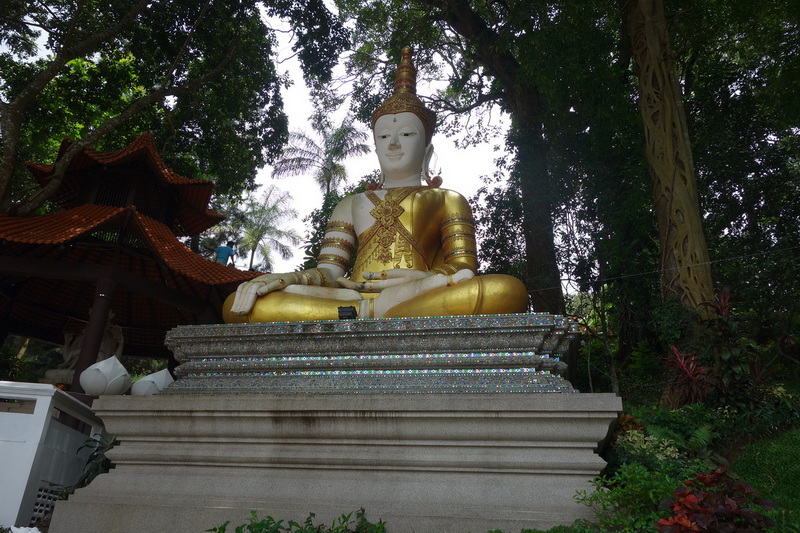
Wat Phra That Doi Suthep is a sacred Buddhist temple situated on a mountain overlooking Chiang Mai city. It is renowned for its stunning golden chedi and intricate Lanna-style architecture, attracting pilgrims and tourists alike. The temple complex includes several shrines, statues, and a viewing platform offering expansive vistas of the surrounding valley.
Visitors often climb the 306-step staircase decorated with ornate Nāga serpents, which adds a spiritual dimension to the visit. The temple holds significant cultural and religious importance in northern Thailand, serving as a center for Buddhist ceremonies and festivals throughout the year.
A visit to Wat Phra That Doi Suthep complements a nature-focused trip to Huaykaew Waterfall by providing cultural context and a glimpse into the spiritual heritage of the region. Respectful attire and behavior are expected when visiting the temple, as it remains an active place of worship.
Doi Pui Hmong Village
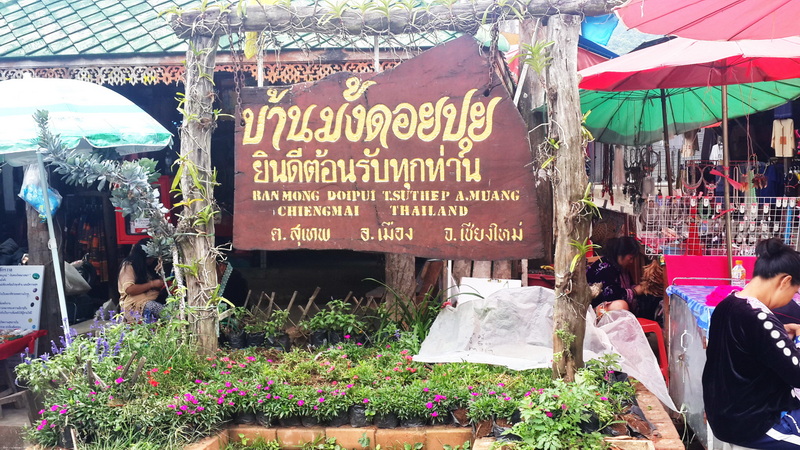
Doi Pui Hmong Village is a traditional hill tribe village located near Huay Kaew Waterfall. It offers visitors a chance to experience the lifestyle, crafts, and customs of the Hmong people, one of the ethnic minority groups in northern Thailand. The village is set amidst scenic mountainous terrain, making it a peaceful retreat from urban life.
Visitors can explore local markets selling handmade textiles, silver jewelry, and other artisanal goods. The village also provides educational insights into traditional farming practices and cultural celebrations. Engaging with the community in a respectful manner enriches the travel experience and supports local livelihoods.
Combining a visit to Doi Pui Hmong Village with Huaykaew Waterfall allows travelers to appreciate both the natural wonders and cultural diversity of the Chiang Mai region in a single outing.
Why This Place Stays With You
Huaykaew Waterfall remains a highlight among the most famous waterfalls in Chiang Mai, offering visitors an accessible and peaceful natural retreat close to the city. When paired with nearby cultural sites like Wat Phra That Doi Suthep and Doi Pui Hmong Village, it creates a well-balanced itinerary that caters to diverse interests. By planning thoughtfully and approaching these destinations with respect for nature and culture, travelers can enjoy a memorable tour in Chiangmai that captures the essence of northern Thailand’s beauty and heritage.

No comments:
Post a Comment