Sai Ngam Natural Mineral Spring A Budget Visitor Experience Near Pai
Plan an affordable Mae Hong Son journey with practical advice for enjoying Sai Ngam and nearby cultural and natural stops.
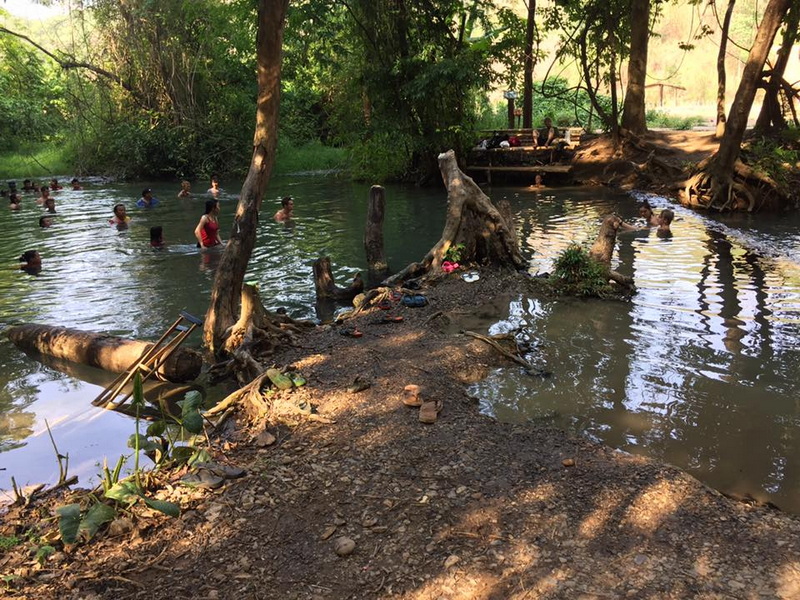
A visit to Sai Ngam Natural Mineral Spring suits travelers who prefer a simple nature stop rather than a heavily scheduled attraction. Located in Pai District, Mae Hong Son, the spring is known for warm mineral water, a forested setting, and a relaxed bathing experience. Its appeal lies less in a long list of facilities and more in the chance to slow down beneath the trees while traveling through northern Thailand. For budget-conscious visitors, the main planning question is not only how to reach the spring, but how to fit it into a wider journey from Chiang Mai. The road to Pai and Mae Hong Son is winding and long, so a low-cost shared tour, a public transport combination, or a carefully organized independent trip may be more practical than an improvised day outing. Travelers should compare what is included before booking, especially transport, entrance costs, stops, and time at the spring. This guide focuses on the visitor experience at Sai Ngam Hot Spring, sensible ways to control travel costs, and two nearby places that can complement the outing. It is intended to help travelers set realistic expectations, respect local communities, and enjoy the area without relying on unverified promises about schedules or package availability.
Start with the Journey, Not Just the Destination
Sai Ngam Hot Spring is in Pai District, within Mae Hong Son Province, so reaching it from Chiang Mai requires patience. The route passes through mountainous terrain and numerous bends, making the journey part of the experience but also an important consideration for anyone prone to motion sickness. A traveler who wants to Visit Mae Hong Son Thailand on a limited budget should allow more time than a map estimate might suggest and avoid planning several demanding stops on the same day.
From Chiang Mai, travelers commonly consider buses or minivans toward Pai, shared excursions, or a private vehicle. Each option has a different balance of cost, flexibility, and comfort. Public transport can reduce expenses but may require arranging the final part of the journey locally. A shared group trip may simplify transport and combine several sights, although the timetable can be less flexible. Renting a motorbike is sometimes considered by experienced riders, but the mountain roads require confidence, appropriate licensing, protective equipment, and careful judgment in changing weather.
A useful budget plan begins by separating essential costs from optional ones. Transport, food, entrance charges, and any local transfer should be considered before choosing a package. A low advertised price may not include every part of the day, while a slightly more expensive arrangement may include convenient transfers. Asking clear questions before confirming a booking is more reliable than assuming that every Mae Hong Son tour from Chiang Mai follows the same route.
What the Sai Ngam Visit Feels Like
The experience at Sai Ngam Hot Springs is centered on warm water surrounded by greenery. Visitors generally come to sit, soak, and enjoy the shaded atmosphere rather than to pursue a long activity program. The spring has a natural, outdoor character, so expectations should be different from those for a developed spa. Uneven surfaces, changing water conditions, and basic facilities are all possibilities at a nature attraction, and visitors should follow signs or local instructions on where bathing is permitted.
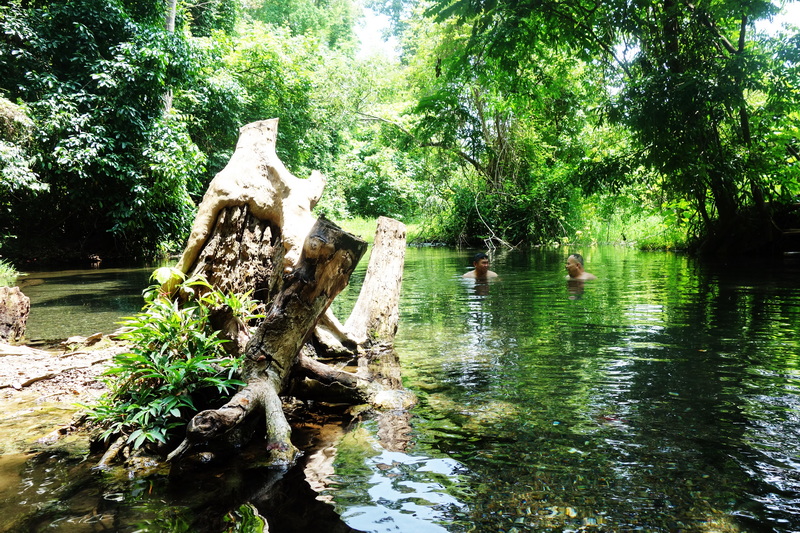
The water can feel comfortably warm, but individual tolerance differs. It is sensible to enter gradually, remain aware of how long you are soaking, and take breaks in the shade. Travelers with health concerns, young children, or sensitivity to heat should use extra caution and seek personal medical advice when appropriate. Drinking water, a towel, dry clothing, sun protection, and simple footwear can make the stop more comfortable.
The surrounding forest contributes strongly to the atmosphere. Leaves, birds, and filtered light create a quieter setting than many urban attractions, but visitors should not mistake a peaceful environment for a private one. Keep voices moderate, avoid leaving food or rubbish, and do not use soaps or other products in the water. Photography is fine when it does not intrude on other bathers, and a respectful visitor leaves the spring looking as it did on arrival.
For travelers searching for Saingam Hot Spring, the spelling may vary across maps, signs, and travel discussions. Confirm the location with the driver or accommodation before departing, particularly if a trip includes several places around Pai. This small check can prevent confusion and helps ensure that a budget itinerary does not lose time through avoidable detours.
Choosing an Affordable Tour from Chiang Mai
Travelers looking for Cheap Mae Hong Son Tours From Chiang Mai should compare the structure of each option rather than focusing on the word “cheap” alone. Shared transport is often the first arrangement to investigate because the cost is distributed among passengers. However, group tours may allow limited time at each stop and may not be designed specifically around Sai Ngam. A package that includes Pai, the spring, and another attraction can be useful if its route matches the traveler’s interests and physical comfort.
Before paying a deposit, ask whether the tour begins in Chiang Mai, whether transfers within Pai are included, and whether entrance fees or meals are separate. It is also worth checking the maximum group size, the amount of time spent on winding roads, and the policy for weather-related changes. These questions do not guarantee a particular experience, but they make the comparison more transparent. Written confirmation is preferable when details have been discussed verbally.
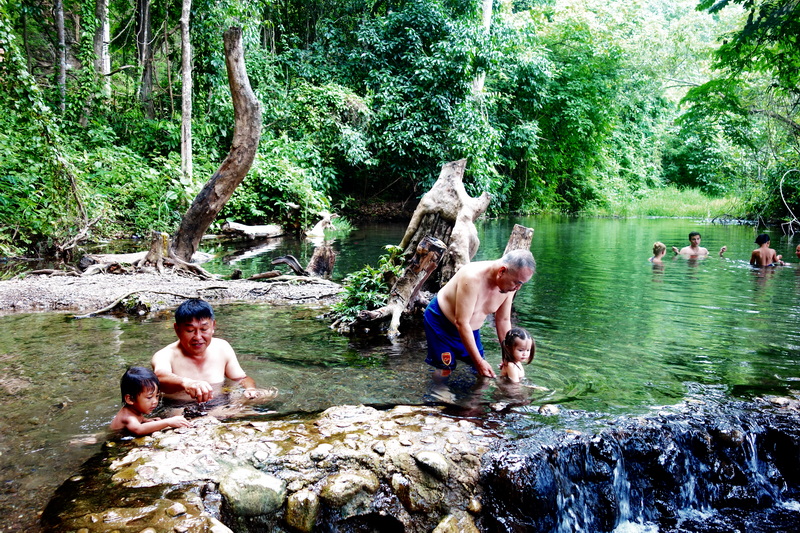
A multi-day journey can sometimes offer better value than trying to force Sai Ngam into a rushed day trip from Chiang Mai. Staying in or near Pai gives travelers more control over the timing and makes it easier to visit the spring when energy levels and weather are suitable. Those who have already reached Pai can ask local accommodation staff or established transport providers about current road conditions and realistic transfers, while still checking any advice independently.
A budget traveler does not need to remove every comfort from the plan. Carrying snacks, using refillable drinking water where safe, sharing legitimate transport, and grouping nearby stops can reduce unnecessary spending. At the same time, saving money should not mean accepting unsafe driving, unclear charges, or disrespectful behavior toward local communities.
Practical Habits for a Comfortable Soak
Timing can shape the visit. Earlier or later parts of the day may feel more comfortable than the hottest midday period, but actual crowd levels and operating arrangements can change. Check current local information before setting out rather than relying on an old blog post or a fixed assumption. If traveling with a group, agree on a meeting point and return time, especially when mobile reception may be inconsistent.
Pack lightly but deliberately. A swimsuit or modest bathing clothes, towel, water, insect protection, dry layers, and a bag for wet items are useful. Shoes with a secure sole can help on damp paths. Leave valuable jewelry and unnecessary electronics behind, since water and outdoor conditions are not ideal for them. A small amount of cash may be useful in rural areas, although visitors should confirm current payment arrangements locally.
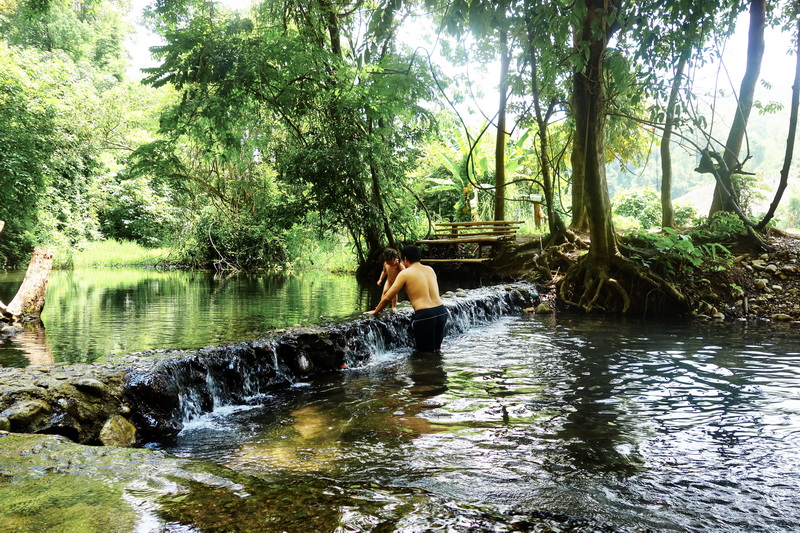
Respect is part of practical preparation. Follow bathing rules, keep the spring clean, and avoid treating local residents or other visitors as subjects for intrusive photographs. If a community-managed area has a fee or requests a particular behavior, regard that as part of maintaining the place rather than an inconvenience. The best Sai Ngam Hot Spring Travel Guide is one that prepares visitors to enjoy the setting while placing minimal pressure on it.
Building a Modest Pai-Area Day
Sai Ngam can work well as one element of a Pai-area itinerary rather than the only reason for a long journey. Pairing the spring with one nearby cultural or natural stop creates variety without turning the day into a race. Travelers should check distances, road conditions, and opening arrangements on the day, since seasonal conditions and local management can affect access.
A simple plan might begin with a relaxed departure, continue to the spring for a measured soak, and then move to a nearby attraction before returning to Pai. Keep room for food, rest, and delays on mountain roads. If a tour operator proposes several stops, ask how much actual time is allocated at each one. A list of destinations can look impressive while still producing a tiring day if every visit is brief.
The spring is best appreciated as a low-key pause in a broader northern Thailand trip. It offers warm water and a natural setting, but the journey also calls for flexibility. Travelers who accept that rhythm are more likely to enjoy the visit than those expecting a tightly controlled attraction with guaranteed conditions.
Nearby Attractions
Santichon Village
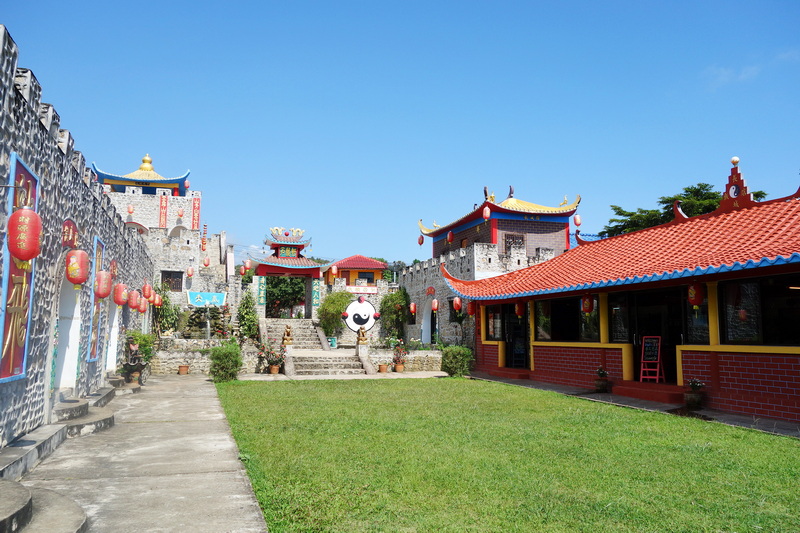
Santichon Village offers a cultural counterpoint to the spring’s natural setting. The community is associated with Yunnanese heritage in the Pai area, and visitors should approach it as a living community rather than a backdrop created solely for tourism. Observe local customs, ask before photographing people, and support businesses in a considerate way.
The village can complement Sai Ngam by adding food, architecture, and cultural context to a nature-focused outing. Allow enough time to look around without rushing, and avoid making assumptions about local identity based on decorative features alone. Respectful observation and courteous spending help keep the visit beneficial and comfortable for both guests and residents.
Pam Bok Waterfall
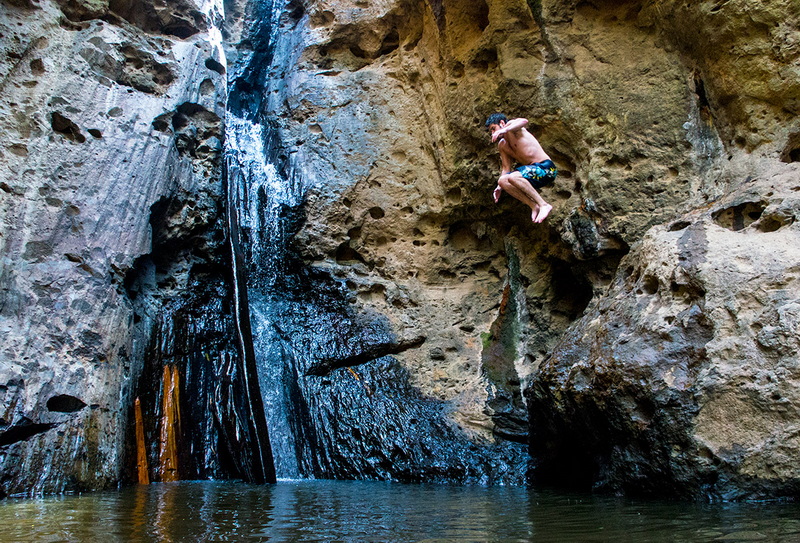
Pam Bok Waterfall provides a different landscape experience, with a narrow ravine and falling water that can be especially appealing after time in the warm spring. Conditions may vary with season, and wet rocks can be slippery, so visitors should follow any local safety guidance and avoid entering areas that appear unsafe.
This is a useful pairing for travelers who want both relaxation and a short nature-focused stop. Do not assume that swimming is always suitable or permitted, and allow time for walking carefully rather than treating the waterfall as a quick photograph alone. Keeping rubbish out of the water and staying on appropriate paths helps protect the setting.
Why This Place Stays With You
Sai Ngam Hot Spring rewards a measured approach: plan the mountain journey carefully, compare transport options honestly, and leave enough time to enjoy the warm water without rushing. Shared tours can help control costs, while an overnight stay near Pai may provide more flexibility than a compressed excursion from Chiang Mai. Add Santichon Village or Pam Bok Waterfall only when the route and energy level make sense. With respectful behavior, basic preparation, and realistic expectations, the spring becomes a calm and affordable part of exploring Mae Hong Son.

No comments:
Post a Comment