Chiang Mai Monkey Show and Zoo Attractions Around Mae Rim
A practical, responsible guide to planning a Mae Rim animal-focused day from Chiang Mai
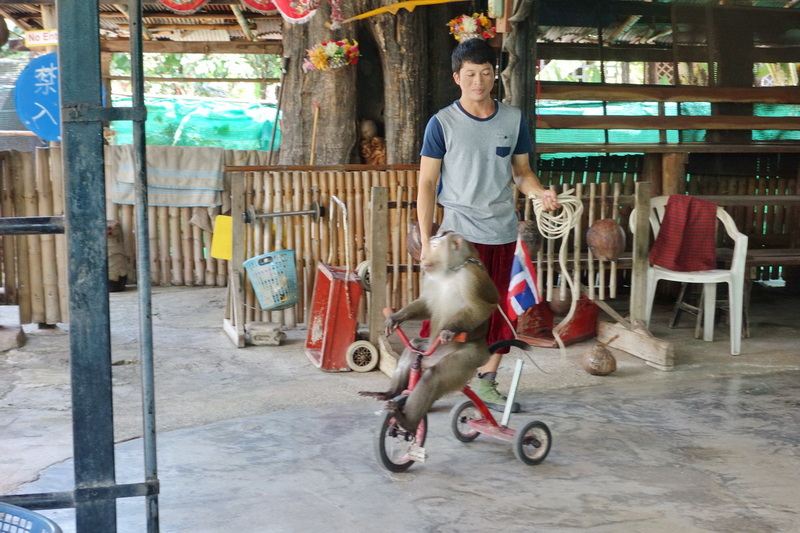
Mae Rim District, Chiang Mai, is a useful base for travelers who want to explore animal-focused attractions beyond the city center. Among the places associated with this northern route, Chiang Mai Monkey School is often considered by visitors looking for a short wildlife-themed stop and a broader day of nearby experiences. The setting is different from an urban zoo: the journey follows the green northern outskirts, where several attractions are spread along the Mae Rim corridor rather than gathered behind one city gate. A visit is best approached as a flexible outing, not as a promise of a particular performance or timetable. Conditions, programs, and access arrangements can change, so travelers should confirm current details before setting out. The most rewarding plan also leaves room to consider how animals are housed, trained, and presented. This Chiang Mai Monkey School Travel Guide focuses on practical choices, nearby combinations, and respectful observation for budget-conscious visitors. Whether the goal is a Chiang Mai Monkey Show, a family excursion, or simply an introduction to animal attractions in the north, planning the route matters. Mae Rim can involve more travel time than a central Chiang Mai activity, but combining one main stop with a carefully selected nearby attraction can make the day feel worthwhile without turning it into an exhausting checklist.
Starting with the Mae Rim Setting
Monkey School Mae Rim is located in Mae Rim District, Chiang Mai, north of the main urban area. Its location makes it more suitable for a half-day or full-day plan than for a quick walk-in stop between central temples. Visitors should think about the complete journey: the time required to reach Mae Rim, the time spent at the school, and the return trip or onward travel to another attraction. A map check before departure is especially helpful because attractions in this area are not necessarily next door to one another.
The surrounding district offers a greener, more open contrast to central Chiang Mai. Roads lead through a mix of local communities, gardens, businesses, and countryside, giving the journey its own character. For first-time visitors, a private car, hired driver, or organized excursion may be simpler than trying to coordinate several independent rides. Travelers using local transport should clarify the destination, waiting arrangements, and return plan in advance rather than assuming that a vehicle will be immediately available later.
The Chiang Mai Monkey School experience may include an opportunity to observe trained monkeys and demonstrations, depending on the current program. Descriptions should be treated as general guidance rather than a guarantee of specific acts or show times. A thoughtful visitor pays attention to the animals' condition and behavior, avoids teasing or provoking them, and follows instructions about distance, feeding, and photography. These small choices help keep the visit focused on observation rather than spectacle.
How to Think About Zoo Attractions in Chiang Mai
Travel searches sometimes use the phrase Attractions Zoo in Chiang Mai even when they refer to a wide range of animal-related places. In practice, the region includes traditional zoo environments, small animal centers, farms, educational venues, and attractions built around demonstrations. They do not all offer the same level of interpretation, enclosure design, or visitor interaction. Comparing the type of experience is more useful than choosing a place solely because it contains the word zoo in its description.
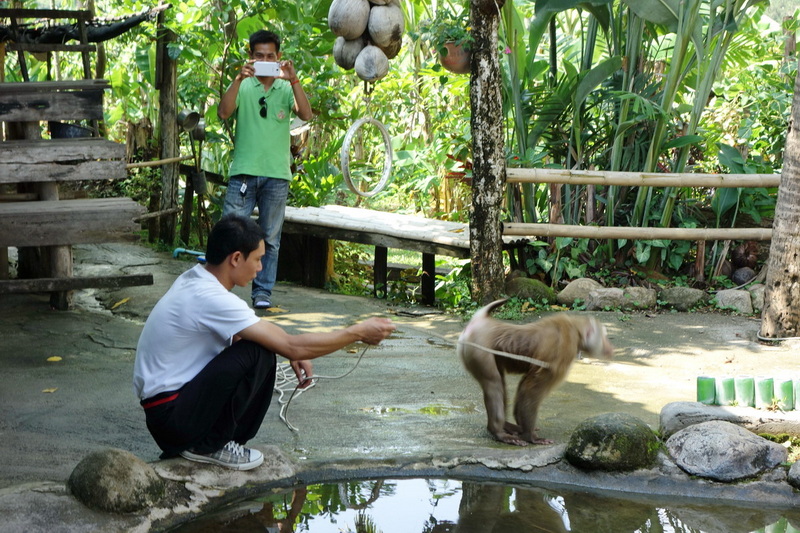
For a visit centered on Chiang Mai Monkey School, decide what kind of day you want before adding more stops. A family may prefer one main attraction with time for breaks. An adult traveler interested in animal care may want to examine the setting carefully and choose fewer places with more attention to welfare standards. A budget-conscious visitor can also save effort by grouping attractions along the same general route, while remembering that extra admissions, transport, and meals can increase the total cost even when individual stops seem inexpensive.
Useful questions include whether the venue explains its animals' care, whether visitors are encouraged to maintain a respectful distance, and whether interactions are controlled rather than constant. It is reasonable to ask staff about photography, feeding, touching, and accessibility. Travelers should also be cautious with any activity that appears to cause distress, forces unnatural contact, or treats animals as props. Responsible tourism does not require rejecting every animal attraction automatically; it does require observing critically and making choices consistent with compassion.
Building a Practical Tour Without Overplanning
A simple Tour in Chiangmai can be organized around one anchor attraction in Mae Rim, followed by one nearby stop if transport and energy allow. This structure is often more comfortable than attempting every attraction in one day. Begin by checking the current opening information and any seasonal changes for the Monkey School. Then estimate travel time from the city, identify a dependable return option, and keep a little flexibility for traffic or unexpected delays.
Independent travelers should carry water, sun protection, comfortable shoes, and a small amount of cash as a backup, while also keeping valuables secure. Modest, breathable clothing is practical for a warm outdoor setting. Families may want snacks for children, although food and drink rules can vary by venue. A lightweight plan is especially valuable during hot weather, when moving between multiple stops can be tiring. If the itinerary includes photography, bring equipment that can be used without crossing barriers or disturbing animals.
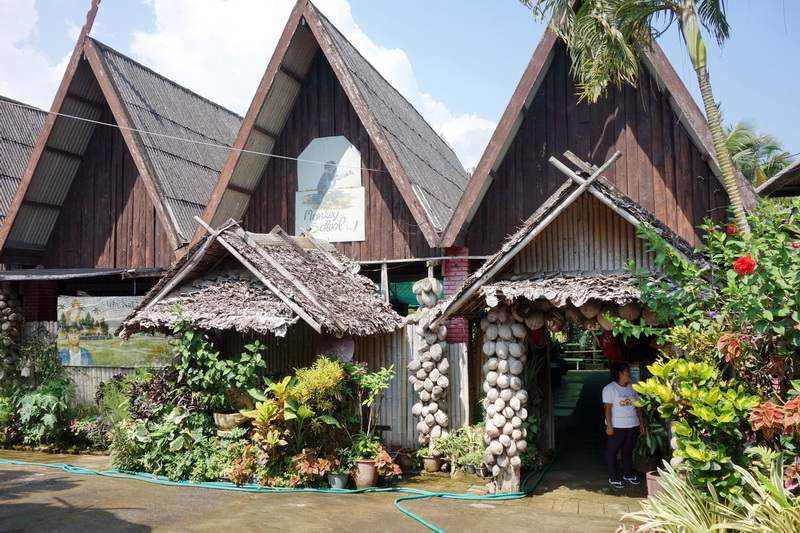
An organized day trip can reduce navigation work, but the quality of a tour depends on what is actually included. Before booking, ask whether transport, entry arrangements, waiting time, and the return point are clear. Avoid assuming that a tour includes every attraction mentioned in an advertisement. For travelers searching for a Tour in Chiangmai, the most useful comparison is often between route clarity and personal flexibility, not simply the number of stops.
The term Chiang Mai Monkey School Thailand may appear in travel searches alongside broad packages covering Mae Rim. That wording does not by itself confirm that a particular operator is affiliated with the attraction. Check the name of the venue, the current itinerary, and the provider's policies before paying. Where animal welfare is important to you, look for transparent information and avoid programs that emphasize forced handling, constant touching, or sensational claims.
What to Notice During the Chiang Mai Monkey Show
A Chiang Mai Monkey Show can be understood as a presentation shaped by human training and visitor expectations, rather than as a simple display of natural behavior. Watching with this context helps prevent misunderstandings. Monkeys performing a learned action are not demonstrating what they would normally do in the forest. The responsible response is calm observation, without shouting, making sudden gestures, or encouraging behavior that staff have not requested.
Visitors should follow all posted instructions and staff guidance, particularly around barriers and animal contact. Do not attempt to feed an animal with personal food, even if it looks friendly. Flash photography may be unsuitable in some settings, and loud reactions can add unnecessary stress. If a child is present, an adult can explain that animals deserve space and that a good visit does not require touching or posing with them.
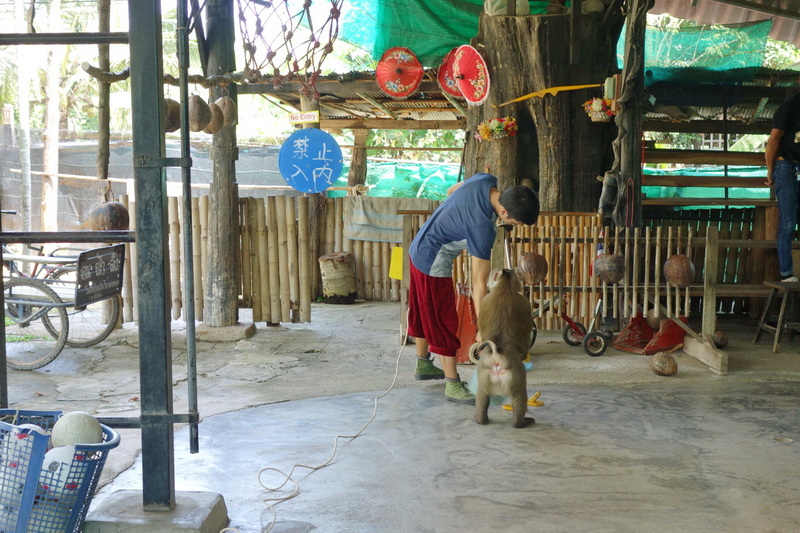
The visit can also prompt wider reflection on Thailand's changing tourism landscape. Animal attractions may have educational, commercial, and cultural dimensions at the same time. It is important not to exoticize local communities or assume that one attraction represents an entire country or culture. Ask respectful questions, listen to explanations, and judge the experience through both visitor enjoyment and animal well-being. That approach creates a more informed memory than collecting photographs alone.
Choosing One Nearby Addition
The most practical combined itinerary usually pairs the monkey school with one nearby attraction rather than several. Tiger Kingdom Chiang Mai and Mae Rim Elephant Home offer different types of animal-focused experiences, so the choice depends on your interests, comfort level, and available time. Check current access details for both places before finalizing the route, since local conditions and visitor policies can change.
Travelers who prefer a short, focused outing may visit the monkey school and then return to Chiang Mai. Those with a full day can select one additional venue, pause for a meal, and leave enough time for the journey back. This approach supports a calmer pace and gives you the chance to consider each place instead of comparing attractions only by the number of animals or photo opportunities. It also helps keep the day manageable for children and older travelers.
Nearby Attractions
Tiger Kingdom Chiang Mai
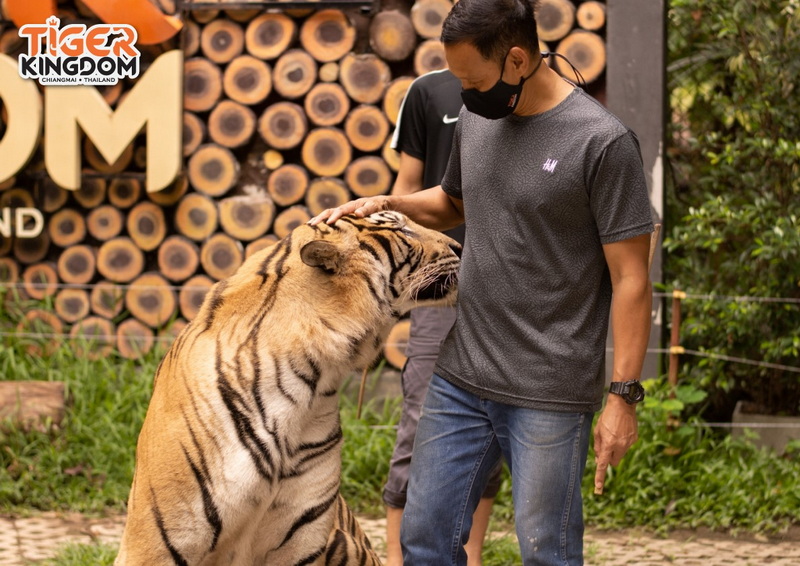
Tiger Kingdom Chiang Mai is a separate animal attraction in the Mae Rim area and can be considered when planning a wider northern outing. Its focus is different from the monkey school, so visitors should review the current visitor rules, enclosure policies, and welfare information before deciding whether it suits their values. A responsible traveler should never assume that close-contact photography or handling is required for a meaningful visit.
For route planning, treat Tiger Kingdom Chiang Mai as one possible main stop or companion stop, not an automatic add-on. Confirm the location and current access arrangements, then allow time for transport between venues. If traveling with children, explain beforehand that large predators should be observed quietly and that staff instructions take priority. Choosing observation over physical interaction can make the experience more respectful and less stressful for both visitors and animals.
Mae Rim Elephant Home
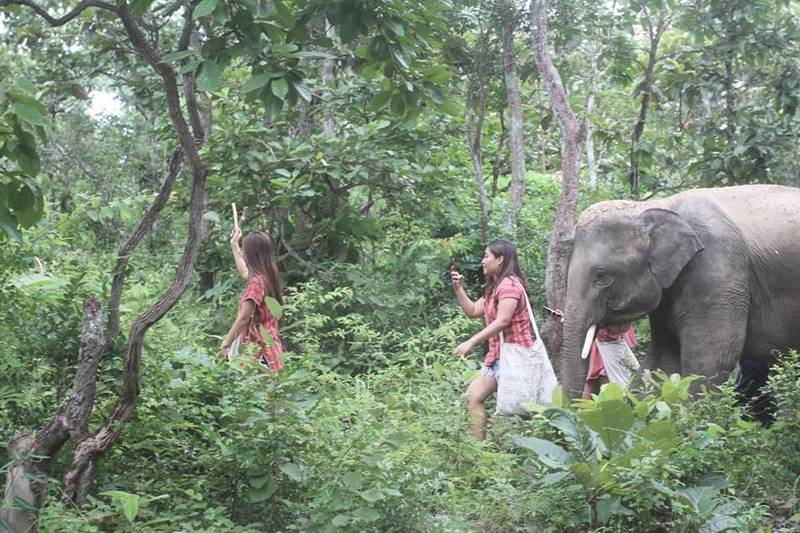
Mae Rim Elephant Home provides another possible focus for travelers exploring animal attractions around Mae Rim. Elephant venues can differ considerably in their care models and visitor activities, so current information about housing, daily care, bathing, riding, feeding, and contact policies deserves careful attention. Look for clear explanations of the elephants' needs and avoid treating close interaction as the measure of a successful visit.
When combining Mae Rim Elephant Home with Chiang Mai Monkey School, leave generous time for transport and rest rather than trying to fit in every available activity. Observe quietly, respect staff boundaries, and do not feed or touch elephants unless an authorized guide clearly explains that an interaction is appropriate. Travelers who prioritize welfare may decide that watching natural movement, learning about care, and limiting direct contact are more valuable than a staged photo opportunity.
Why This Place Stays With You
A visit to Chiang Mai Monkey School is easiest to enjoy when it is planned as one part of a flexible Mae Rim outing. Confirm current details, budget for transport and entry costs, and select no more than one nearby attraction if you want a relaxed pace. Whether you choose Tiger Kingdom Chiang Mai, Mae Rim Elephant Home, or no additional stop, let animal welfare guide your behavior. With realistic expectations and respectful observation, this northern route can offer a more considered alternative to rushing through a list of Attractions Zoo in Chiang Mai.

No comments:
Post a Comment