Pong Nam Ron Thapai Affordable Tours and Visitor Information
A practical budget guide for planning a Chiang Mai journey to Tha Pai Hot Spring and nearby Pai highlights
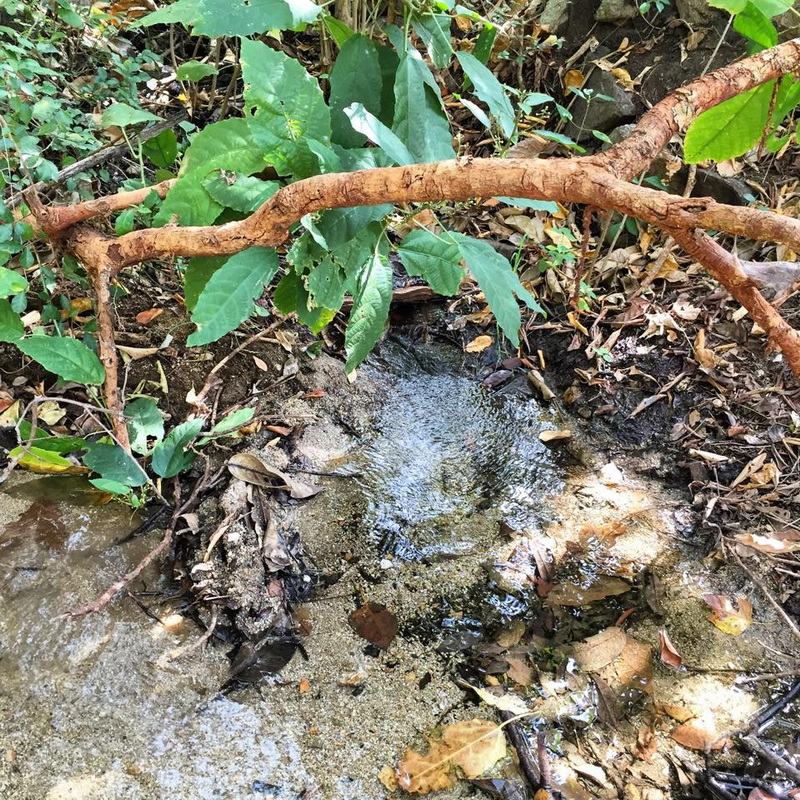
Pong Nam Ron Thapai, also known as Tha Pai Hot Spring, is a natural attraction in Pai District, Mae Hong Son. For travelers who want a gentle outdoor stop without building an expensive private itinerary, the hot spring can fit neatly into a wider journey from Chiang Mai. The experience is less about rushing between landmarks and more about allowing time for a warm-water landscape, forest surroundings, and the distinctive mountain roads of northern Thailand. Planning matters because Pai is reached by a winding route, and a visit to the spring is usually more practical as part of a Pai-based itinerary than as an isolated stop. Shared excursions, group departures, or transport-inclusive packages may help control costs, although travelers should compare what each option includes before booking. A low headline price may not cover every entrance fee, meal, or optional activity. This guide focuses on useful decisions rather than sales promises: how to look for affordable tours from Chiang Mai, what to expect at the attraction, how to behave around a natural thermal area, and how to pair the visit with Pai Canyon and Wat Phra That Mae Yen. Conditions, opening arrangements, and tour inclusions can change, so confirming current details with an official source or tour operator remains part of responsible planning.
Choosing an affordable route from Chiang Mai
The first budget decision is whether to travel independently, join a group, or arrange transport as part of a broader Mae Hong Son itinerary. A group tour can spread vehicle costs among several travelers and reduce the work of navigating the mountain road. An independent trip may offer more control over time, but the combined cost of transport, fuel, meals, entrance fees, and stops should be considered rather than comparing only one ticket price. Travelers researching Visit Mae Hong Son Thailand can use these details when planning the trip.
Travelers searching for Cheap Mae Hong Son Tours From Chiang Mai should read the itinerary carefully. Check whether the route actually includes Pai and Tha Pai Hot Spring, whether transfers begin and end in Chiang Mai, and whether the schedule allows enough time at each stop. Some packages are designed around several destinations, while others provide transport with limited guided sightseeing. The cheapest choice is not always the most useful if it creates a rushed day or excludes essential costs.
Shared departures can suit visitors who are comfortable following a fixed route and meeting other travelers. For greater flexibility without the full cost of a private vehicle, a small-group option may be worth comparing. Ask about vehicle type, luggage space, meal arrangements, entrance fees, and the policy for changes caused by weather or road conditions. These practical questions are more valuable than relying on phrases such as best or guaranteed.
The road between Chiang Mai and Pai is known for numerous curves, so travelers who are sensitive to motion should prepare conservatively. A light meal before departure, water, regular breaks, and any personally appropriate motion-sickness preparation may make the journey more comfortable. Allowing realistic travel time is also important; a map distance does not fully describe a route through mountainous terrain.
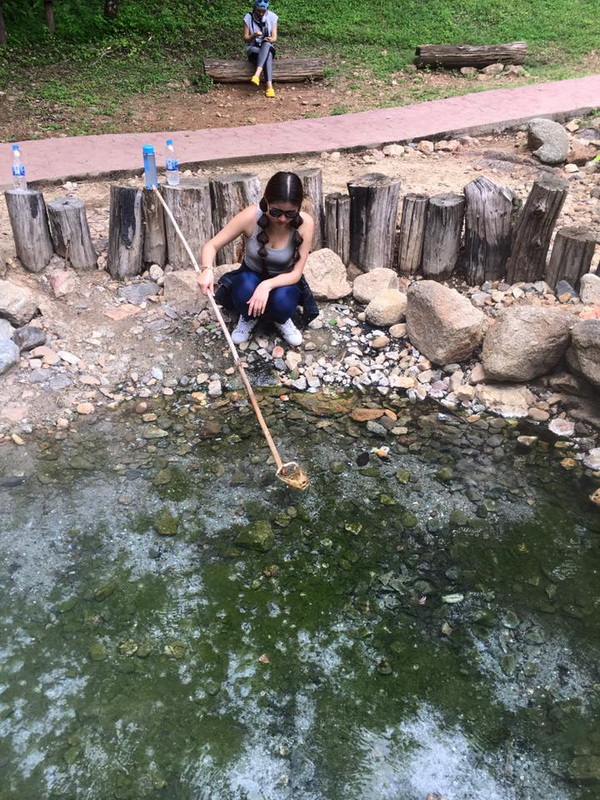
What to know before visiting Tha Pai Hot Spring
A Tha Pai Hot Spring Travel Guide should begin with expectations. This is a natural thermal area within a protected landscape, not simply an indoor spa. Visitors may encounter paths, trees, warm ground, and areas where water temperatures vary. The most suitable way to experience the site is to observe posted guidance and use only areas designated for public access. Do not assume that every pool or stream is safe for bathing.
Before setting out, confirm current opening information, entrance arrangements, and any restrictions through an official park or local information source. Weather, maintenance, conservation measures, and seasonal conditions can affect access. Tour operators may also adjust their schedules. Comfortable walking shoes, sun protection, drinking water, and a light layer are useful additions, while a towel and spare clothing may be appropriate if bathing is permitted in an approved area.
Visitors should protect the setting by staying on marked paths, avoiding contact with fragile ground, and carrying rubbish out when bins are not available. Soap, shampoo, food waste, and other products should not enter natural water. Keep voices moderate, avoid disturbing other visitors, and follow instructions from staff. These simple choices help preserve the attraction for residents and future travelers.
Photography is usually part of a scenic visit, but it should not take priority over safety or privacy. Stay behind barriers, keep a safe distance from hot water, and do not climb onto unstable surfaces for a better view. If traveling with children, supervise them closely near pools, streams, slippery paths, and uneven terrain. A calm pace makes the visit more comfortable and leaves room to notice the landscape.
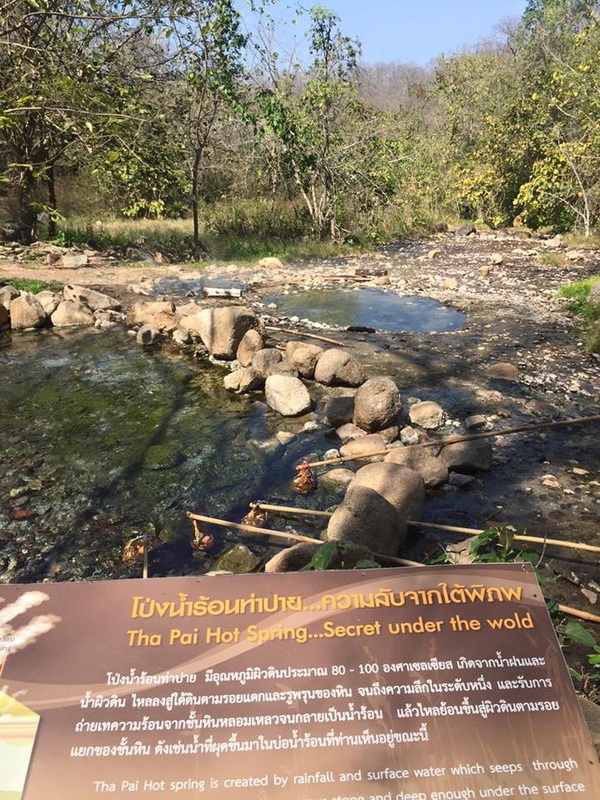
Building a sensible budget itinerary
A practical itinerary places the hot spring within a broader Pai stay or regional route instead of treating it as a rushed long-distance excursion. The best structure depends on transport arrangements, but travelers should separate driving time from sightseeing time when judging a proposed schedule. A program that lists many stops may look efficient on paper while allowing only a short visit at each location.
Start by identifying the costs that are easy to overlook. These can include transport between a hotel and meeting point, entrance fees, meals, drinks, guide services, and transfers between separate attractions. Ask whether the tour price is per person or per vehicle and whether the group size is stated. Written confirmation of inclusions is helpful, particularly when comparing several affordable options.
If the hot spring is one part of a multi-day trip, carrying only necessary day items can make changes between stops easier. Keep identification, cash suitable for small local purchases, a phone, water, sun protection, and any medication in an accessible day bag. Travelers should not assume that every rural stop accepts cards or has reliable mobile coverage, so modest preparation is sensible without overpacking.
A budget plan should also leave room for local spending that supports the communities along the route. Choosing locally operated food services, purchasing only what is needed, and treating public spaces respectfully can make a low-cost journey more responsible. Saving money does not require reducing courtesy or placing pressure on the environment.
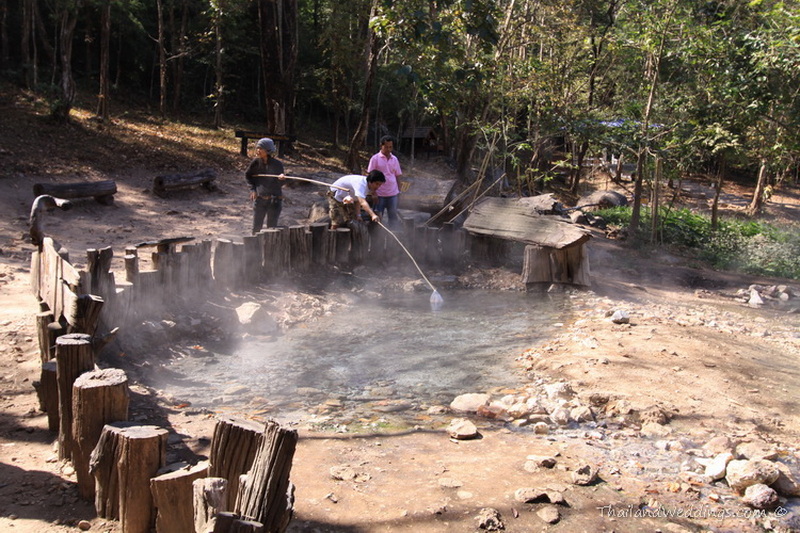
Making the hot spring visit comfortable
Timing can influence the feel of a visit even when exact crowd levels are difficult to predict. Earlier or later portions of the day may offer a quieter atmosphere than the busiest period, but tour schedules and current access rules should guide the final decision. Rather than promising a particular experience, plan with flexibility and accept that weather and visitor numbers may change.
Wear clothing that is comfortable for walking and suitable for any permitted water activity. Some visitors prefer to bring a modest change of clothes, a small quick-drying towel, and a waterproof pouch for essential items. Avoid bringing valuables that are unnecessary for the outing. If bathing is not available on the day, the area can still be appreciated as a nature stop through observation and a slow walk.
Thermal water can feel more intense than expected, especially for people with health conditions or heat sensitivity. Follow posted warnings, limit exposure as advised, and leave the water if feeling dizzy, uncomfortable, or unwell. Anyone uncertain about bathing should choose the safer option and consult a medical professional before travel. The purpose of the stop is relaxation and landscape appreciation, not endurance.
Respect for local customs is part of a good Tha Pai Hot Spring Visitor Guide. Dress appropriately when moving through public areas, avoid loud behavior, and be considerate when other visitors are taking photographs or resting. Ask before photographing people, and remember that a natural attraction may hold different meanings for local residents than it does for a short-term visitor.
Nearby Attractions
Pai Canyon
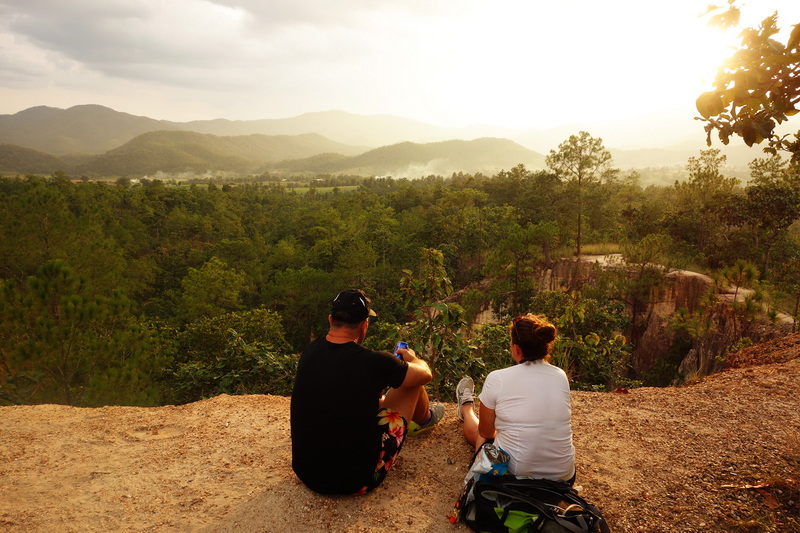
Pai Canyon can complement a visit to Pong Nam Ron Thapai with a contrasting landscape of dry ridges, narrow paths, and broad views. The terrain is uneven, and some ridge sections have steep edges or limited space, so visitors should wear shoes with dependable grip and remain well back from drop-offs. Conditions can be especially uncomfortable in strong sun, making water, sun protection, and a patient walking pace useful.
Rather than treating the canyon as a quick photograph stop, allow time to assess the path and choose only sections that match your confidence and physical ability. There is no need to reach every viewpoint. Combining the canyon with the hot spring works best when the itinerary leaves enough time for safe movement and a pause between contrasting outdoor environments.
Wat Phra That Mae Yen
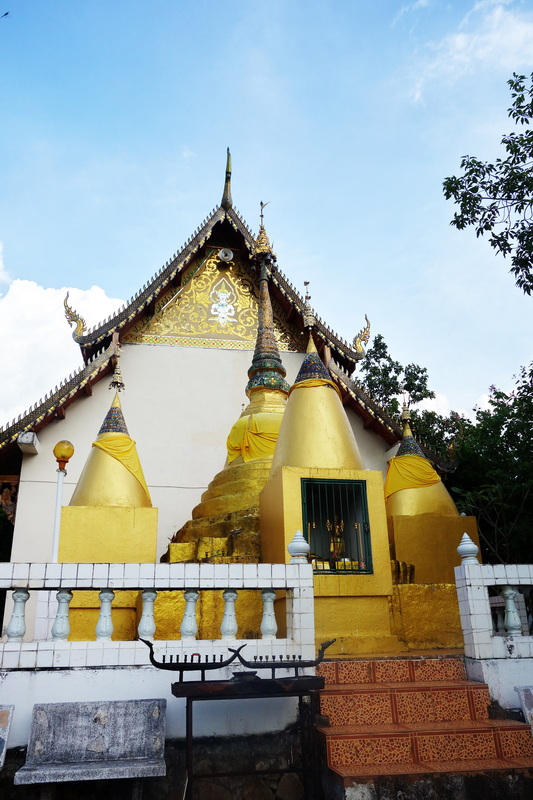
Wat Phra That Mae Yen provides a cultural and scenic complement to the natural setting of Thapai Hot Spring. Located on a hill above Pai, the temple area is associated with a prominent Buddha image and views across the surrounding valley. Visitors should approach it as a functioning religious site rather than only as a lookout.
Wear respectful clothing, keep voices low, and follow any instructions about footwear or access to worship areas. Ask permission before photographing people engaged in religious activities, and avoid treating statues or sacred spaces as props. The hilltop setting can also involve steps and sun exposure, so allow time for a steady ascent and bring water. Its calm atmosphere makes it a thoughtful addition to a Pai itinerary after planning the day around road travel and outdoor stops.
Why This Place Stays With You
A successful visit begins with realistic expectations: compare tour inclusions, allow generous time for the winding journey, confirm current access information, and prepare for a natural setting rather than a fully managed spa. Whether you travel independently or join an affordable group from Chiang Mai, protect the thermal landscape and respect local customs. Pairing Tha Pai Hot Spring with Pai Canyon and Wat Phra That Mae Yen creates a varied itinerary without requiring an overloaded schedule. With careful budgeting and a flexible attitude, travelers can enjoy Mae Hong Son at a pace that feels both manageable and responsible.

No comments:
Post a Comment