Exploring Wat Chamadevi in Lamphun Thailand Visitor Guide
A detailed visitor guide to Wat Ku Kut and Chamadevi Temple with nearby attractions and travel planning insights
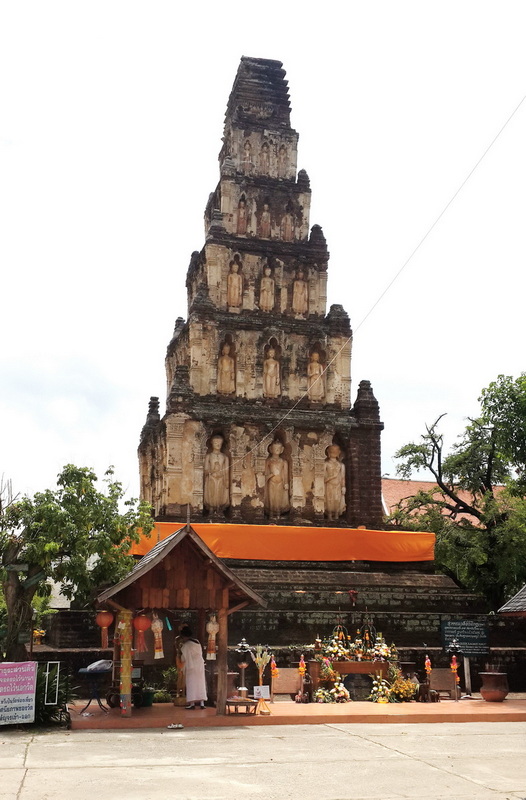
Nestled in the heart of Mueang Lamphun District, Lamphun, Wat Chamadevi—also known as Chamadevi Temple or Wat Ku Kut—stands as a captivating destination for travelers seeking both cultural enrichment and serene beauty. This temple, steeped in history and local legend, offers a fascinating glimpse into the spiritual heritage of northern Thailand. Visitors can admire its unique architecture and peaceful grounds, making it a must-see for anyone exploring the region. This Lamphun Thailand Visitor Guide aims to provide independent travelers and tourists with practical information and thoughtful insights about Wat Ku Kut and Chamadevi Temple. Beyond the temple itself, the guide highlights nearby attractions like Wat San Pa Yang Luang and Ku Chang Ku Ma, enriching the visitor experience with additional cultural and historical context. Whether you are planning a trip as part of a Chiang Mai Tour Package or exploring Lamphun at your own pace, this guide offers a balanced perspective that respects local traditions while supporting confident and well-informed travel planning.
Historical and Cultural Significance of Chamadevi Temple
Chamadevi Temple, also called Wat Chamadevi or Wat Ku Kut, is one of Lamphun’s most revered religious sites. It is named after Queen Chamadevi, the legendary founder of Lamphun city and a prominent figure in northern Thai history. The temple’s origins trace back several centuries, making it a vital link to the region’s Lanna heritage. Visitors can observe traditional northern Thai architecture, characterized by intricate wood carvings, multi-tiered roofs, and serene Buddha images.
The temple serves not only as a place of worship but also as a cultural landmark where local festivals and ceremonies take place. Its peaceful atmosphere invites reflection and offers a deeper understanding of the spiritual life that continues to thrive in Lamphun. Chamadevi Temple’s connection to the city’s founding story adds a layer of historical importance that enriches the visitor’s experience.
Planning Your Visit to Wat Ku Kut and Chamadevi Temple
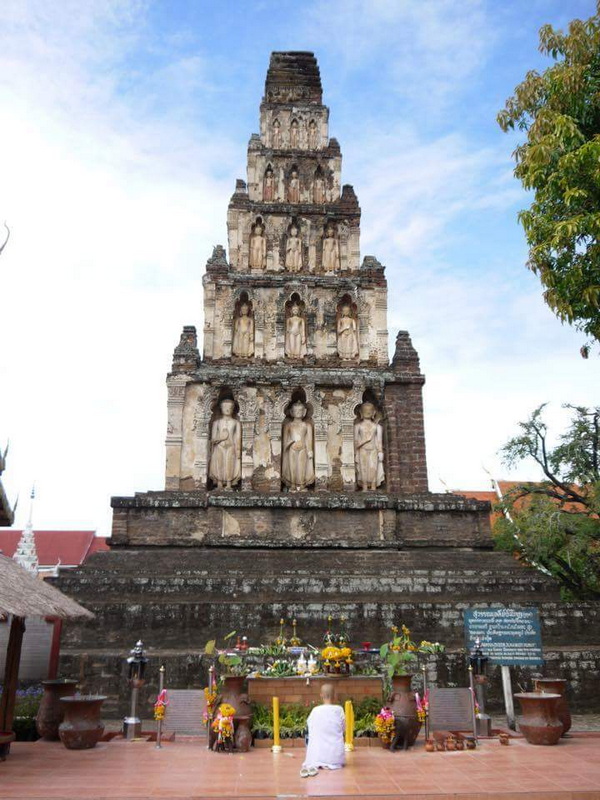
When visiting Wat Ku Kut, travelers will find the grounds well-maintained and welcoming. While the temple remains an active place of worship, visitors are encouraged to observe respectfully and dress modestly. The site offers shaded areas and quiet spots perfect for contemplation or photography. It is advisable to visit during daylight hours to fully appreciate the temple’s architectural details and surrounding gardens.
Nearby, visitors can find small local markets and eateries serving northern Thai cuisine, providing an authentic taste of Lamphun’s culture. For those combining their visit with a Chiang Mai Tour Package, Chamadevi Temple is often included as a cultural highlight due to its accessibility and significance. Independent travelers will also benefit from the clear signage and local guides available in the area, ensuring an enriching and hassle-free experience.
Lamphun’s Rich Heritage and the Role of Wat Ku Kut
Lamphun Province, known for its historical roots in the ancient Mon kingdom, offers a tapestry of cultural and natural attractions. Wat Ku Kut is a key component of this heritage, standing alongside other significant temples and monuments that tell the story of the region’s development over centuries. The temple’s architecture reflects influences from both Mon and Lanna styles, making it an important study site for those interested in Southeast Asian art and history.
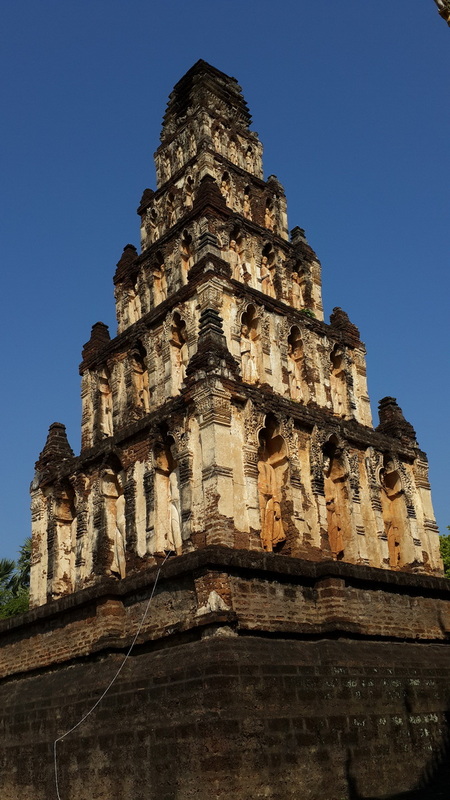
The temple’s location in Mueang Lamphun District provides easy access to other cultural sites and natural landscapes. This regional context enhances the visitor’s understanding of northern Thailand’s layered history and vibrant present. Exploring Wat Ku Kut within this broader setting allows travelers to appreciate the continuity of tradition and community life that defines Lamphun.
Practical Tips for Visiting Wat Chamadevi and Surrounding Attractions
Travelers planning to visit Wat Chamadevi should consider combining their trip with nearby sights to maximize their experience. The temple is accessible by local transportation or private vehicle from Chiang Mai, making it a convenient stop for those on a Chiang Mai Tour Package or independent journey. While entry to the temple grounds is generally free, donations are welcomed to support maintenance and local monks.
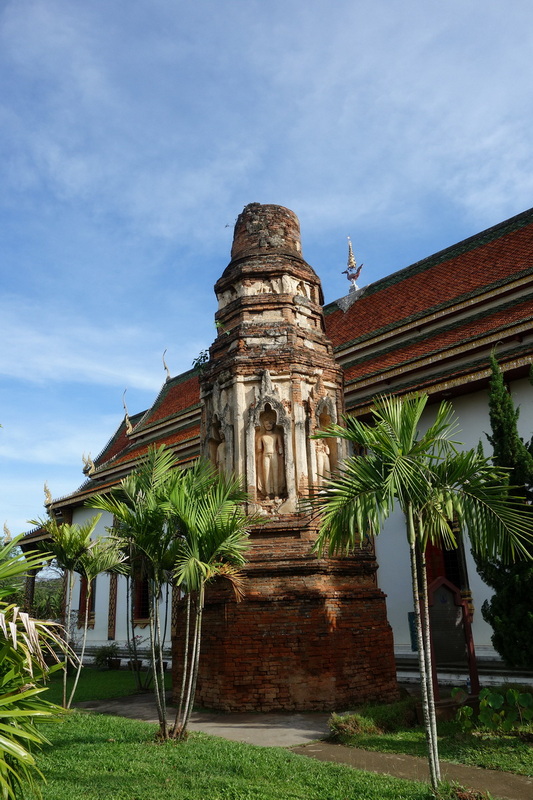
Visitors should wear comfortable footwear and bring sun protection, as exploring the temple grounds and nearby attractions may involve walking outdoors. Photography is permitted, but it is important to respect worshippers and avoid flash photography inside sacred buildings. Additionally, engaging with local guides or community members can provide valuable context and enrich the visit.
For travelers interested in spiritual or cultural events, checking local calendars for festivals or ceremonies at Chamadevi Temple can offer a unique glimpse into living traditions. However, it is advisable to approach such events with sensitivity and respect for local customs.
Nearby Attractions
Wat San Pa Yang Luang
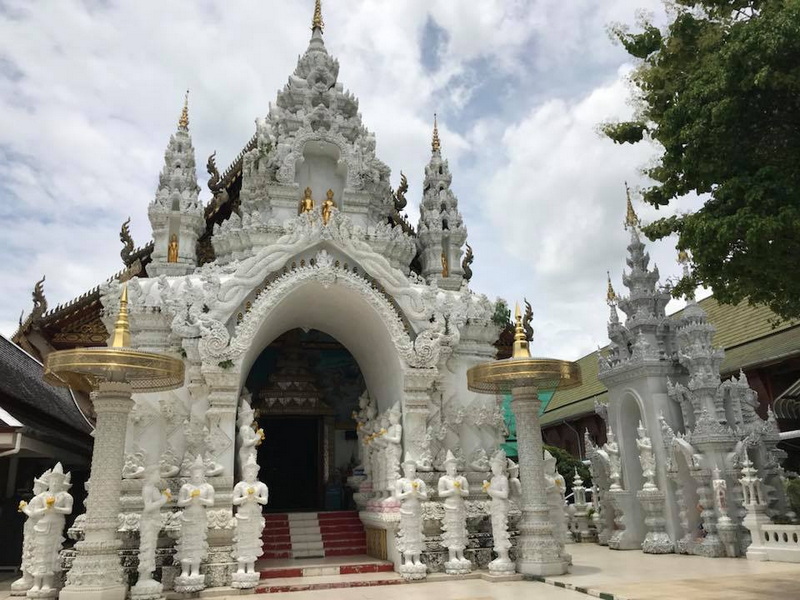
Wat San Pa Yang Luang is a tranquil temple located near Chamadevi Temple, known for its lush surroundings and distinctive architectural features. This temple offers visitors a quieter atmosphere to appreciate northern Thai Buddhist art and community life. The temple grounds are often less crowded, providing an ideal spot for meditation or peaceful walks.
The temple’s setting amidst natural greenery contributes to a refreshing experience, especially for travelers looking to escape the busier tourist hubs. Visiting Wat San Pa Yang Luang alongside Chamadevi Temple allows for a well-rounded cultural outing in Lamphun.
Ku Chang Ku Ma
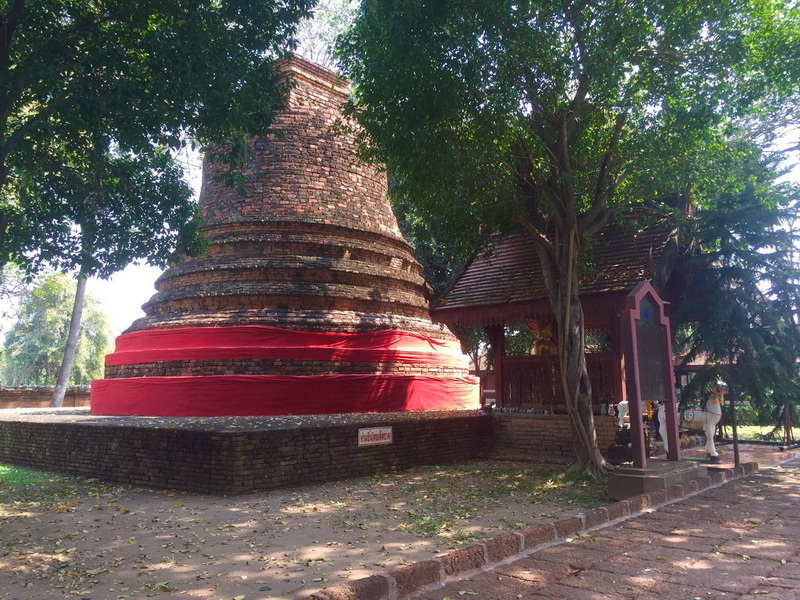
Ku Chang Ku Ma is a unique local landmark near Chamadevi Temple, featuring large statues of an elephant and a horse, symbols with cultural and historical significance in the Lamphun region. The site is popular with visitors interested in folklore and local traditions, offering insight into the symbolic meanings these animals hold in northern Thai culture.
The area around Ku Chang Ku Ma also provides pleasant walking paths and photo opportunities. It is a fitting complement to temple visits, broadening the cultural perspective of travelers exploring Lamphun’s heritage.
Why This Place Stays With You
Exploring Wat Chamadevi and Wat Ku Kut provides a meaningful window into the spiritual heart of Lamphun and its rich historical tapestry. By including nearby sites like Wat San Pa Yang Luang and Ku Chang Ku Ma, visitors can deepen their appreciation of the region’s cultural diversity and natural beauty. Whether traveling independently or as part of a Chiang Mai Tour Package, this guide aims to equip travelers with the knowledge and confidence to experience Lamphun with respect and curiosity. Embrace the serene ambiance, architectural marvels, and enduring traditions that make this area a special destination in northern Thailand.
