Karen Hill Tribe Culture and Travel Options in Northern Thailand
A respectful cultural overview for travelers considering hill tribe experiences and Northern Thailand vacation packages
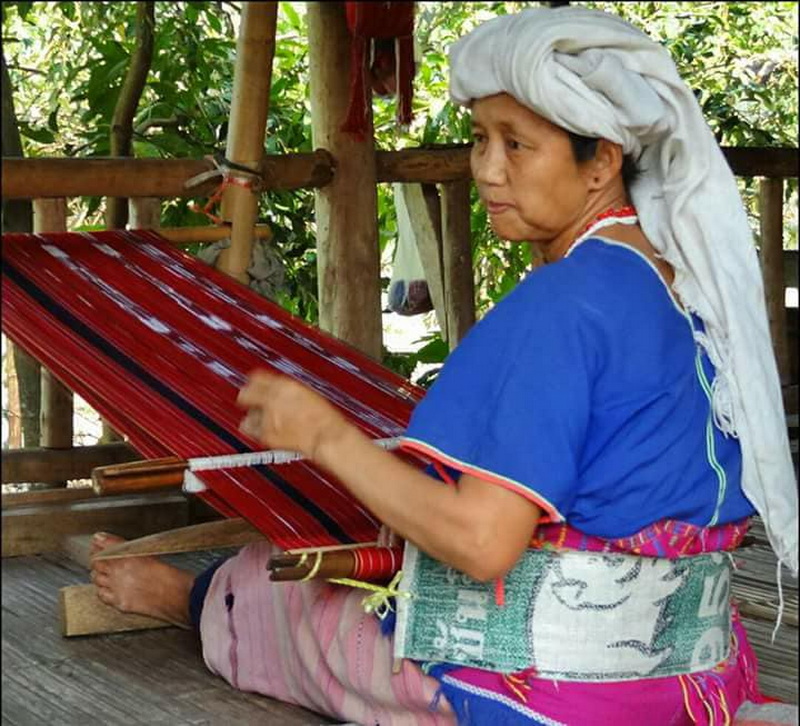
Northern Thailand is home to a wide range of communities, histories, languages, and ways of life. Within travel writing, the broad expression Hill Tribes of Northern Thailand is often used to describe several distinct ethnic communities, but it should not suggest that they share one culture or one visitor experience. The Karen Hilltribe is one subject travelers may encounter in cultural itineraries, particularly when planning a Chiang Mai Vacation Package or another regional journey. A meaningful visit begins with context rather than spectacle. Karen communities are living societies, not museum displays, and a village visit may involve conversation, learning, local products, or a glimpse of everyday life depending on the community and the program. This guide introduces the cultural setting, explains common package formats in general terms, and considers how visitors can approach these experiences with care. It does not assign one identity to every community or promise that every itinerary offers the same depth of engagement. Instead, it helps culture-focused travelers understand why the Karen Hilltribe should be approached as a people with their own identities and priorities, rather than simply as a photograph or a stop on a sightseeing route.
Understanding the Cultural Landscape of Northern Thailand
The phrase Hill Tribes of Northern Thailand belongs mainly to travel and public discussion; it is not a substitute for learning about the individual communities it describes. Different groups may have their own histories, languages, religious traditions, family structures, artistic practices, and relationships with the surrounding region. Even within one broad identity, communities are not identical. A village should therefore be understood in its own local setting rather than treated as a representative sample of everyone described by the same tourism label.
This diversity matters because cultural travel can easily flatten complex identities into a single visual idea. Clothing, household objects, craftwork, farming, language, and ceremonies may be presented in a visitor program, but none of these elements alone explains a community. They are parts of lived culture, and their meaning belongs to the people who practice, adapt, and interpret them. A considerate itinerary leaves room for that complexity instead of promising an all-inclusive portrait.
The cultural significance of a hill tribe visit lies in the opportunity to encounter local knowledge and perspectives on their own terms. Travelers may learn how communities describe themselves, how traditions continue in contemporary life, and how residents choose to share selected aspects of their culture. That learning is more valuable when visitors remain aware that a short visit cannot represent every family, generation, or settlement.
The Karen Hilltribe as a Living Cultural Identity
Karen identity should be treated as a cultural and community identity, not as a tourism category created solely for visitors. Karen communities are diverse, and a general introduction cannot speak for every person or settlement. Their cultural life may include language, family relationships, local history, belief, work, artistic expression, and connections to land, with the balance and visibility of these elements varying from place to place.
For travelers, this means that the most useful question is not whether a visit displays a supposedly timeless version of Karen life. A better approach is to consider what the community has chosen to share and how the visit makes space for explanation. A guide, host, or community representative may describe selected traditions, local work, or contemporary concerns, while other parts of life may remain private. That boundary is normal and should not be interpreted as a lack of authenticity.
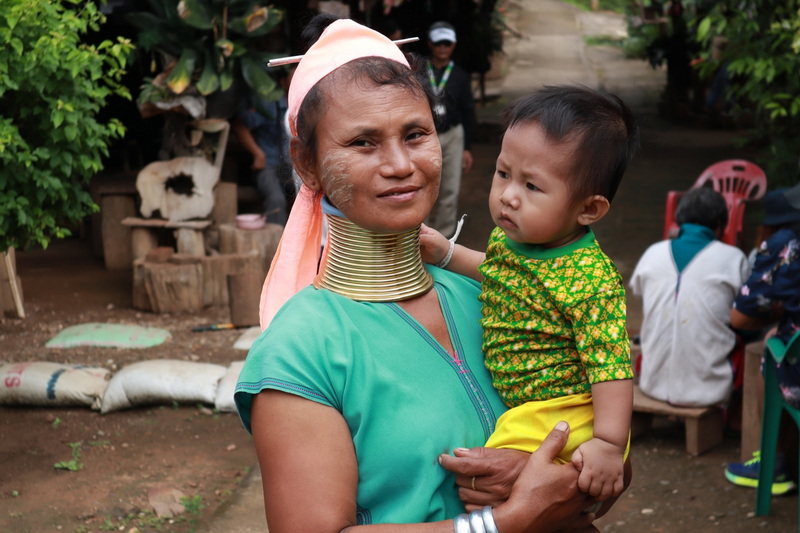
Tourism labels can also be imprecise. Terms such as Karen Hilltribe, Karen Long Neck, Karen Longneck, Karen Long Neck Village, and Karen Longneck Village may appear in search results or package descriptions, but wording alone cannot establish who will be involved or what a traveler will learn. The longer phrase Karen And Karen Longneck Hill Tribe Thailand may combine search terms without offering cultural clarity. Visitors should avoid assuming that similar labels describe identical communities, histories, or experiences.
Three Ways a Hill Tribe Visit May Fit a Vacation
A focused cultural visit is the most direct format. Its purpose is to give the traveler time to learn about one community or one cultural theme rather than moving quickly through many unrelated sights. Depending on the program, the emphasis may be conversation, local interpretation, craft knowledge, food traditions, or an introduction to daily life. The exact content varies, so the value of this format comes from its narrower attention rather than from a promise of complete cultural coverage.
A broader regional itinerary can include a hill tribe component alongside other experiences in Northern Thailand. This approach may suit travelers who want a varied vacation while still making room for cultural learning. The village element may be shorter or more introductory than a dedicated visit, and that is not necessarily a weakness if expectations are realistic. It simply means the traveler is choosing regional variety over sustained attention to one community.
An educational or community-based experience places more emphasis on interpretation and exchange. Such a program may explore local history, environmental knowledge, craft practice, food, or the ways residents present their community to visitors. The format can be especially suitable for travelers who prefer listening and discussion to a rapid sequence of photo stops. Descriptions should still be read as general outlines, since no two community programs need to follow the same model.
A Chiang Mai Vacation Package may use any of these approaches, from a concentrated cultural outing to a wider itinerary with a Karen Hilltribe element. The phrase alone does not indicate the depth, duration, or character of the encounter. Travelers can match the package style to their available time and learning goals without assuming that a more elaborate itinerary is automatically more respectful or more informative.
Questions That Shape a More Informed Visit
Before booking, travelers benefit from clarifying the cultural focus in ordinary language. It is reasonable to ask which community or identity is being discussed, whether the visit is intended as an introduction or a deeper educational experience, and who provides the interpretation. These questions are not an audit exercise; they help the traveler understand the kind of encounter being chosen and avoid filling gaps with assumptions.
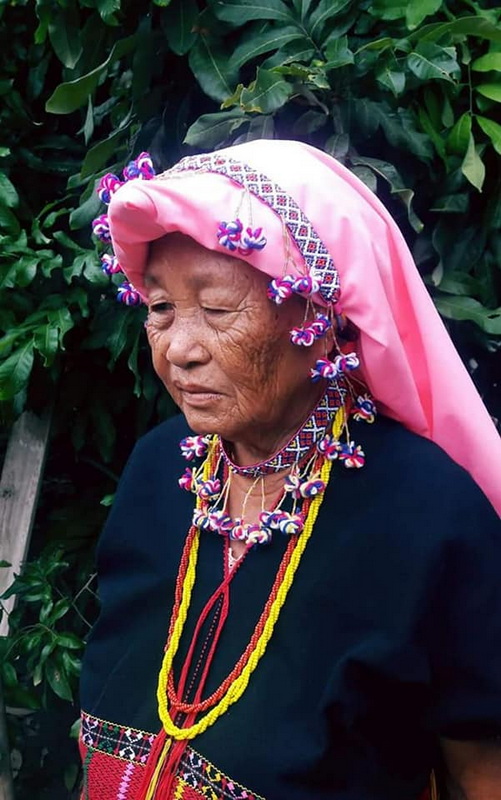
It is also useful to learn how the program describes participation by local residents. A clear explanation might identify whether community members host conversations, demonstrate a skill, interpret local history, or offer products through their own established channels. No single form of participation should be treated as a universal standard. The important point is that residents are not erased from the story or presented merely as scenery.
Photography deserves particular attention. Package information may not explain every situation in advance, and respectful behavior cannot be reduced to a universal rule. Visitors should be prepared to seek permission before photographing people, especially children, homes, ceremonies, work, or personal possessions. If someone declines, the answer should be accepted without negotiation. Asking before taking a picture also changes the encounter from silent observation into a more considerate exchange.
Travelers should allow the community setting to remain more important than collecting proof of arrival. A quiet conversation, an explanation of a local object, or a chance to hear how residents describe their lives may be more meaningful than a staged image. A program that includes cultural learning should not be judged by how many visual highlights it can produce.
Moving Beyond the Spectacle of the Village Visit
Respect begins with language. Descriptions that portray residents as unusual, timeless, mysterious, or available for inspection can encourage the wrong expectations. The same is true when a community is reduced to one garment, one physical feature, or one craft. Neutral language recognizes that people have ordinary routines, changing aspirations, and contemporary concerns alongside cultural traditions.
Listening is another important part of the experience. A traveler may arrive with questions about history, identity, family life, or work, yet the most appropriate conversation depends on the setting and the willingness of hosts to engage. Letting a local guide or resident set the pace can prevent an encounter from becoming an interview imposed on strangers. Curiosity is welcome when it is balanced by discretion.
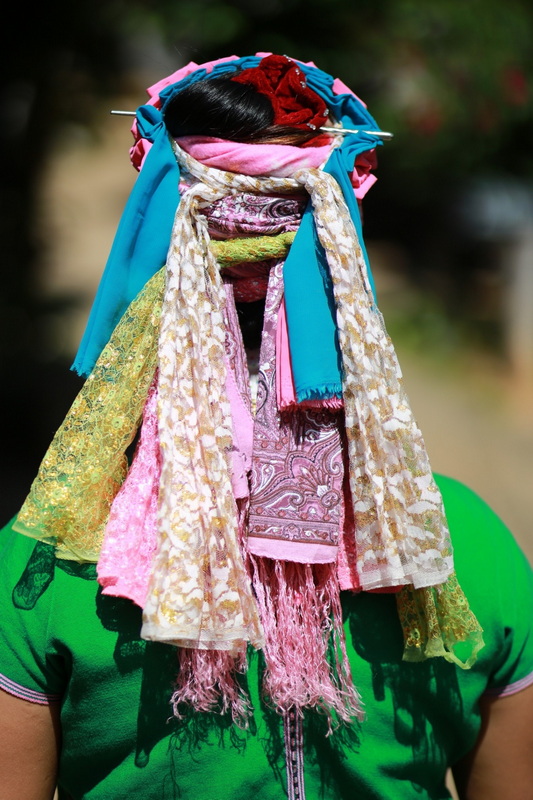
Purchases and demonstrations should also be approached with attention to dignity. A visitor can value local work without treating every object or activity as a souvenir opportunity. Where a program discusses community-made products or skills, travelers can listen to the explanation and decide thoughtfully rather than bargaining aggressively or demanding a performance. The aim is to recognize local knowledge and labor, not to convert every cultural expression into entertainment.
Finally, a short visit has limits. It may introduce a traveler to one perspective without providing a complete account of Karen life or of the wider region. Acknowledging that limit is a strength. It leaves room for continued learning and avoids making a single encounter carry claims it cannot support.
Choosing the Right Depth of Cultural Learning
Travelers with a strong interest in cultural context may prefer a focused visit or an educational community-based experience, where the itinerary leaves more room for interpretation and listening. Those building a wider holiday may choose a regional package that includes a shorter hill tribe component, provided they understand that the cultural introduction will be more limited. Neither format is automatically superior; the suitable choice depends on the attention the traveler is prepared to give.
Searchers using the phrase Karen And Karen Longneck Hill Tribe Thailand should remember that keyword combinations are not cultural explanations. A useful Karen And Karen Longneck Hill Tribe Travel Guide should distinguish community identity from promotional shorthand and acknowledge that terminology can vary. Reading the wording in this way helps travelers arrive with fewer assumptions and greater openness to what the local program actually presents.
The strongest preparation is therefore not a ranking system or a promise of a perfect encounter. It is a realistic sense of purpose: learning about a community, joining a broader regional itinerary, or taking part in an educational exchange. Once that purpose is clear, travelers can select a package whose pace and emphasis fit their interests while remaining ready to follow local guidance.
Why This Place Stays With You
A visit connected with the Karen Hilltribe can be a meaningful part of travel in Northern Thailand when it is approached as cultural learning rather than spectacle. A focused visit may suit travelers seeking depth, a broader vacation package may provide a brief introduction, and an educational community-based experience may appeal to those who value interpretation and conversation. In every format, the essential habits are simple: use careful language, listen to local perspectives, request consent before photography, respect privacy, and remember that one visit cannot represent an entire people. Matching the package to a genuine learning goal allows the community to remain more than a backdrop and gives the traveler a more grounded understanding of the region.
