Lahu Hilltribe in the Hill Tribes of Northern Thailand
A respectful cultural overview of Lahu heritage, regional diversity, and meaningful visitor interest

Northern Thailand is known for forested mountains, valley settlements, and a remarkable range of communities whose histories extend across modern national borders. The phrase Hill Tribes of Northern Thailand is often used as a broad travel and administrative category, but it brings together peoples with different languages, histories, beliefs, and cultural expressions. Karen, Hmong, Lahu, Akha, Lisu, and Mien communities, among others, should not be understood as a single cultural group. Within this diverse landscape, the Lahu Hill Tribe offers an important perspective on mobility, highland life, community identity, and cultural change. Lahu communities are found across parts of China, Myanmar, Laos, and Thailand, and local experiences are not identical from one village to another. Their traditions have developed through relationships with mountains, forests, neighboring societies, trade routes, religion, and changing state borders. For visitors, learning about the Lahu is more valuable than collecting quick impressions. A thoughtful encounter begins with context: recognizing that villages are living communities rather than open-air exhibits, listening to local explanations, and allowing residents to decide how they wish to represent themselves. This approach also gives Chiang Mai travel planning a more meaningful foundation, whether cultural interests are part of a Chiang Mai Vacation Package or an independently arranged journey.
A Region of Many Histories
Northern Thailand’s uplands have long been connected to wider mainland Southeast Asia. Mountain ranges cross present-day borders, while rivers, trading paths, marriage ties, migration, and political change have linked communities over many generations. As a result, ethnic identity in the region cannot always be explained by a single place of origin or a simple historical timeline. Families may maintain relationships across borders, speak more than one language, and adapt customs to changing circumstances.
The common term “hill tribes” can be useful when discussing the region’s highland peoples, but it can also simplify important differences. Karen communities, for example, have cultural histories distinct from those of Hmong, Lisu, Akha, Mien, or Lahu communities. Even within one named group, villages may differ in religious practice, clothing, language use, livelihood, and relationship with surrounding towns. Cultural understanding therefore requires attention to local voices rather than relying only on general labels.
Many highland communities have also experienced difficult relationships with governments, land policies, citizenship systems, and public assumptions. Some residents have faced uncertainty over legal status or access to services, while others have built strong connections with nearby urban areas. These realities are part of the contemporary background and help explain why respectful language matters when discussing indigenous and ethnic minority communities in Northern Thailand.
The Lahu Within Northern Thailand
The Lahu are a transnational people living in areas of China, Myanmar, Laos, and Thailand. Lahu languages belong to the Tibeto-Burman branch, and several varieties are spoken across the broader Lahu world. Migration into northern parts of present-day Thailand occurred over different periods and for different reasons, including conflict, economic pressures, and movement through established highland networks. This history means that Lahu identity is connected to both ancestral memory and present-day community life.
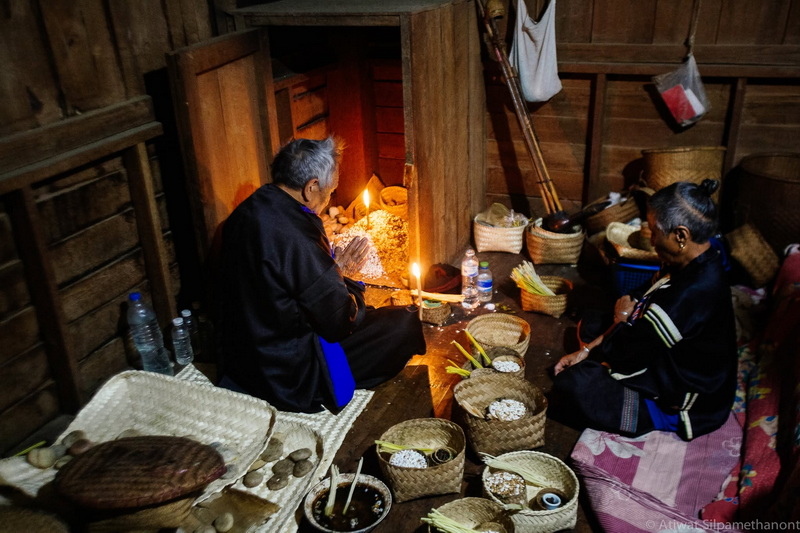
In Thailand, the word “Muser” is commonly encountered in older official, local, or travel-related usage for Lahu communities. For that reason, visitors may see references to the Muser Hilltribe or Muser Hill Tribe. Terminology can vary by region and individual preference, however, so it is best not to assume that one label describes every person or community in exactly the same way. Asking politely and following the terminology residents use for themselves is a simple sign of respect.
Lahu communities are not culturally uniform. Some villages may have Buddhist or Christian influences, while others retain elements of older Lahu spiritual traditions involving relationships between people, ancestors, places, and the natural world. Music, oral storytelling, farming knowledge, household cooperation, and community gatherings may all contribute to cultural identity, but their visibility differs from one setting to another. A useful form of Lahu Hill Tribe Information should therefore describe patterns without presenting them as rules that apply to every family.
Everyday Culture Beyond the Stereotype
Visitors sometimes expect cultural identity to appear mainly through clothing, handicrafts, or ceremonial performances. These can be meaningful expressions, but they represent only part of community life. Lahu identity may also be carried through language spoken at home, knowledge of local plants, farming practices, food preparation, family relationships, religious observance, and ways of organizing mutual support. Some traditions are public, while others are private or reserved for community members.
Agriculture has historically been central to many Lahu communities, although livelihoods today may include wage work, trade, education, small businesses, and employment in nearby towns. Highland farming has changed in response to environmental pressures, government policies, market conditions, and access to roads and services. It is inaccurate to imagine every Lahu village as isolated or unchanged. Like other communities, Lahu families make practical decisions while balancing heritage with contemporary opportunities.
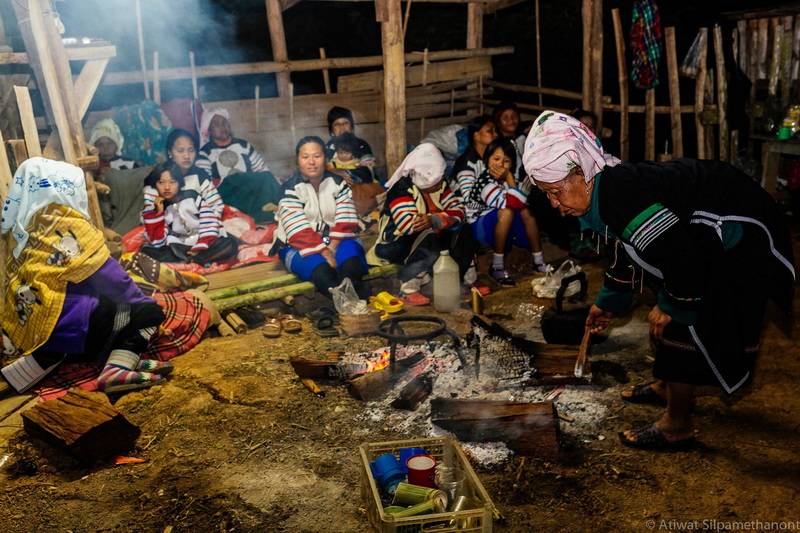
Crafts and textiles can offer a starting point for conversation when they are presented by community members on their own terms. A visitor should be interested in the meaning, labor, and modern context behind an item rather than treating it as evidence of an unchanging past. Photographs also require consent, especially when they involve children, religious spaces, household activities, or people working. Respectful curiosity leaves room for residents to explain what is important instead of forcing a preconceived story onto them.
Why the Lahu Interest Cultural Travelers
The Lahu are of interest to cultural travelers because their story connects local experience with wider regional history. Learning about Lahu communities can reveal how ethnic identities survive and adapt across national borders, how highland and lowland societies interact, and how language and belief are maintained in changing circumstances. The subject also encourages travelers to look beyond famous monuments and consider the living cultures that shape Northern Thailand’s social landscape.
A visit becomes more meaningful when it is based on exchange rather than observation alone. This might involve listening to a community guide, asking open questions, learning a few appropriate words, or understanding why a particular place or activity matters. Visitors should avoid demanding demonstrations, entering homes or sacred areas without invitation, or assuming that people are available for photographs. Ordinary daily life should not be treated as a performance created for outsiders.
Ethical engagement also includes thinking about economic benefit. Where community-led cultural activities exist, visitors can favor arrangements that clearly involve local residents and respect their decisions about what is shared. Buying directly from makers, paying fair attention to the work behind crafts, and avoiding pressure to bargain aggressively can support dignity as well as livelihoods. No single visit can represent the whole Lahu experience, so humility is more useful than claiming to have found an “untouched” culture.
Connecting Cultural Learning with Chiang Mai
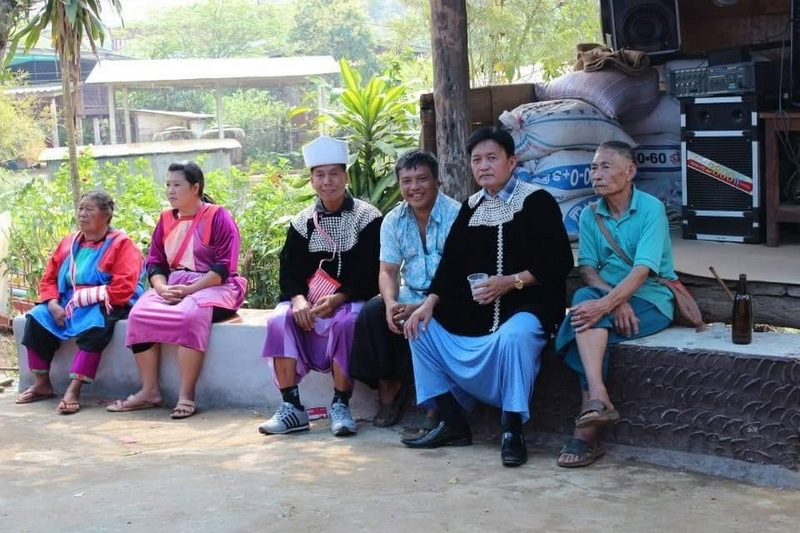
Chiang Mai is a common starting point for exploring northern landscapes and cultural histories, but the city should not be treated as a complete introduction to every highland community. Museums, cultural organizations, local educators, and responsible community-based initiatives can provide helpful context before or after visiting rural areas. Reading about terminology and regional history in advance can make conversations more thoughtful and reduce the risk of arriving with assumptions.
Travelers comparing a Chiang Mai Vacation Package may notice that cultural experiences are described in broad and appealing language. The most responsible choice is not necessarily the option with the most activities or the most dramatic promises. Instead, consider whether the experience explains who hosts it, how consent is handled, whether photography rules are clear, and whether the community has a meaningful role in deciding how its culture is presented. Specific operational details can change, so visitors should verify current information directly with providers.
The same principles apply whether the journey is arranged through a package or planned independently. Dress modestly when visiting community or religious spaces, follow local guidance, keep noise low, and avoid turning residents into photographic subjects. Children deserve particular protection from unwanted attention. Learning a little about Lahu history before arriving can also help visitors recognize that a quiet conversation or a respectful explanation may be more valuable than a hurried checklist of sights.
Why This Place Stays With You
The Lahu Hill Tribe is best understood within the wider diversity of Northern Thailand, not as a single tourist image or fixed cultural type. Lahu communities have distinct histories and traditions, while also responding creatively to education, migration, religion, markets, and modern life. For travelers, the most meaningful interest begins with patience, consent, and a willingness to listen. When cultural visits are approached in this way, learning about the Lahu and the broader hill communities of the region becomes an opportunity for genuine respect rather than simple sightseeing.
