Discovering Doi Suthep Temple Among the Best Temples In Chiang Mai
Explore architectural wonders and combined tour options at one of Chiang Mai’s most revered temples with nearby attractions for a rich cultural experience
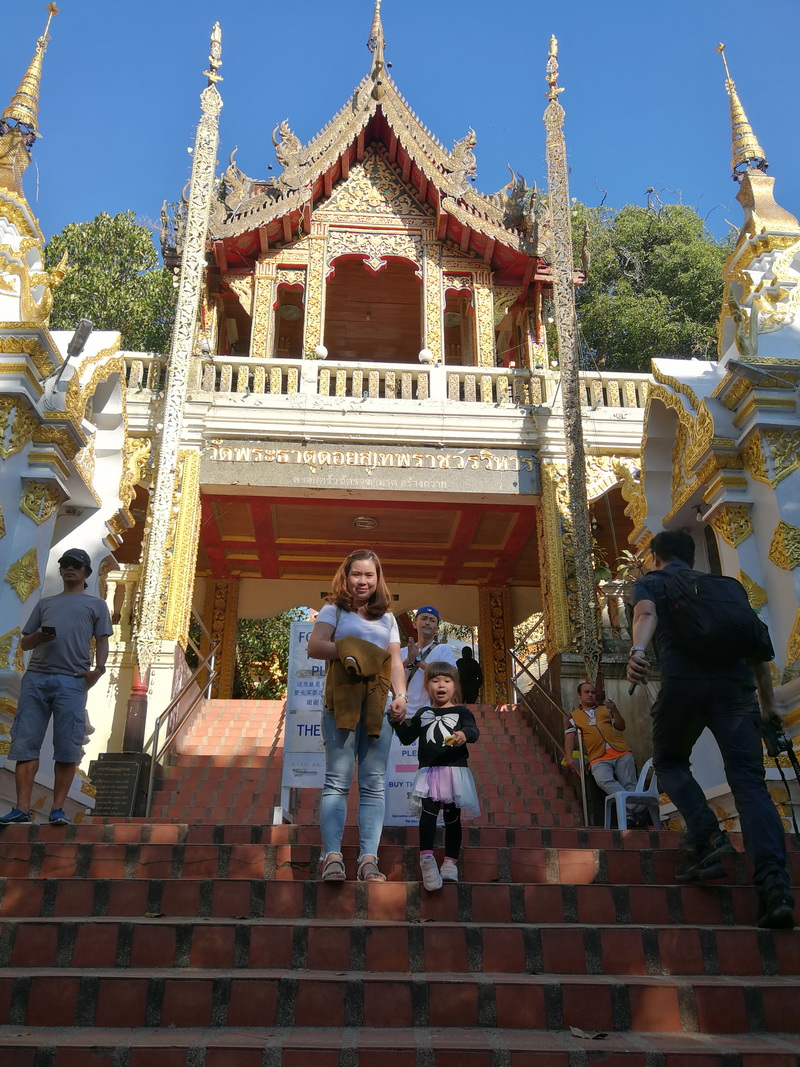
Wat Phra That Doi Suthep stands as a defining symbol of northern Thailand's spiritual heritage and architectural grandeur. Situated in Muang Chiang Mai, this temple is widely regarded as one of the Best Temples In Chiang Mai, drawing visitors eager to experience its cultural richness and scenic mountain setting. The temple’s intricate design and sacred relics make it a must-see destination for travelers interested in Buddhist culture and northern Thai history. For those planning their visit, understanding the options of a Doi Suthep half-day tour or a combined Doi Suthep and Doi Pui tour can enhance the experience by offering varied ways to explore the temple and its surroundings. These tours provide practical frameworks for visitors to enjoy the temple’s highlights while also discovering nearby attractions that complement the spiritual journey. This article provides a focused guide on the architectural and cultural highlights of Wat Phra That Doi Suthep, clarifies the common tour options, and introduces two notable nearby sites to enrich your visit. Whether you are a first-time visitor or a returning traveler, this insight will help you plan a respectful and fulfilling trip to one of Chiang Mai’s most treasured landmarks.
Architectural and Cultural Highlights of Wat Phra That Doi Suthep
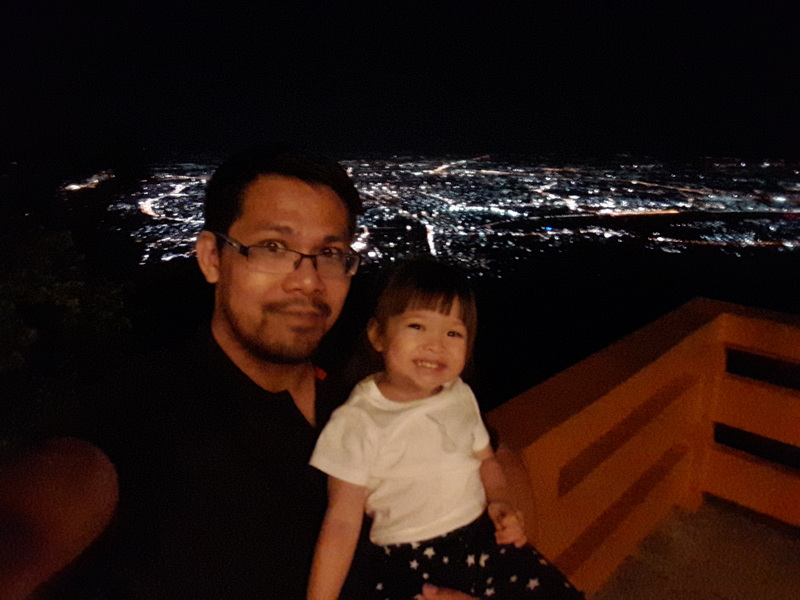
Wat Phra That Doi Suthep is renowned for its stunning Lanna-style architecture, which reflects the northern Thai craftsmanship and religious artistry that have evolved over centuries. The temple complex is perched on Doi Suthep mountain, providing visitors with panoramic views of Chiang Mai city below. The central stupa, or chedi, is gilded and enshrines a sacred relic believed to be a piece of Buddha’s shoulder bone, making it an important pilgrimage site.
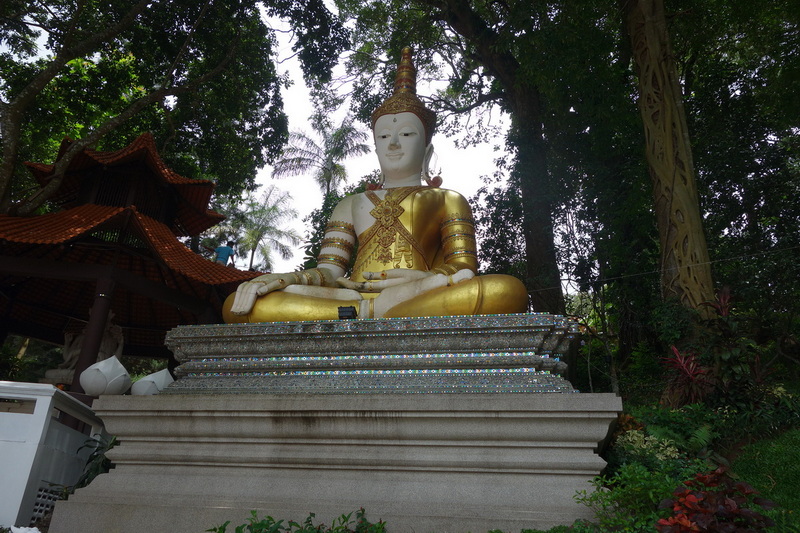
Visitors will notice the elaborate naga (serpent) stairway leading up to the temple, symbolizing protection and spiritual ascent. The temple grounds are adorned with intricate carvings, golden statues, and colorful murals depicting Buddhist teachings and local legends. These artistic elements serve not only as decoration but also as educational tools conveying the temple’s spiritual significance.
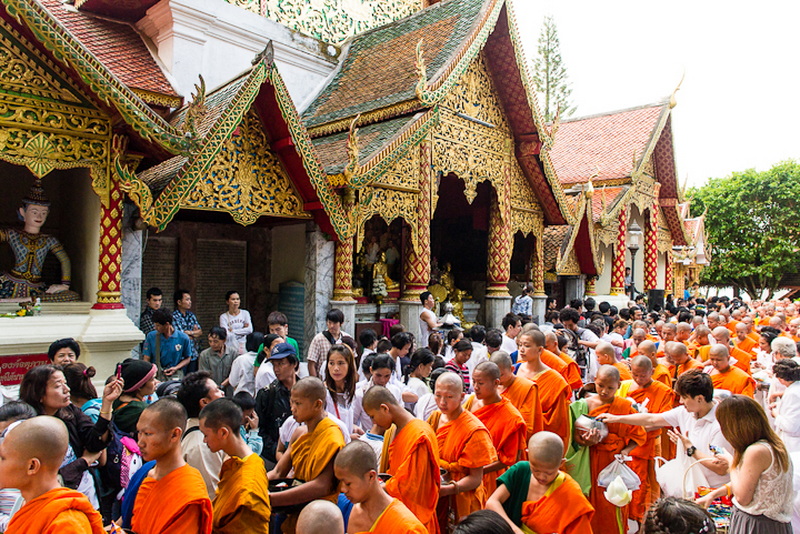
Beyond its aesthetics, Wat Phra That Doi Suthep holds deep religious importance for Thai Buddhists. It is a place of worship, meditation, and community celebration during important festivals. Visitors are encouraged to approach the site with respect, observing local customs such as removing shoes before entering sacred spaces and dressing modestly.
Understanding Doi Suthep Half-Day and Combined Tours
When planning a visit to Doi Suthep temple, travelers often consider the Doi Suthep half-day tour as a convenient option that allows ample time to explore the temple’s main features without rushing. Such tours typically include transportation from Chiang Mai city, guided explanations of the temple’s history and symbolism, and time for personal reflection or photography.
For those seeking a broader cultural experience, the combined Doi Suthep and Doi Pui tour offers a fuller day of exploration. This tour pairs the temple visit with a trip to Doi Pui, a nearby mountain known for its Hmong village and natural scenery. This combination allows visitors to appreciate both the spiritual and ethnographic aspects of the region, deepening their understanding of northern Thailand’s cultural diversity.
Choosing between these tour options depends on individual interests, schedule, and desired depth of experience. Both tours emphasize respectful engagement with the temple and surrounding communities, ensuring visitors gain meaningful insights while preserving the sanctity of these cultural sites.
Practical Visitor Tips for Touring Wat Phra That Doi Suthep
Visitors should plan their trip to Wat Phra That Doi Suthep with consideration for weather and crowd patterns. Early mornings or late afternoons tend to be less crowded and offer softer light for photography. Since the temple is located on a mountain, wearing comfortable shoes and bringing water is advisable for the climb or walk along the naga stairway.
Respectful behavior is essential when visiting any religious site. Dress modestly with shoulders and knees covered, and avoid loud conversations or disruptive actions. Photography is generally allowed in the temple grounds but may be restricted inside certain shrines, so it is important to observe posted signs and follow guides’ instructions.
Engaging with knowledgeable guides during a Doi Suthep half-day tour or combined tour can enrich the visit by providing historical context, explaining architectural details, and sharing cultural stories that are not always apparent to casual observers. This approach supports a deeper appreciation of the temple’s significance and fosters a respectful tourist experience.
Complementing Your Visit with Nearby Attractions
While Wat Phra That Doi Suthep is a major highlight, exploring nearby attractions can offer a well-rounded cultural itinerary. Two sites recommended for inclusion on your visit are Wat Pha Lad and Khun Chang Kian, each providing a unique perspective on the region’s heritage and natural beauty.
Incorporating these nearby locations into a half-day or combined tour allows travelers to experience more of the northern Thai landscape and community life beyond the temple’s spiritual focus. These visits can help contextualize the temple’s place within the broader cultural and environmental setting of Muang Chiang Mai.
Nearby Attractions
Wat Pha Lad
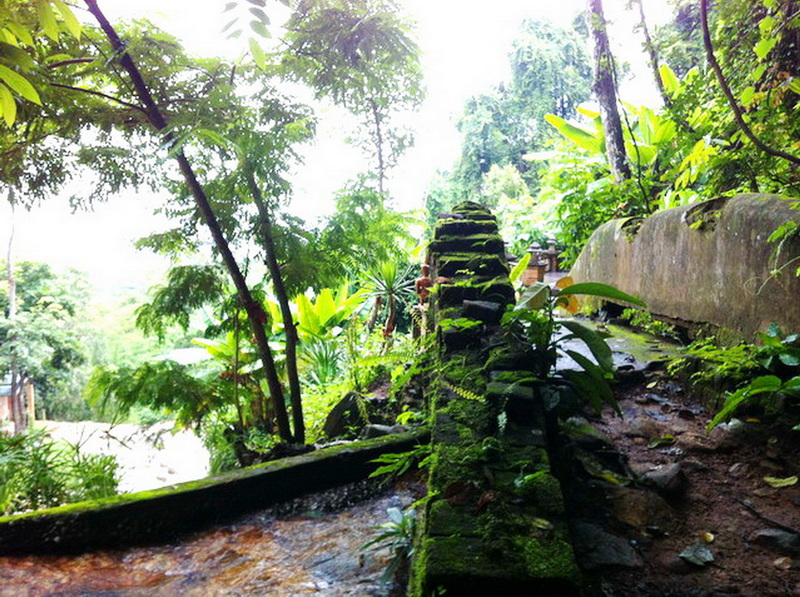
Wat Pha Lad is a tranquil temple situated a short distance from Doi Suthep. Known for its peaceful forest setting, it offers a quieter atmosphere for meditation and reflection. The temple features traditional wooden structures and a gentle walking trail that leads to a waterfall, blending natural beauty with spiritual calm.
Visitors to Wat Pha Lad can enjoy a serene environment away from the busier tourist spots, making it an ideal complement after the more crowded Doi Suthep temple visit. The site is appreciated for its simplicity and the opportunity it provides to connect with the natural surroundings in a contemplative way.
Khun Chang Kian
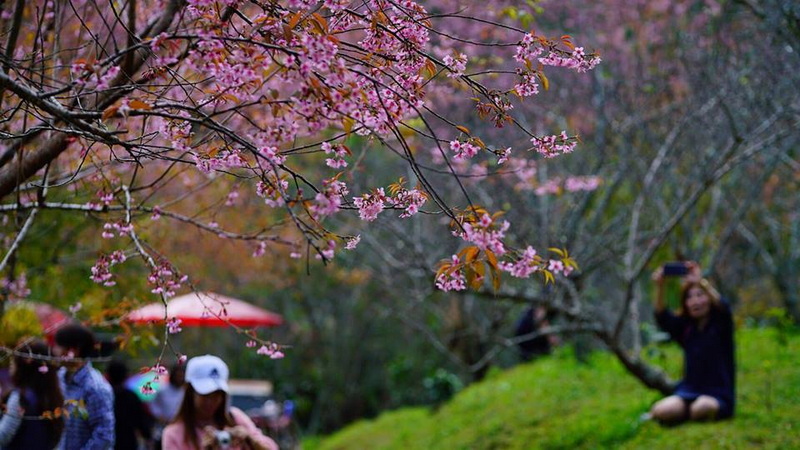
Khun Chang Kian is a rural area near Chiang Mai known for its agricultural research center and scenic gardens. It offers visitors a glimpse into local farming practices and the region’s flora. The area is popular for leisurely walks and photography, especially during the blooming seasons when flowers and vegetables create vibrant landscapes.
Incorporating Khun Chang Kian into your itinerary after visiting Doi Suthep temple allows for a diverse experience that balances cultural heritage with environmental appreciation. The fresh air and open spaces provide a refreshing contrast to the temple’s spiritual intensity.
Why This Place Stays With You
Exploring Wat Phra That Doi Suthep offers travelers an enriching encounter with one of Chiang Mai’s most iconic temples, celebrated for its architectural beauty and spiritual importance. By understanding the options of a Doi Suthep half-day tour or a combined Doi Suthep and Doi Pui tour, visitors can tailor their experience to suit their interests and time constraints. Including nearby attractions such as Wat Pha Lad and Khun Chang Kian further enhances the visit, providing a balanced glimpse of northern Thailand’s cultural and natural heritage. Approaching your visit with respect and curiosity will ensure a meaningful and memorable journey into the heart of Chiang Mai’s temple traditions.
