Monday, October 26, 2026

Patara Elephant Farm and the Gentle Rhythm of Eco-Adventure

Patara Elephant Farm and the Gentle Rhythm of Eco-Adventure

A thoughtful guide to sanctuary visits, forest adventures, local craft traditions, and protected landscapes around Hang Dong
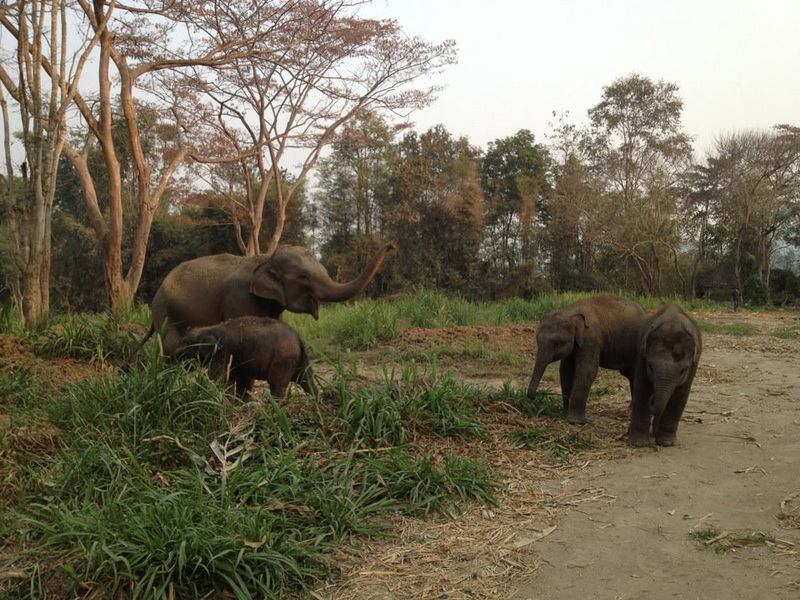
Travel photograph selected for Patara Elephant Farm destination guide.

A visit to Patara Elephant Farm can be understood as more than a meeting with elephants. It offers a chance to consider how people, animals, landscapes, and local livelihoods are connected in Chiang Mai. For travelers who prefer a slower and more attentive experience, the surrounding Hang Dong area also creates opportunities to combine a sanctuary visit with nature, outdoor discovery, and cultural observation. A Chiang Mai Elephant Sanctuary Half Day experience may suit visitors who want an introduction to elephant care without filling an entire day with activity. The most meaningful part is not simply being close to a large animal, but learning to observe behavior, respect personal space, and understand why welfare should guide every interaction. From there, an eco-adventure can add a different perspective, leading attention toward forests, streams, village craft, and the responsibilities of protecting the region. This guide focuses on how these experiences can fit together thoughtfully. It does not treat adventure as a race from one attraction to another. Instead, it follows a regional flow: first the sanctuary environment, then outdoor activities, then the conversations and cultural places that help give the visit greater context.

Beginning with a Half-Day Sanctuary Perspective

Half-day sanctuary visits in Chiang Mai can be a useful choice for travelers who want depth without an overextended itinerary. A shorter visit encourages focus. Rather than trying to see every possible activity, visitors can pay attention to the daily needs of elephants, the ways handlers communicate with them, and the difference between respectful observation and entertainment built around control.

At an ethical elephant setting, the central questions are important: Are elephants given room to move? Are interactions shaped around their welfare? Does the experience encourage visitors to understand elephants as sentient animals rather than as props for photographs? These questions are more valuable than judging a place by the number of activities it offers. A no-riding approach, when practiced, can help keep attention on care, behavior, and conservation rather than performance.

The phrase Chiang Mai Elephant Sanctuary Half Day is therefore best viewed as a format, not a guarantee of identical experiences everywhere. Visitors should read current information carefully and choose programs that explain their welfare principles clearly. They should also be prepared to follow staff guidance, remain calm around the animals, and accept that elephants may not always behave according to a visitor’s expectations. That uncertainty is part of responsible wildlife tourism.

Adding Outdoor Discovery Without Losing the Quiet

Chiang Mai Eco Adventure Tours can complement a sanctuary visit by widening the focus from one species to the ecosystems that support many forms of life. Depending on the activity and setting, eco-adventure may involve gentle walking, landscape appreciation, nature-based learning, or other outdoor pursuits. The strongest experiences connect physical movement with awareness of the environment rather than treating nature as a backdrop for excitement alone.
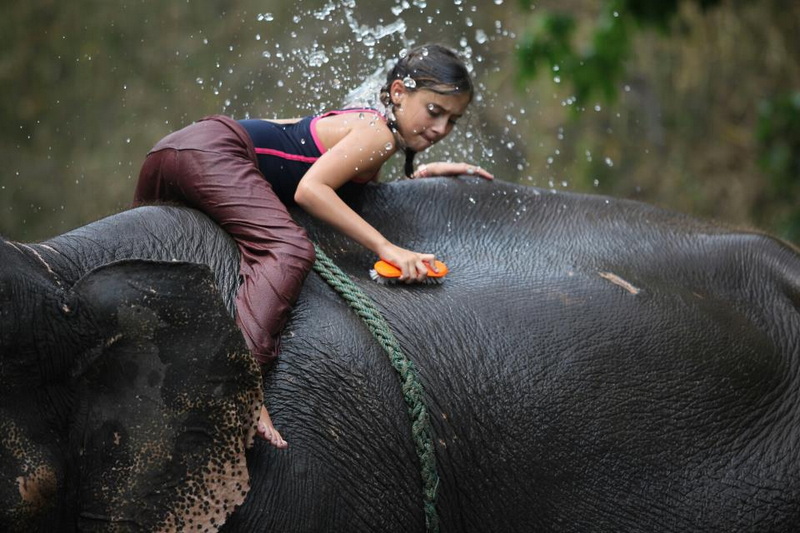
Travel photograph selected for Patara Elephant Farm destination guide, Patara Elephant Farm main article view 2 2

For a nature lover, the appeal may be simple: shaded paths, changing terrain, birdsong, and the sensation of leaving the city behind. For a more active traveler, outdoor exploration can provide energy after a quiet period of watching elephants. Both approaches can be compatible with responsible travel when visitors avoid disturbing wildlife, carry waste out of natural areas, and respect local guidance about sensitive places.

Adventure also benefits from a flexible attitude. Weather can affect trails and outdoor conditions, while natural areas do not operate like staged attractions. A responsible traveler accepts that a forest may be muddy, a view may be softened by clouds, or wildlife may remain unseen. The reward is not a guaranteed spectacle but a clearer understanding of how much patience the landscape requires.

What a Patara Elephant Conversation Can Add

A Patara Elephant Conversation can make the visit more thoughtful by giving visitors space to ask how elephant care is approached and why certain forms of interaction are discouraged. Conversation matters because a sanctuary experience can otherwise remain visual and emotional: guests see an elephant, feel moved, and leave without understanding the wider responsibilities involved. Discussion can connect that feeling to practical questions about food, health, social needs, habitat, and human decisions.

The wording used around elephant training also deserves care. Patara Elephant Training may refer to communication and cooperative routines, but visitors should avoid assuming that every training method has the same purpose or welfare impact. In a responsible context, training should be discussed transparently, especially when it helps keep veterinary care, foot checks, or other necessary procedures safer. The important issue is whether the animal’s well-being remains the priority and whether coercion is avoided as far as possible.

Travelers reading Patara Elephant reviews may find differing opinions because people notice different aspects of a visit. One person may focus on the calm atmosphere, another on the educational value, and another on questions about tourism and animal care. Reviews can help identify recurring themes, but they should be balanced with clear welfare information and the visitor’s own ethical standards. A good conversation leaves room for questions rather than demanding unquestioning admiration.
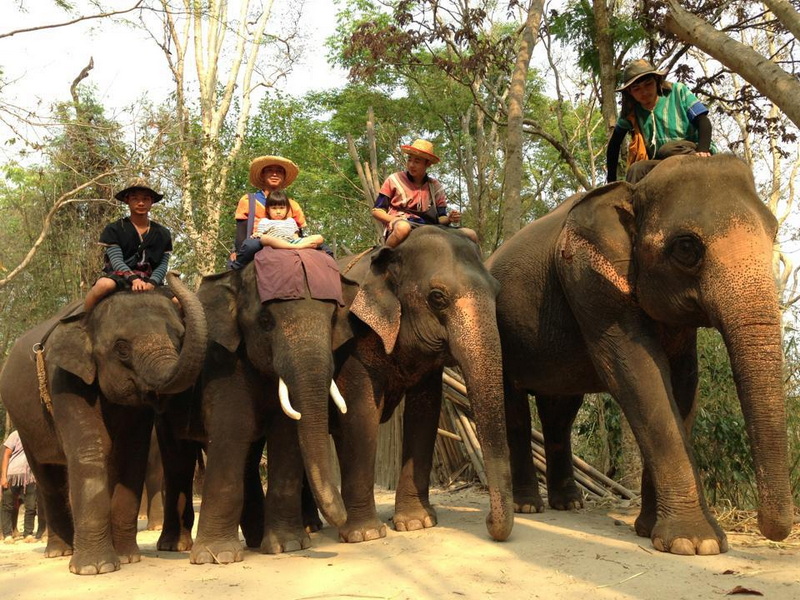
Travel photograph selected for Patara Elephant Farm destination guide, Patara Elephant Farm main article view 3 2

The broader Patara Elephant Chiang Mai Elephant Training Program At Patara Elephant Farm phrase is often searched by travelers trying to understand the educational side of the experience. The most useful interpretation is not a promise of a particular performance or outcome. It is an invitation to learn how human-elephant relationships are managed, what responsible care requires, and where the boundaries of visitor participation should remain.

Shaping a Day Around Attention and Respect

Combining a sanctuary visit with an eco-adventure works best when the day has breathing room. Elephants are not an activity to rush through before moving to the next attraction, and natural areas deserve more than a quick photograph. Allowing mental space between experiences helps visitors absorb what they have seen and reduces the temptation to measure the day by how many stops can be completed.

A useful personal plan begins with priorities. If the sanctuary visit is intended to support learning, read about elephant welfare before arriving and prepare questions that are respectful rather than intrusive. If outdoor exploration is the main interest, consider whether the chosen activity matches your fitness, comfort, and environmental values. Families can involve children by discussing quiet voices, safe distances, and why animals should not be pressured to interact.

Responsible choices continue beyond the attractions themselves. Travelers can favor local businesses that explain their conservation or community connections honestly, avoid disposable waste, and buy crafts because they value the work rather than because a product appears exotic. They can also remember that local residents, guides, artisans, and animal-care workers are people with expertise, not scenery in a visitor’s story.
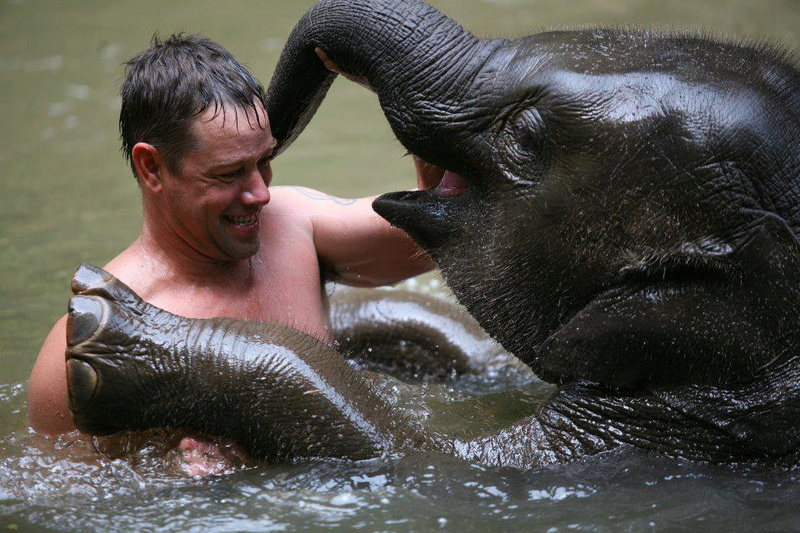
Travel photograph selected for Patara Elephant Farm destination guide, Patara Elephant Farm main article view 4 2

Letting Craft and Forest Complete the Picture

The area around Hang Dong offers a useful reminder that environmental and cultural experiences do not exist in separate categories. Craft traditions depend on skills, materials, family knowledge, and markets. Forested landscapes depend on careful stewardship and respect for ecological limits. Visiting both kinds of place can help travelers see Chiang Mai as a living region rather than a collection of disconnected tourist stops.

At an artisan village, the most respectful approach is to observe how objects are made and to recognize the labor behind them. Ask permission before photographing people or workspaces, listen when makers explain their process, and avoid treating traditional skills as quaint displays from a distant past. Wood carving and other crafts may be part of contemporary livelihoods, adapting to changing tastes while retaining local knowledge.

A national park offers a different lesson. Its value is not limited to dramatic scenery; it may include watersheds, plant life, wildlife habitat, and places of importance to nearby communities. Visitors should follow conservation guidance, keep noise low, remain on appropriate paths, and take care not to remove natural materials. These small actions express the same principle that should guide elephant tourism: appreciation must not become pressure.

Together, sanctuary learning, outdoor activity, craft observation, and protected landscapes create a richer regional story. The connection is not that every experience is identical. It is that each asks visitors to pay attention to relationships: between people and animals, communities and resources, and travelers and the places they temporarily enter.

Nearby Attractions

Baan Tawai Wood Carving Village
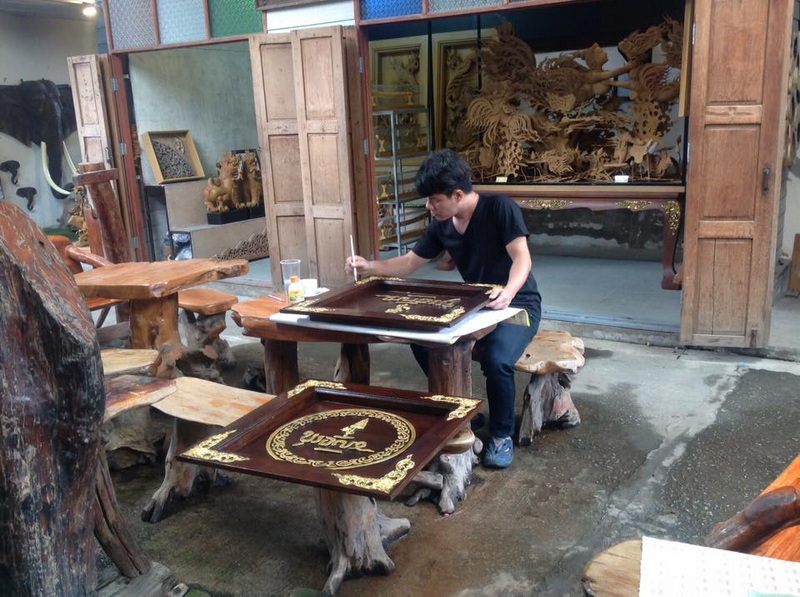
Travel photograph selected for Baan Tawai Wood Carving Village destination guide.

Baan Tawai Wood Carving Village can add a cultural dimension to a visit near Patara Elephant Farm. Its identity is associated with woodcraft and artisan production, offering travelers an opportunity to observe design traditions, materials, and the skill involved in shaping useful or decorative objects. The experience is more meaningful when visitors approach it as a living community of makers rather than as a backdrop for collecting souvenirs.

Take time to notice details such as carving marks, proportions, finishing techniques, and the way older motifs may appear in contemporary work. Respectful observation includes asking before taking photographs and remembering that not every person or workshop exists for public display. Purchasing decisions can also be thoughtful: choose pieces for their craftsmanship and personal meaning, and ask questions about materials when sustainability is important to you.

Ob Khan National Park
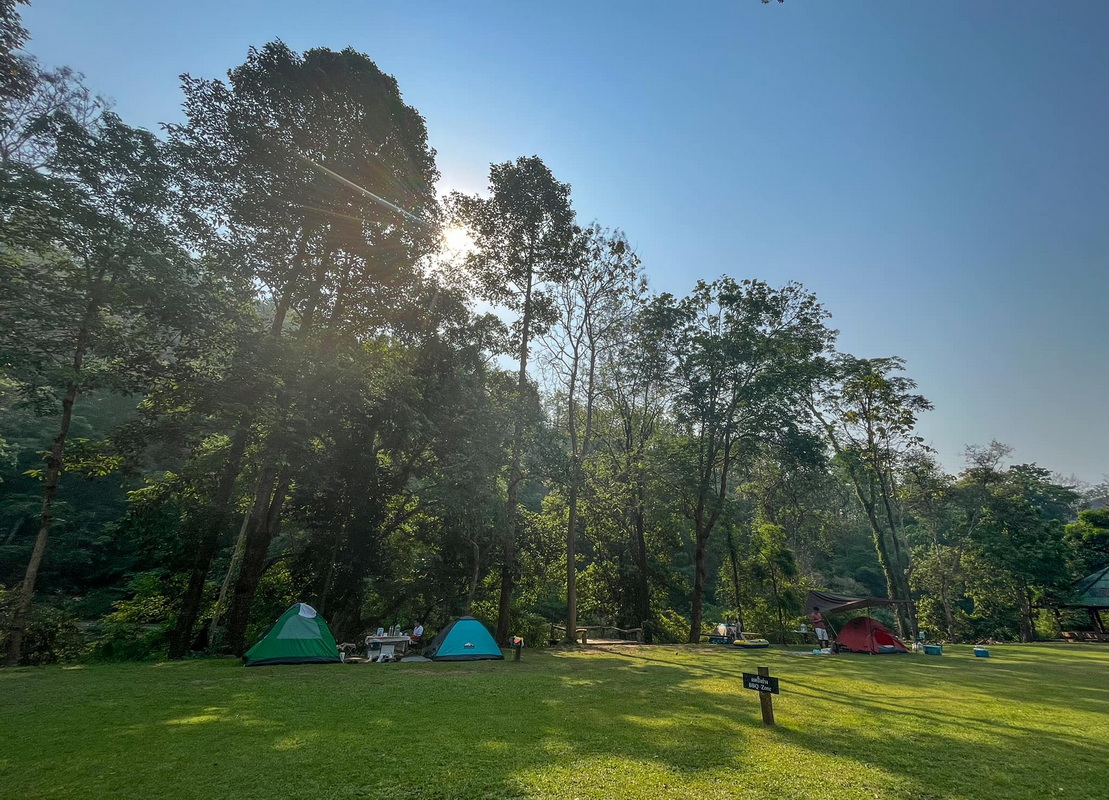
Travel photograph selected for Ob Khan National Park destination guide.

Ob Khan National Park brings the journey back to geology, woodland, and the patient forces that shape a landscape. Rocky formations, water, and vegetation create an environment where the experience depends on observation rather than guaranteed spectacle. Even a quiet period beside a natural feature can be rewarding when visitors notice textures, shade, sounds, and signs of seasonal change.

As with any protected natural area, visitors should follow current local guidance and avoid actions that place stress on the environment. Keep waste with you, stay considerate of other visitors, and do not disturb plants or wildlife for photographs. The park can complement an elephant-centered visit by showing that conservation is broader than one animal: it includes the habitats, water systems, and human communities that make the region resilient.

Why This Place Stays With You

A visit to Patara Elephant Farm can become more meaningful when it is paired with experiences that encourage patience and context. A half-day sanctuary encounter introduces questions about welfare and human responsibility; an eco-adventure reveals the value of living landscapes; a conversation adds understanding; and nearby craft and park visits connect nature with local culture. The result is not simply a fuller itinerary, but a more respectful way of seeing Chiang Mai. Travelers leave with fewer assumptions, better questions, and a deeper appreciation for the people, animals, and environments that shape Hang Dong.

Karen Hill Tribe Culture and Travel Options in Northern Thailand

Karen Hill Tribe Culture and Travel Options in Northern Thailand

A respectful cultural overview for travelers considering hill tribe experiences and Northern Thailand vacation packages

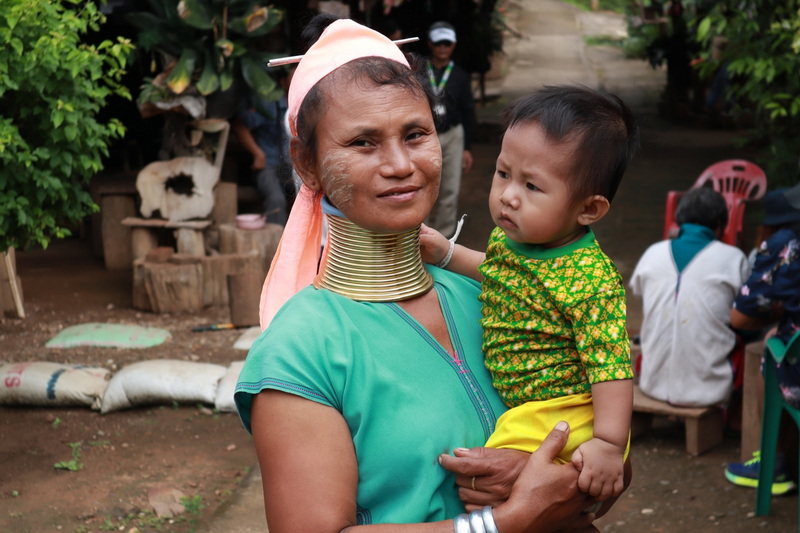
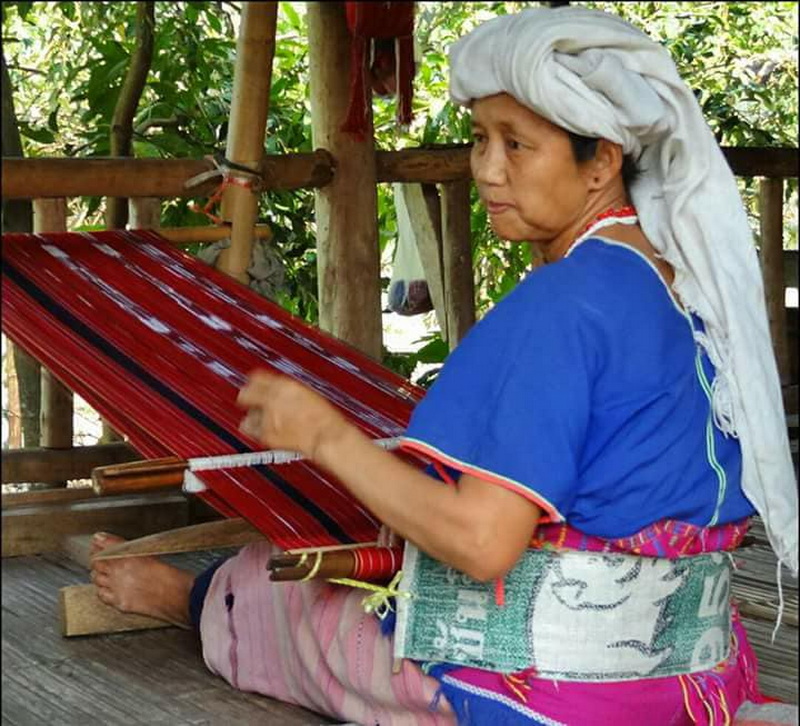
Travel photograph selected for Karen Hill Tribe destination guide.

Northern Thailand is home to a wide range of communities, histories, languages, and ways of life. Within travel writing, the broad expression Hill Tribes of Northern Thailand is often used to describe several distinct ethnic communities, but it should not suggest that they share one culture or one visitor experience. The Karen Hilltribe is one subject travelers may encounter in cultural itineraries, particularly when planning a Chiang Mai Vacation Package or another regional journey. A meaningful visit begins with context rather than spectacle. Karen communities are living societies, not museum displays, and a village visit may involve conversation, learning, local products, or a glimpse of everyday life depending on the community and the program. This guide introduces the cultural setting, explains common package formats in general terms, and considers how visitors can approach these experiences with care. It does not assign one identity to every community or promise that every itinerary offers the same depth of engagement. Instead, it helps culture-focused travelers understand why the Karen Hilltribe should be approached as a people with their own identities and priorities, rather than simply as a photograph or a stop on a sightseeing route.

Understanding the Cultural Landscape of Northern Thailand

The phrase Hill Tribes of Northern Thailand belongs mainly to travel and public discussion; it is not a substitute for learning about the individual communities it describes. Different groups may have their own histories, languages, religious traditions, family structures, artistic practices, and relationships with the surrounding region. Even within one broad identity, communities are not identical. A village should therefore be understood in its own local setting rather than treated as a representative sample of everyone described by the same tourism label.

This diversity matters because cultural travel can easily flatten complex identities into a single visual idea. Clothing, household objects, craftwork, farming, language, and ceremonies may be presented in a visitor program, but none of these elements alone explains a community. They are parts of lived culture, and their meaning belongs to the people who practice, adapt, and interpret them. A considerate itinerary leaves room for that complexity instead of promising an all-inclusive portrait.

The cultural significance of a hill tribe visit lies in the opportunity to encounter local knowledge and perspectives on their own terms. Travelers may learn how communities describe themselves, how traditions continue in contemporary life, and how residents choose to share selected aspects of their culture. That learning is more valuable when visitors remain aware that a short visit cannot represent every family, generation, or settlement.

The Karen Hilltribe as a Living Cultural Identity

Karen identity should be treated as a cultural and community identity, not as a tourism category created solely for visitors. Karen communities are diverse, and a general introduction cannot speak for every person or settlement. Their cultural life may include language, family relationships, local history, belief, work, artistic expression, and connections to land, with the balance and visibility of these elements varying from place to place.

For travelers, this means that the most useful question is not whether a visit displays a supposedly timeless version of Karen life. A better approach is to consider what the community has chosen to share and how the visit makes space for explanation. A guide, host, or community representative may describe selected traditions, local work, or contemporary concerns, while other parts of life may remain private. That boundary is normal and should not be interpreted as a lack of authenticity.

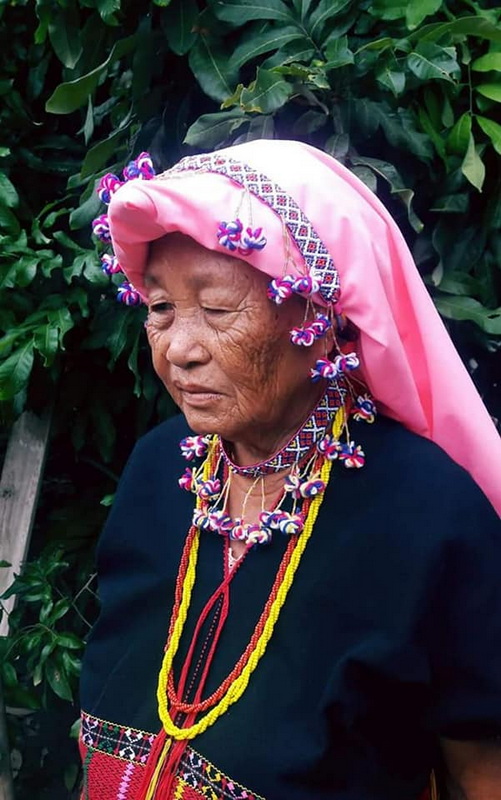
Travel photograph selected for Karen Hill Tribe destination guide, Karen Hill Tribe main article view 2 2

Tourism labels can also be imprecise. Terms such as Karen Hilltribe, Karen Long Neck, Karen Longneck, Karen Long Neck Village, and Karen Longneck Village may appear in search results or package descriptions, but wording alone cannot establish who will be involved or what a traveler will learn. The longer phrase Karen And Karen Longneck Hill Tribe Thailand may combine search terms without offering cultural clarity. Visitors should avoid assuming that similar labels describe identical communities, histories, or experiences.

Three Ways a Hill Tribe Visit May Fit a Vacation

A focused cultural visit is the most direct format. Its purpose is to give the traveler time to learn about one community or one cultural theme rather than moving quickly through many unrelated sights. Depending on the program, the emphasis may be conversation, local interpretation, craft knowledge, food traditions, or an introduction to daily life. The exact content varies, so the value of this format comes from its narrower attention rather than from a promise of complete cultural coverage.

A broader regional itinerary can include a hill tribe component alongside other experiences in Northern Thailand. This approach may suit travelers who want a varied vacation while still making room for cultural learning. The village element may be shorter or more introductory than a dedicated visit, and that is not necessarily a weakness if expectations are realistic. It simply means the traveler is choosing regional variety over sustained attention to one community.

An educational or community-based experience places more emphasis on interpretation and exchange. Such a program may explore local history, environmental knowledge, craft practice, food, or the ways residents present their community to visitors. The format can be especially suitable for travelers who prefer listening and discussion to a rapid sequence of photo stops. Descriptions should still be read as general outlines, since no two community programs need to follow the same model.

A Chiang Mai Vacation Package may use any of these approaches, from a concentrated cultural outing to a wider itinerary with a Karen Hilltribe element. The phrase alone does not indicate the depth, duration, or character of the encounter. Travelers can match the package style to their available time and learning goals without assuming that a more elaborate itinerary is automatically more respectful or more informative.

Questions That Shape a More Informed Visit

Before booking, travelers benefit from clarifying the cultural focus in ordinary language. It is reasonable to ask which community or identity is being discussed, whether the visit is intended as an introduction or a deeper educational experience, and who provides the interpretation. These questions are not an audit exercise; they help the traveler understand the kind of encounter being chosen and avoid filling gaps with assumptions.

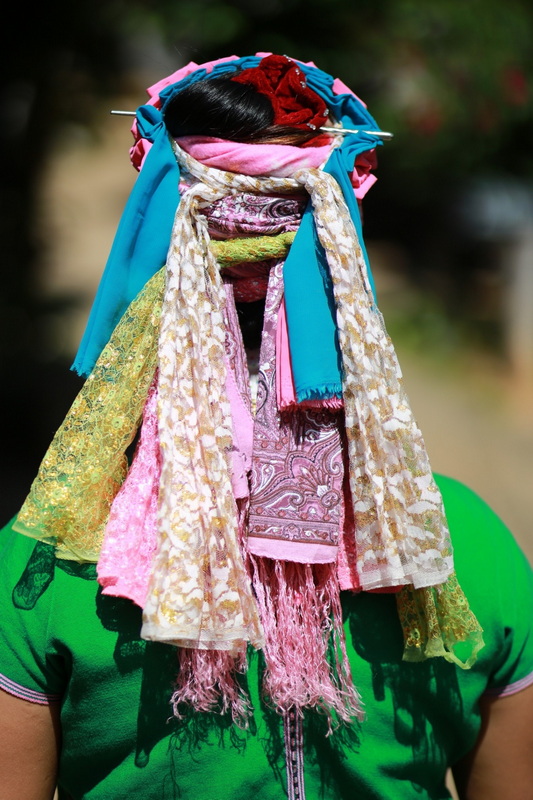
Travel photograph selected for Karen Hill Tribe destination guide, Karen Hill Tribe main article view 3 2

It is also useful to learn how the program describes participation by local residents. A clear explanation might identify whether community members host conversations, demonstrate a skill, interpret local history, or offer products through their own established channels. No single form of participation should be treated as a universal standard. The important point is that residents are not erased from the story or presented merely as scenery.

Photography deserves particular attention. Package information may not explain every situation in advance, and respectful behavior cannot be reduced to a universal rule. Visitors should be prepared to seek permission before photographing people, especially children, homes, ceremonies, work, or personal possessions. If someone declines, the answer should be accepted without negotiation. Asking before taking a picture also changes the encounter from silent observation into a more considerate exchange.

Travelers should allow the community setting to remain more important than collecting proof of arrival. A quiet conversation, an explanation of a local object, or a chance to hear how residents describe their lives may be more meaningful than a staged image. A program that includes cultural learning should not be judged by how many visual highlights it can produce.

Moving Beyond the Spectacle of the Village Visit

Respect begins with language. Descriptions that portray residents as unusual, timeless, mysterious, or available for inspection can encourage the wrong expectations. The same is true when a community is reduced to one garment, one physical feature, or one craft. Neutral language recognizes that people have ordinary routines, changing aspirations, and contemporary concerns alongside cultural traditions.

Listening is another important part of the experience. A traveler may arrive with questions about history, identity, family life, or work, yet the most appropriate conversation depends on the setting and the willingness of hosts to engage. Letting a local guide or resident set the pace can prevent an encounter from becoming an interview imposed on strangers. Curiosity is welcome when it is balanced by discretion.

Travel photograph selected for Karen Hill Tribe destination guide, Karen Hill Tribe main article view 4 2

Purchases and demonstrations should also be approached with attention to dignity. A visitor can value local work without treating every object or activity as a souvenir opportunity. Where a program discusses community-made products or skills, travelers can listen to the explanation and decide thoughtfully rather than bargaining aggressively or demanding a performance. The aim is to recognize local knowledge and labor, not to convert every cultural expression into entertainment.

Finally, a short visit has limits. It may introduce a traveler to one perspective without providing a complete account of Karen life or of the wider region. Acknowledging that limit is a strength. It leaves room for continued learning and avoids making a single encounter carry claims it cannot support.

Choosing the Right Depth of Cultural Learning

Travelers with a strong interest in cultural context may prefer a focused visit or an educational community-based experience, where the itinerary leaves more room for interpretation and listening. Those building a wider holiday may choose a regional package that includes a shorter hill tribe component, provided they understand that the cultural introduction will be more limited. Neither format is automatically superior; the suitable choice depends on the attention the traveler is prepared to give.

Searchers using the phrase Karen And Karen Longneck Hill Tribe Thailand should remember that keyword combinations are not cultural explanations. A useful Karen And Karen Longneck Hill Tribe Travel Guide should distinguish community identity from promotional shorthand and acknowledge that terminology can vary. Reading the wording in this way helps travelers arrive with fewer assumptions and greater openness to what the local program actually presents.

The strongest preparation is therefore not a ranking system or a promise of a perfect encounter. It is a realistic sense of purpose: learning about a community, joining a broader regional itinerary, or taking part in an educational exchange. Once that purpose is clear, travelers can select a package whose pace and emphasis fit their interests while remaining ready to follow local guidance.

Why This Place Stays With You

A visit connected with the Karen Hilltribe can be a meaningful part of travel in Northern Thailand when it is approached as cultural learning rather than spectacle. A focused visit may suit travelers seeking depth, a broader vacation package may provide a brief introduction, and an educational community-based experience may appeal to those who value interpretation and conversation. In every format, the essential habits are simple: use careful language, listen to local perspectives, request consent before photography, respect privacy, and remember that one visit cannot represent an entire people. Matching the package to a genuine learning goal allows the community to remain more than a backdrop and gives the traveler a more grounded understanding of the region.

Thursday, October 22, 2026

Chiang Mai Art in Paradise Experience with Local Tours and Nearby Attractions

Chiang Mai Art in Paradise Experience with Local Tours and Nearby Attractions

Discover how local tours enrich your visit to Art in Paradise Chiang Mai alongside nearby cultural and natural highlights.

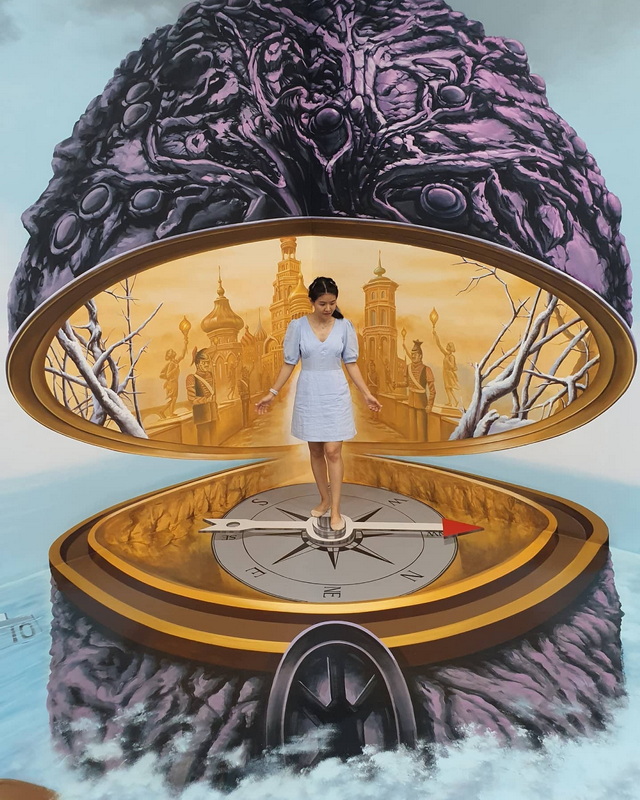
Woman standing on a compass inside an artistic structure with castle backdrop and textured top at Chiang Mai Art in Paradise.

Art in Paradise Chiang Mai offers a unique and interactive experience that captivates visitors with its impressive 3D art installations. Situated in the heart of Mueang Chiang Mai District, this attraction invites travelers to immerse themselves in optical illusions and creative artistry that make for memorable photo opportunities and engaging exploration. Whether you are an art enthusiast or simply seeking a fun and novel outing, Art in Paradise stands out as a must-visit spot in Chiang Mai. For first-time visitors, understanding how local tours operate can greatly enhance the overall experience. Tours in Chiangmai often combine visits to Art in Paradise with other nearby attractions, providing a well-rounded day trip that balances art, culture, and nature. These local tours are designed to be flexible and visitor-friendly, catering to diverse interests while offering practical insights into the area’s cultural fabric. Nearby attractions such as San Kamphaeng Village and Tube Trek Water Park complement a visit to Art in Paradise by adding layers of cultural heritage and outdoor adventure. Together, they create a rich itinerary that appeals to travelers looking to connect with the local environment and community. This guide will explore what to expect during a general visit to Art in Paradise Chiang Mai, how local tours operate, and how nearby sites can enrich your journey.

A Unique Visitor Experience at Art in Paradise Chiang Mai

Art in Paradise Chiang Mai is an interactive art museum that specializes in three-dimensional paintings and illusions that invite visitors to become part of the artwork. Unlike traditional museums, this attraction encourages hands-on engagement, allowing guests to pose creatively within the exhibits to create optical illusions that come alive in photographs. The museum’s layout is thoughtfully designed to guide visitors through various themed zones, each offering distinct artistic styles and imaginative scenes. Travelers researching Chiang Mai local tour can use these details when planning the trip.

Visitors can expect an immersive environment that blends creativity with playful interaction. The art ranges from realistic landscapes and wildlife to imaginative fantasy scenes, all painted with skillful perspective techniques to enhance the 3D effect. This makes the visit especially appealing for families, solo travelers, and groups seeking a lighthearted yet visually impressive experience.

The museum is located in Mueang Chiang Mai District, making it easily accessible for those staying in the city center. It also serves as a popular stop on many local tours, where guides provide background on the art styles and suggest the best ways to engage with each piece for memorable photos. The interactive nature of Art in Paradise Chiang Mai means visitors often spend a couple of hours exploring and capturing their experience.

Understanding Local Tours and Their Benefits

Local tours in Chiangmai are an excellent way to explore Art in Paradise along with other nearby attractions without the stress of planning each detail. These tours typically offer a mix of cultural, artistic, and natural experiences tailored for various interests and timeframes. Whether you prefer a half-day visit or a full-day excursion, local tour operators provide flexible options that include transportation, knowledgeable guides, and insights into the region’s heritage.

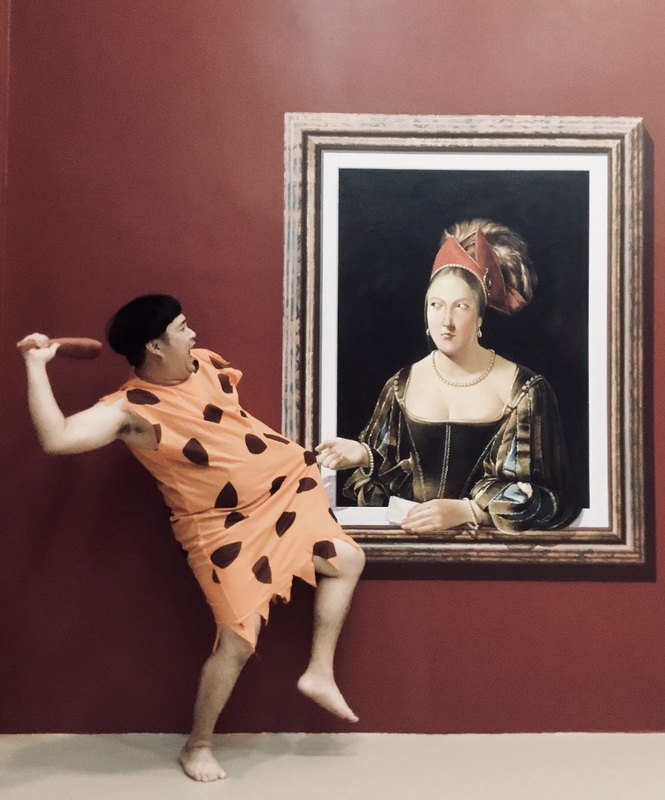
Person striking a pose next to a classical portrait painting in an art gallery at Chiang Mai Art in Paradise.

A tour in Chiangmai focusing on Art in Paradise often includes commentary on the museum’s significance and tips for maximizing visitor engagement, such as which artworks are best for interactive photos or which areas tend to be less crowded. This personalized approach enhances the visitor experience by providing context and practical advice.

Moreover, local tours foster a deeper connection with the community by including stops at lesser-known sites or local markets, offering a more authentic glimpse into daily life. These tours emphasize respectful and responsible tourism, ensuring that visitors appreciate the cultural and environmental significance of the places they visit.

Joining a local tour is also advantageous for first-time international visitors who may find navigating the city or language barriers challenging. Tour guides often serve as cultural interpreters and facilitators, helping travelers feel confident and comfortable throughout their visit.

What to Expect and How to Prepare for Your Visit

When planning a general visit to Art in Paradise Chiang Mai, it is helpful to set realistic expectations about the experience. The museum is designed to be interactive and fun rather than a traditional art gallery, so visitors should come prepared to engage physically with the exhibits and participate in photo-taking.

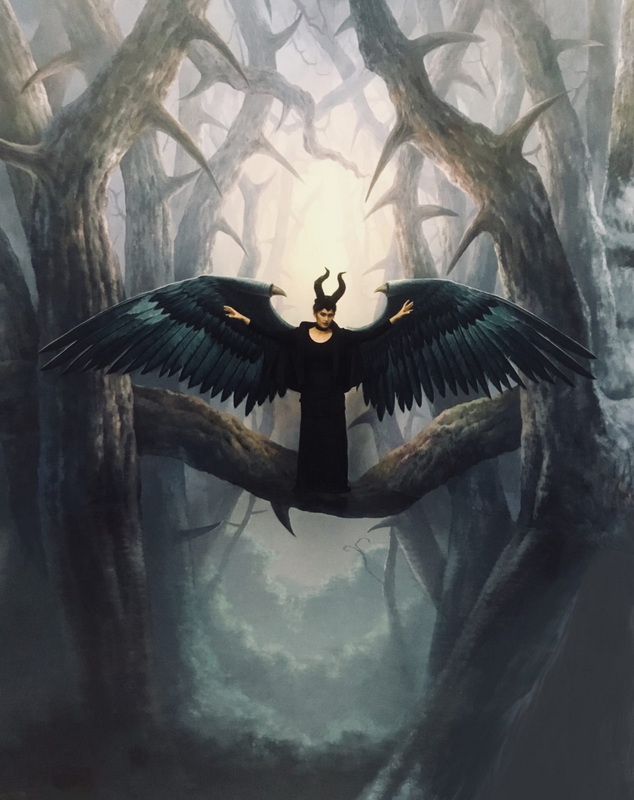
Person with black wings and horns standing on a tree branch in a misty forest at Chiang Mai Art in Paradise.

Comfortable clothing and shoes are recommended, as exploring the museum involves walking and posing in various spots. Visitors should also bring a camera or smartphone to capture the unique illusions, as photography is encouraged and is a key part of the attraction’s appeal.

While the museum offers a well-structured experience, visitors should be mindful of others by sharing space and waiting patiently for photo opportunities. Visiting during weekdays or early hours can help avoid crowds and allow for a more relaxed experience.

For those joining a local tour, it’s advisable to inquire about the itinerary and what is included, focusing on the cultural and experiential aspects rather than pricing or booking details. This approach ensures a respectful and smooth visit aligned with local customs and tourism guidelines.

Complementing Your Art in Paradise Visit with Nearby Attractions

To fully appreciate the richness of the Mueang Chiang Mai District, visitors often combine their Art in Paradise experience with nearby attractions that showcase local culture and nature. Two notable sites that complement a visit here are San Kamphaeng Village and Tube Trek Water Park.

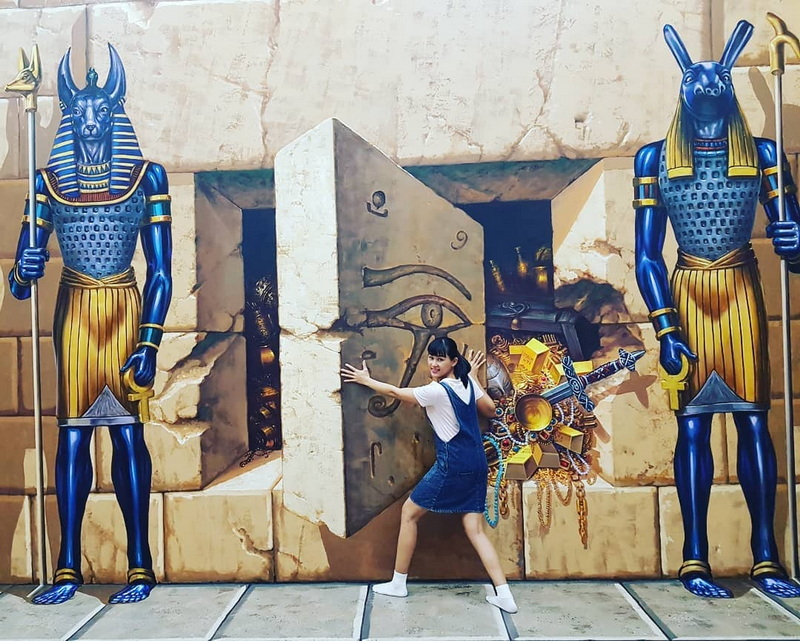
Girl standing with Egyptian-themed statues and hieroglyphics in the background at Chiang Mai Art in Paradise.

San Kamphaeng Village is renowned for its traditional crafts, including silk weaving, pottery, and silverwork. Visitors can wander through artisan workshops and markets, observing age-old techniques passed down through generations. This cultural immersion offers a contrast to the modern artistic expressions found at Art in Paradise and adds depth to the overall visit.

Tube Trek Water Park, on the other hand, offers a refreshing outdoor adventure with natural water slides and pools surrounded by lush greenery. This family-friendly attraction provides a fun way to relax and enjoy the natural environment after exploring the artistic and cultural highlights of the area.

Together, these nearby attractions create a balanced itinerary that appeals to a wide range of interests, from art and culture enthusiasts to nature lovers and families seeking recreational activities.

Nearby Attractions

San Kamphaeng Village

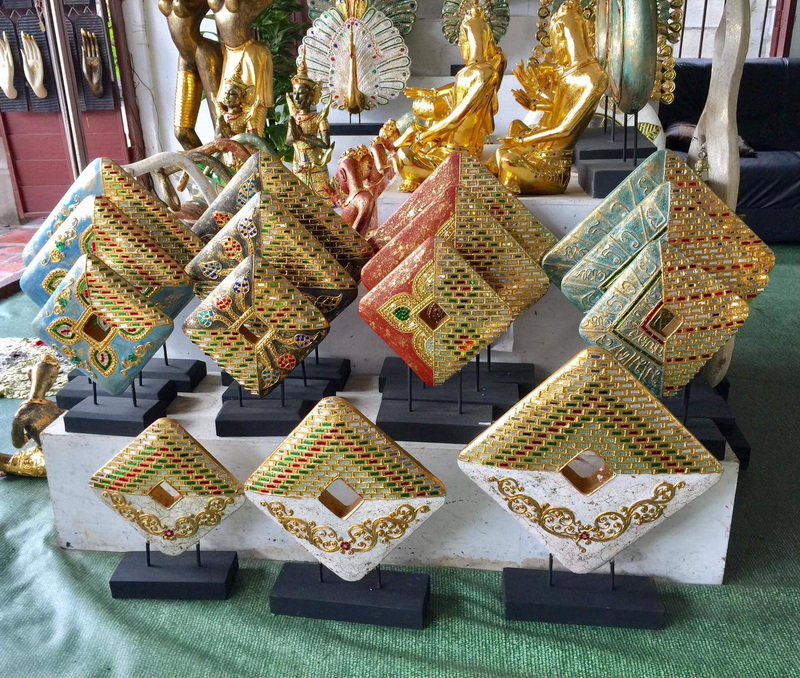
Colorful Thai decorative trinkets with gold statues in the background at San Kamphaeng Village.

San Kamphaeng Village is a vibrant community known for preserving traditional Thai craftsmanship. Visitors to this village can witness artisans at work creating exquisite silk textiles, intricate pottery, and finely crafted silver jewelry. The village atmosphere is authentic and welcoming, offering a chance to engage with local artisans and learn about the cultural significance of their crafts.

Exploring San Kamphaeng Village provides insight into the heritage of Northern Thailand and supports local livelihoods by encouraging sustainable tourism. The village is accessible from Art in Paradise Chiang Mai, making it an ideal stop for visitors interested in cultural enrichment alongside their artistic exploration.

Tube Trek Water Park

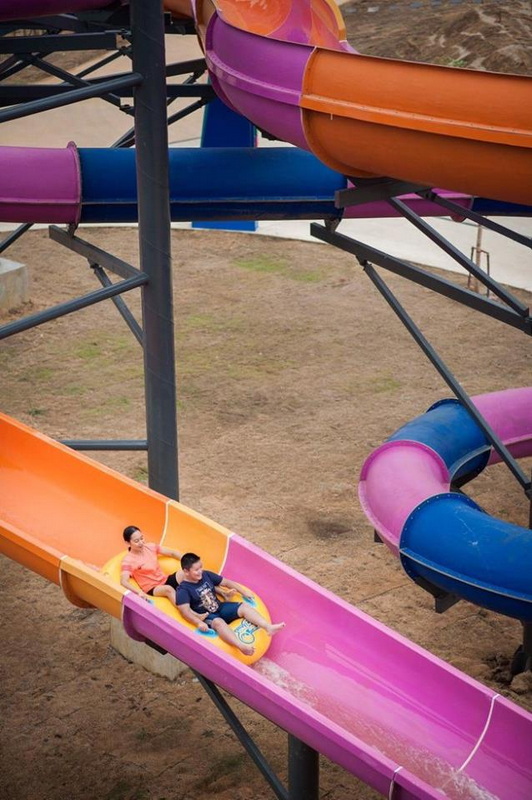
Two kids enjoying a water slide in an amusement park with colorful slides at Tube Trek Water Park.

Tube Trek Water Park is a natural water attraction located near Chiang Mai that combines adventure with scenic beauty. Visitors can enjoy gliding down natural water slides formed by smooth rocks and swimming in clear pools surrounded by tropical vegetation. The park offers a refreshing break and a chance to connect with the area's natural environment.

This water park is family-friendly and provides a safe environment for relaxation and play. Its proximity to Art in Paradise Chiang Mai makes it a popular addition to local tours, offering a dynamic contrast to the artistic and cultural experiences found in the city.

Why This Place Stays With You

Visiting Art in Paradise Chiang Mai is a delightful experience that combines creativity, interaction, and fun. By choosing a local tour, travelers can enhance their visit with valuable insights and seamless access to the museum and surrounding attractions. Including nearby sites like San Kamphaeng Village and Tube Trek Water Park enriches the itinerary, offering a blend of cultural depth and natural enjoyment. Whether you are exploring on your own or with a guided group, this area of Chiang Mai provides a memorable and well-rounded adventure that highlights the diversity and charm of Northern Thailand.

Discovering Huai Kaew Waterfall Among the Most Famous Waterfalls in Chiang Mai

Discovering Huai Kaew Waterfall Among the Most Famous Waterfalls in Chiang Mai

Explore the natural charm of Huay Kaew Waterfall and nearby cultural sites on your next tour in Chiangmai

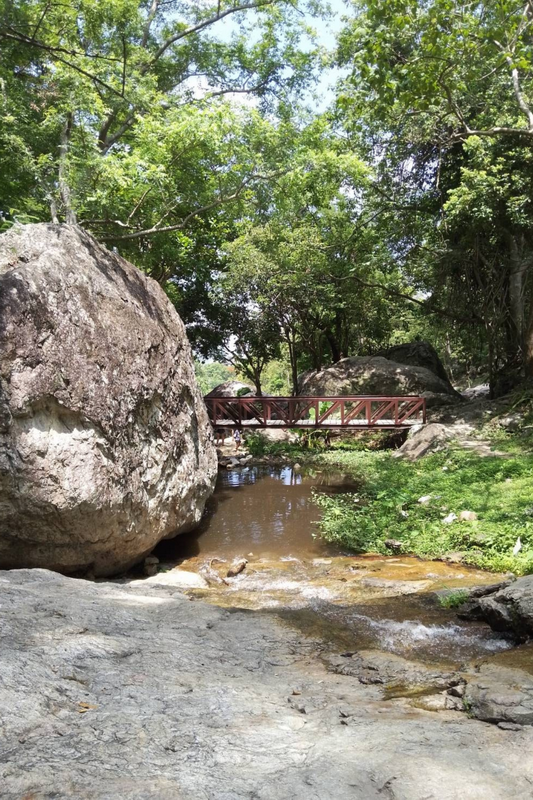
A wooden bridge over a stream with rocks and trees in a lush forest setting at Huai Kaew Waterfall.

Nestled within the lush greenery of Mueang Chiang Mai District, Huay Kaew Waterfall stands out as one of the most famous waterfalls in Chiang Mai. Its accessibility and scenic beauty make it a favorite destination for travelers seeking a refreshing natural escape near the city. This waterfall offers a serene environment with cascading waters that invite visitors to pause and appreciate the tranquil atmosphere. Chiang Mai’s landscape is dotted with numerous waterfalls, each offering unique experiences. However, Huay Kaew Waterfall’s popularity is enhanced by its proximity to the city and its position within a network of well-known natural and cultural attractions. Visitors often combine their visit here with tours in Chiangmai that include nearby landmarks, allowing for a rich blend of nature and cultural exploration. For first-time visitors, understanding what makes Huay Kaew Waterfall special and how to plan a visit can enhance the overall trip experience. This guide focuses on the waterfall’s appeal, other notable waterfalls in the region, and nearby attractions such as Wat Phra That Doi Suthep and Doi Pui Hmong Village. Together, these sites present a well-rounded picture of the natural and cultural treasures that await in Chiang Mai.

The Natural Appeal of Huay Kaew Waterfall

Huay Kaew Waterfall is celebrated for its easy access and scenic setting within a forested park area just a short distance from downtown Chiang Mai. Visitors can enjoy the soothing sound of water cascading over rocks, surrounded by verdant trees and native plants that create a peaceful atmosphere. The waterfall itself is not the tallest in the region but offers a charming multi-tiered flow that is particularly picturesque during the rainy season when water levels rise.

The site is well-maintained with walking paths and resting areas that allow visitors to explore comfortably. This accessibility makes it suitable for travelers of all ages and physical abilities. The cooler microclimate created by the waterfall and surrounding foliage provides a welcome respite from the tropical heat, making it an ideal spot for a nature break during a busy day of sightseeing.

Ecologically, Huay Kaew Waterfall contributes to the local habitat by supporting diverse flora and fauna. Bird species and small mammals are often observed in the area, adding to the experience for nature enthusiasts. Visitors are encouraged to respect the environment by staying on designated trails and avoiding littering to preserve the waterfall’s natural beauty.

Exploring the Most Famous Waterfalls in Chiang Mai Beyond Huay Kaew

While Huay Kaew Waterfall is a popular choice due to its proximity and ease of visit, Chiang Mai is home to several other notable waterfalls that attract nature lovers and adventure seekers. Waterfalls such as Mae Sa, Bua Thong (Sticky Waterfall), and Mok Fa offer different experiences ranging from gentle cascades to more adventurous terrain.

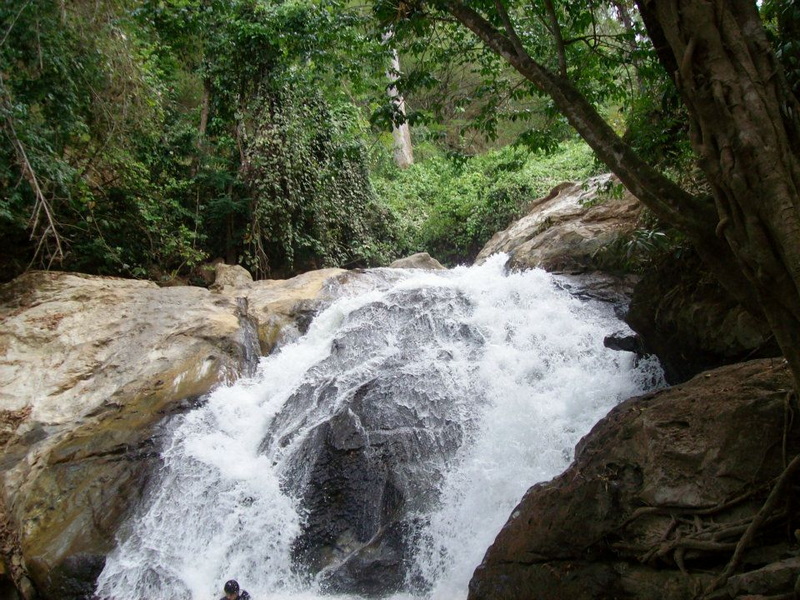
A small waterfall cascading over rocks with lush green trees surrounding it at Top Waterfalls in Chiang Mai.

Mae Sa Waterfall, located within a larger park, features multiple tiers and is well-equipped with picnic areas and walking trails. It is a favorite among families and day-trippers. Bua Thong Waterfall, known for its unique limestone formations, allows visitors to climb up the rocks due to the non-slip surface, offering a fun and interactive experience.

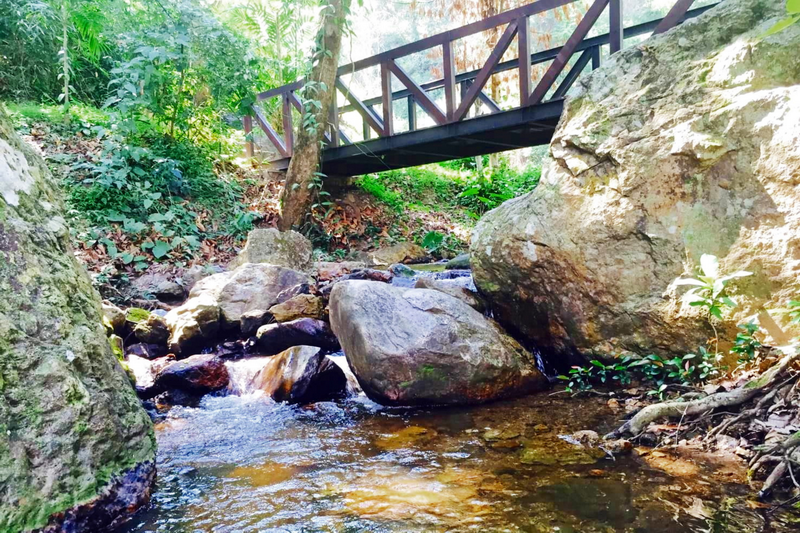
Stream flowing under a wooden bridge surrounded by rocks and greenery at Huai Kaew Waterfall.

These waterfalls, along with Huay Kaew, form part of the diverse natural attractions that make Chiang Mai a compelling destination for waterfall tours. Selecting which waterfalls to visit can depend on the type of experience desired, accessibility, and time available. Many travelers opt for guided tours in Chiangmai that include several waterfall stops to maximize their exposure to the region’s natural beauty.

Combining Nature and Culture: Nearby Attractions to Huay Kaew Waterfall

Part of the appeal of visiting Huay Kaew Waterfall lies in its location near culturally significant sites, allowing visitors to enrich their itinerary with a blend of natural and historical exploration. Two nearby attractions, Wat Phra That Doi Suthep and Doi Pui Hmong Village, offer complementary experiences to the waterfall visit.

Wat Phra That Doi Suthep is one of northern Thailand’s most revered temples, perched on a mountain overlooking Chiang Mai. The temple features intricate architecture, golden stupas, and panoramic views of the city and surrounding landscape. Visitors often combine a morning or afternoon trip to the temple with a visit to Huay Kaew Waterfall, making for a well-rounded day of sightseeing.

Doi Pui Hmong Village, located nearby, provides insight into the traditional lifestyle and culture of the Hmong hill tribe community. Visitors can learn about local crafts, customs, and enjoy the scenic mountainous environment. The village offers a respectful opportunity to engage with indigenous culture while appreciating the region’s natural surroundings.

Together, these sites create a meaningful itinerary that highlights both the ecological and cultural richness of Chiang Mai. Travelers are advised to approach these cultural sites with respect and awareness of local customs to ensure a positive experience for both visitors and host communities.

Small brown crab on a rocky surface with pebbles around it at Huai Kaew Waterfall.

Visitor Tips for Enjoying Huaykaew Waterfall and Surroundings

When planning a tour in Chiangmai that includes Huaykaew Waterfall, timing and preparation can greatly enhance the visit. The waterfall is most vibrant during and after the rainy season, typically from June to October, when water flow is stronger and the surrounding forest is lush and green.

Early morning visits are recommended to avoid crowds and enjoy cooler temperatures. The area can become busy during weekends and holidays, so weekdays offer a more tranquil experience. Visitors should wear comfortable footwear suitable for walking on natural trails and bring insect repellent to protect against mosquitoes in the forested environment.

Facilities near the waterfall are basic but sufficient for a short visit, including restrooms and shaded seating areas. There are no large commercial establishments on site, so bringing water and snacks is advisable. Photography enthusiasts will find plenty of opportunities to capture the interplay of light, water, and greenery.

Respect for the natural environment and local customs is essential. Visitors should avoid disturbing wildlife, refrain from littering, and follow any posted guidelines. This responsible behavior helps maintain the waterfall’s appeal and supports sustainable tourism in the region.

Nearby Attractions

Wat Phra That Doi Suthep

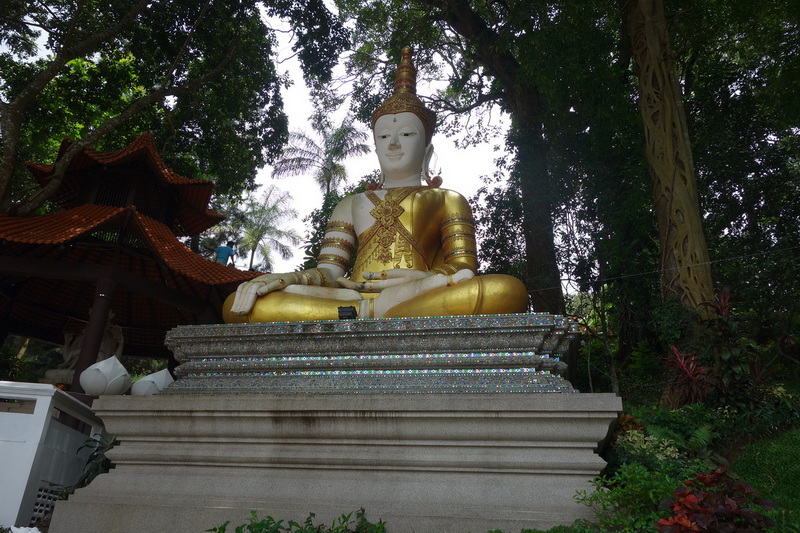
Large seated Buddha statue surrounded by trees and traditional pavilion structures at Wat Phra That Doi Suthep.

Wat Phra That Doi Suthep is a sacred Buddhist temple situated on a mountain overlooking Chiang Mai city. It is renowned for its stunning golden chedi and intricate Lanna-style architecture, attracting pilgrims and tourists alike. The temple complex includes several shrines, statues, and a viewing platform offering expansive vistas of the surrounding valley.

Visitors often climb the 306-step staircase decorated with ornate Nāga serpents, which adds a spiritual dimension to the visit. The temple holds significant cultural and religious importance in northern Thailand, serving as a center for Buddhist ceremonies and festivals throughout the year.

A visit to Wat Phra That Doi Suthep complements a nature-focused trip to Huaykaew Waterfall by providing cultural context and a glimpse into the spiritual heritage of the region. Respectful attire and behavior are expected when visiting the temple, as it remains an active place of worship.

Doi Pui Hmong Village

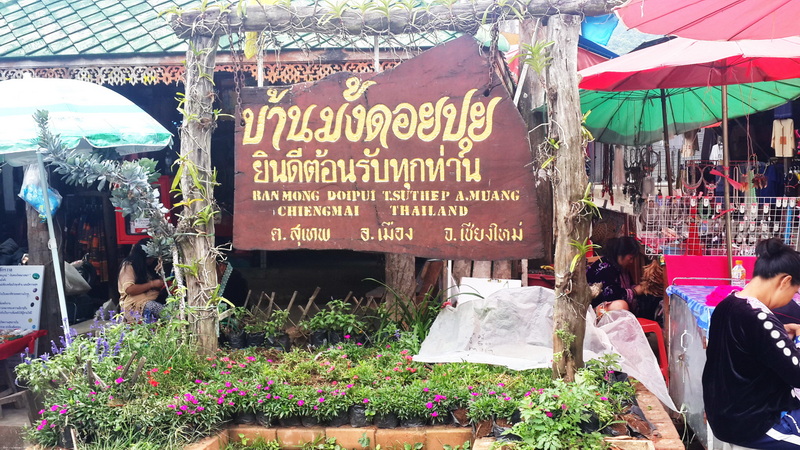
A market scene with a wooden sign, colorful umbrellas, and people shopping outdoors at Doi Pui Hmong Village.

Doi Pui Hmong Village is a traditional hill tribe village located near Huay Kaew Waterfall. It offers visitors a chance to experience the lifestyle, crafts, and customs of the Hmong people, one of the ethnic minority groups in northern Thailand. The village is set amidst scenic mountainous terrain, making it a peaceful retreat from urban life.

Visitors can explore local markets selling handmade textiles, silver jewelry, and other artisanal goods. The village also provides educational insights into traditional farming practices and cultural celebrations. Engaging with the community in a respectful manner enriches the travel experience and supports local livelihoods.

Combining a visit to Doi Pui Hmong Village with Huaykaew Waterfall allows travelers to appreciate both the natural wonders and cultural diversity of the Chiang Mai region in a single outing.

Why This Place Stays With You

Huaykaew Waterfall remains a highlight among the most famous waterfalls in Chiang Mai, offering visitors an accessible and peaceful natural retreat close to the city. When paired with nearby cultural sites like Wat Phra That Doi Suthep and Doi Pui Hmong Village, it creates a well-balanced itinerary that caters to diverse interests. By planning thoughtfully and approaching these destinations with respect for nature and culture, travelers can enjoy a memorable tour in Chiangmai that captures the essence of northern Thailand’s beauty and heritage.

Monday, October 19, 2026

Top National Parks In The North Of Thailand Featuring Doi Khun Tan National Park And Chiang Mai Vacation Package Options

Top National Parks In The North Of Thailand Featuring Doi Khun Tan National Park And Chiang Mai Vacation Package Options

Explore northern Thailand’s premier natural parks and discover how Chiang Mai vacation packages can enhance your visit to Doi Khuntan National Park

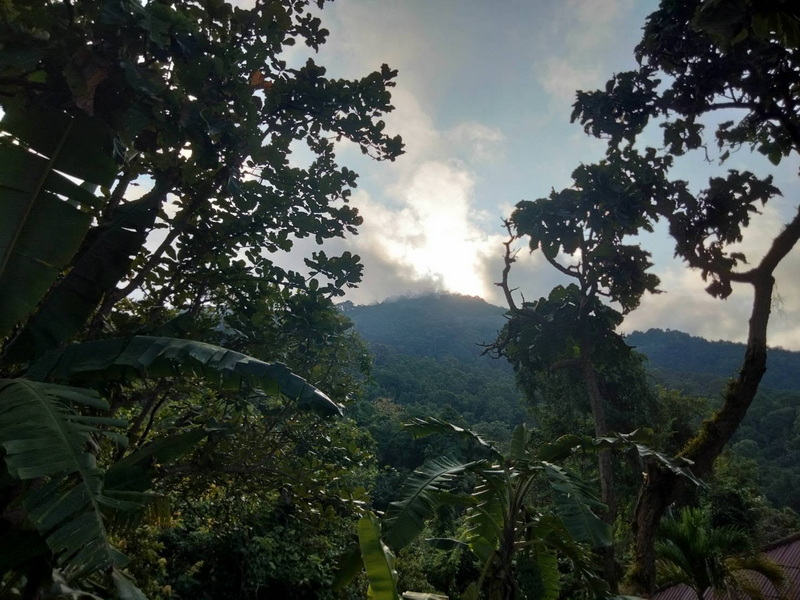
Lush green forest with tall trees and mountain peak in the distance under cloudy sky at Doi Khun Tan National Par.

Northern Thailand is renowned for its lush landscapes and diverse national parks that offer travelers a rich blend of natural beauty and outdoor activities. Among these, Doi Khuntan National Park stands out as a serene destination nestled in Mae Tha District, Lamphun. This park provides a refreshing escape with its cool climate, forested mountains, and extensive hiking trails. For visitors planning their trips, understanding the top national parks in the north of Thailand and how vacation packages from Chiang Mai can integrate these destinations is essential. Vacation packages often simplify travel logistics, combining accommodations, transportation, and guided experiences that allow travelers to focus on exploring the natural environment without hassle. This article highlights key features of Doi Khuntan National Park within the broader context of northern Thailand’s national parks. It also discusses how vacation packages centered on Chiang Mai can facilitate memorable and well-organized visits to these remarkable natural areas, helping travelers plan efficiently and enjoy their time immersed in nature.

Overview of Top National Parks in Northern Thailand

Northern Thailand is home to some of the country's most treasured national parks, each offering unique landscapes and biodiversity. These parks attract nature lovers, trekkers, and wildlife enthusiasts seeking to experience Thailand’s mountainous terrain, waterfalls, and rich flora and fauna. Among the most notable are Doi Inthanon, the highest peak in Thailand; Doi Suthep-Pui, known for its cultural sites and scenic viewpoints; and Doi Khuntan National Park, which provides a quieter, less commercialized experience.

These parks collectively represent the diversity of northern Thailand’s natural environment, ranging from dense evergreen forests to misty highlands. Visitors often choose to explore multiple parks during their stay, appreciating the distinct ecosystems and recreational opportunities each offers. The region’s cooler climate compared to the lowlands also makes it an appealing destination year-round.

When considering visits to these parks, travelers often weigh factors such as accessibility, available facilities, and the types of activities offered. Northern Thailand’s national parks generally provide well-marked hiking trails, camping areas, and viewpoints that showcase the region’s scenic beauty.

Understanding Chiang Mai Vacation Packages and Their Benefits

Vacation packages focused on Chiang Mai provide a convenient way for travelers to experience northern Thailand’s natural attractions without the stress of planning every detail independently. These packages typically bundle transportation, accommodation, and guided tours, allowing visitors to maximize their time exploring rather than managing logistics.

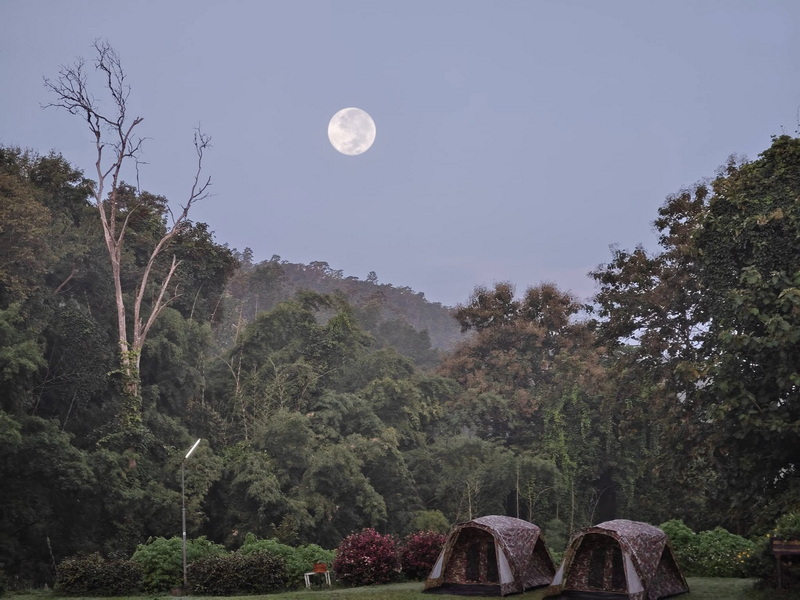
Two tents on grass with trees and a bright moon in the night sky at Doi Khun Tan National Par.

In the context of national parks, Chiang Mai vacation packages often include visits to key parks such as Doi Khuntan National Park, offering curated itineraries that highlight notable trails, viewpoints, and natural features. Packages may cater to different interests, including hiking, bird watching, or cultural experiences nearby, providing flexibility based on traveler preferences.

Such packages are especially valuable for those unfamiliar with the region or those who prefer a structured itinerary. They also often provide access to knowledgeable guides who enhance the experience by sharing insights about the parks’ ecosystems, history, and conservation efforts. This educational aspect deepens travelers’ appreciation of the natural environment and supports responsible tourism.

Features That Make Doi Khuntan National Park Notable

Doi Khuntan National Park is distinguished by its peaceful atmosphere and well-preserved natural surroundings. Located in Mae Tha District, Lamphun, the park offers a cooler climate due to its elevation, making it a refreshing retreat from Thailand’s tropical heat. It is less crowded than some other northern parks, appealing to visitors seeking tranquility.

The park is renowned for its extensive network of hiking trails that traverse dense forests, pine groves, and mountainous terrain. These trails vary in difficulty, accommodating both casual walkers and experienced trekkers. Along the way, visitors can enjoy panoramic views, waterfalls, and opportunities to observe local wildlife.

A key feature of Doi Khuntan is its historic railway tunnel, one of the longest in Thailand, which adds cultural interest to the natural exploration. The park’s camping sites and bungalows provide options for overnight stays, allowing visitors to fully immerse themselves in the environment.

Starry night sky with the Milky Way galaxy visible across the dark sky at Doi Khun Tan National Par.

Flora within the park includes a mix of tropical and temperate species, reflecting the transitional climate zone. Birdwatchers will find a variety of species, contributing to the park’s appeal as a biodiversity hotspot.

Planning Considerations for Vacation Packages Featuring Doi Khuntan National Park

When planning a trip that includes Doi Khuntan National Park, travelers should consider the best time to visit, which generally spans the cool and dry months from November to February. During this period, the weather is most comfortable for hiking and outdoor activities.

Selecting a Chiang Mai vacation package that incorporates Doi Khuntan can streamline travel arrangements, especially for those unfamiliar with the area. Packages often bundle transportation from Chiang Mai city, which is the nearest major urban center, easing access to the park.

Visitors should evaluate package options based on their interests, such as prioritizing nature walks, wildlife observation, or cultural experiences nearby. It’s also important to consider the level of activity involved; some packages offer more relaxed itineraries, while others emphasize trekking and adventure.

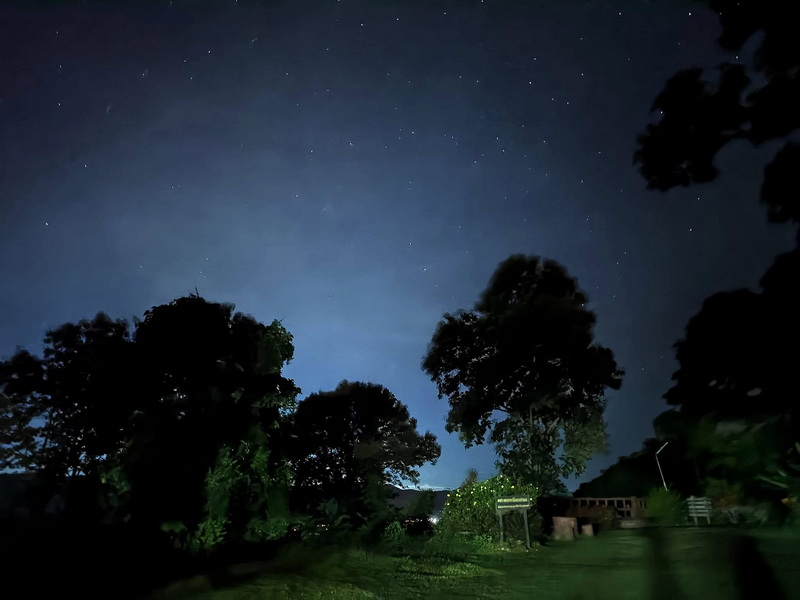
Night sky filled with stars above dark silhouettes of trees and a grassy landscape at Doi Khun Tan National Par.

Travelers are encouraged to prepare for the park’s natural conditions, including appropriate clothing, insect repellent, and sufficient water. Responsible travel practices, such as respecting wildlife and minimizing environmental impact, are vital to preserving the park’s pristine condition.

Summary of Chiang Mai Vacation Package Options Involving Northern National Parks

Chiang Mai vacation packages that highlight northern Thailand’s national parks provide a practical and enriching way to explore this scenic region. By including Doi Khuntan National Park, these packages offer access to a less commercialized park renowned for its natural beauty and hiking opportunities.

Travelers benefit from the convenience of coordinated logistics and expert guidance, enabling a more immersive and educational experience. Whether seeking tranquility, adventure, or a blend of both, vacation packages can be tailored to suit diverse preferences and travel styles.

Ultimately, incorporating Doi Khuntan National Park into a broader itinerary of northern parks enriches the travel experience by exposing visitors to the region’s ecological variety and cultural heritage. Thoughtful planning and package selection ensure that travelers make the most of their time while supporting sustainable tourism in northern Thailand.

Why This Place Stays With You

Exploring the top national parks in northern Thailand offers an unparalleled opportunity to connect with the region’s diverse landscapes and ecosystems. Doi Khuntan National Park, with its tranquil environment and natural charm, exemplifies the kind of destination that benefits greatly from thoughtful vacation package planning. By choosing Chiang Mai vacation packages that include this park, travelers can enjoy a well-organized, immersive experience that balances adventure with comfort. This approach not only enhances personal enjoyment but also supports the preservation of these natural spaces for future generations to appreciate.

Sunday, October 18, 2026

Santichon Village and Budget Travel Options in Mae Hong Son

Santichon Village and Budget Travel Options in Mae Hong Son

Explore affordable tours and cultural experiences at the Chinese Yunnan Village in Pai District

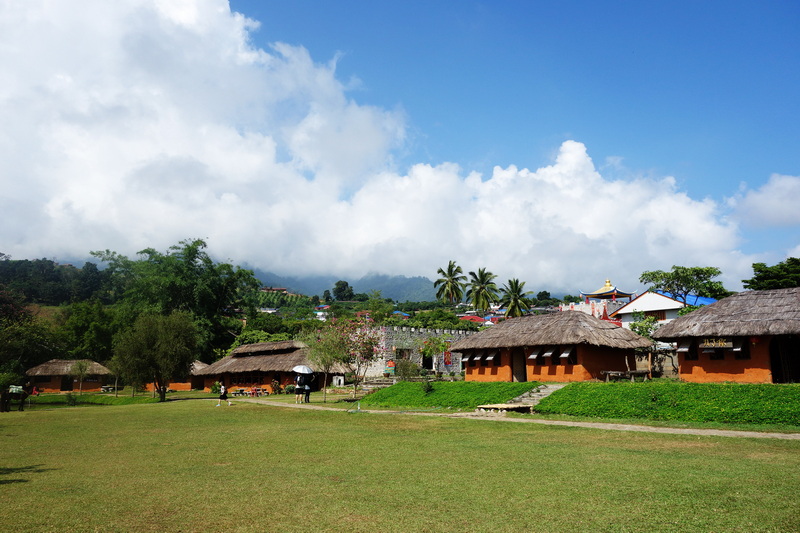
Scenic landscape with traditional huts, palm trees, and mountains in the background at Santichon Village.

Mae Hong Son Province offers a unique blend of cultural heritage and natural beauty, making it an attractive destination for travelers seeking authentic experiences without overspending. Among its many attractions, Santichon Village stands out as a significant cultural site that showcases the rich traditions of the Chinese Yunnan community. Situated in Pai District, this village provides visitors with an immersive glimpse into the lifestyle, customs, and crafts of the Yunnanese people who settled in northern Thailand. For budget-conscious travelers, exploring Santichon Village is a practical choice, especially when combined with affordable tour packages departing from Chiang Mai. These tours often include transportation and guided visits, allowing visitors to experience the Chinese Yunnan Village and surrounding attractions with ease and cost efficiency. This article highlights the best ways to visit Santichon Village on a budget while enjoying the cultural richness and nearby sights that make Mae Hong Son a memorable destination.

Navigating Budget Tours from Chiang Mai to Mae Hong Son

Travelers looking to Visit Mae Hong Son Thailand on a budget will find numerous economical tour options available from Chiang Mai. Many local operators offer cheap Mae Hong Son tours from Chiang Mai, ranging from day trips to multi-day packages that include stops at key cultural sites like Santichon Village. These tours typically bundle transportation, making it easier to reach remote locations without the hassle or expense of arranging individual transfers.

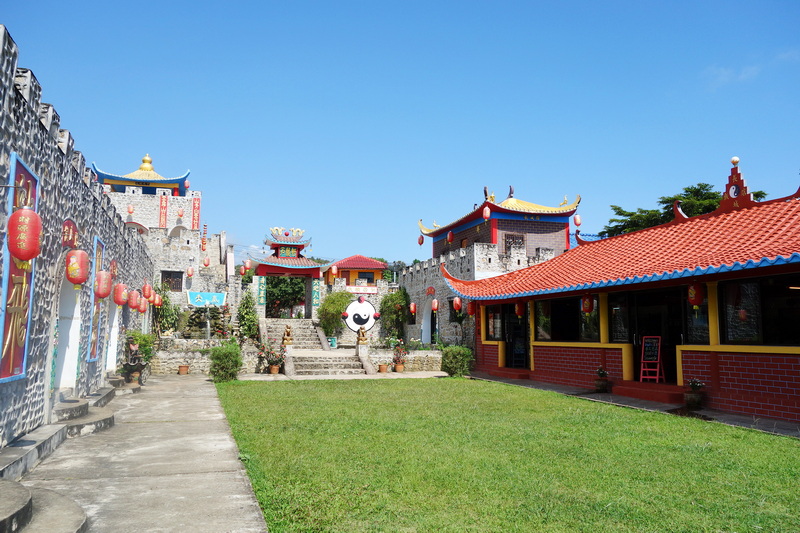
Courtyard with red lanterns, traditional rooftops, and stone walls at Mae Hong Son.

Most budget tours emphasize flexibility and value, often combining visits to Pai and Mae Hong Son with stops at natural and cultural attractions. This approach benefits travelers who want a comprehensive experience without stretching their finances. While these tours do not usually include luxury amenities, they provide practical, comfortable travel solutions that prioritize accessibility and cultural immersion.

When selecting a budget tour, it is advisable to confirm the itinerary focuses on cultural highlights such as the Chinese Yunnan Village in Pai, ensuring that visitors get a meaningful experience of the local heritage. Many tours also include knowledgeable guides who provide context about the Yunnanese community, enhancing the visit beyond superficial sightseeing.

Cultural Heritage at Santichon Village Pai

Santichon Village, often referred to as the Chinese Yunnan Cultural Village, is a living testament to the traditions and customs brought to northern Thailand by Chinese migrants from Yunnan Province. The village preserves distinctive architectural styles, traditional clothing, culinary practices, and handicrafts that reflect this unique cultural heritage.

Visitors to Santichon Village can observe the daily life of the Yunnanese people and explore their craftsmanship, including pottery, weaving, and tea-making. One of the highlights is the opportunity to sample authentic Yunnan tea in traditional tea houses, offering a sensory connection to the village’s history and cultural identity.

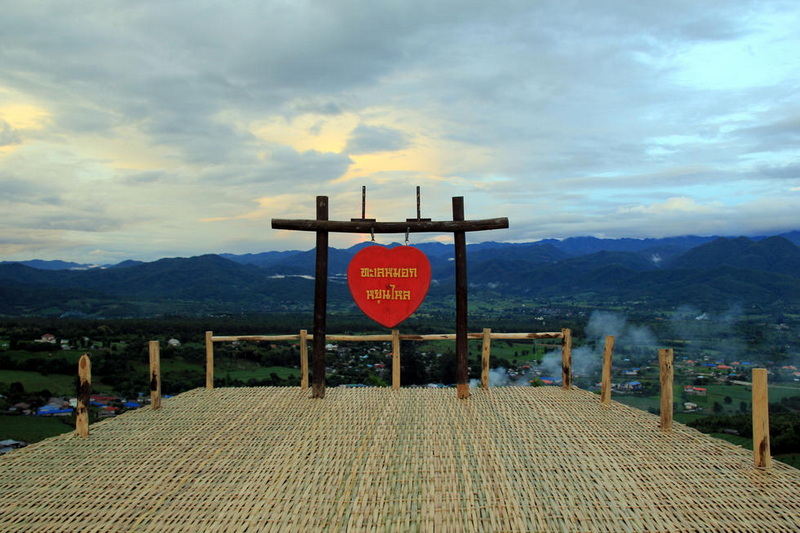
Wooden platform with heart-shaped sign overlooking a valley and mountains under clouds at Santichon Village.

The village also hosts cultural performances and demonstrations that respect the dignity and privacy of the community, avoiding exoticizing or spectacle framing. This respectful approach allows travelers to appreciate the living culture of the Chinese Yunnan Village in an educational and meaningful way.

Santichon Village Mae Hong Son serves as an important cultural bridge, illustrating how immigrant communities have contributed to the diverse social fabric of the region. Visitors are encouraged to approach their experience with cultural sensitivity, honoring the community’s heritage and daily realities.

Enhancing Your Visit with Nearby Attractions

While Santichon Village is a compelling destination on its own, the surrounding Pai District offers additional attractions that complement the cultural experience. Two nearby points of interest ideal for budget travelers are Pai Walking Street and Sai Ngam Hot Spring, both easily accessible from the village.

Pai Walking Street is a vibrant local market that comes alive in the evenings, showcasing local crafts, street food, and live entertainment. It offers visitors an opportunity to engage with the local community, sample regional delicacies, and purchase handmade souvenirs. The market’s casual atmosphere makes it an excellent spot for budget travelers to enjoy authentic Pai culture without spending much.

Sai Ngam Hot Spring provides a relaxing natural escape with its warm mineral waters set amid scenic surroundings. This attraction is perfect for unwinding after a day of sightseeing and offers a low-cost way to experience the natural beauty of Mae Hong Son Province. Its proximity to Santichon Village makes it convenient to include in a day’s itinerary.

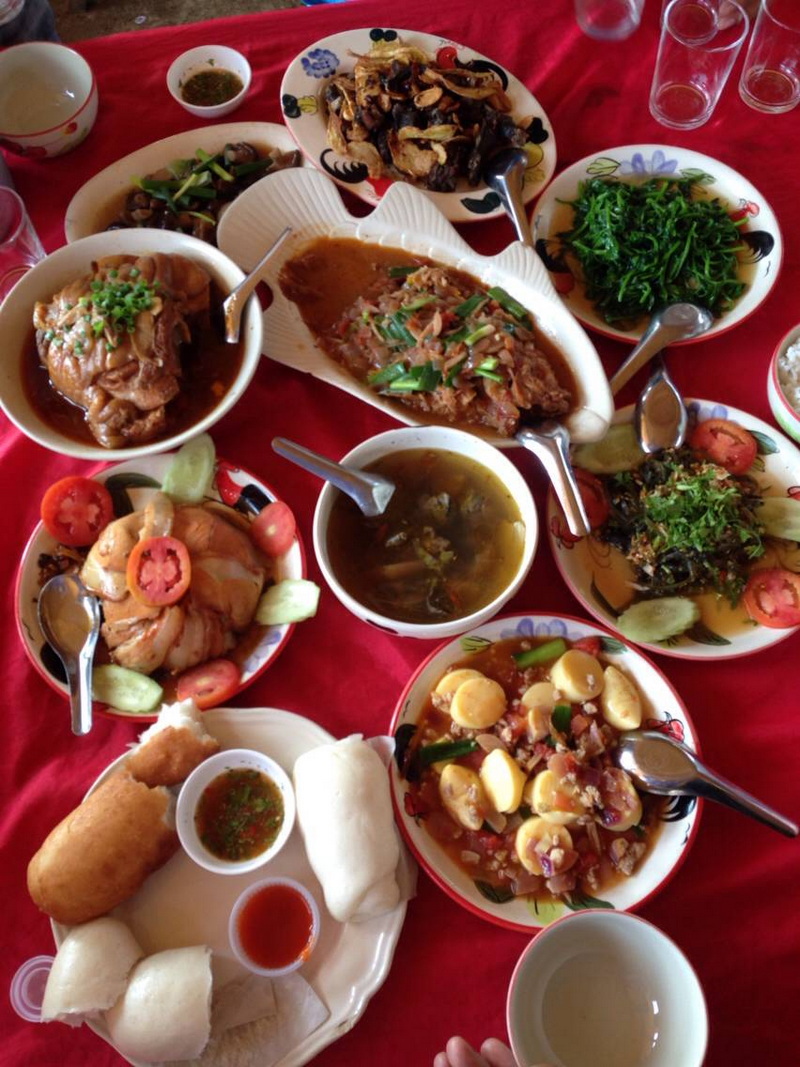
Assorted bowls of Asian dishes with vegetables, meats, and soups on a red tablecloth at Santichon Village.

Practical Tips for Budget Travelers Visiting Santichon Village

To maximize a budget trip to Santichon Village, planning ahead is essential. Choosing tours that depart from Chiang Mai can reduce transportation expenses and simplify logistics, especially for first-time visitors unfamiliar with the region’s roads and routes.

Visitors should consider traveling during the shoulder seasons when tour prices tend to be lower and the area is less crowded. Additionally, bringing some local currency in smaller denominations can be helpful for purchases at markets and local vendors who may not accept cards or larger bills.

Respectful behavior is vital when visiting a living cultural village. Travelers should avoid intrusive photography, ask permission when interacting with residents, and refrain from participating in activities that may disrupt daily life or misrepresent the community.

Finally, combining visits to Santichon Village with nearby attractions like Pai Walking Street and Sai Ngam Hot Spring can enrich the experience while keeping travel costs manageable. This approach allows budget travelers to enjoy a well-rounded trip that balances cultural discovery with relaxation and local engagement.

Nearby Attractions

Pai Walking Street

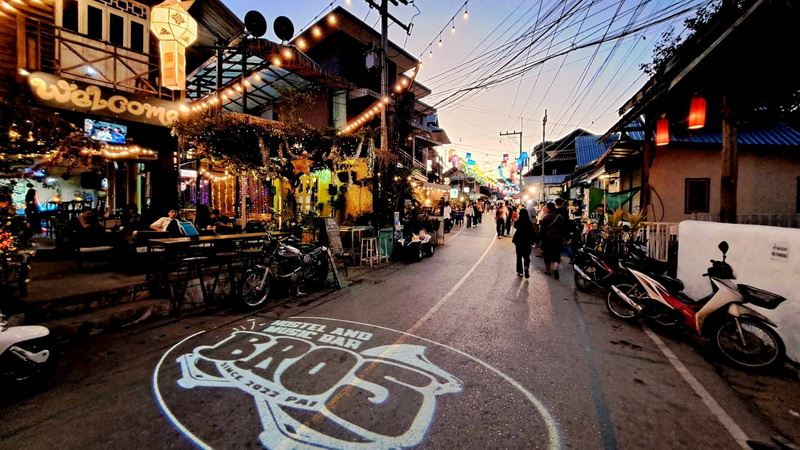
Street scene with shops, motorcycles, and people walking at dusk with string lights overhead at Pai Walking Street.

Pai Walking Street is a bustling evening market located in the heart of Pai District. It offers a lively atmosphere filled with stalls selling local handicrafts, artwork, and a variety of street food. The market is a cultural hub where visitors can interact with local artisans and sample traditional northern Thai and Yunnanese cuisine.

This market is especially popular among budget travelers due to its affordable prices and diverse offerings. It provides a great opportunity to experience the local lifestyle and enjoy performances by street musicians and entertainers, making it a memorable part of any visit to the region.

Sai Ngam Hot Spring

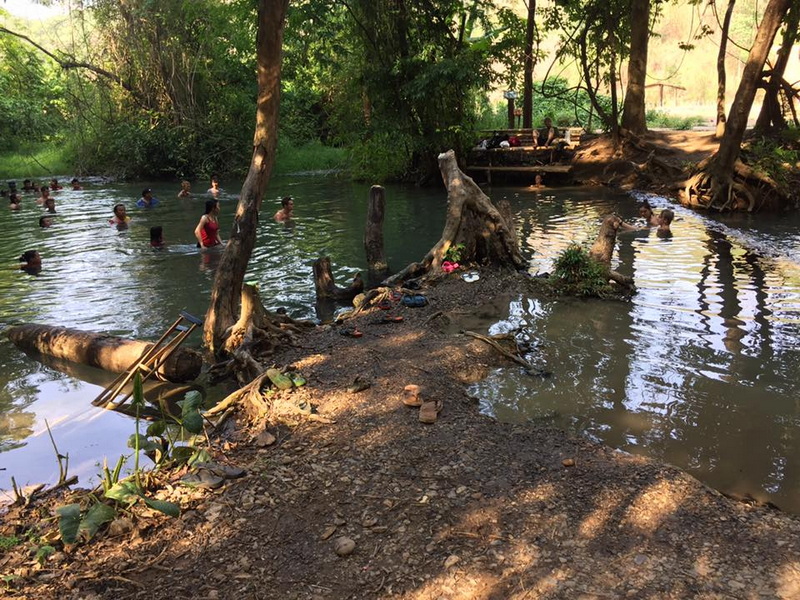
People enjoying a natural hot spring surrounded by lush trees and rocks at Sai Ngam Hot Spring.

Sai Ngam Hot Spring is a natural thermal spring located near Pai, known for its soothing warm waters surrounded by lush forest. The spring features pools where visitors can soak and relax, benefiting from the mineral-rich waters that are believed to have therapeutic properties.

Accessible and budget-friendly, Sai Ngam Hot Spring offers a tranquil retreat amidst nature’s beauty. It is an excellent complement to cultural visits in the area, providing a peaceful environment to unwind after exploring Santichon Village and other nearby sights.

Why This Place Stays With You

Santichon Village stands as a remarkable destination for travelers seeking to experience the cultural heritage of the Chinese Yunnan community without overspending. By choosing affordable tours from Chiang Mai and planning visits to nearby attractions like Pai Walking Street and Sai Ngam Hot Spring, budget-conscious visitors can enjoy a fulfilling and respectful journey through Mae Hong Son Province. This blend of cultural immersion and practical travel planning ensures that discovering the unique charm of Santichon Village remains accessible and rewarding for all types of travelers.

Exploring Local Attractions and Zoo Sightseeing Tours Near Mae Rim Snake Farm

Exploring Local Attractions and Zoo Sightseeing Tours Near Mae Rim Snake Farm

Discover exciting nearby wildlife attractions and plan your ideal zoo tour in Chiang Mai

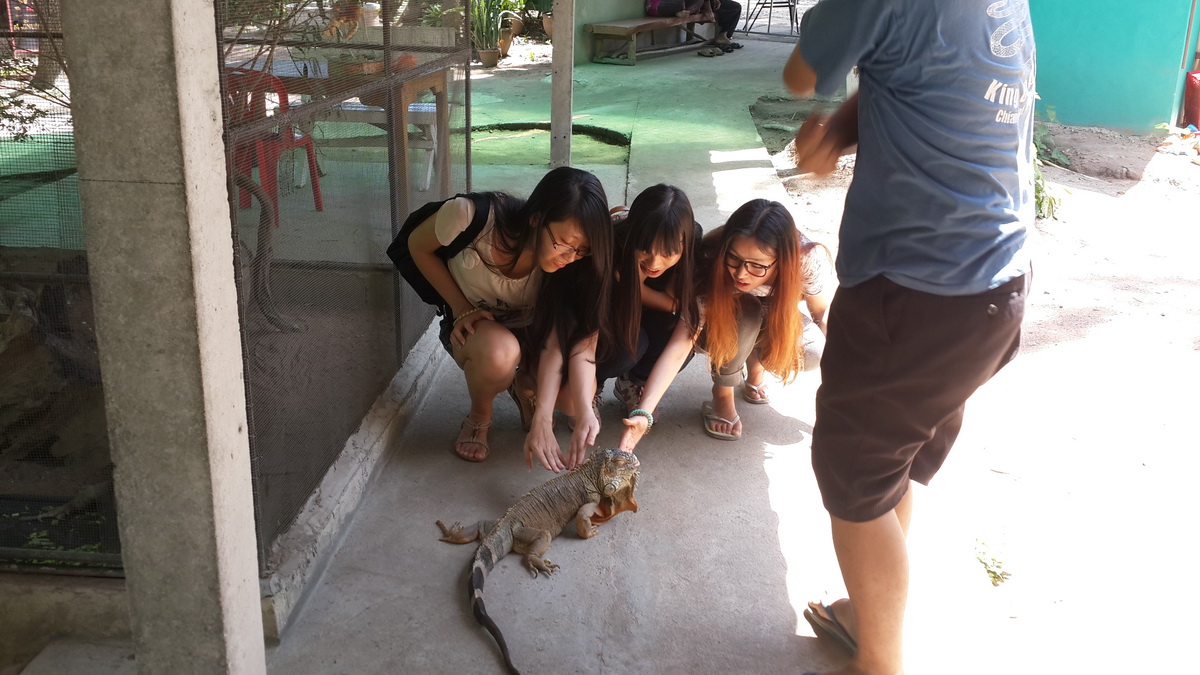
Four women interacting with a young iguana inside a zoo enclosure at Mae Rim Snake Farm.

Nestled in the lush surroundings of Mae Rim District, the Mae Rim Snake Farm offers a fascinating glimpse into the world of reptiles and wildlife that thrive in northern Thailand. As one of the notable attractions zoo in Chiang Mai, this destination draws visitors eager to learn about snakes and their vital role in the ecosystem. Beyond the farm itself, the area is rich with opportunities for tourists to explore other remarkable local attractions and enjoy immersive zoo sightseeing tours. For travelers seeking a practical tour in Chiangmai, the Mae Rim Snake Farm serves as a great starting point to discover the region’s diverse wildlife experiences. From observing majestic tigers at the nearby Tiger Kingdom Chiang Mai to enjoying the natural beauty of Mae Sa Waterfall, visitors can tailor their day trips to include a blend of animal encounters and scenic nature exploration. This article offers an insider’s perspective on what to see and do at the Mae Rim Snake Farm and how to enhance your visit with nearby attractions and tours.

Overview of Mae Rim Snake Farm and Its Unique Appeal

Mae Rim Snake Farm is a specialized wildlife attraction focusing primarily on snakes native to Thailand and other parts of Southeast Asia. The farm provides educational exhibits that showcase various species, from venomous cobras to non-venomous pythons, emphasizing their ecological importance and dispelling common myths. Visitors have the chance to watch live demonstrations and learn about snake venom extraction, which contributes to medical research and antivenom production. Travelers researching Attractions in Chiang Mai can use these details when planning the trip.

The farm’s setting within Mae Rim District offers a relaxed environment where guests can explore at their own pace. The staff is knowledgeable and approachable, making this attraction particularly suitable for families, first-time visitors, and anyone interested in wildlife conservation. The experience is designed to be both informative and respectful of the animals, aligning with principles of ethical tourism.

Adding to its appeal, Mae Rim Snake Farm often collaborates with local tour operators to include the farm in broader day tours around Chiang Mai. This creates excellent opportunities for visitors to combine their interest in animals with cultural and natural sightseeing.

Local Attractions in Mae Rim District to Complement Your Visit

Beyond the snake farm, Mae Rim District is home to several other attractions that help visitors deepen their appreciation for northern Thailand’s natural and cultural heritage. The district’s lush landscape is dotted with botanical gardens, waterfalls, and animal sanctuaries that offer diverse experiences for all ages.

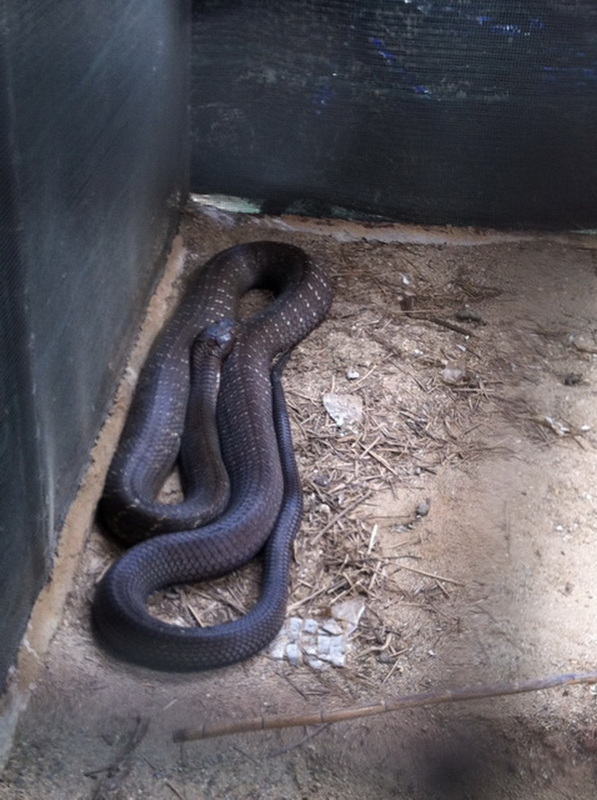
A dark-colored snake coiled on dirt inside an enclosure with black walls at Mae Rim Snake Farm.

One popular choice is the Mae Sa Waterfall, a multi-tiered cascade surrounded by forest trails that invite gentle hikes and picnics. The area is well maintained and provides a refreshing break from the city’s bustle, making it a favorite spot for families and nature lovers.

Additionally, the district hosts a number of orchid farms and butterfly gardens, enhancing the appeal for visitors interested in flora and fauna. These attractions maintain a respectful approach to environmental sustainability, which aligns well with the conservation message promoted at the snake farm.

Zoo Sightseeing Tours Including Tiger Kingdom and Other Wildlife Experiences

For those planning a tour in Chiangmai focused on animal encounters, the area around Mae Rim Snake Farm offers several notable options. Tiger Kingdom Chiang Mai, located nearby, is a renowned destination where visitors can observe and interact with tigers in a controlled and ethical environment. The facility emphasizes animal welfare and education, providing guided experiences that highlight the importance of tiger conservation.

Combining visits to the snake farm and Tiger Kingdom can create a well-rounded day tour that showcases the diversity of Thailand’s wildlife—from reptiles to big cats. Many tour operators offer packages or custom itineraries that include these sites, along with other attractions such as orchid farms and waterfalls, to maximize the sightseeing experience.

Visitors should plan their day thoughtfully, allowing enough time to appreciate each location fully. Early starts are recommended to avoid crowds and enjoy cooler temperatures, particularly when exploring outdoor attractions like Mae Sa Waterfall.

Three women sitting indoors on a bench talking to a person in a white shirt with snake logo at Mae Rim Snake Farm.

Visitor Insights and Practical Recommendations for Your Trip

Tourists who have visited Mae Rim Snake Farm often highlight the educational value and the friendly atmosphere as key positives. Many appreciate the chance to see snakes up close in a safe setting and learn about their behavior and biology. The farm’s demonstrations are particularly popular, offering memorable moments for visitors of all ages.

When planning a visit, it’s useful to allocate at least two hours at the snake farm to fully explore the exhibits and attend any scheduled shows. Combining this with a visit to Tiger Kingdom or Mae Sa Waterfall can fill a rewarding day of attractions zoo in Chiang Mai.

Transportation options include renting a car or booking a guided tour, both of which provide flexibility to visit multiple nearby attractions. Visitors are encouraged to bring comfortable walking shoes, sun protection, and water, especially during the warmer months.

Respect for the animals and the local environment is essential. Visitors should follow all guidelines provided by the attractions to ensure a safe and ethical experience for both guests and wildlife.

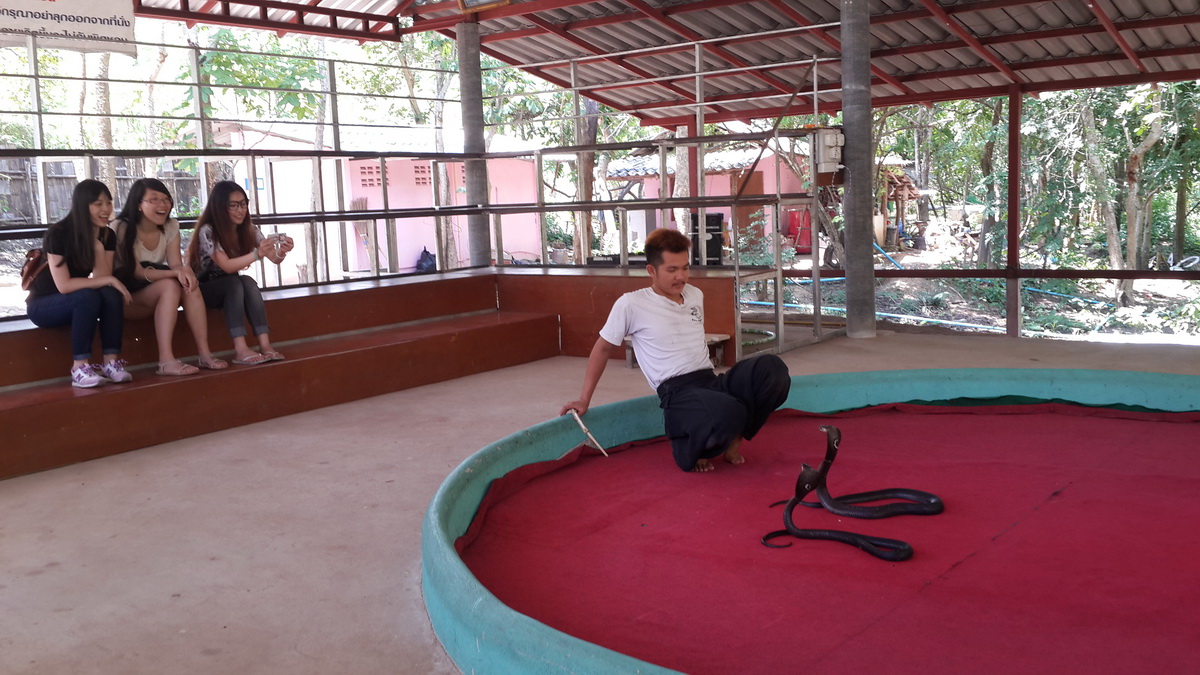
Man handling a snake in a circular enclosure while three women watch nearby at Mae Rim Snake Farm.

Planning Your Ideal Zoo and Local Attractions Day Trip

A well-planned day trip starting at Mae Rim Snake Farm can include stops at Tiger Kingdom and Mae Sa Waterfall, creating a diverse itinerary that balances wildlife viewing with natural beauty. Starting early in the morning allows visitors to avoid peak crowds and enjoy cooler temperatures, enhancing comfort and photo opportunities.

Many visitors choose to begin at the snake farm, where the morning demonstrations provide an engaging introduction to the region’s reptiles. Following this, a short drive brings you to Tiger Kingdom, where interaction with tigers offers a contrasting but complementary wildlife experience.

The afternoon can be reserved for relaxation and nature at Mae Sa Waterfall, where shaded trails and cascading waters offer a peaceful setting. This combination of attractions represents some of the best things to do at Mae Rim Snake Farm Chiang Mai and its surroundings, giving visitors a comprehensive look at local wildlife and natural wonders.

For those interested in extending their day, nearby orchid farms or local markets provide additional cultural and sensory experiences that enrich the overall visit.

Nearby Attractions

Tiger Kingdom Chiang Mai

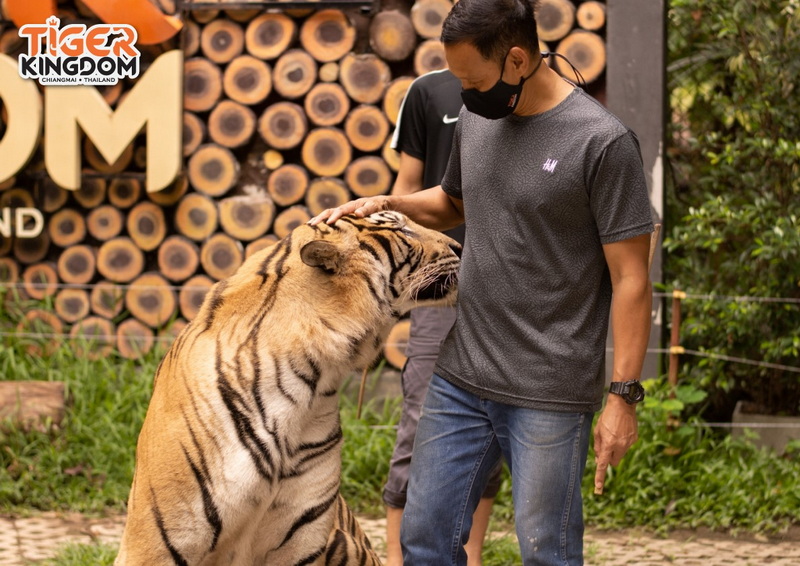
Person petting a sitting tiger during an outdoor animal encounter at Tiger Kingdom Chiang Mai.

Tiger Kingdom Chiang Mai is a unique wildlife attraction where visitors can get close to tigers of various ages and sizes under the supervision of trained staff. This facility is dedicated to providing an educational and ethical experience, emphasizing the importance of tiger conservation in Thailand and worldwide.

The environment is designed to mimic natural habitats as closely as possible, and the staff educates visitors on the biology and behavior of these majestic animals. Interactions are carefully managed to ensure the safety and well-being of both the tigers and visitors.

Tiger Kingdom is a popular complement to the Mae Rim Snake Farm, offering a broader spectrum of wildlife experiences within a short distance. It is an excellent stop for those interested in big cats and conservation efforts.

Mae Sa Waterfall

Water cascading over rocks amidst lush green forest at Mae Sa Waterfall.

Mae Sa Waterfall is a scenic natural attraction located within Mae Rim District, featuring multiple tiers of cascading water surrounded by verdant forest. It is a favorite spot for both locals and tourists seeking a refreshing outdoor escape near Chiang Mai.

Visitors can enjoy walking along well-maintained trails, picnicking in designated areas, and observing local flora and fauna. The waterfall's tranquil ambiance makes it an ideal place to relax after visits to more active wildlife attractions.

Accessibility and natural beauty combine to make Mae Sa Waterfall an essential part of any tour in Chiangmai that includes the Mae Rim Snake Farm. It offers a peaceful contrast to the educational and interactive animal experiences nearby.

Why This Place Stays With You

Mae Rim Snake Farm stands out as an informative and engaging attraction among the many things to do at Mae Rim Snake Farm Chiang Mai. By combining your visit with nearby highlights such as Tiger Kingdom and Mae Sa Waterfall, you can create a rich and varied day tour that showcases the best of Chiang Mai’s local attractions and zoo sightseeing experiences. Thoughtful planning and respect for the animals and environment will ensure a rewarding and memorable trip. Whether you are a wildlife enthusiast, a family traveler, or simply curious about northern Thailand’s natural wonders, this area offers a welcoming and insightful glimpse into its unique biodiversity.