Su Tong Pae Bamboo Bridge and Budget Travel in Mae Hong Son
A practical, low-cost way to connect a memorable landmark with respectful regional travel
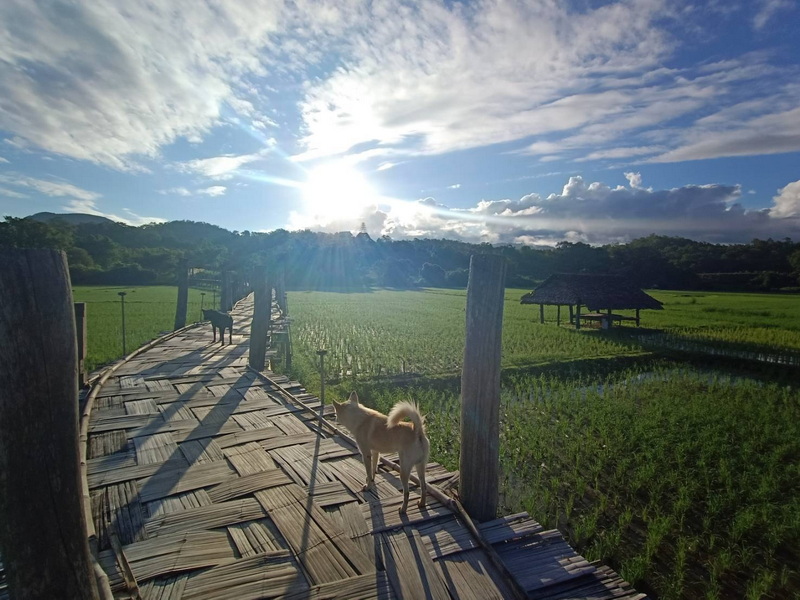
A visit to Su Tong Pae Bamboo Bridge can be one of the most rewarding parts of a carefully planned trip through Mae Hong Son. The bridge is modest in scale, yet its setting gives it lasting appeal: woven bamboo spans green farmland and links a local community with a Buddhist monastery area. Rather than treating it as a quick photograph stop, budget-conscious visitors can use it as a starting point for understanding the landscape and communities around Mueang Mae Hong Son District. The attraction also fits travelers who prefer meaningful stops over expensive activities. There is no need to build an elaborate holiday around one landmark. With thoughtful planning, the bridge can be combined with selected cultural and natural sights, while transport, meals, and sightseeing choices remain manageable. This guide focuses on how to include Su Tong Pae in an affordable Mae Hong Son plan, what to expect from the surrounding area, and how nearby Ban Huay Pu Keng and Phu Klon can add variety without turning the trip into a rushed checklist.
Why the bridge suits a careful travel budget
Su Tong Pae Bridge is appealing partly because its value comes from the setting rather than from a costly activity. The walkway provides an opportunity to observe rice fields, hills, village surroundings, and changing light across the countryside. Visitors can spend time walking slowly, taking photographs from appropriate places, and appreciating how the bridge serves a practical connection between local areas. That simple experience is useful for travelers who want their budget to support a wider journey instead of a single paid attraction.
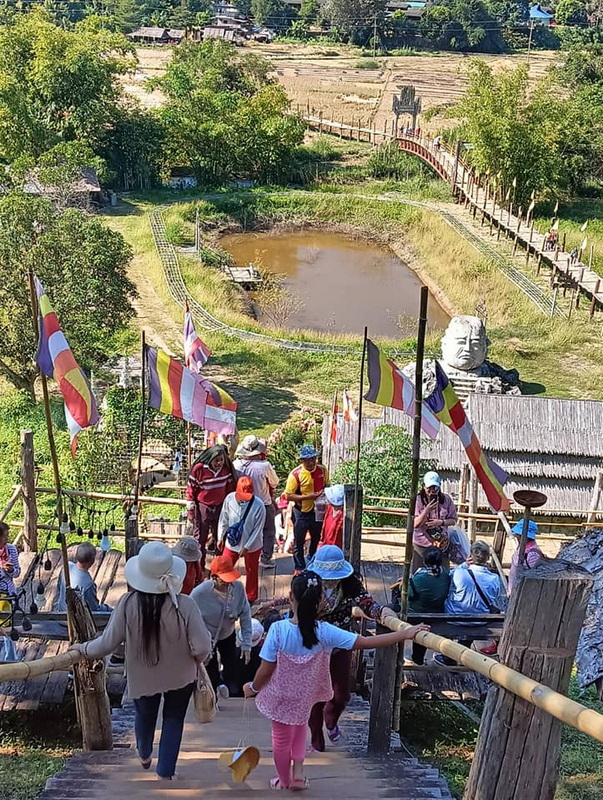
The name may appear in several forms, including Su Tong Pae Mae Hong Son and Sutongpae Bamboo Bridge. Regardless of spelling, the visitor experience is centered on a rural bamboo crossing with cultural and scenic importance. Conditions can vary with weather and agricultural activity, so sensible footwear and a flexible attitude are more useful than expectations of a polished amusement site. Travelers should also avoid blocking the walkway, climbing on the structure, or entering farmland without permission.
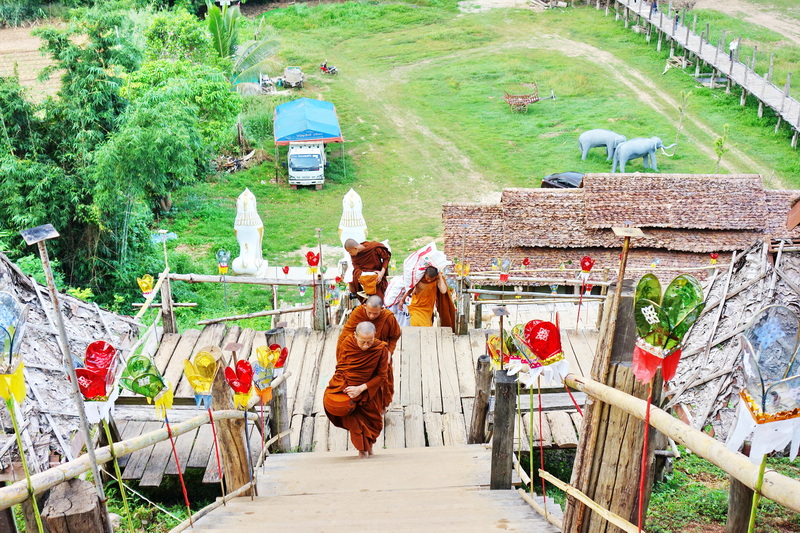
A low-cost visit does not mean treating the destination as disposable. Small contributions, purchases from local vendors when available, and respectful behavior can help visitors participate in the local economy without assuming that every community interaction is a tourist service. Carrying reusable water bottles, minimizing waste, and leaving the bridge and fields as they were are practical ways to keep the experience responsible.
Two Meaningful Additions Beyond the Bridge
Once the bridge has established a sense of place, two nearby choices can broaden the journey in different directions. Ban Huay Pu Keng brings attention to community and culture, while Phu Klon offers a nature and wellness perspective.
Ban Huay Pu Keng
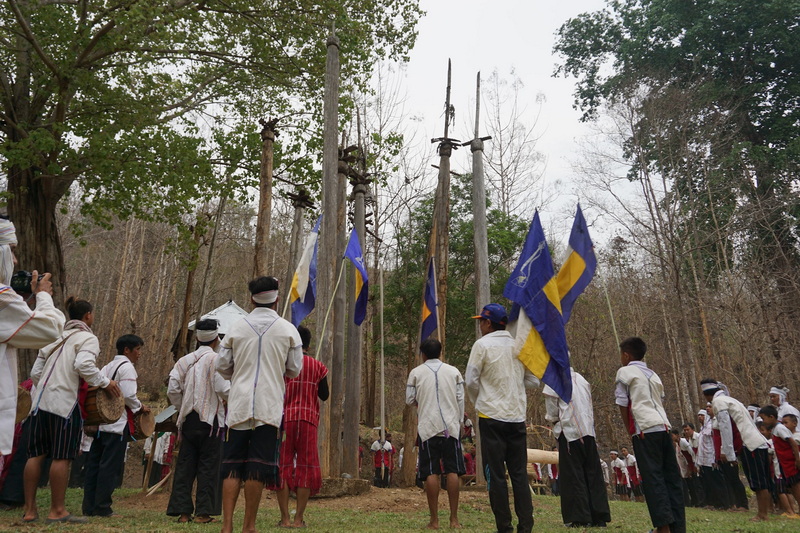
Ban Huay Pu Keng offers a different kind of cultural encounter within the Mae Hong Son area. The community is associated with Karen culture and sits near the Pai River, giving visitors an opportunity to learn about local life, crafts, history, and the surrounding environment through appropriate community-based experiences. Visitors should approach with humility and use locally provided guidance where possible. The aim is to understand a living community, not to treat residents or cultural practices as curiosities.
For a budget itinerary, the village can complement the bridge because the two places encourage slower observation rather than expensive entertainment. Allow enough time to listen, ask permission before taking photographs, and purchase crafts only when genuinely interested. Confirm current visiting arrangements before traveling, since community activities and access may vary.
Phu Klon

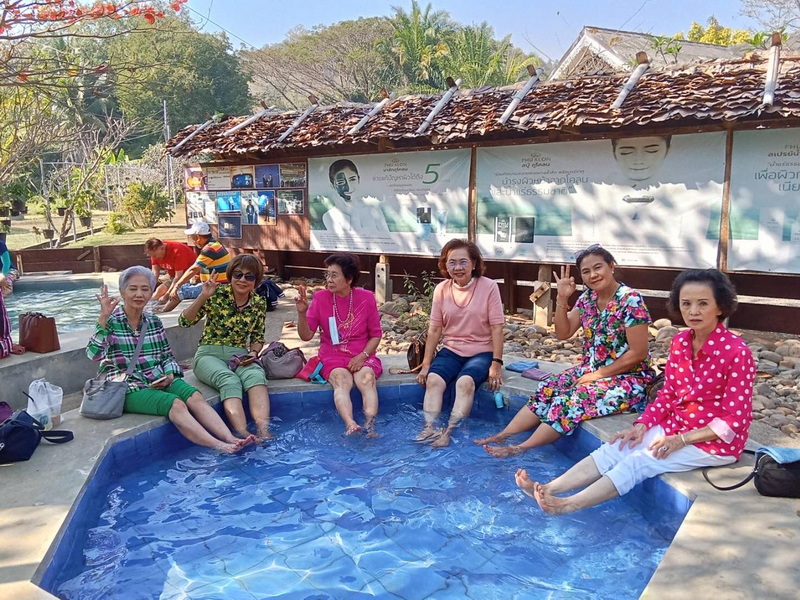
Phu Klon is known for its mineral mud and hot-spring environment, making it a natural complement to a countryside visit. The attraction gives travelers a chance to experience a different aspect of Mae Hong Son’s landscape, with warm mineral water and mud-related wellness activities forming part of its appeal. Visitors should check current facilities and conditions rather than assuming every service is operating at all times.
Adding Phu Klon to a budget plan works best when it fits naturally into the day’s route and priorities. Travelers can decide whether the experience is worth the associated transport and activity costs, instead of including it simply because it appears on a list. Combining one scenic landmark, one cultural stop, and one nature-based experience can create a balanced day without requiring a long succession of paid attractions.
Building a shortlist of Mae Hong Son highlights
For a first-time visitor, Mae Hong Son Top Attractions are best approached as a varied collection rather than a ranking. The province is known for mountain scenery, quiet communities, Buddhist sites, viewpoints, and distinctive food traditions. Su Tong Pae belongs in that mix because it presents a close relationship between the built landscape and agricultural surroundings. Other stops may offer a stronger historical focus or a more dramatic natural view, but the bridge provides a gentle pace that can balance a busy sightseeing plan.
Budget travelers can begin by separating essential experiences from optional detours. A visit to the bridge may be paired with time in Mae Hong Son town, where travelers can experience local markets, temples, and lakeside surroundings according to their own interests. In rural areas, distances and winding roads can make an inexpensive-looking plan more demanding than expected, so grouping sights in the same general direction can reduce wasted travel time and energy.
The broader lesson is to leave room for unplanned observation. A rice field, a quiet road, or a community viewpoint may be as memorable as a heavily promoted landmark. Visitors should confirm current local conditions before setting out and should not assume that a place will have permanent facilities, open vendors, or identical scenery throughout the year. This approach keeps expectations realistic while allowing Mae Hong Son’s slower rhythm to become part of the experience.
Making the journey from Chiang Mai more affordable
Searches for Cheap Mae Hong Son Tours From Chiang Mai can help travelers compare broad travel ideas, but search results should be treated as starting points rather than confirmed offers. A low advertised cost may not describe the same transport, duration, group size, entrance arrangements, or included meals as another option. Before committing, compare what is actually covered and consider whether the schedule leaves enough time to visit the bridge respectfully instead of viewing it through a rushed window.
Independent travelers may prefer to combine shared transport, simple meals, and a small number of priority sights. Others may find that a group journey reduces the burden of navigating mountain roads and coordinating several stops. There is no single cheapest choice for everyone. The right option depends on group size, comfort with long road travel, available time, and whether the traveler values flexibility more than convenience.
A practical budget should include more than the headline transport cost. Allow room for meals, drinking water, local contributions, occasional changes caused by weather, and rest stops. Mountain travel can be tiring even when the distance on a map appears modest. Travelers should also avoid selecting a plan solely because it promises many attractions in one day. A shorter list with realistic travel time often creates a better experience and prevents unnecessary pressure on local communities and drivers.
Simple habits for a respectful visit
Su Tong Pae is connected with local religious and community life, so visitors should dress and behave with awareness when walking near monastery grounds or speaking with residents. Follow any signs, observe whether photography is appropriate, and keep voices low near worship spaces. The bridge is not only a scenic object; it is part of a lived landscape used by people who may be working, commuting, or practicing their faith.
The best photographs usually come from patience rather than intrusion. Wait for a clear path, allow residents to pass, and avoid photographing identifiable people without consent. Do not turn homes, workers, or ceremonies into background props. A respectful visitor can still enjoy the textures of bamboo, the surrounding fields, and the mountain horizon while recognizing that the community’s daily life is not a performance arranged for tourists.
Before leaving, check that nothing has been dropped or left behind. Weather can affect bamboo surfaces and paths, so visitors should pay attention to their footing and use judgment rather than forcing a crossing in unsuitable conditions. These small precautions make the stop more comfortable and help preserve the character that makes Su Tong Pae Thailand a worthwhile destination.
A Smaller Plan Can Be the Better Plan
Su Tong Pae Bamboo Bridge works especially well for travelers who measure value by atmosphere, understanding, and time well spent rather than by the number of attractions completed. Keep the plan flexible, compare travel options carefully, and allow the surrounding communities to set the pace. With Ban Huay Pu Keng or Phu Klon considered thoughtfully, the bridge can become part of a varied Mae Hong Son experience that remains practical, respectful, and achievable on a careful budget.
